| population | 210,178 peoples |
|---|---|
| area | 305.56 km² |
| population density | 688 peoples/km² |
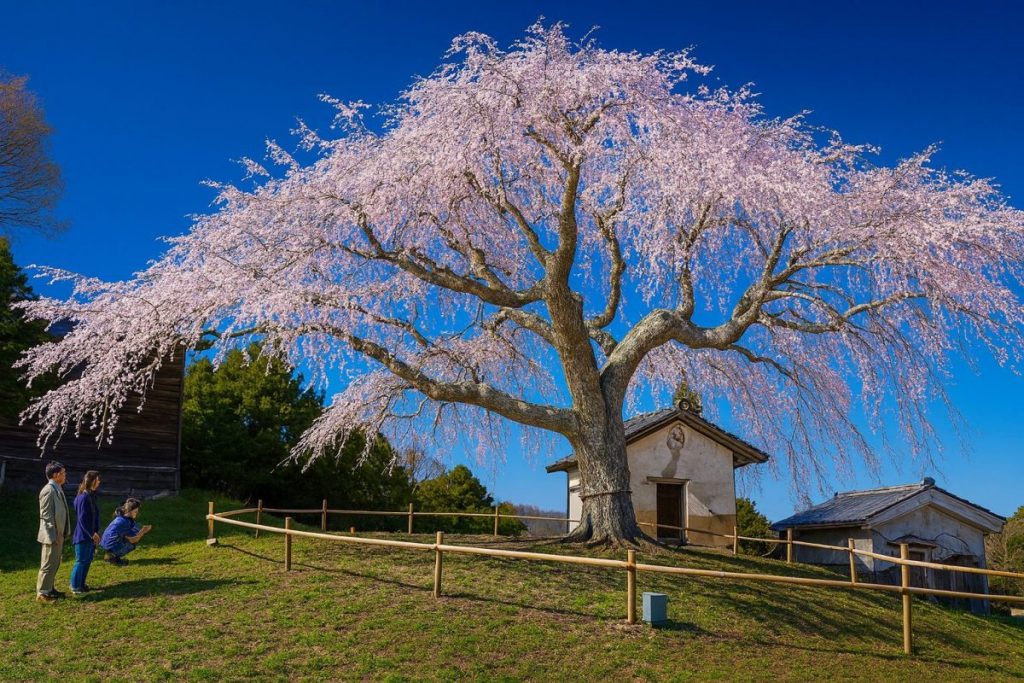
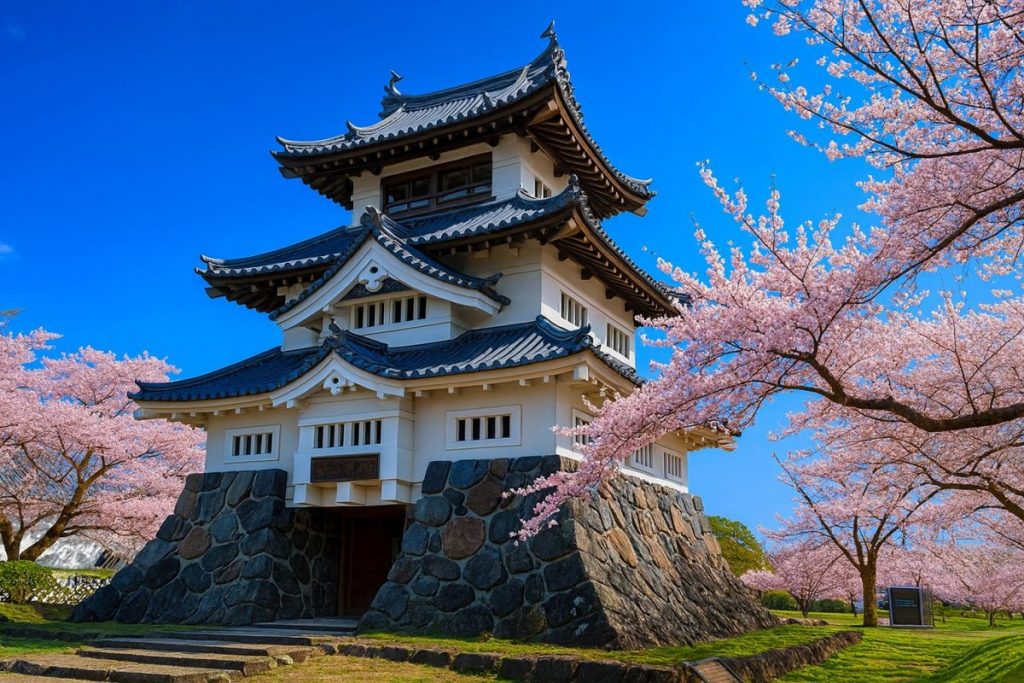
Hachinohe City, the second-largest city in Aomori Prefecture and the cultural and economic center of the Nanbu region, is a place where history, industry, nature, and tradition blend seamlessly. From ancient Jomon-period heritage such as the Korekawa Site and the National Treasure “Gassho Dogu,” to its development as a castle town of the Nejo Nanbu Clan in the Middle Ages, Hachinohe has grown with a deep historical foundation. Today, it thrives as both a major fishing port and an industrial hub, with fresh seafood enriching daily life and manufacturing industries supporting its modern economy. The scenic Pacific coastline, including the nationally designated scenic Tanesashi Coast, offers breathtaking natural beauty. Traditional events such as the UNESCO-listed Hachinohe Sansha Taisai and the Important Intangible Folk Cultural Property “Hachinohe Enburi” continue to shape the region’s unique cultural identity. With its rich natural environment, warm community, and deep-rooted traditions, Hachinohe stands as one of Tohoku’s most captivating cities.
Culture & Traditions
Hachinohe’s cultural roots trace back to the Jomon period, with significant archaeological finds displayed at the Korekawa Jomon Museum. In the medieval era, the area flourished as a castle town centered around Nejo Castle, home to the Nejo Nanbu clan. Today, Hachinohe remains one of Japan’s leading fishing cities, and its port-town lifestyle is reflected in its cuisine, dialect, and customs. The local dialect, “Hachinohe-ben,” has distinct Nanbu linguistic features and is an integral part of daily communication. One notable custom is the New Year “Nami-yoke,” a traditional ritual for safety at sea and a prosperous year. Major festivals are central to the city’s culture: the vibrant “Hachinohe Enburi,” welcoming the arrival of spring, and the spectacular “Hachinohe Sansha Taisai,” a UNESCO Intangible Cultural Heritage event featuring elaborate floats and performances. Cultural facilities such as the Hachinohe City Science Museum and the Citizens’ Cultural Hall enrich community life and support artistic and scientific education.
Local Specialties
- Hachinohe Senbei-jiru: A traditional hotpot made with soy-based broth and special Nanbu crackers that soften into a chewy texture. A beloved home-style dish with chicken, vegetables, and local ingredients.
- Hachinohe Maeoki Saba (Pacific Mackerel): Renowned nationwide for its rich flavor and high fat content. Enjoyed as sashimi, grilled, or as shime-saba.
- Ichigo-ni: A luxurious soup made from sea urchin and abalone. A signature delicacy of the coastal region, often featured in high-end cuisine.
- Hachinohe Kouta Sushi: A famous boxed sushi (ekiben) featuring vinegared rice topped with flavorful local fish. A popular item among travelers.
- Ichikawa Strawberries & Nukazuka Cucumbers: Locally grown produce known for exceptional sweetness, freshness, and quality.
Annual Events
- Hachinohe Sansha Taisai (Late July–Early August): One of Tohoku’s most spectacular festivals, featuring ornate floats and portable shrines. Listed as UNESCO Intangible Cultural Heritage.
- Hasshoku Summer Festival: Held at Hasshoku Center, showcasing local seafood, gourmet stalls, and live performances.
- Hachinohe Winter Festival: A seasonal event featuring snow lanterns, winter illuminations, and family-friendly activities.
- Hachinohe Fireworks Festival (August): A major summer event illuminating the night sky near Tatehana Wharf.
- Hachinohe Donto Market: A lively New Year market with local foods, crafts, and festive activities.
Access
- Railway: The JR Hachinohe Line is a local railway running along the Sanriku Coast that connects Hachinohe City in Aomori Prefecture with Kuji City, Iwate Prefecture, providing a direct journey of approximately 1 hour and 30 minutes from Hachinohe Station to Kuji Station without transfers.
- Shinkansen: Approx. 2 hours 50 minutes from Tokyo to Hachinohe Station via the Tohoku Shinkansen “Hayabusa.”
- Airplane: The nearest airport is Misawa Airport, about 35 minutes from Hachinohe.
- Highway Bus: Overnight buses operate between Tokyo and Hachinohe (approx. 9 hours).
- Car: About 7–8 hours from Tokyo via the Tohoku Expressway and Hachinohe Expressway.
- Ferry: Regular ferry service connects Hachinohe Port and Tomakomai Port (approx. 8 hours).
Tourist Attractions
- Hachinohe City Science Museum – A hands-on science facility featuring a planetarium and interactive exhibits.
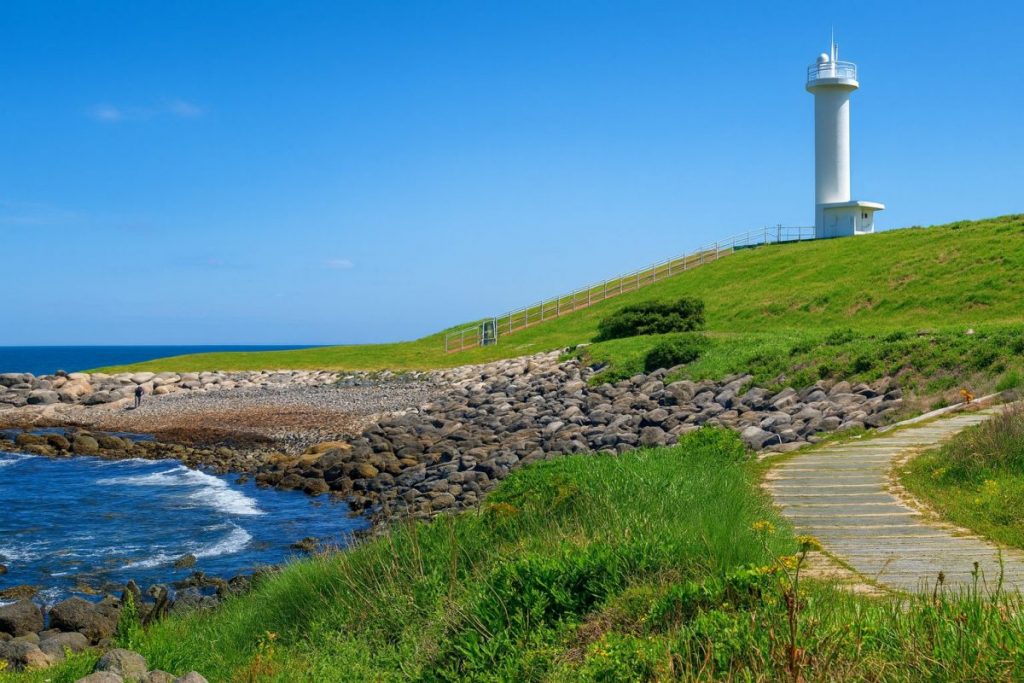
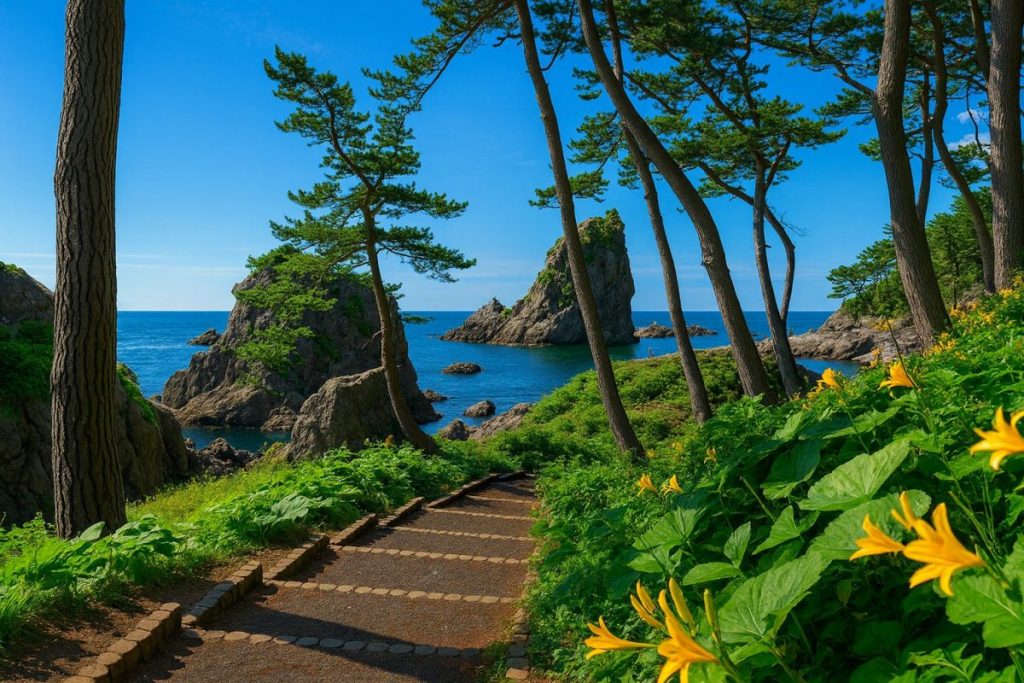
- Tanesashi Coast – A nationally designated scenic spot with natural grasslands and dramatic Pacific views.
- Hachinohe Zoo – A family-friendly zoo with a variety of animals and seasonal events.
- Kabushima – A National Natural Monument known for its black-tailed gull breeding grounds and striking coastal scenery.
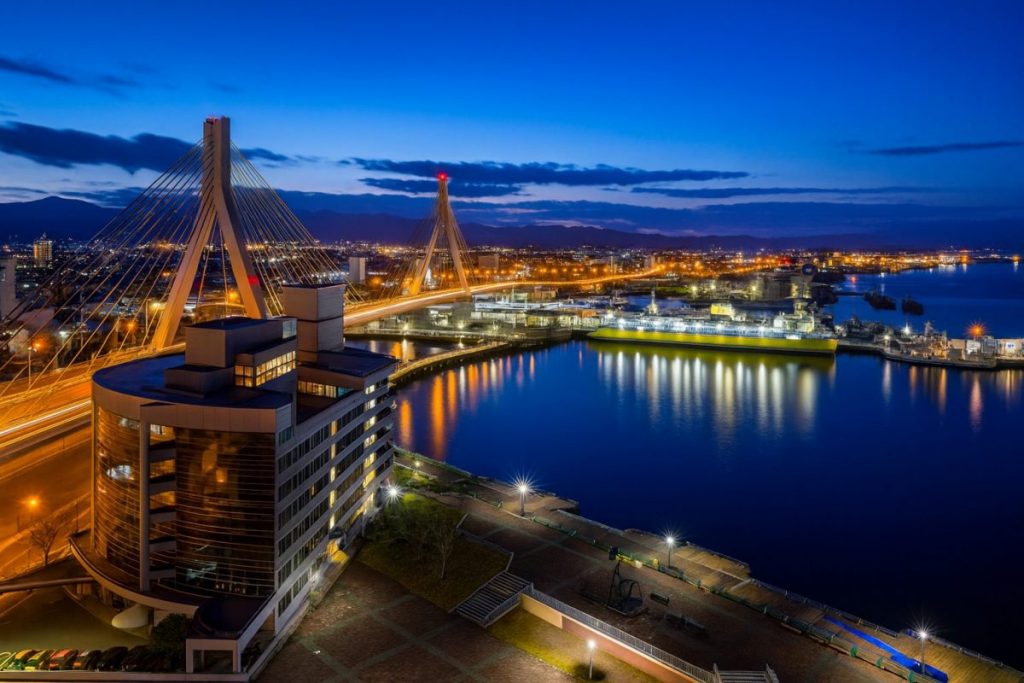
- Greht Tower Minato – An observation facility at Tatehana Park offering panoramic views of Hachinohe Port.
Useful Links
List of Major Cities in Aomori Prefecture
-

Which Prefecture Is Kuroishi City In? [Answer] Aomori Prefecture | Complete Guide to Kuroishi City (Sightseeing, Culture, Local Products & Access)
-
Which Prefecture Is Aomori City In? [Answer] Aomori Prefecture | Complete Guide to Aomori City (Sightseeing, Culture, Local Products & Access)
-
Which Prefecture Is Hirakawa City In? [Answer] Aomori Prefecture | Complete Guide to Hirakawa City (Sightseeing, Culture, Local Products & Access)
-
Which Prefecture Is Towada City In? [Answer] Aomori Prefecture | Complete Guide to Towada City (Sightseeing, Culture, Local Products & Access)
-
Which Prefecture Is Hachinohe City In? [Answer] Aomori Prefecture | Complete Guide to Hachinohe City (Sightseeing, Culture, Local Products & Access)
-
Which Prefecture Is Mutsu City In? [Answer] Aomori Prefecture | Complete Guide to Mutsu City (Sightseeing, Culture, Local Products & Access)
-
Which Prefecture Is Hirosaki City In? [Answer] Aomori Prefecture | Complete Guide to Hirosaki City (Sightseeing, Culture, Local Products & Access)
-
Which Prefecture Is Goshogawara City In? [Answer] Aomori Prefecture | Complete Guide to Goshogawara City (Sightseeing, Culture, Local Products & Access)
-
Which Prefecture Is Misawa City In? [Answer] Aomori Prefecture | Complete Guide to Misawa City (Sightseeing, Culture, Local Products & Access)
-
Which Prefecture Is Tsugaru City In? [Answer] Aomori Prefecture | Complete Guide to Tsugaru City (Sightseeing, Culture, Local Products & Access)
Nambu Region List
-
Which Prefecture Is Hashikami Town In? [Answer] Aomori Prefecture | Complete Guide to Hashikami Town (Sightseeing, Culture, Local Products & Access)
-
Which Prefecture Is Takko Town In? [Answer] Aomori Prefecture | Complete Guide to Takko Town (Sightseeing, Culture, Local Products & Access)
-
Which Prefecture Is Nanbu Town In? [Answer] Aomori Prefecture | Complete Guide to Nanbu Town (Sightseeing, Culture, Local Products & Access)
-
Which Prefecture Is Hachinohe City In? [Answer] Aomori Prefecture | Complete Guide to Hachinohe City (Sightseeing, Culture, Local Products & Access)
-
Which Prefecture Is Shingo Village In? [Answer] Aomori Prefecture | Complete Guide to Shingo Village (Sightseeing, Culture, Local Products & Access)
-
Which Prefecture Is Gonohe Town In? [Answer] Aomori Prefecture | Complete Guide to Gonohe Town (Sightseeing, Culture, Local Products & Access)
-
Which Prefecture Is Sannohe Town In? [Answer] Aomori Prefecture | Complete Guide to Sannohe Town (Sightseeing, Culture, Local Products & Access)