| population | 15,116 peoples |
|---|---|
| area | 153.12 km² |
| population density | 98.7 peoples/km² |
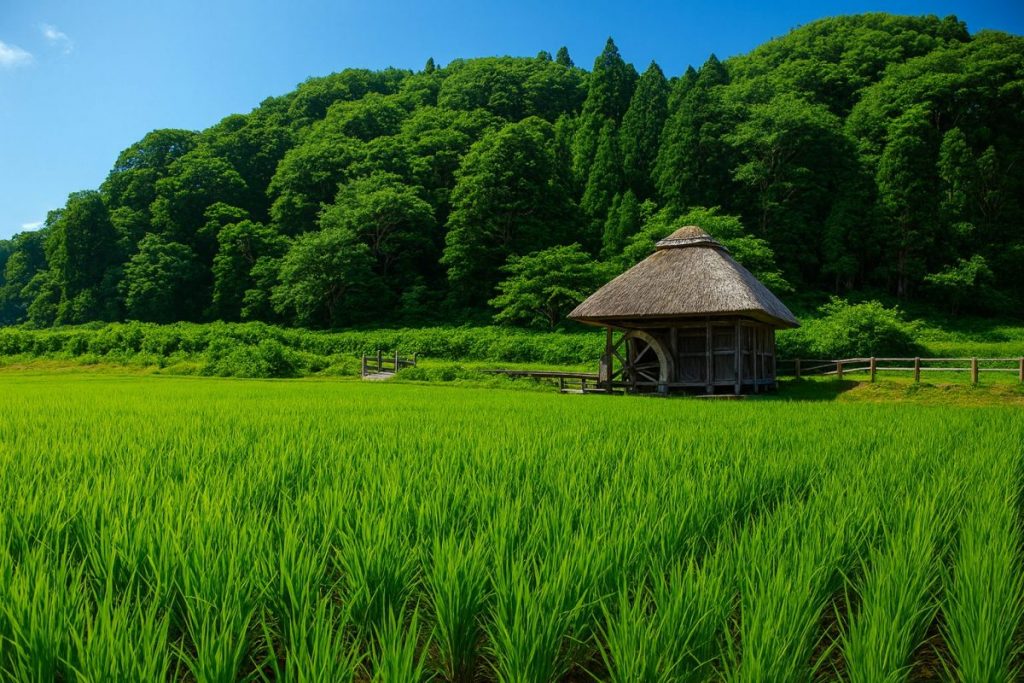
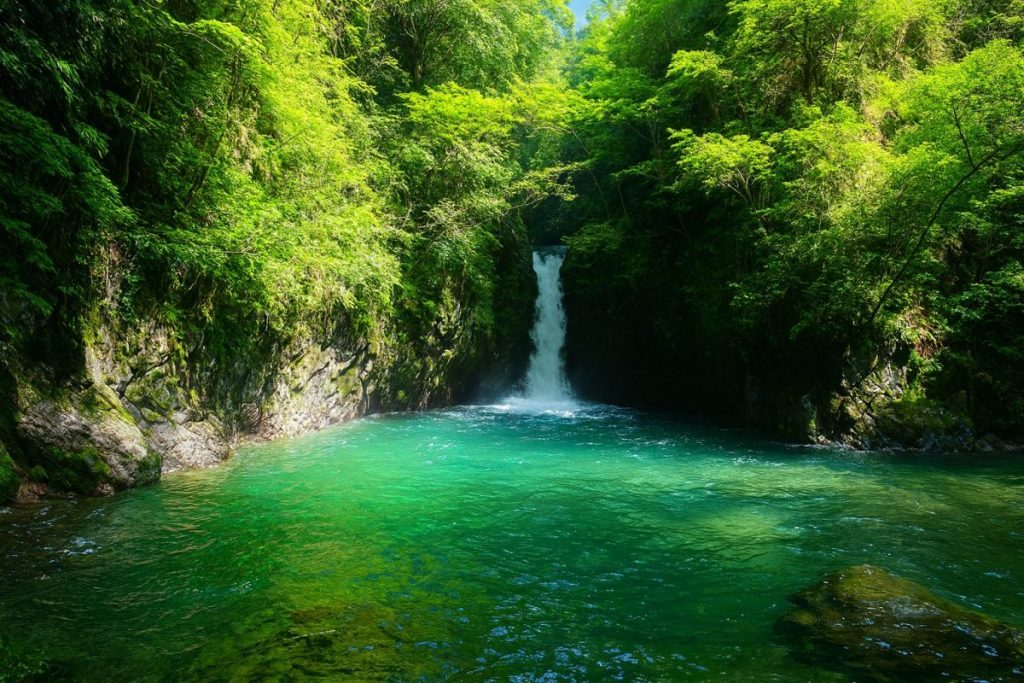
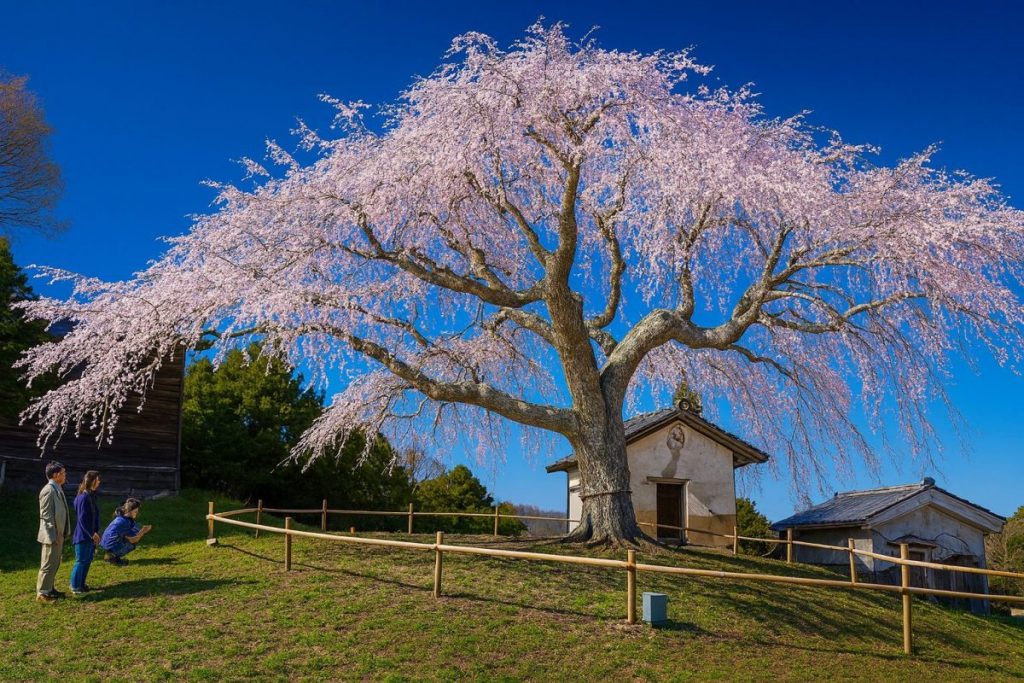
Nanbu Town is located in Sannohe District, Aomori Prefecture, Japan.Please note that there are also towns named Nanbu in Yamanashi Prefecture and Tottori Prefecture. Located in the central area of Sannohe District in southeastern Aomori Prefecture, Nanbu Town is a region where rich nature and centuries of history harmoniously coexist. Mount Nakui, rising 615 meters, stands as the symbol of the town, with the Mabuchi River flowing gently across its center. The area’s history dates back to the Nara period, and it later flourished as the birthplace of the Nanbu clan. Today, numerous historical sites related to the clan remain, including the Seijūji-kate Ruins and the mausoleums of Lords Toshinao and Toshiyasu. Agriculture—particularly fruit cultivation—is the backbone of the local economy. High-quality apples, cherries, grapes, edible chrysanthemums, and European pears are produced in abundance. The town is also known for its strong community bonds, the everyday use of the local Nanbu dialect, and the preservation of traditional performing arts such as the Nanbu Koma-odori. Surrounded by scenic rural landscapes and cultural heritage, Nanbu Town offers a unique blend of tradition, history, and natural beauty.
Culture & Traditions
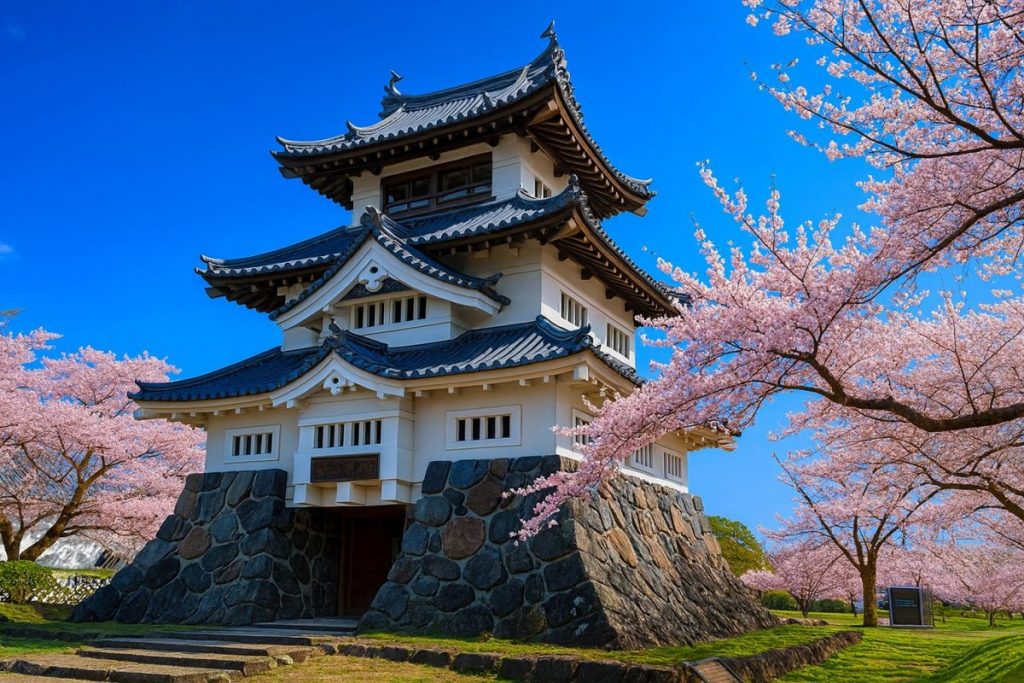
Nanbu Town has developed its distinct culture through a long history that stretches back to ancient times. With deep ties to the Nanbu clan, the area is home to several culturally significant properties, including the Seijūji-kate Ruins (the former Mito Castle), the mausoleum of Nanbu Toshiyasu, and the mausoleum of Nanbu Toshinao. Agriculture has shaped daily life for generations, and the town continues to thrive as one of Aomori’s major fruit-growing regions. In particular, the high-quality apples produced here are celebrated throughout Japan. The Nanbu dialect is still used in daily conversations, reflecting the town’s historical identity. Traditional performing arts and seasonal festivals—such as the Nanbu Koma-odori and the Nagawa Enburi—play a vital role in preserving local heritage. These events showcase the town’s spirit and strengthen ties among residents. With its blend of nature, history, and lively cultural traditions, Nanbu Town stands as a representative community of southern Aomori.
Local Specialties
- Nanbu Town Apples: Benefiting from ideal temperature differences between day and night, Nanbu Town produces apples with excellent sweetness and rich flavor. Popular varieties include Fuji, Jonagold, and Ōrin.
- Cherries: The Nagawa area is known for high-quality cherries. During early summer, the Nagawa Cherry Center becomes a lively hub where fresh, sweet Satonishiki cherries are sold.
- Edible Chrysanthemums (Abo-kyū): Bright yellow edible chrysanthemums are widely cultivated and commonly used in local dishes such as vinegared salads and side dishes.
- General Leclerc Pears: Nanbu Town is one of Japan’s most renowned production areas for this European pear variety, known for its elegant fragrance and smooth, sweet flesh.
- Nanbu Senbei: A traditional cracker from the Nanbu region. Its light texture and roasted aroma make it a beloved local snack that has been enjoyed for generations.
Annual Events
- Nagawa Enburi: A traditional winter performance praying for a good harvest. Colorful costumes and dynamic dances characterize this iconic local festival.
- Nanbu Koma-odori: A 250-year-old performing art featuring dances that mimic the movements of horses. It is designated as an intangible cultural property of Aomori Prefecture.
- Nanbu Summer Festival: The highlight of the summer season, filled with traditional dances, music, portable shrines, and festival stalls that energize the entire town.
- Nagawa Autumn Festival: A traditional celebration marking the harvest season, featuring floats, music, and community events.
- Cheririn Village Events: A variety of family-friendly activities and local product fairs are held throughout the year at this popular tourist facility.
Access
- By Train: The Aoimori Railway Line provides access via Mito Station, Suwanotaira Station, Kenyoshi Station, and Tomabechi Station. Bus services from Mito Station connect to various areas of the town.
- By Car: Access via the Hachinohe Expressway from Nangō IC or Ichinohe IC. National Routes 4 and 104 run through the town, ensuring smooth travel from other parts of Aomori and beyond.
- By Air: The nearest airport is Misawa Airport. From the airport, it takes approximately 40 minutes by car to reach Nanbu Town.
- By Rental Car: Rental offices are available at Misawa Airport, Hachinohe Station, and Mito Station, making sightseeing convenient.
Tourist Attractions
- Mount Nakui — A 615-meter mountain designated as a prefectural natural park. The summit offers one of the best panoramic views in southern Aomori.
- Seijūji-kate Ruins (Former Mito Castle) — A nationally designated historic site that once served as the main stronghold of the Nanbu clan.
- Hase Peony Garden — A vast garden featuring over 8,000 peony plants across 130 varieties. The bloom season attracts many visitors.
- Cheririn Village — A family-friendly recreational area offering playgrounds, activities, and local produce.
- Fuchichi Ice Arena — A full-scale ice rink that hosts national competitions and serves as a hub for local winter sports.
Related Links
List of Major Cities in Aomori Prefecture
-

Which Prefecture Is Kuroishi City In? [Answer] Aomori Prefecture | Complete Guide to Kuroishi City (Sightseeing, Culture, Local Products & Access)
-
Which Prefecture Is Aomori City In? [Answer] Aomori Prefecture | Complete Guide to Aomori City (Sightseeing, Culture, Local Products & Access)
-
Which Prefecture Is Hirakawa City In? [Answer] Aomori Prefecture | Complete Guide to Hirakawa City (Sightseeing, Culture, Local Products & Access)
-
Which Prefecture Is Towada City In? [Answer] Aomori Prefecture | Complete Guide to Towada City (Sightseeing, Culture, Local Products & Access)
-
Which Prefecture Is Hachinohe City In? [Answer] Aomori Prefecture | Complete Guide to Hachinohe City (Sightseeing, Culture, Local Products & Access)
-
Which Prefecture Is Mutsu City In? [Answer] Aomori Prefecture | Complete Guide to Mutsu City (Sightseeing, Culture, Local Products & Access)
-
Which Prefecture Is Hirosaki City In? [Answer] Aomori Prefecture | Complete Guide to Hirosaki City (Sightseeing, Culture, Local Products & Access)
-
Which Prefecture Is Goshogawara City In? [Answer] Aomori Prefecture | Complete Guide to Goshogawara City (Sightseeing, Culture, Local Products & Access)
-
Which Prefecture Is Misawa City In? [Answer] Aomori Prefecture | Complete Guide to Misawa City (Sightseeing, Culture, Local Products & Access)
-
Which Prefecture Is Tsugaru City In? [Answer] Aomori Prefecture | Complete Guide to Tsugaru City (Sightseeing, Culture, Local Products & Access)



Nambu Region List
-
Which Prefecture Is Hashikami Town In? [Answer] Aomori Prefecture | Complete Guide to Hashikami Town (Sightseeing, Culture, Local Products & Access)
-
Which Prefecture Is Takko Town In? [Answer] Aomori Prefecture | Complete Guide to Takko Town (Sightseeing, Culture, Local Products & Access)
-
Which Prefecture Is Nanbu Town In? [Answer] Aomori Prefecture | Complete Guide to Nanbu Town (Sightseeing, Culture, Local Products & Access)
-
Which Prefecture Is Hachinohe City In? [Answer] Aomori Prefecture | Complete Guide to Hachinohe City (Sightseeing, Culture, Local Products & Access)
-
Which Prefecture Is Shingo Village In? [Answer] Aomori Prefecture | Complete Guide to Shingo Village (Sightseeing, Culture, Local Products & Access)
-
Which Prefecture Is Gonohe Town In? [Answer] Aomori Prefecture | Complete Guide to Gonohe Town (Sightseeing, Culture, Local Products & Access)
-
Which Prefecture Is Sannohe Town In? [Answer] Aomori Prefecture | Complete Guide to Sannohe Town (Sightseeing, Culture, Local Products & Access)