| 人口 | 4,162 人 |
|---|---|
| 面積 | 52.09 km² |
| 人口密度 | 79.9 人/km² |
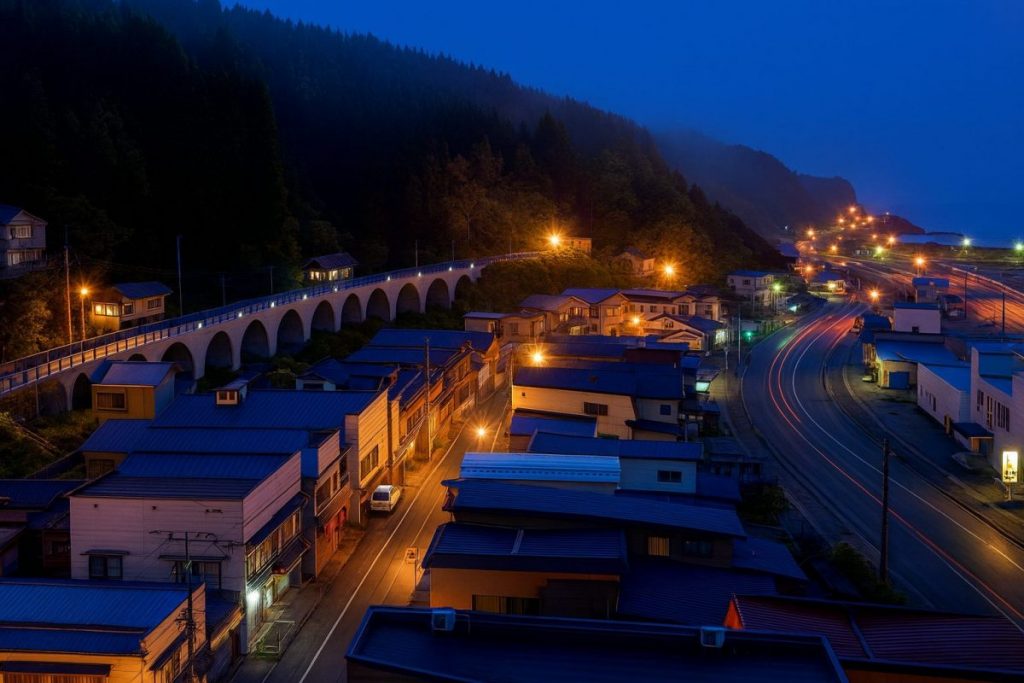
Located at the northernmost tip of Honshu, Ōma Town in Aomori Prefecture is home to Cape Ōmazaki, the northernmost point of Japan’s main island. Since the medieval period, the town prospered as a port of call for Kitamaebune trading ships, and in the Shōwa era, longline tuna fishing became the foundation of its modern fishing industry. Today, the name “Ōma Tuna” is widely recognized throughout Japan as a premium brand, highly valued in fish markets and high-end restaurants. The rugged coastal environment and harsh seasonal winds have shaped the lives of its residents, whose daily activities remain closely connected to the sea. The local dialect, known as Shimokita-ben, reflects the region’s distinct cultural identity, and during the summer months, the area becomes lively with visitors drawn to its dramatic ocean views, unique climate, and fresh seafood. Key attractions such as Cape Ōmazaki, the surrounding coastal landscapes, lighthouses, and hot springs highlight the town’s rich natural appeal, while traditional events continue to preserve the local cultural spirit. Ōma Town is loved for its harmonious blend of nature, history, and everyday fishing culture.
Culture & Traditions
Ōma Town has long developed as a cultural crossroads, influenced by its history as a port for Kitamaebune ships and its deep connection with the sea. Fishing remains the core industry today, with the traditional single-hook method for catching bluefin tuna symbolizing the town’s identity. The local dialect, part of the Shimokita regional speech, has a soft and unique sound, adding charm to local interactions. During the summer, the area around Cape Ōmazaki hosts various events that offer visitors a chance to experience the local lifestyle firsthand. The best-known event is the “Ōma Tuna Festival,” where visitors can watch tuna-cutting demonstrations, enjoy freshly caught seafood, and take part in local activities. During the Obon season, the “Toro-Nagashi” lantern-floating ritual is held to honor ancestors and pray for safety at sea, creating a breathtaking and spiritual spectacle. Winters in Ōma bring powerful seasonal winds rather than deep snow, reflecting the region’s tough climate, which has shaped the endurance and character of its people. Local cuisine features abundant seafood—particularly tuna, sea urchin, squid, and kelp—expressing the rich flavors of the northern seas.
Local Specialties
- Ōma Bluefin Tuna: The town’s signature specialty, caught using the traditional single-hook method. Its rich flavor and exceptional quality make it one of Japan’s most prized seafood products, famously fetching high prices at the Tokyo fish market.
- Sea Urchin: The fast currents and nutritious kelp beds around Ōma provide ideal conditions for producing sweet and flavorful sea urchin. It is especially popular during the summer peak season.
- Squid: Fresh squid from the Tsugaru Strait is known for its crisp texture and rich umami. It is commonly enjoyed as sashimi or dried squid, both staples of local cuisine.
- Kelp: Ōma’s rough coastal waters produce high-quality natural kelp, used widely for making broth and traditional dishes. It is one of the region’s essential marine resources.
Annual Events
- Ōma Tuna Festival (August): The town’s representative summer event featuring tuna-cutting shows, local seafood sales, and stage performances. It is the peak season for tourism in Ōma.
- Toro-Nagashi (Obon season): A traditional ceremony in which floating lanterns are set adrift on the sea to honor the deceased and pray for maritime safety, creating a magical nighttime scene.
- New Year Shrine Festival: Held at local shrines to pray for abundant catches and safety for the coming year. Traditional rituals have been preserved for generations.
Access
- Shinkansen: The nearest Shinkansen station is Shin-Aomori Station. From there, travelers can take buses toward Ōma, with transfers often required in Mutsu City.
- Airplane: From Aomori Airport, visitors can reach Ōma via rental car or bus, traveling through Mutsu City toward the northern tip of the peninsula.
- Car: A scenic drive from Aomori City via National Route 279 takes approximately three hours. The route offers sweeping views of the Shimokita coastline.
- Bus: Shimokita Kōtsū buses operate from Mutsu City to Ōmazaki, providing convenient access to the cape and port areas.
- Ferry: From Ōma Port, the Tsugaru Strait Ferry operates regular services to Hakodate, allowing travelers to cross between Honshu and Hokkaido in about 90 minutes.
Tourist Spots
- Cape Ōmazaki – The northernmost point of Japan’s main island, and the most iconic landmark in Ōma Town.
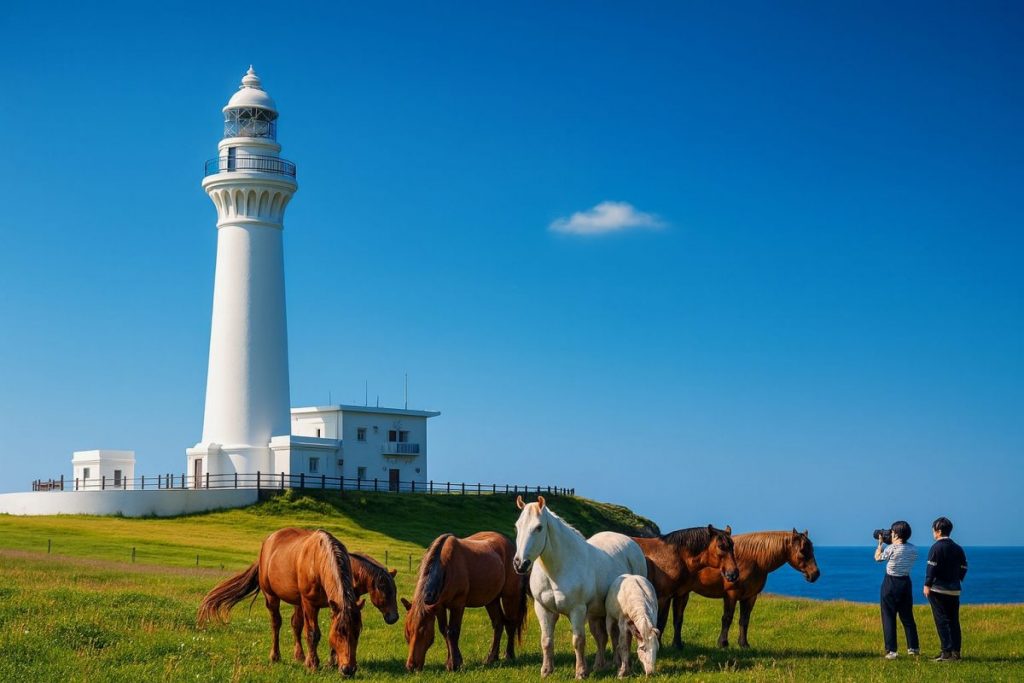
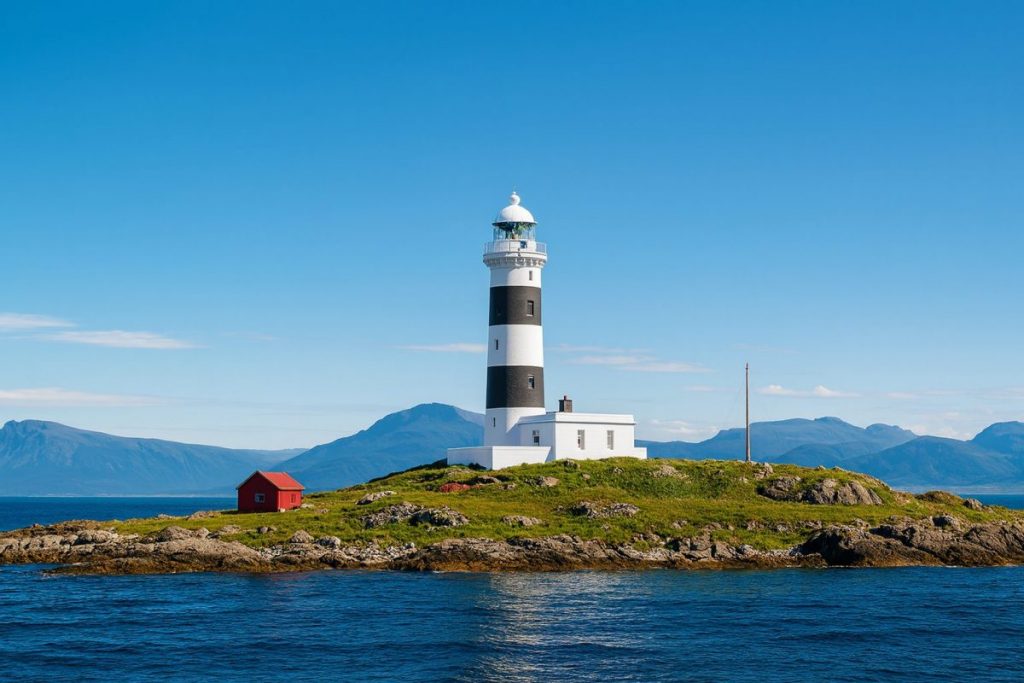
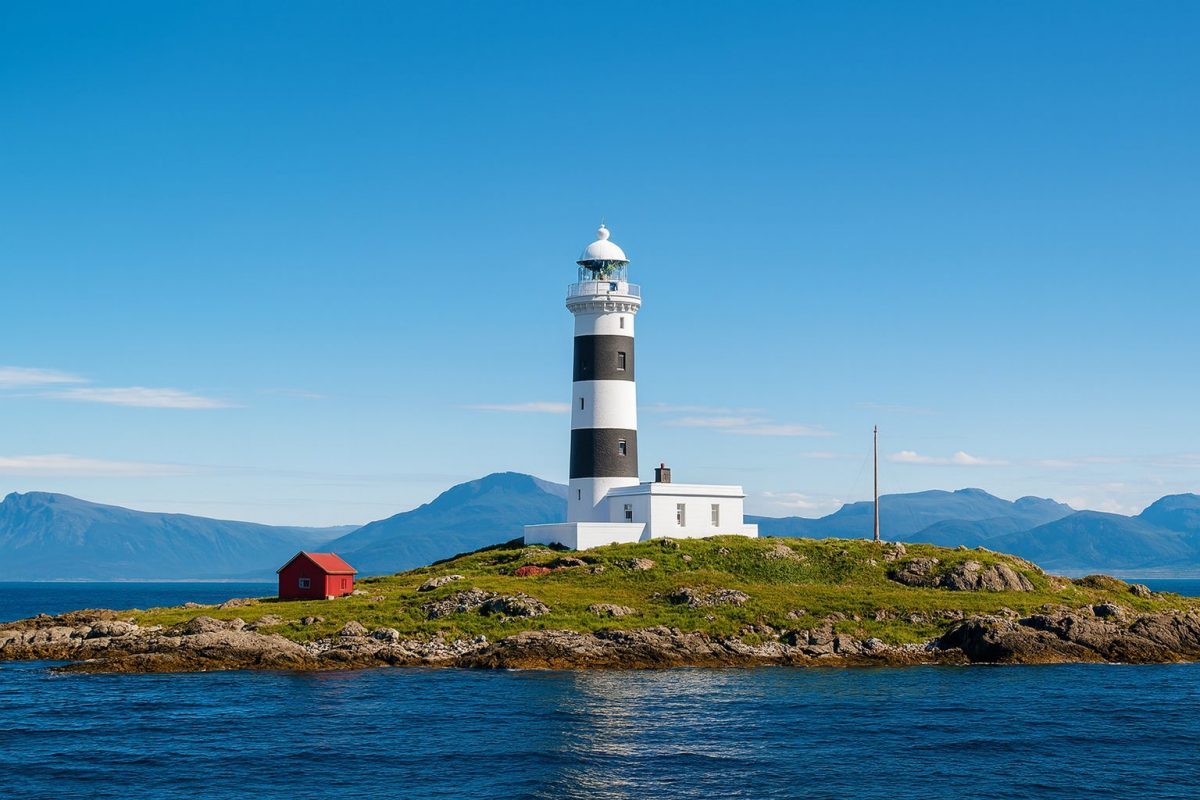
- Ōma Saki Lighthouse – Located on Benten Island, this lighthouse offers stunning views of the Tsugaru Strait and Hokkaido.
- Ōma Hot Spring – Known as the northernmost hot spring on Honshu, popular for relaxation among locals and visitors.
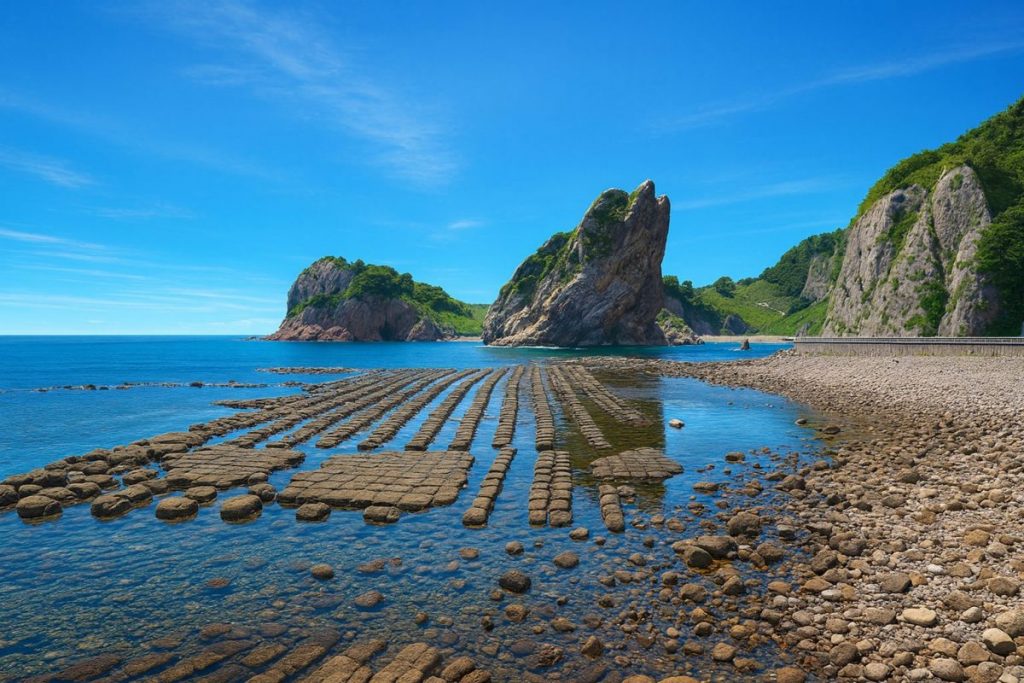
- Akaishi Coast – The northernmost swimming beach on Honshu, featuring crystal-clear water and striking coastal scenery.
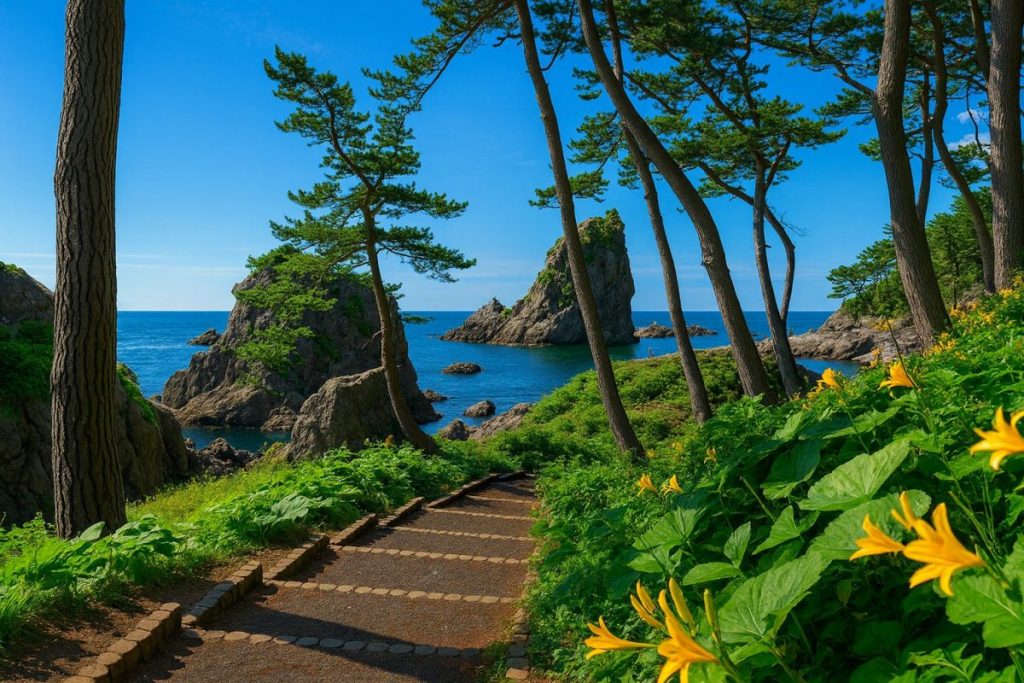
- Tsubanasaki – Famous for clusters of orange day lilies and dramatic cliffside landscapes.
Related Links
List of Major Cities in Aomori Prefecture
-

Which Prefecture Is Kuroishi City In? [Answer] Aomori Prefecture | Complete Guide to Kuroishi City (Sightseeing, Culture, Local Products & Access)
-
Which Prefecture Is Aomori City In? [Answer] Aomori Prefecture | Complete Guide to Aomori City (Sightseeing, Culture, Local Products & Access)
-
Which Prefecture Is Hirakawa City In? [Answer] Aomori Prefecture | Complete Guide to Hirakawa City (Sightseeing, Culture, Local Products & Access)
-
Which Prefecture Is Towada City In? [Answer] Aomori Prefecture | Complete Guide to Towada City (Sightseeing, Culture, Local Products & Access)
-
Which Prefecture Is Hachinohe City In? [Answer] Aomori Prefecture | Complete Guide to Hachinohe City (Sightseeing, Culture, Local Products & Access)
-
Which Prefecture Is Mutsu City In? [Answer] Aomori Prefecture | Complete Guide to Mutsu City (Sightseeing, Culture, Local Products & Access)
-
Which Prefecture Is Hirosaki City In? [Answer] Aomori Prefecture | Complete Guide to Hirosaki City (Sightseeing, Culture, Local Products & Access)
-
Which Prefecture Is Goshogawara City In? [Answer] Aomori Prefecture | Complete Guide to Goshogawara City (Sightseeing, Culture, Local Products & Access)
-
Which Prefecture Is Misawa City In? [Answer] Aomori Prefecture | Complete Guide to Misawa City (Sightseeing, Culture, Local Products & Access)
-
Which Prefecture Is Tsugaru City In? [Answer] Aomori Prefecture | Complete Guide to Tsugaru City (Sightseeing, Culture, Local Products & Access)
Shimokita Region List
-
Which Prefecture Is Kazamaura Village In? [Answer] Aomori Prefecture | Complete Guide to Kazamaura Village (Sightseeing, Culture, Local Products & Access)
-
Which Prefecture Is Higashidori Village In? [Answer] Aomori Prefecture | Complete Guide to Higashidori Village (Sightseeing, Culture, Local Products & Access)
-
Which Prefecture Is Oma Town In? [Answer] Aomori Prefecture | Complete Guide to Oma Town (Sightseeing, Culture, Local Products & Access)
-
Which Prefecture Is Mutsu City In? [Answer] Aomori Prefecture | Complete Guide to Mutsu City (Sightseeing, Culture, Local Products & Access)
-
Which Prefecture Is Sai Village In? [Answer] Aomori Prefecture | Complete Guide to Sai Village (Sightseeing, Culture, Local Products & Access)