| population | 9,015 peoples |
|---|---|
| area | 217.09 km² |
| population density | 41.5 peoples/km² |
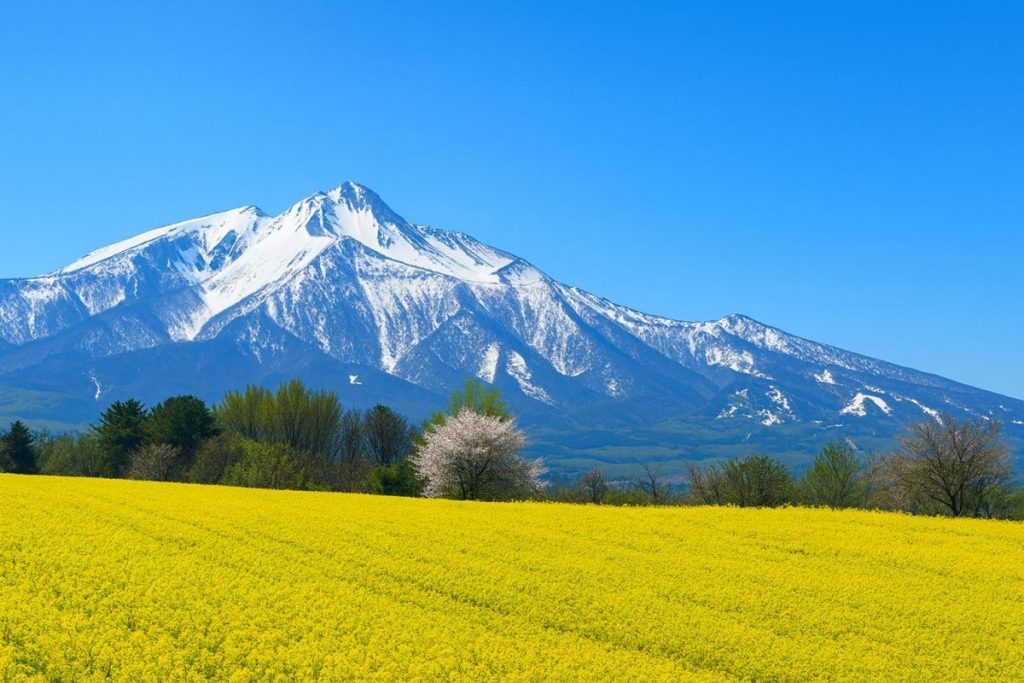
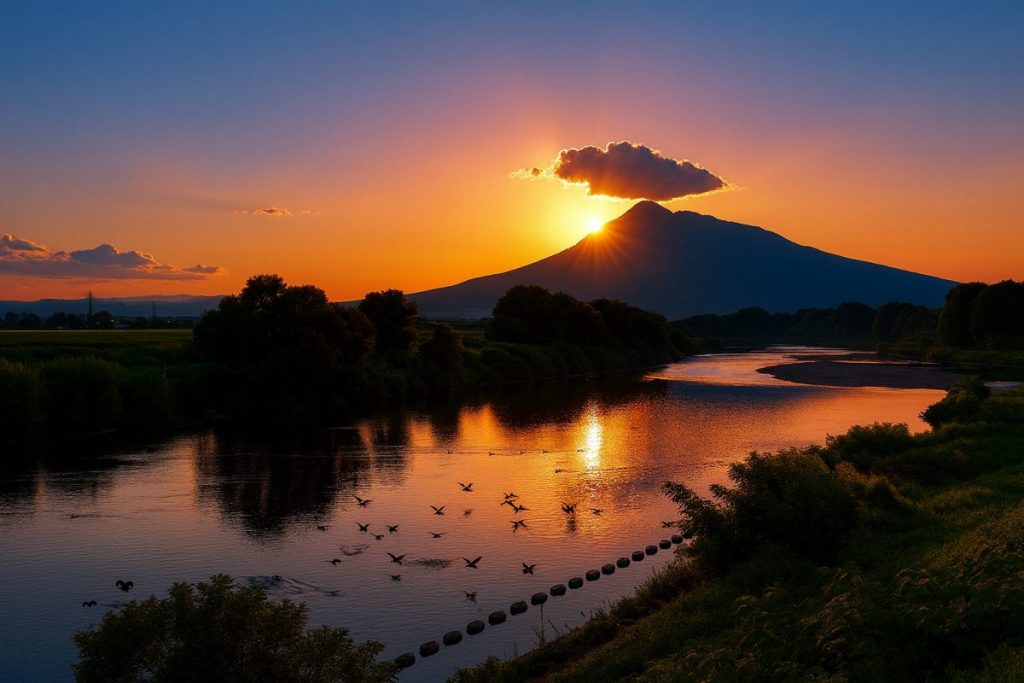
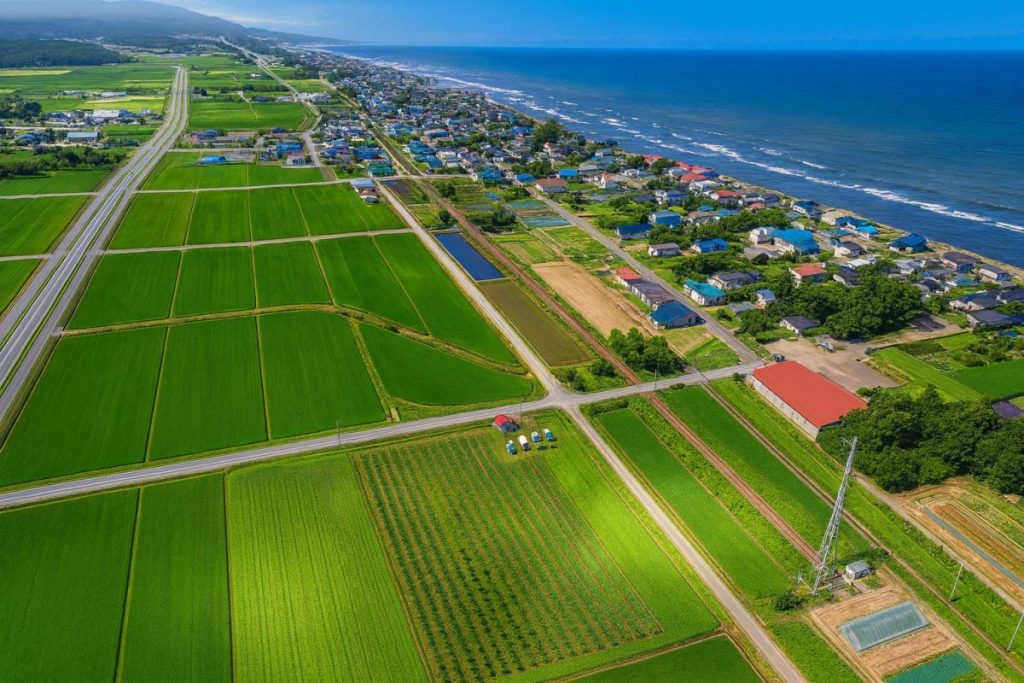
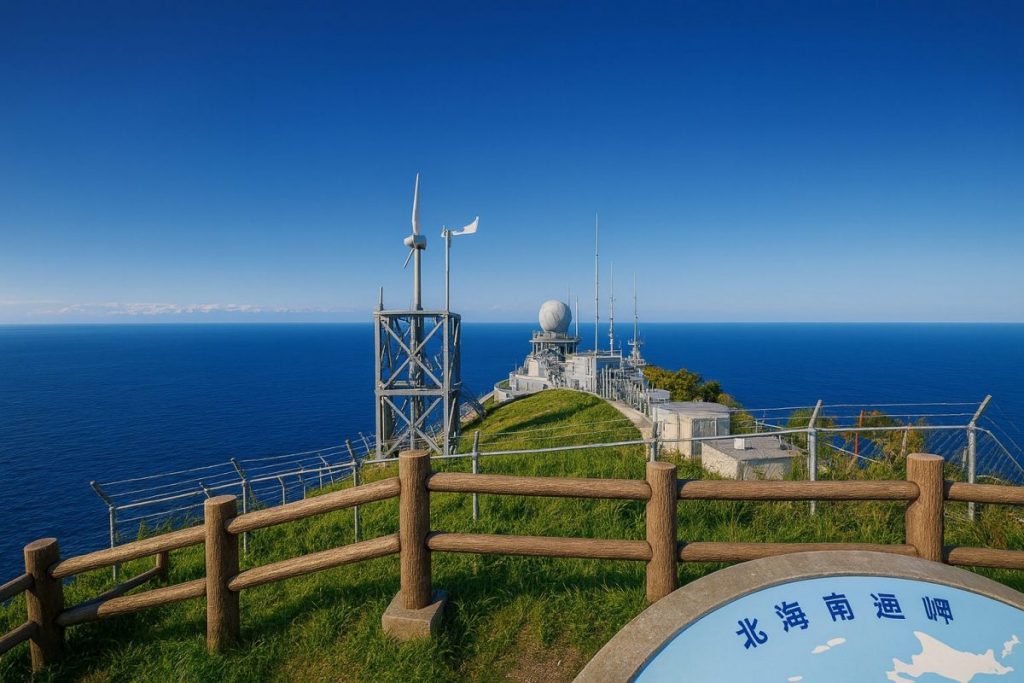
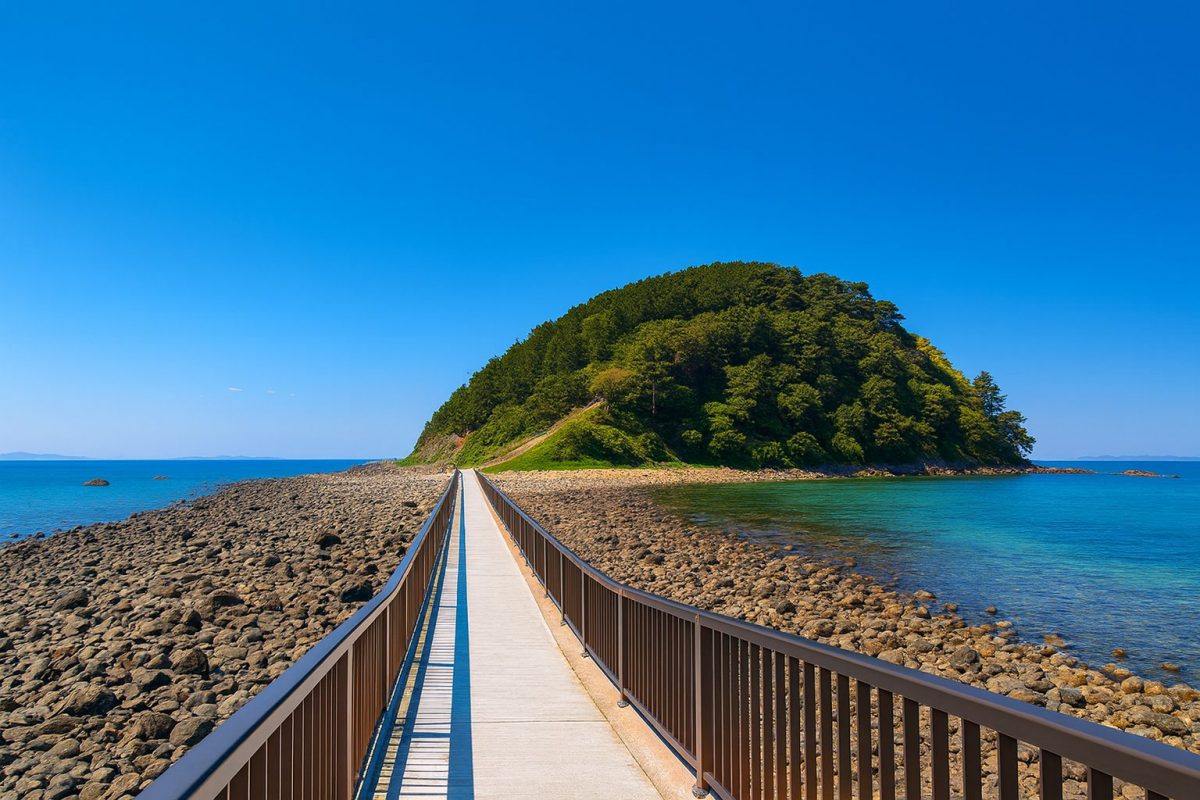
Hiranai Town, located on the Natsudomari Peninsula in Aomori Prefecture, has a history dating back to land development in the Nara period. The current municipality was formed through a merger in 1955 and has since grown as an important hub for land, rail, and marine transportation. The town’s primary industry is fisheries, especially the cultivation of scallops, for which Hiranai is known as one of the top producers in Japan. Surrounded by both mountains and sea, the region has naturally developed a food culture centered on fresh marine products, offering seasonal flavors throughout the year. A local variety of the Tsugaru dialect is widely spoken, reflecting the town’s strong cultural roots and sense of community. Natural attractions include Asadokoro Coast—famed as a migratory site for swans—and Yogoshiyama Ski Resort, making the town popular for outdoor recreation as well. Annual local events such as the “Swan Festival,” “Yogoshiyama Orchid Festival,” and “Camellia and Cactus Festival” celebrate the town’s seasonal beauty and traditions. With its harmony of nature, culture, and industry, Hiranai Town leaves visitors with a warm and vibrant impression.
Culture and Traditions
Located in northern Aomori Prefecture, Hiranai Town has built a lifestyle and culture shaped by the natural environment of the Natsudomari Peninsula. Fisheries have long been central to the local economy, with scallop farming being especially prominent—Hiranai’s scallop production ranks among the highest in Japan. This abundance of seafood has fostered a rich food culture, while apple cultivation also plays a role in the town’s agricultural identity. The Tsugaru dialect, characterized by its distinct intonation and vocabulary, is commonly spoken in daily life and contributes to the area’s cultural uniqueness. Throughout the year, the town hosts events such as the “Swan Festival,” the “Yogoshiyama Orchid Festival,” and the “Camellia and Cactus Festival,” each reflecting the region’s seasonal beauty and traditions. These events serve as important cultural touchpoints, strengthening community bonds and welcoming visitors who wish to experience the charm and heritage of Hiranai.
Local Specialties
- Farmed Scallops: Hiranai’s most representative specialty. The scallops raised in the coastal waters around Kominato and Asadokoro are known for their thick flesh and rich flavor. Fresh scallops shipped directly from local ports are prized throughout Japan.
- Apples: Apple cultivation thrives in the cool climate of the Tsugaru region. Varieties such as “Fuji” are widely grown and highly regarded for their balance of sweetness and acidity.
- Fresh Seafood: Besides scallops, the town’s ports bring in a wide range of seafood including squid, surf clams, and flounder. The cold currents of the region produce firm, high-quality fish and shellfish.
Annual Events
- Swan Festival (February): Held at Asadokoro Coast, a designated Special National Natural Monument for the migratory swans known as “Kominato Swans.” Activities include guided observation events and local food offerings.
- Yogoshiyama Orchid Festival (March): Hosted in the greenhouse at Yogoshiyama Forest Park, the festival features a wide array of orchids displayed and sold to visitors.
- Camellia and Cactus Festival (May): Featuring the natural camellia growth area at Tsubakiyama, along with exhibitions and sales of various cacti and ornamental plants.
- Hiranai Summer Festival (August 15–16): A large summer celebration with traditional music, dances, and food stalls that bring the community together.
- Scallop Festival (October): A food-focused event celebrating Hiranai’s signature product. Visitors can enjoy grilled scallops, scallop soup, and various processed products.
Access
- Shinkansen: From Tokyo, the Tohoku Shinkansen “Hayabusa” reaches Shin-Aomori Station in about 3 hours. From there, the Aoimori Railway provides access to stations in Hiranai (Karibasawa, Shimizugawa, Kominato, and Nishi-Hiranai).
- Airplane: Flights from Tokyo to Aomori Airport take about 1 hour and 30 minutes. Buses and taxis connect the airport to Hiranai via Aomori City.
- Bus: Shimokita Kotsu operates the “Mutsu–Aomori Line,” which passes through the town and connects it with major regional centers.
- Car: About 30 minutes from Aomori City via National Route 4. From the Tohoku Expressway (Aomori IC), the town can be reached in roughly 40 minutes via Route 7 and Route 4.
- Ferry: From Hokkaido, travelers can use the Seikan ferry services to Aomori Port. From the port, Route 4 leads directly to Hiranai.
Tourist Attractions
- Asadokoro Coast (Swan Habitat) – A nationally designated Special Natural Monument famous for the winter migration of swans.
- Yogoshiyama Forest Park – A comprehensive nature park featuring walking trails, an orchid greenhouse, and the Yogoshiyama Ski Resort in winter.
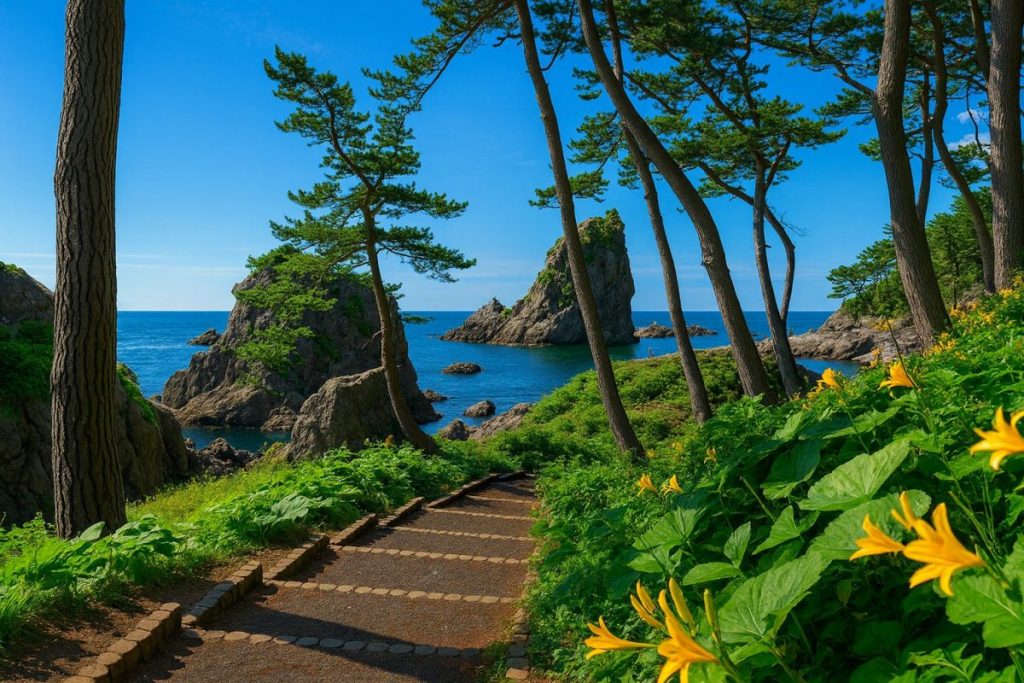
- Tsubakiyama Coast (One of Japan’s 100 Best Shores) – Known as the northernmost natural camellia habitat, with beautiful coastal scenery and walking paths.
- Hiranai Town Historical and Folk Museum – A museum displaying artifacts and materials related to the town’s culture, daily life, and history.
- Hansakaizuka (Historic Boundary Marker) – A designated prefectural historic site marking the boundary between the former Nanbu and Tsugaru domains.
Related Links
List of Major Cities in Aomori Prefecture
-

Which Prefecture Is Kuroishi City In? [Answer] Aomori Prefecture | Complete Guide to Kuroishi City (Sightseeing, Culture, Local Products & Access)
-
Which Prefecture Is Aomori City In? [Answer] Aomori Prefecture | Complete Guide to Aomori City (Sightseeing, Culture, Local Products & Access)
-
Which Prefecture Is Hirakawa City In? [Answer] Aomori Prefecture | Complete Guide to Hirakawa City (Sightseeing, Culture, Local Products & Access)
-
Which Prefecture Is Towada City In? [Answer] Aomori Prefecture | Complete Guide to Towada City (Sightseeing, Culture, Local Products & Access)
-
Which Prefecture Is Hachinohe City In? [Answer] Aomori Prefecture | Complete Guide to Hachinohe City (Sightseeing, Culture, Local Products & Access)
-
Which Prefecture Is Mutsu City In? [Answer] Aomori Prefecture | Complete Guide to Mutsu City (Sightseeing, Culture, Local Products & Access)
-
Which Prefecture Is Hirosaki City In? [Answer] Aomori Prefecture | Complete Guide to Hirosaki City (Sightseeing, Culture, Local Products & Access)
-
Which Prefecture Is Goshogawara City In? [Answer] Aomori Prefecture | Complete Guide to Goshogawara City (Sightseeing, Culture, Local Products & Access)
-
Which Prefecture Is Misawa City In? [Answer] Aomori Prefecture | Complete Guide to Misawa City (Sightseeing, Culture, Local Products & Access)
-
Which Prefecture Is Tsugaru City In? [Answer] Aomori Prefecture | Complete Guide to Tsugaru City (Sightseeing, Culture, Local Products & Access)
Tsugaru Region List
-
Which Prefecture Is Kuroishi City In? [Answer] Aomori Prefecture | Complete Guide to Kuroishi City (Sightseeing, Culture, Local Products & Access)
-
Which Prefecture Is Tsuruta Town In? [Answer] Aomori Prefecture | Complete Guide to Tsuruta Town (Sightseeing, Culture, Local Products & Access)
-
Which Prefecture Is Ajigasawa Town In? [Answer] Aomori Prefecture | Complete Guide to Ajigasawa Town (Sightseeing, Culture, Local Products & Access)
-
Which Prefecture Is Aomori City In? [Answer] Aomori Prefecture | Complete Guide to Aomori City (Sightseeing, Culture, Local Products & Access)
-
Which Prefecture Is Nishimeya Village In? [Answer] Aomori Prefecture | Complete Guide to Nishimeya Village (Sightseeing, Culture, Local Products & Access)
-
Which Prefecture Is Fujisaki Town In? [Answer] Aomori Prefecture | Complete Guide to Fujisaki Town (Sightseeing, Culture, Local Products & Access)
-
Which Prefecture Is Yomogita Village In? [Answer] Aomori Prefecture | Complete Guide to Yomogita Village (Sightseeing, Culture, Local Products & Access)
-
Which Prefecture Is Inakadate Village In? [Answer] Aomori Prefecture | Complete Guide to Inakadate Village (Sightseeing, Culture, Local Products & Access)
-
Which Prefecture Is Fukaura Town In? [Answer] Aomori Prefecture | Complete Guide to Fukaura Town (Sightseeing, Culture, Local Products & Access)
-
Which Prefecture Is Itayanagi Town In? [Answer] Aomori Prefecture | Complete Guide to Itayanagi Town (Sightseeing, Culture, Local Products & Access)
-
Which Prefecture Is Hirakawa City In? [Answer] Aomori Prefecture | Complete Guide to Hirakawa City (Sightseeing, Culture, Local Products & Access)
-
Which Prefecture Is Hiranai Town In? [Answer] Aomori Prefecture | Complete Guide to Hiranai Town (Sightseeing, Culture, Local Products & Access)
-
Which Prefecture Is Owani Town In? [Answer] Aomori Prefecture | Complete Guide to Owani Town (Sightseeing, Culture, Local Products & Access)
-
Which Prefecture Is Sotogahama Town In? [Answer] Aomori Prefecture | Complete Guide to Sotogahama Town (Sightseeing, Culture, Local Products & Access)
-
Which Prefecture Is Hirosaki City In? [Answer] Aomori Prefecture | Complete Guide to Hirosaki City (Sightseeing, Culture, Local Products & Access)