| population | 5,187 peoples |
|---|---|
| area | 295.32 km² |
| population density | 17.6 peoples/km² |
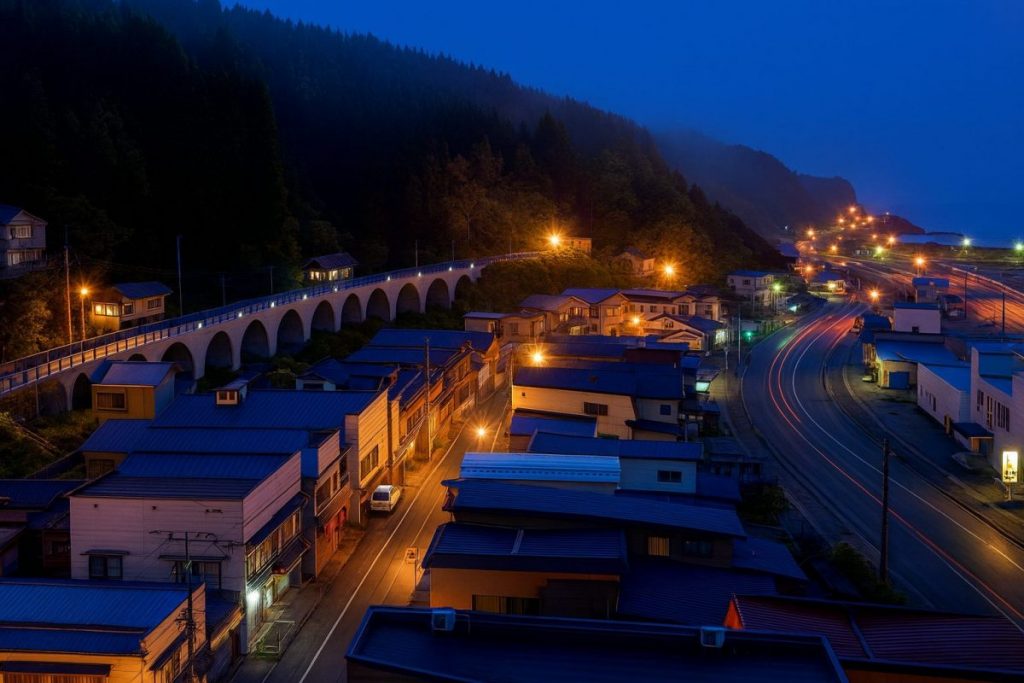
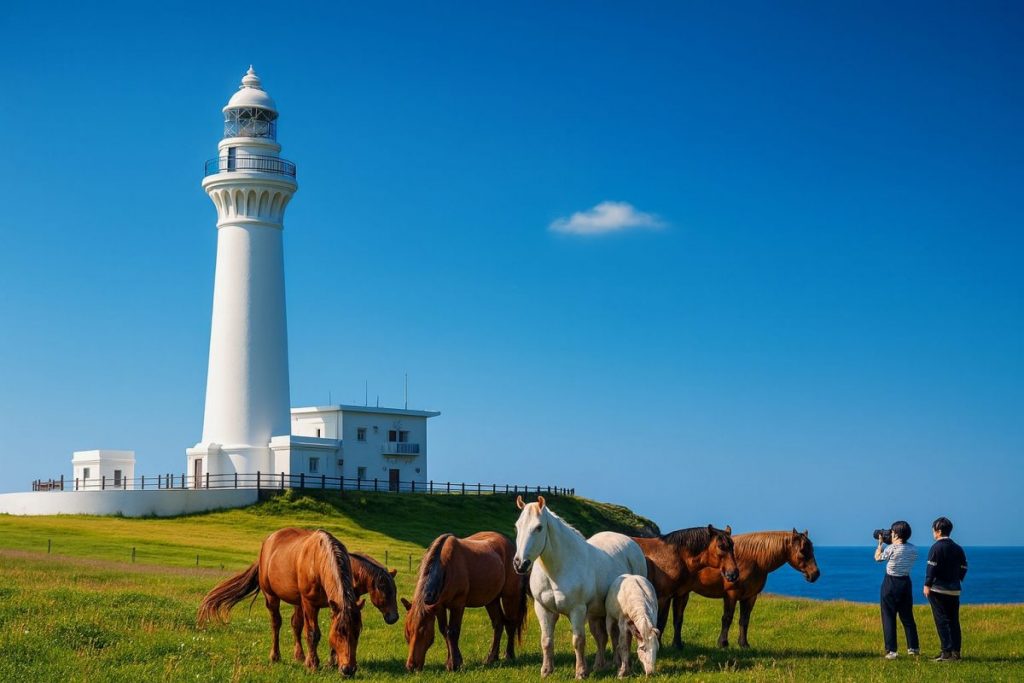
Located in the northeastern part of the Shimokita Peninsula in Aomori Prefecture, Higashidōri Village is a region blessed with rich natural landscapes and a long history. Established in 1889 through the municipal system reforms, the village has never undergone a merger and continues to exist independently to this day. The Shimokita Hills run north–south through the center of the village, while the northernmost point is marked by Cape Shiriya, the easternmost tip of Honshu. The area around the cape is home to the iconic “Kandachime” horses, known for enduring the harsh cold climate, and their presence has become a symbolic part of Higashidōri’s scenery. The village also features the expansive Sarugamori Sand Dunes and numerous lakes and marshes that form a unique natural environment of scientific value. Residents live in harmony with this natural setting, supported by industries such as fishing, agriculture, and energy-related facilities. Community ties remain strong, and traditional customs and seasonal events continue to be an important part of village life. Higashidōri is a region where culture shaped by its natural environment thrives, making it one of the most distinctive areas of the Shimokita Peninsula.
Culture & Traditions
Higashidōri Village retains many traditional cultural elements passed down through generations. The local dialect belongs to the Shimokita dialect group and contributes to the area’s unique cultural identity. Various festivals are held throughout the year, especially shrine festivals during the summer, which feature portable shrines, drums, and long-standing rituals. In winter, traditional events celebrating the New Year and praying for good health are observed in different districts. Many customs are closely tied to the village’s industries—for example, the agricultural calendar defines seasonal gatherings, and fishing communities maintain traditional practices that have supported livelihoods for centuries. In recent years, the village’s strawberry cultivation—particularly during off-season months—has gained attention and become a new regional specialty. While the village’s traditions are modest, they reflect a lifestyle deeply connected to nature, and the strong communal atmosphere continues to define life in Higashidōri.
Local Specialties
- Strawberries (off-season cultivation): Higashidōri’s winter-to-spring strawberries are grown during off-season periods, producing fruit known for its sweetness and strong aroma.
- Seafood (scallops, wakame, kelp, and more): Facing both the Pacific Ocean and Tsugaru Strait, the village boasts fresh seafood, especially scallops landed at local ports.
- Beans and agricultural products: The fertile land produces high-quality beans and root vegetables, which serve as important ingredients for local processed foods.
- Dairy and livestock products: Although on a smaller scale, livestock farming exists in the village, producing quality dairy and livestock products appreciated by residents.
Annual Events
- Local Shrine Festivals (various districts): Summer festivals feature portable shrines, traditional performances, and local rituals that strengthen community bonds.
- Kandachime-related events (Cape Shiriya area): Seasonal events related to the grazing of Kandachime horses attract many visitors, especially during the grazing season.
- Little New Year Traditions: New Year customs include fire rituals and traditional foods meant to ensure good health for the coming year.
- Local Product Markets (irregular schedule): Markets showcasing agricultural and marine products promote the region’s specialties.
Access
- Shinkansen: From Tokyo, the Tohoku Shinkansen “Hayabusa” reaches Shin-Aomori Station in about three hours. Renting a car from Shin-Aomori is the most convenient option.
- Air travel: From Haneda Airport to Aomori Airport takes about 1 hour 20 minutes, followed by a two-hour car ride to the village.
- Bus: Shimokita Kōtsū operates the “Tomari Line,” which connects the village with Mutsu City and the Tomari area of Rokkasho Village.
- Car: From Aomori City, it takes approximately two hours using National Routes 4 and 279. Within the Shimokita Peninsula, traveling by car is essential.
Tourist Attractions
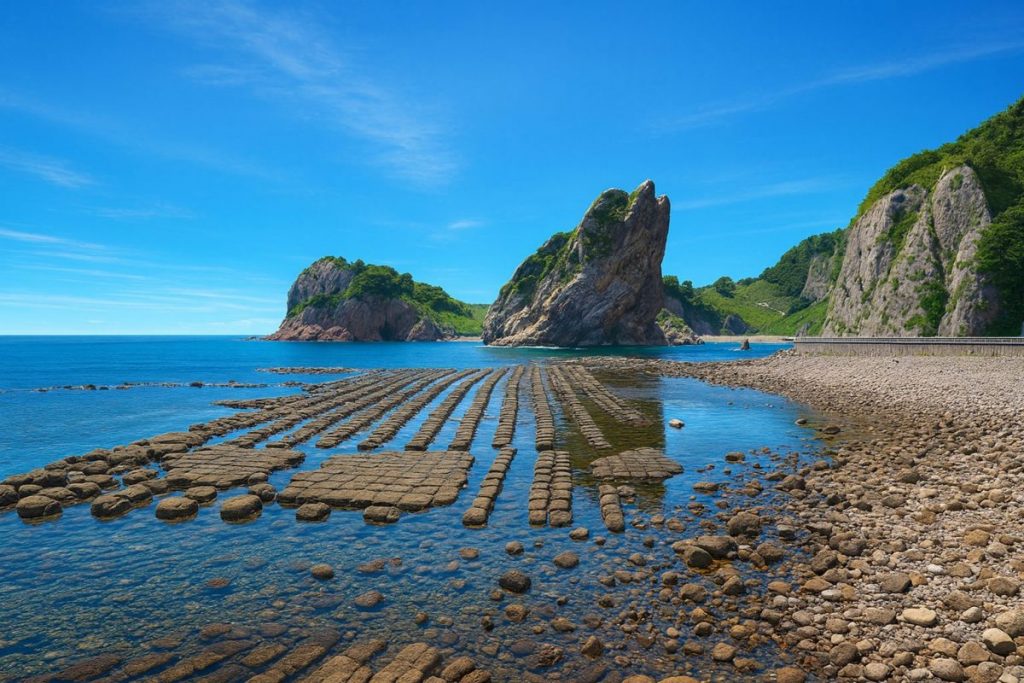
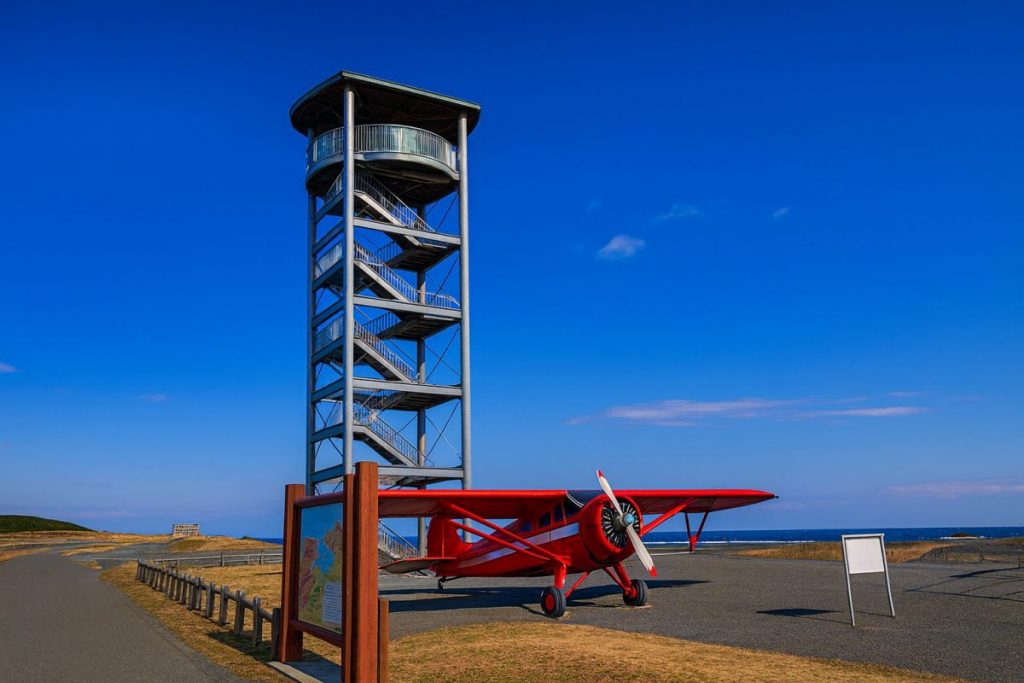
- Cape Shiriya – The northeasternmost cape of Honshu, known for its dramatic coastal scenery and grazing Kandachime horses.
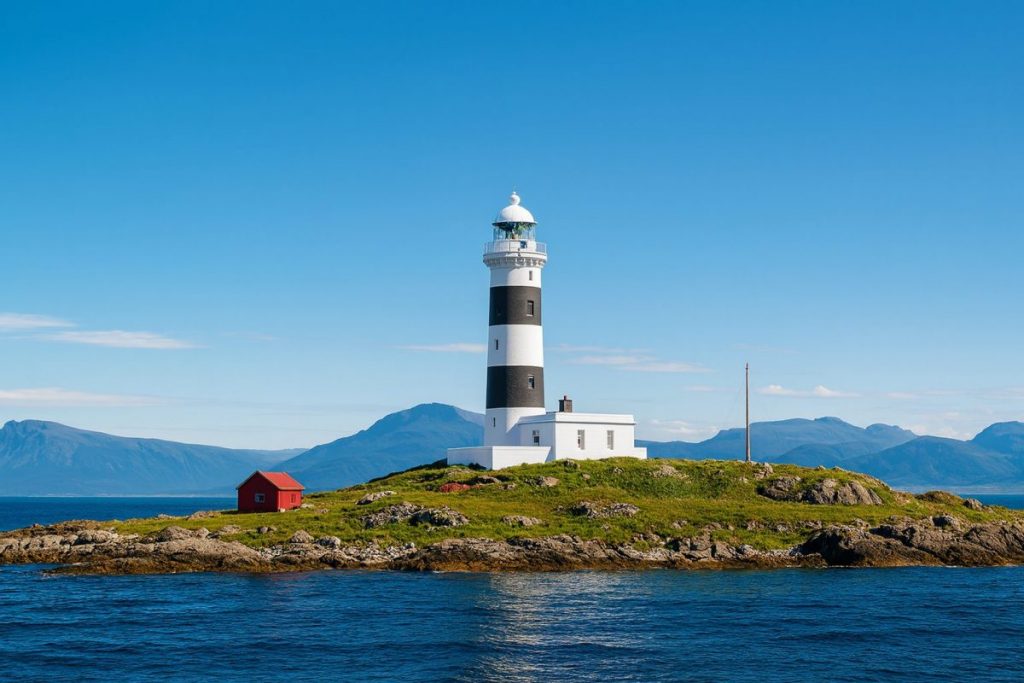
- Shiriya Lighthouse – A white lighthouse with one of the strongest light intensities in Japan (530,000 candela). Registered as a National Tangible Cultural Property.
- Sarugamori Sand Dunes – One of Japan’s largest sand dune systems. Although most areas are restricted for Maritime Self-Defense Force training, the dunes hold significant ecological value.
- Lake Sakyo – A lake where marimo (globular algae), designated a natural monument, naturally occurs. Known for its serene and mysterious atmosphere.
- Hamashiriya Shell Mound – A medieval shell mound featuring abalone shells as its main component. Designated as a National Historic Site.
Related Links
List of Major Cities in Aomori Prefecture
-

Which Prefecture Is Kuroishi City In? [Answer] Aomori Prefecture | Complete Guide to Kuroishi City (Sightseeing, Culture, Local Products & Access)
-
Which Prefecture Is Aomori City In? [Answer] Aomori Prefecture | Complete Guide to Aomori City (Sightseeing, Culture, Local Products & Access)
-
Which Prefecture Is Hirakawa City In? [Answer] Aomori Prefecture | Complete Guide to Hirakawa City (Sightseeing, Culture, Local Products & Access)
-
Which Prefecture Is Towada City In? [Answer] Aomori Prefecture | Complete Guide to Towada City (Sightseeing, Culture, Local Products & Access)
-
Which Prefecture Is Hachinohe City In? [Answer] Aomori Prefecture | Complete Guide to Hachinohe City (Sightseeing, Culture, Local Products & Access)
-
Which Prefecture Is Mutsu City In? [Answer] Aomori Prefecture | Complete Guide to Mutsu City (Sightseeing, Culture, Local Products & Access)
-
Which Prefecture Is Hirosaki City In? [Answer] Aomori Prefecture | Complete Guide to Hirosaki City (Sightseeing, Culture, Local Products & Access)
-
Which Prefecture Is Goshogawara City In? [Answer] Aomori Prefecture | Complete Guide to Goshogawara City (Sightseeing, Culture, Local Products & Access)
-
Which Prefecture Is Misawa City In? [Answer] Aomori Prefecture | Complete Guide to Misawa City (Sightseeing, Culture, Local Products & Access)
-
Which Prefecture Is Tsugaru City In? [Answer] Aomori Prefecture | Complete Guide to Tsugaru City (Sightseeing, Culture, Local Products & Access)
Shimokita Region List
-
Which Prefecture Is Kazamaura Village In? [Answer] Aomori Prefecture | Complete Guide to Kazamaura Village (Sightseeing, Culture, Local Products & Access)
-
Which Prefecture Is Higashidori Village In? [Answer] Aomori Prefecture | Complete Guide to Higashidori Village (Sightseeing, Culture, Local Products & Access)
-
Which Prefecture Is Oma Town In? [Answer] Aomori Prefecture | Complete Guide to Oma Town (Sightseeing, Culture, Local Products & Access)
-
Which Prefecture Is Mutsu City In? [Answer] Aomori Prefecture | Complete Guide to Mutsu City (Sightseeing, Culture, Local Products & Access)
-
Which Prefecture Is Sai Village In? [Answer] Aomori Prefecture | Complete Guide to Sai Village (Sightseeing, Culture, Local Products & Access)