| population | 3,809 peoples |
|---|---|
| area | 126.38 km² |
| population density | 30.1 peoples/km² |
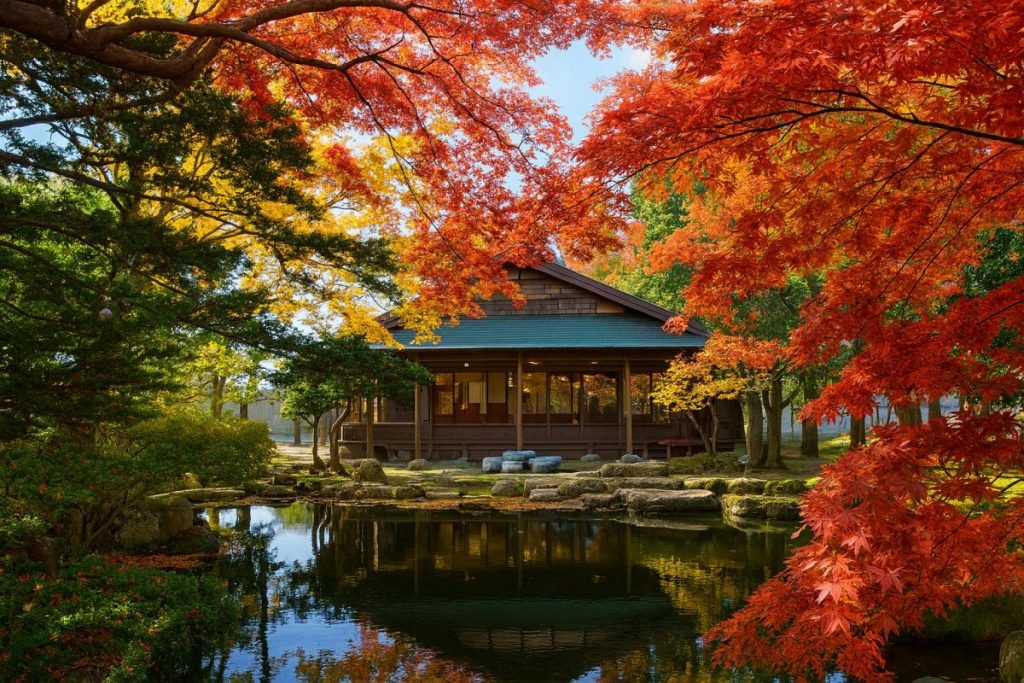
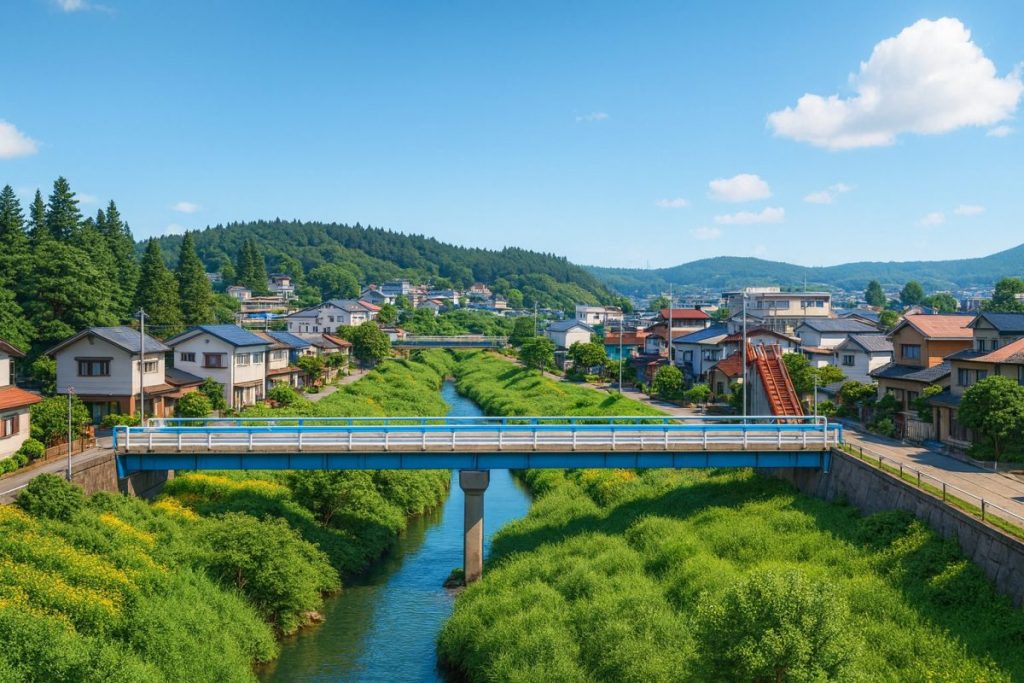
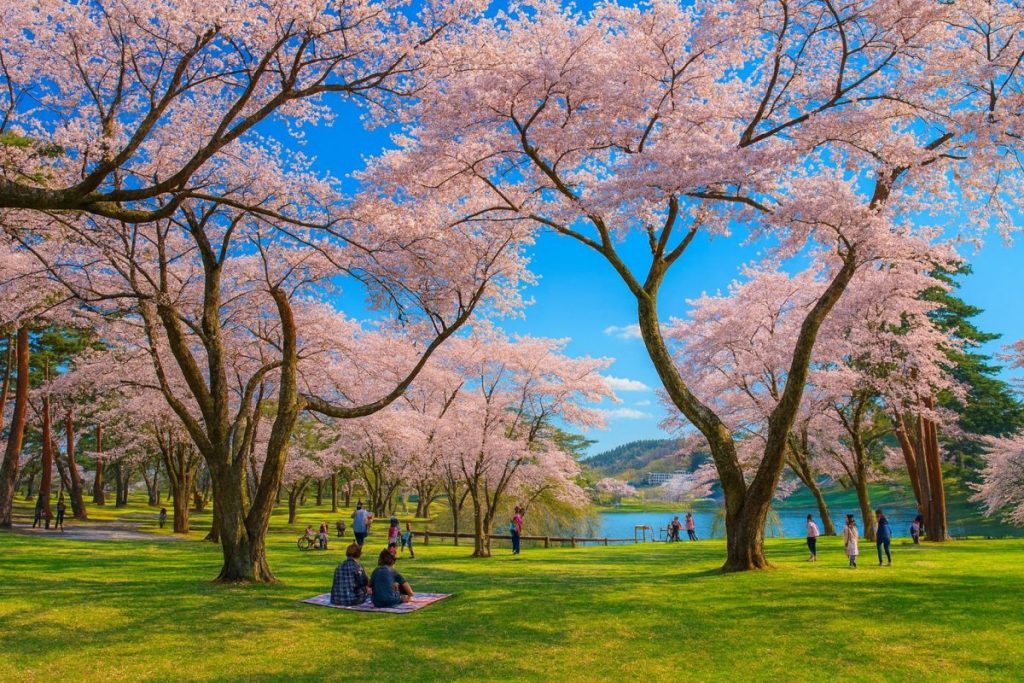
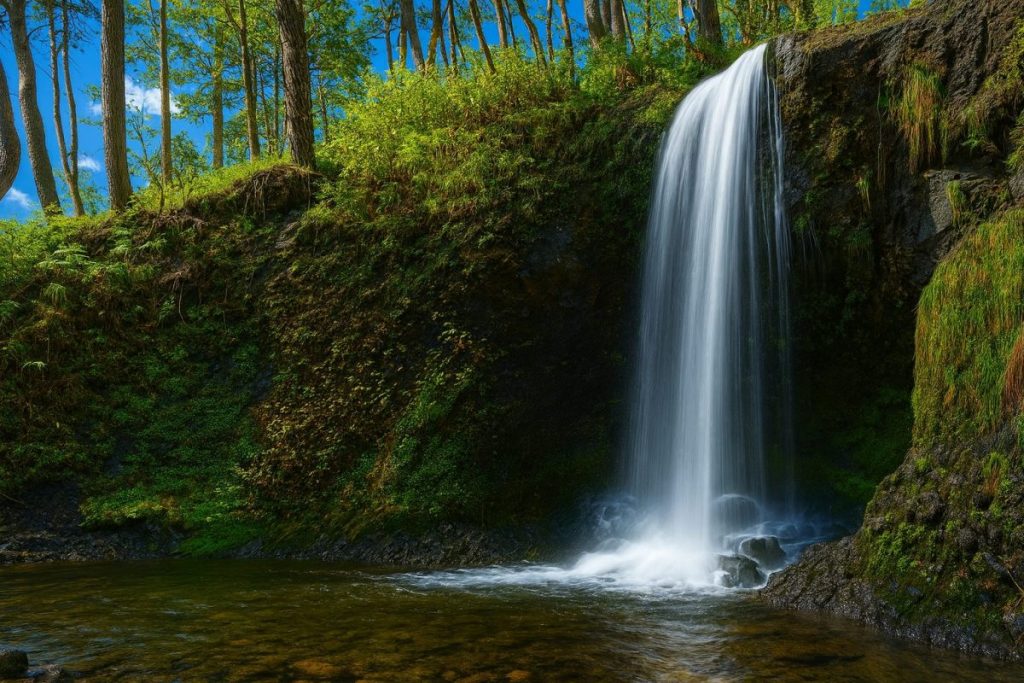
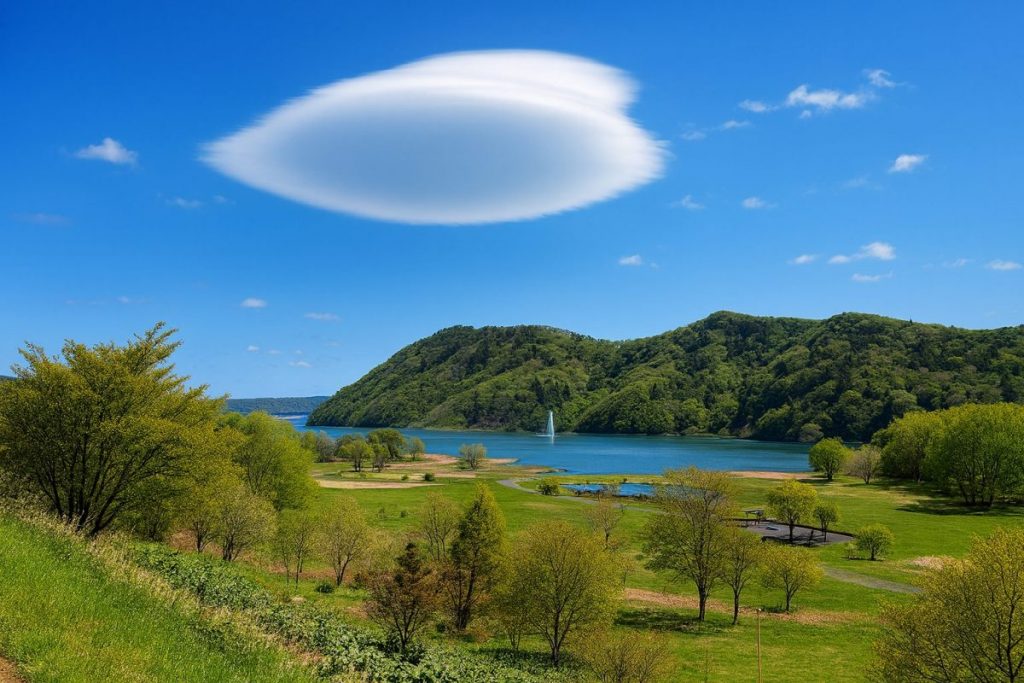
Located in the central part of the Shimokita Peninsula and facing Mutsu Bay, Yokohama Town in Aomori Prefecture has a long history dating back to the Nara period. During the Edo era, the area prospered as part of the Nanbu Domain, known for its trade in natural hinoki cypress and marine products. In modern times, the town has become widely recognized for its expansive fields of blooming rapeseed flowers, as well as for its agriculture centered on rapeseed and potatoes, and its rich fishing industry including sea cucumbers and scallops. The vast yellow rapeseed fields in spring are a symbolic landscape of the town, attracting many visitors. The local culture includes elements of the Tsugaru dialect, and traditional customs continue to be passed down through generations. Bon Odori dances in summer and annual festivals strengthen community ties. Yokohama Town is also home to historical sites such as Hinoki Hachiman Shrine, which preserves a legend of Minamoto no Yoshiie, and the northernmost habitat of the Genji firefly, designated as a natural monument of Aomori Prefecture. Blending nature, history, and tradition, Yokohama Town offers a warm and peaceful lifestyle that follows the rhythms of the seasons.
Culture & Traditions
Yokohama Town’s culture is deeply rooted in its long history of settlement and its heritage under the Nanbu clan. One of the town’s most significant cultural sites is Hinoki Hachiman Shrine, where a legend tells of Minamoto no Yoshiie calming a storm by shooting arrows at the waves. The shrine enshrines lightweight volcanic stones washed ashore, and it continues to serve as an important spiritual site. The shrine also preserves traditional performing arts such as Noh dance, Shishimai (lion dance), and Kagura, all of which are designated as intangible folk cultural properties of Aomori Prefecture. In spring, the town is blanketed in yellow as rapeseed flowers reach full bloom, reflecting the town’s long-standing agricultural culture. Local cuisine features fresh seafood such as sea cucumbers and scallops, as well as vegetables grown in the fertile land. Seasonal customs, Bon Odori dances, and local festivals play an important role in maintaining strong community bonds. These traditions, combined with the town’s nature-rich environment, form the unique cultural identity of Yokohama Town.
Local Specialties
- Rapeseed & “O-Natane Oil”: Yokohama Town is one of Japan’s leading producers of rapeseed. The award-winning “O-Natane Oil,” produced using organic cultivation and solvent-free pressing, is known for its smooth flavor and high quality.
- Yokohama Sea Cucumbers (Regional Collective Trademark): Known for their soft texture and superior quality, Yokohama sea cucumbers are designated as the town’s official fish and are used in various dishes such as sashimi, vinegar dishes, and marinades.
- Scallops (Aquaculture): Facing Mutsu Bay, Yokohama Town has a thriving scallop aquaculture industry. The “ear-hanging” cultivation method results in large, flavorful scallops.
- Kemame (Hairy Edamame): A locally branded variety of edamame with tiny brown hairs on the pods. Varieties like “Aomori Toyomaru” and “Aomori Fukumaru” are known for their rich sweetness and aroma.
- “Horoyoi Pork”: A premium pork brand raised using feed mixed with sake lees, resulting in tender meat with a deep, savory flavor. It has received awards for its excellence.
Annual Events
- Nanohana (Rapeseed) Festival: The town’s largest event held in May, celebrating the blooming rapeseed fields with food, live performances, and outdoor activities.
- Yokohama Summer Festival & Fireworks: Held every August 14, featuring daytime events at Mihono Park and a nighttime fireworks display of approximately 2,000 shots over Yokohama Fishing Port.
- Firefly & Spring Water Festival: Hosted in the Fukikoshi area, home to the northernmost habitat of the Genji firefly. Visitors can enjoy a mystical firefly viewing experience in early July.
- Sunahama Beach Festival: Held at Sunahama Coast Beach, with unique events such as treasure hunts and “human horse-dragging” competitions.
Access
- Train: The town’s main station is Mutsu-Yokohama Station (JR Ōminato Line), accessible from Aomori or Noheji.
- Bus: Shimokita Kōtsū buses connect Yokohama Town with Mutsu, Aomori, and Noheji.
- Car: National Route 279 serves as the town’s main roadway, offering convenient access from Mutsu and Noheji.
- Air: From Aomori Airport, visitors can reach the town via rental car or by transferring to trains and buses.
- Highway Bus: The “Shimokita-go” bus by Kokusai Kōgyō operates from Yokohama Town to Tokyo (Omiya & Shinjuku) on specific days.
Tourist Attractions
- Rapeseed Flower Fields – One of Japan’s largest rapeseed cultivation areas, offering breathtaking yellow landscapes in May.
- Michi-no-Eki Yokohama (Nanohana Plaza) – A roadside station featuring local products, a restaurant, and tourist information.
- Sunahama Coast Beach – A popular summer beach with swimming areas and rentable cottages.
- Hinoki Hachiman Shrine (Light-Stone Hachiman Shrine) – A historic shrine with the legend of Minamoto no Yoshiie and traditional performing arts.
- Yokohama Firefly Village – Known as the northernmost habitat of the Genji firefly, offering a magical night experience in July.
- Mihono Park – A recreation area with sports facilities and event spaces.
Related Links
List of Major Cities in Aomori Prefecture
-

Which Prefecture Is Kuroishi City In? [Answer] Aomori Prefecture | Complete Guide to Kuroishi City (Sightseeing, Culture, Local Products & Access)
-
Which Prefecture Is Aomori City In? [Answer] Aomori Prefecture | Complete Guide to Aomori City (Sightseeing, Culture, Local Products & Access)
-
Which Prefecture Is Hirakawa City In? [Answer] Aomori Prefecture | Complete Guide to Hirakawa City (Sightseeing, Culture, Local Products & Access)
-
Which Prefecture Is Towada City In? [Answer] Aomori Prefecture | Complete Guide to Towada City (Sightseeing, Culture, Local Products & Access)
-
Which Prefecture Is Hachinohe City In? [Answer] Aomori Prefecture | Complete Guide to Hachinohe City (Sightseeing, Culture, Local Products & Access)
-
Which Prefecture Is Mutsu City In? [Answer] Aomori Prefecture | Complete Guide to Mutsu City (Sightseeing, Culture, Local Products & Access)
-
Which Prefecture Is Hirosaki City In? [Answer] Aomori Prefecture | Complete Guide to Hirosaki City (Sightseeing, Culture, Local Products & Access)
-
Which Prefecture Is Goshogawara City In? [Answer] Aomori Prefecture | Complete Guide to Goshogawara City (Sightseeing, Culture, Local Products & Access)
-
Which Prefecture Is Misawa City In? [Answer] Aomori Prefecture | Complete Guide to Misawa City (Sightseeing, Culture, Local Products & Access)
-
Which Prefecture Is Tsugaru City In? [Answer] Aomori Prefecture | Complete Guide to Tsugaru City (Sightseeing, Culture, Local Products & Access)
Kamikita Region List
-
Which Prefecture Is Noheji Town In? [Answer] Aomori Prefecture | Complete Guide to Noheji Town (Sightseeing, Culture, Local Products & Access)
-
Which Prefecture Is Yokohama Town In? [Answer] Aomori Prefecture | Complete Guide to Yokohama Town (Sightseeing, Culture, Local Products & Access)
-
Which Prefecture Is Tohoku Town In? [Answer] Aomori Prefecture | Complete Guide to Tohoku Town (Sightseeing, Culture, Local Products & Access)
-
Which Prefecture Is Towada City In? [Answer] Aomori Prefecture | Complete Guide to Towada City (Sightseeing, Culture, Local Products & Access)
-
Which Prefecture Is Rokunohe Town In? [Answer] Aomori Prefecture | Complete Guide to Rokunohe Town (Sightseeing, Culture, Local Products & Access)
-
Which Prefecture Is Rokkasho Village In? [Answer] Aomori Prefecture | Complete Guide to Rokkasho Village (Sightseeing, Culture, Local Products & Access)
-
Which Prefecture Is Misawa City In? [Answer] Aomori Prefecture | Complete Guide to Misawa City (Sightseeing, Culture, Local Products & Access)
-
Which Prefecture Is Shichinohe Town In? [Answer] Aomori Prefecture | Complete Guide to Shichinohe Town (Sightseeing, Culture, Local Products & Access)
-
Which Prefecture Is Oirase Town In? [Answer] Aomori Prefecture | Complete Guide to Oirase Town (Sightseeing, Culture, Local Products & Access)