| population | 4,269 peoples |
|---|---|
| area | 241.98 km² |
| population density | 17.6 peoples/km² |
Takko Town in Aomori Prefecture has a long history dating back to the Nara period, with development progressing over the centuries. During the Edo period, the area prospered as part of the Morioka Domain and served an important role as a strategic point on regional trade routes. Today, Takko Town is known for its agricultural industry, most notably the nationally renowned “Takko Garlic,” as well as high-quality nameko mushrooms and Takko Beef. Much of the town consists of mountainous terrain, and the significant temperature differences between morning and evening contribute to the rich flavor of its agricultural products. In 1992, the former Environment Agency recognized the area as having the “best starry sky in Japan,” highlighting the richness of its natural environment. Local communities remain active and deeply connected, preserving traditions and customs passed down through generations. Variants of the Nanbu dialect and Tsugaru-ben are spoken in everyday life, reflecting the region’s linguistic heritage. Blending beautiful nature, strong cultural traditions, and the warmth of its people, Takko Town leaves a lasting impression on all who visit.
Cultural Traditions
Takko Town has its origins in the Nara period and later came under the rule of the Nanbu clan. Its agricultural lifestyle has shaped a strong sense of community, which remains deeply rooted today. Variants of the Nanbu dialect and Tsugaru-ben can still be heard, reflecting the region’s cultural identity. Traditional events such as the “Mushi-Oi Festival” and “Takko Kagura” continue to be celebrated, symbolizing the town’s rich heritage. The Mushi-Oi Festival, designated as an Intangible Folk Cultural Property of Aomori Prefecture, has been held since the Edo period to pray for a bountiful harvest and protection from pests. Takko Kagura, once performed for the Nanbu domain, features solemn dances and musical performances that have been handed down through the centuries. These traditions, nurtured by the town’s natural surroundings, enrich daily life and provide visitors with a deep appreciation of the region’s cultural depth.
Local Specialties
- Takko Garlic: One of Japan’s most highly regarded garlic varieties. Known for its large cloves, rich sweetness, and strong aroma, it is prized by chefs and food lovers across the country.
- Takko Beef: Raised in the highland areas of Takko, this premium wagyu beef is tender with a low melting point, offering a rich and flavorful taste.
- Nameko Mushrooms: Thanks to Takko’s clear water and large temperature fluctuations, the nameko mushrooms produced here are prized for their slippery texture and excellent flavor.
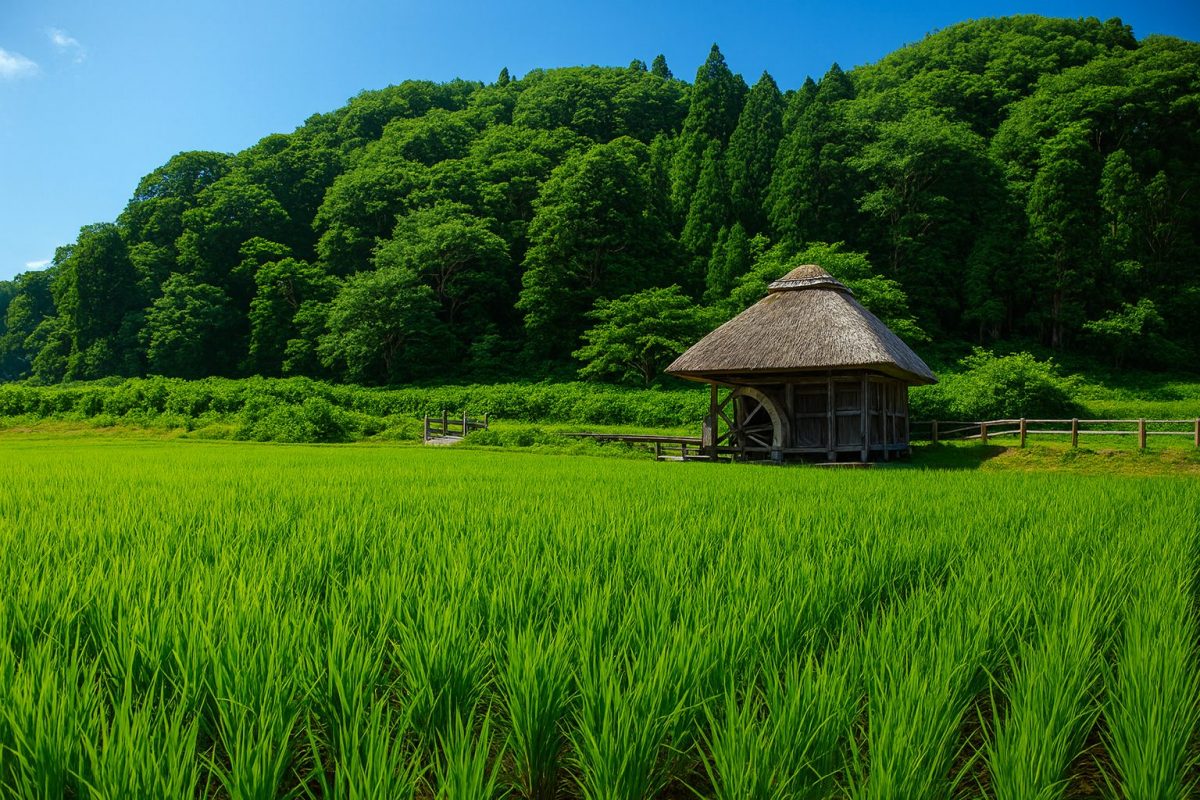
- Takko Rice: Cultivated using pure mountain water and fertile soil, the rice has a natural sweetness, glossy finish, and satisfying texture.
- Takko Honey: Harvested from flowers in the town’s natural environment, Takko honey is aromatic, full-bodied, and pairs well with bread and sweets.
Annual Events
- Takko Garlic Harvest Festival: A summer event celebrating the town’s signature specialty. Visitors can enjoy garlic-themed dishes, local food stalls, and stage performances that attract guests from inside and outside the prefecture.
- Daikokumori Azalea Festival: Held in early summer when tens of thousands of wild azaleas bloom on Daikokumori Mountain. The summit offers panoramic 360-degree views, making it a popular hiking destination.
- Mushi-Oi Festival: A traditional event dating back to the Edo period, held to pray for a plentiful harvest and protection from crop pests. The rhythmic sounds of drums and flutes echo through the town.
- Takko Kagura Performance: A ritual performance of the designated Intangible Folk Cultural Property, featuring ancient dances and music passed down through generations.
- Peace Highlands Star-Watching Event: Held annually at the renowned Peace Highlands, which was once awarded Japan’s best starry sky. Participants can enjoy stargazing with telescopes and guided night-sky tours.
Access
- Shinkansen: The nearest station is JR Tohoku Shinkansen “Ninohe Station.” From there, visitors can reach Takko Town by car or bus in approximately 30–40 minutes. Travel time from Tokyo to Ninohe is about 2 hours and 40 minutes.
- Airplane: Visitors can use Misawa Airport or Aomori Airport. From the airport, rental cars or buses provide convenient access to Takko Town.
- Bus: The Iwate Kenpoku Bus “Takko Line” connects Sannohe Station and the town center.
- Car: Drivers can use the Hachinohe Expressway via Ichinohe IC or Kukonohe IC, followed by national and prefectural roads leading to the town. Road conditions are well maintained for sightseeing.
Tourist Attractions
- Daikokumori – Famous for its vast fields of blooming wild azaleas near the summit. On clear days, visitors can enjoy sweeping views extending to distant mountain ranges.
- Peace Highlands (Wahei Kogen) – Recognized in 1992 as having the best starry sky in Japan. Known for its peaceful pastoral scenery and as a major production area for Takko Beef.
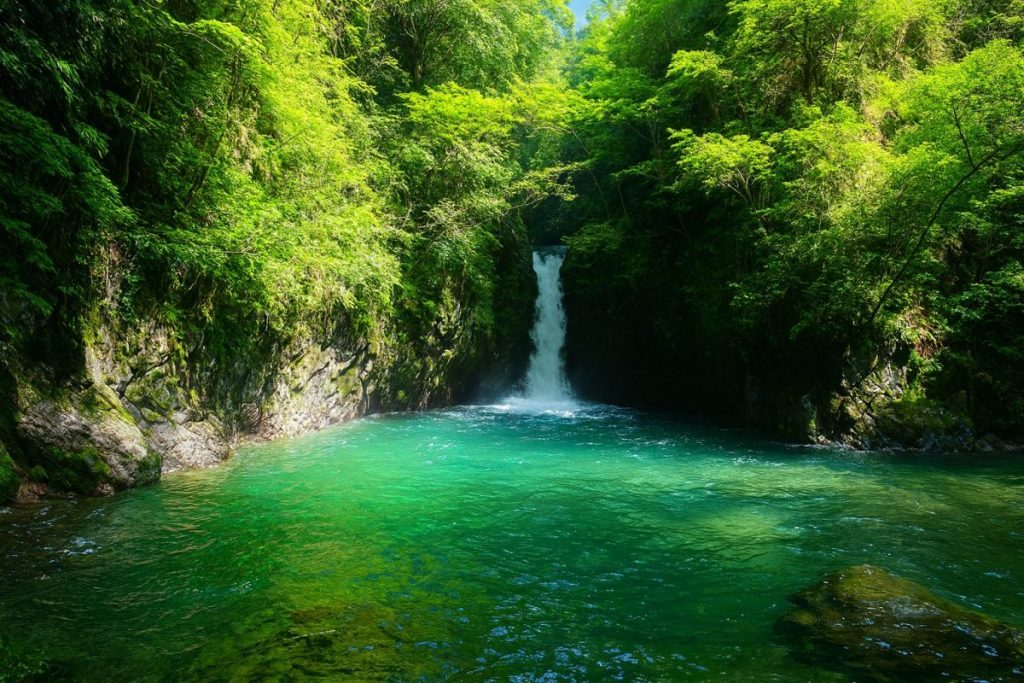
- Miroku Falls – Located near the source of the Kumahara River, this waterfall features thin, delicate streams of water that resemble flowing noodles. Well-maintained hiking paths lead visitors through refreshing natural surroundings.
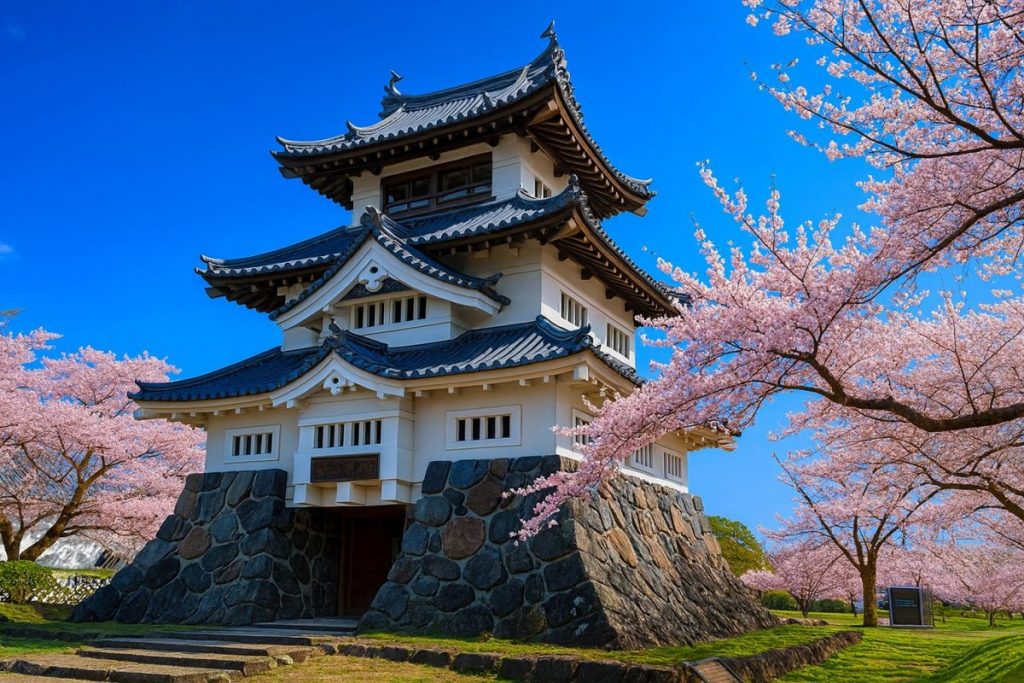
- Takko Castle Ruins (Takko Tate) – A former branch fort of the Nanbu clan. The area is ideal for history enthusiasts, with remnants and old place names hinting at its past.
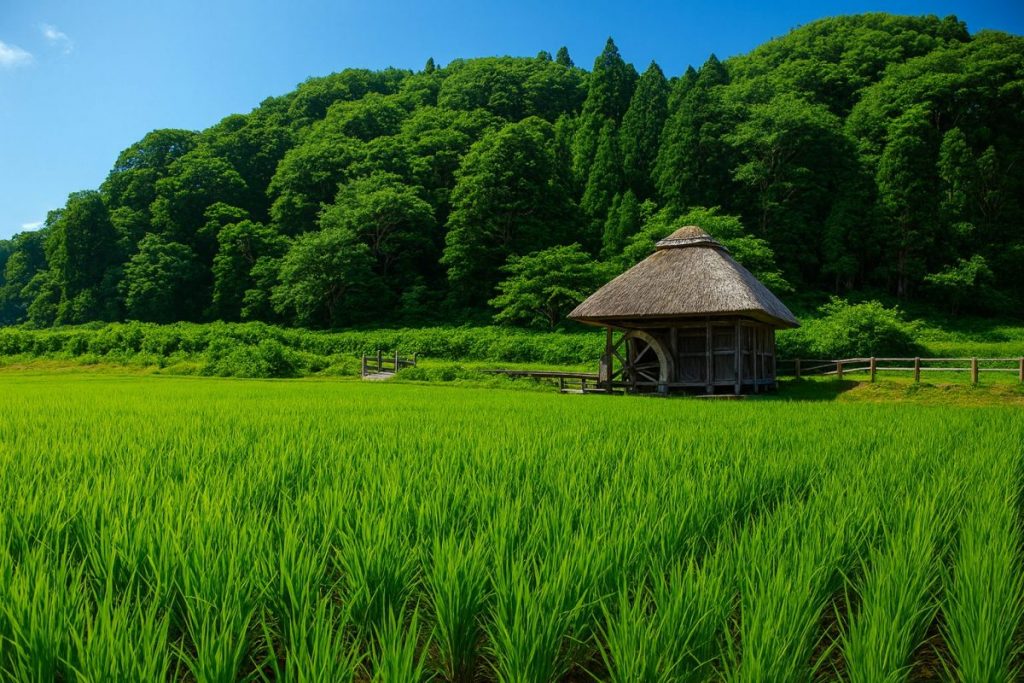
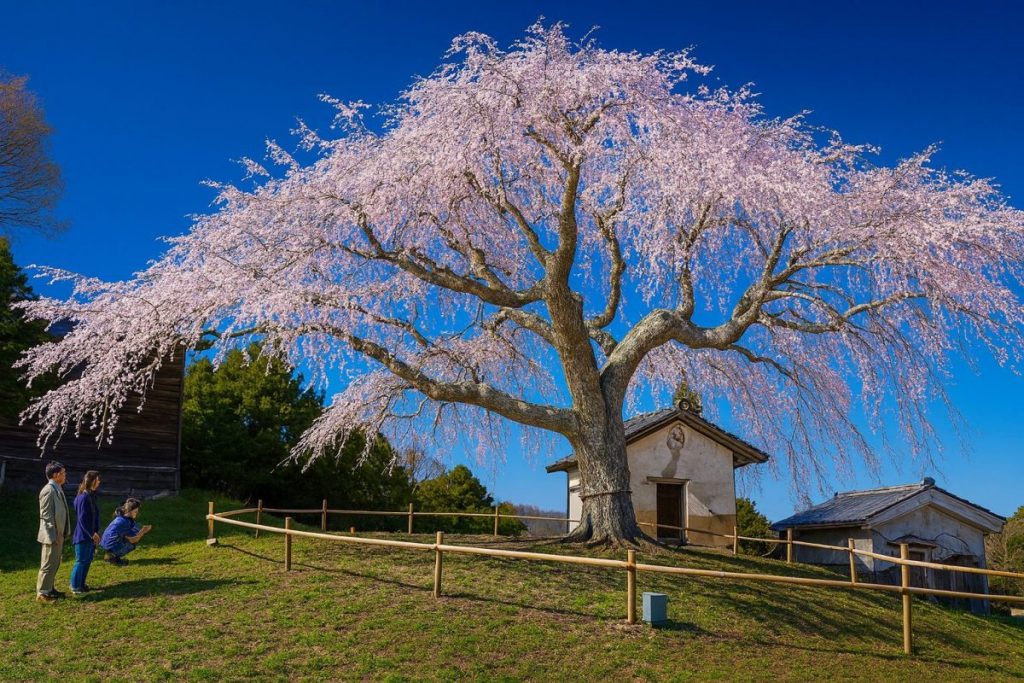
- Former Hashimoto Residence – A late 19th-century Nanbu-style farmhouse designated as an Important Prefectural Cultural Property. Relocated to Takko’s “Tapkocop So-Yu Village,” it offers a detailed look into the architectural and daily life of the period.
Related Links
List of Major Cities in Aomori Prefecture
-

Which Prefecture Is Kuroishi City In? [Answer] Aomori Prefecture | Complete Guide to Kuroishi City (Sightseeing, Culture, Local Products & Access)
-
Which Prefecture Is Aomori City In? [Answer] Aomori Prefecture | Complete Guide to Aomori City (Sightseeing, Culture, Local Products & Access)
-
Which Prefecture Is Hirakawa City In? [Answer] Aomori Prefecture | Complete Guide to Hirakawa City (Sightseeing, Culture, Local Products & Access)
-
Which Prefecture Is Towada City In? [Answer] Aomori Prefecture | Complete Guide to Towada City (Sightseeing, Culture, Local Products & Access)
-
Which Prefecture Is Hachinohe City In? [Answer] Aomori Prefecture | Complete Guide to Hachinohe City (Sightseeing, Culture, Local Products & Access)
-
Which Prefecture Is Mutsu City In? [Answer] Aomori Prefecture | Complete Guide to Mutsu City (Sightseeing, Culture, Local Products & Access)
-
Which Prefecture Is Hirosaki City In? [Answer] Aomori Prefecture | Complete Guide to Hirosaki City (Sightseeing, Culture, Local Products & Access)
-
Which Prefecture Is Goshogawara City In? [Answer] Aomori Prefecture | Complete Guide to Goshogawara City (Sightseeing, Culture, Local Products & Access)
-
Which Prefecture Is Misawa City In? [Answer] Aomori Prefecture | Complete Guide to Misawa City (Sightseeing, Culture, Local Products & Access)
-
Which Prefecture Is Tsugaru City In? [Answer] Aomori Prefecture | Complete Guide to Tsugaru City (Sightseeing, Culture, Local Products & Access)

Nambu Region List
-
Which Prefecture Is Hashikami Town In? [Answer] Aomori Prefecture | Complete Guide to Hashikami Town (Sightseeing, Culture, Local Products & Access)
-
Which Prefecture Is Takko Town In? [Answer] Aomori Prefecture | Complete Guide to Takko Town (Sightseeing, Culture, Local Products & Access)
-
Which Prefecture Is Nanbu Town In? [Answer] Aomori Prefecture | Complete Guide to Nanbu Town (Sightseeing, Culture, Local Products & Access)
-
Which Prefecture Is Hachinohe City In? [Answer] Aomori Prefecture | Complete Guide to Hachinohe City (Sightseeing, Culture, Local Products & Access)
-
Which Prefecture Is Shingo Village In? [Answer] Aomori Prefecture | Complete Guide to Shingo Village (Sightseeing, Culture, Local Products & Access)
-
Which Prefecture Is Gonohe Town In? [Answer] Aomori Prefecture | Complete Guide to Gonohe Town (Sightseeing, Culture, Local Products & Access)
-
Which Prefecture Is Sannohe Town In? [Answer] Aomori Prefecture | Complete Guide to Sannohe Town (Sightseeing, Culture, Local Products & Access)