| population | 6,754 peoples |
|---|---|
| area | 22.35 km² |
| population density | 302 peoples/km² |
Overview of Inakadate Village, Aomori Prefecture
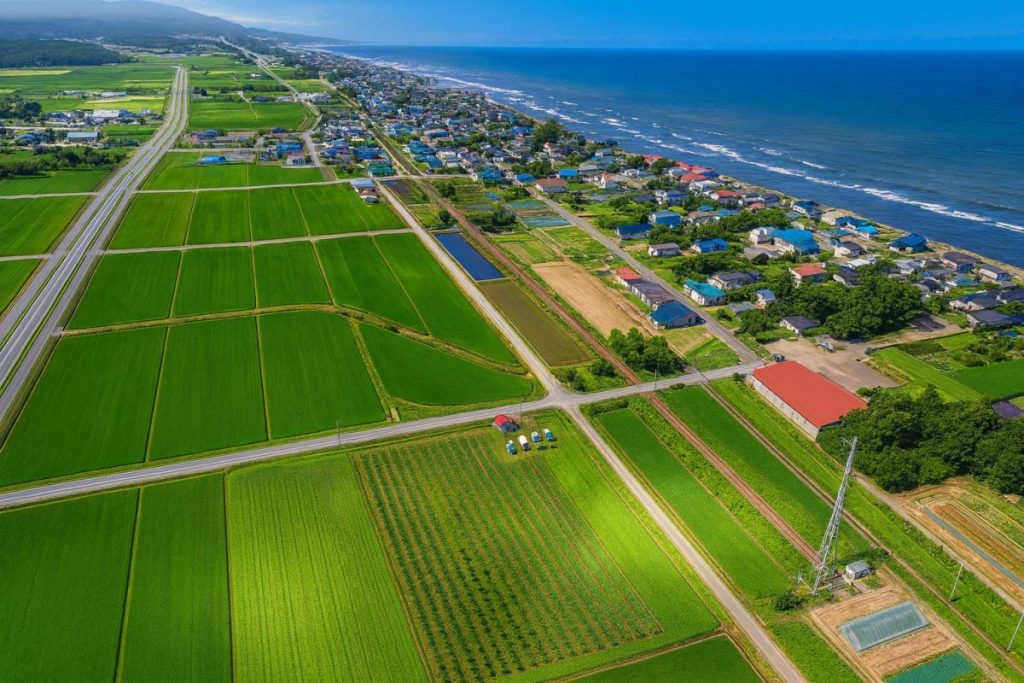
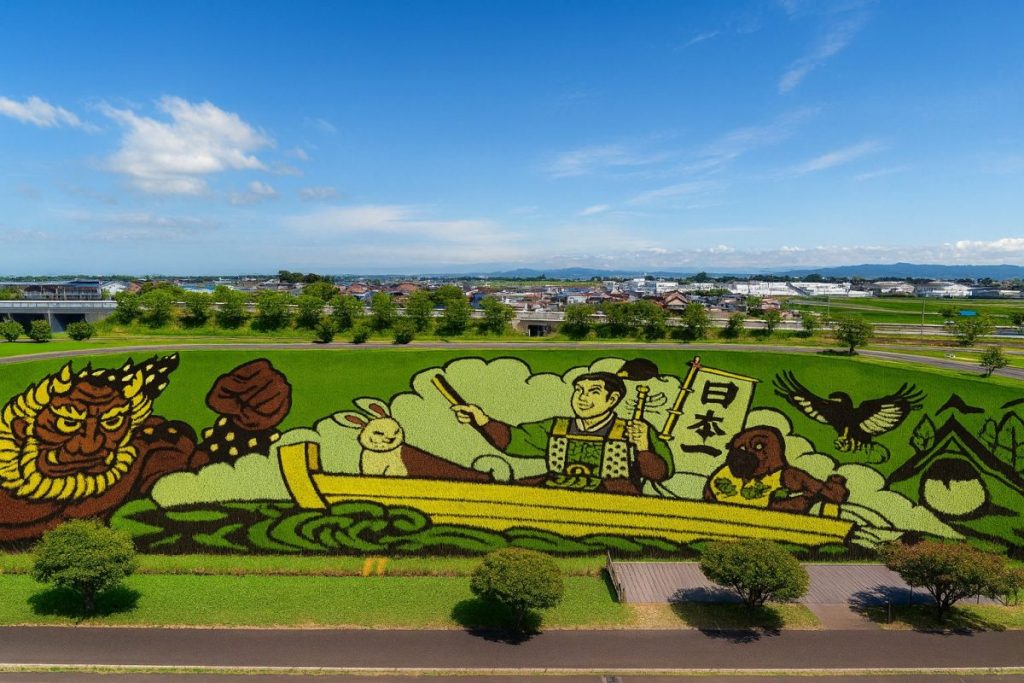
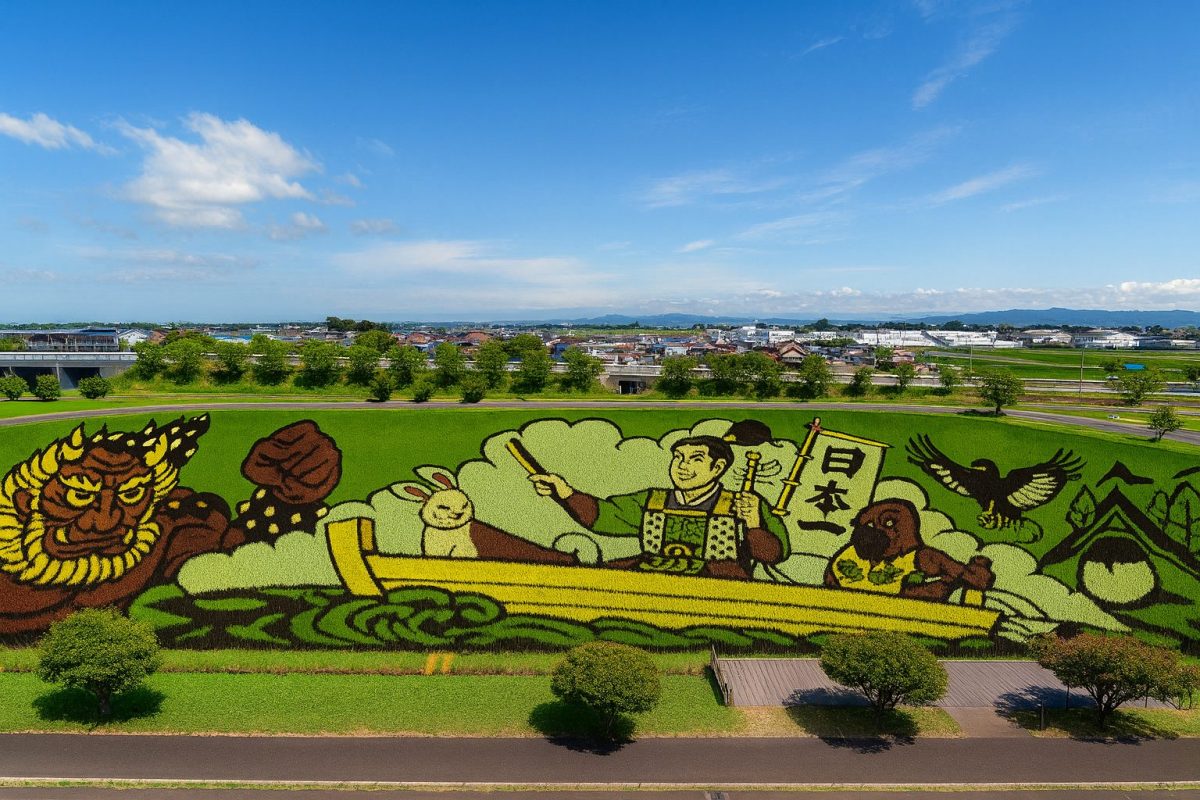
Inakadate Village, located in the central part of Aomori Prefecture within the Tsugaru Plain, is a rural community renowned for its rich agricultural heritage. The village traces its origins back to the Nara period, and during the Edo period, it prospered under the Tsugaru Domain, where land development and rice cultivation advanced significantly. Blessed with fertile soil and abundant water from rivers such as the Asaseishigawa and Hirakawa, Inakadate has long been known as a center of rice culture. One of the village’s most notable attractions is its globally recognized “Rice Paddy Art,” which features enormous designs created using different varieties of rice plants. This event attracts visitors from around Japan and abroad each year. In addition to rice, the village is also an active producer of apples, garlic, and grapes, forming the foundation of its agricultural-based economy. The local community is tightly knit, with residents commonly speaking the Tsugaru dialect and preserving many traditional practices. Inakadate Village harmonizes nature, culture, and history, offering an authentic rural experience.
Culture and Traditions
Inakadate Village has a long history rooted in rice cultivation, which has shaped its customs, lifestyle, and local culture. The Tsugaru dialect is widely spoken in the village, reflecting the warmth and identity of the region. Among its most celebrated cultural events is the annual “Rice Paddy Art,” created through coordinated community efforts—from planting in early summer to hosting viewing events in mid-summer and autumn. This collaborative tradition has become a symbol of the village. In winter, various seasonal activities take place, taking advantage of the region’s heavy snowfall and serene landscapes. Events featuring local agricultural products and traditional handicrafts also help maintain strong community ties and provide opportunities for visitors to experience rural culture firsthand. Inakadate Village continues to preserve its agricultural heritage while embracing new forms of cultural expression.
Local Specialties
- Apples: Inakadate produces high-quality apples such as “Fuji” and “Jonagold,” benefiting from the region’s climate and temperature variations. The apples are known for their sweetness, crispness, and excellent flavor.
- Rice (Tsugaru Roman, Masshigura, etc.): As a historical center of rice culture, the village produces premium rice varieties grown with clean water and fertile soil, resulting in outstanding taste and texture.
- Garlic: Aomori Prefecture is one of Japan’s leading garlic-producing regions, and Inakadate is no exception. The garlic grown here is aromatic, flavorful, and widely used in various dishes.
- Steuben Grapes: A sweet, dark grape variety popular in the Tsugaru region. It is enjoyed fresh or as juice.
Annual Events
- Rice Paddy Art (June–October): The village’s signature event, featuring enormous rice field designs created using differently colored rice plants. It can be viewed from two locations—the Village Hall (First Venue) and Yayoi-no-Sato Observation Tower (Second Venue). It draws both domestic and international tourists.
- Winter Rice Paddy Art (February): A snow-field version of rice art, creating stunning geometric patterns across the snowy landscape. Drone footage of the event often gains significant attention.
- Harvest Festivals and Agricultural Fairs: Held in autumn, offering fresh apples, new rice, and various local products.
Access
- Railway: The nearest station is JR Kawabe Station (Ōu Main Line and Gono Line). From there, buses or taxis provide access to central Inakadate. The Konan Railway’s “Tanbo Art Station” and “Inakadate Station” also offer convenient access.
- Air: Approximately 40 minutes by car from Aomori Airport.
- Shinkansen: About 35 minutes by car from Shin-Aomori Station.
- Car: About 20–30 minutes from either Kuroishi IC or Ōwani-Hirosaki IC on the Tōhoku Expressway.
Tourist Attractions
- Inakadate Village Hall (Rice Paddy Art First Venue) – Well-known for its castle-style architecture. The observation deck offers excellent views of the rice paddy art.
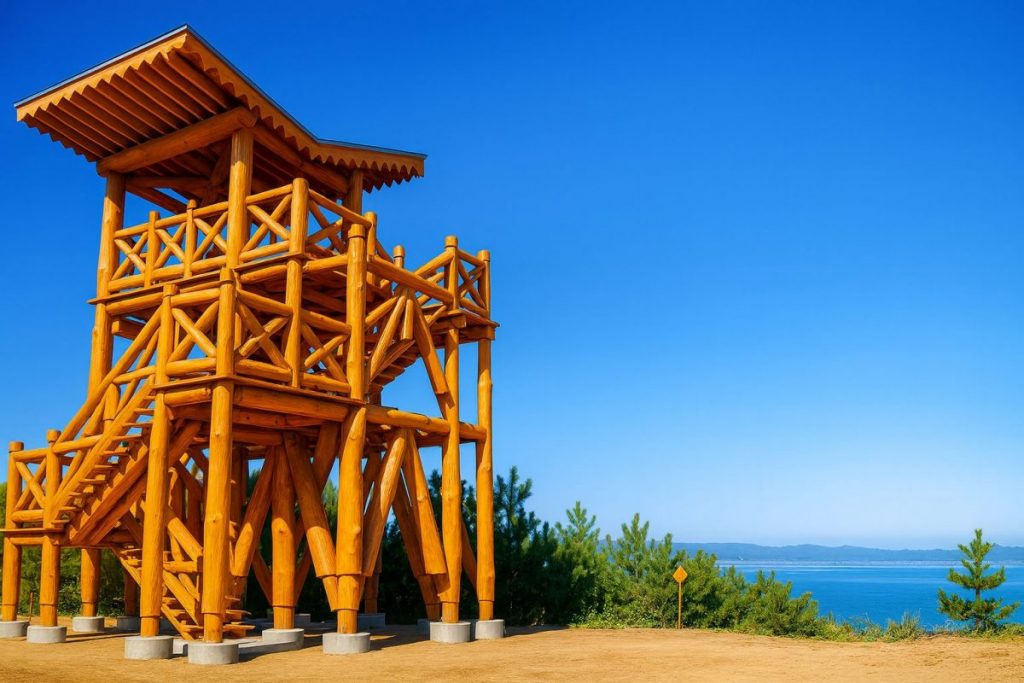
- Yayoi-no-Sato Observation Tower (Second Venue) – A wide-angle viewing spot for the rice paddy art.
- Tareyanagi Archaeological Site – A Jomon to Yayoi period archaeological site showcasing the origins of agricultural culture in the region.
- Inakadate Village Museum – Exhibits the village’s history, archaeological findings, farming tools, and cultural materials.
- Winds Tsugaru – A JRA off-track betting facility popular among locals and tourists.
Related Links
List of Major Cities in Aomori Prefecture
-

Which Prefecture Is Kuroishi City In? [Answer] Aomori Prefecture | Complete Guide to Kuroishi City (Sightseeing, Culture, Local Products & Access)
-
Which Prefecture Is Aomori City In? [Answer] Aomori Prefecture | Complete Guide to Aomori City (Sightseeing, Culture, Local Products & Access)
-
Which Prefecture Is Hirakawa City In? [Answer] Aomori Prefecture | Complete Guide to Hirakawa City (Sightseeing, Culture, Local Products & Access)
-
Which Prefecture Is Towada City In? [Answer] Aomori Prefecture | Complete Guide to Towada City (Sightseeing, Culture, Local Products & Access)
-
Which Prefecture Is Hachinohe City In? [Answer] Aomori Prefecture | Complete Guide to Hachinohe City (Sightseeing, Culture, Local Products & Access)
-
Which Prefecture Is Mutsu City In? [Answer] Aomori Prefecture | Complete Guide to Mutsu City (Sightseeing, Culture, Local Products & Access)
-
Which Prefecture Is Hirosaki City In? [Answer] Aomori Prefecture | Complete Guide to Hirosaki City (Sightseeing, Culture, Local Products & Access)
-
Which Prefecture Is Goshogawara City In? [Answer] Aomori Prefecture | Complete Guide to Goshogawara City (Sightseeing, Culture, Local Products & Access)
-
Which Prefecture Is Misawa City In? [Answer] Aomori Prefecture | Complete Guide to Misawa City (Sightseeing, Culture, Local Products & Access)
-
Which Prefecture Is Tsugaru City In? [Answer] Aomori Prefecture | Complete Guide to Tsugaru City (Sightseeing, Culture, Local Products & Access)


Tsugaru Region List
-
Which Prefecture Is Kuroishi City In? [Answer] Aomori Prefecture | Complete Guide to Kuroishi City (Sightseeing, Culture, Local Products & Access)
-
Which Prefecture Is Tsuruta Town In? [Answer] Aomori Prefecture | Complete Guide to Tsuruta Town (Sightseeing, Culture, Local Products & Access)
-
Which Prefecture Is Ajigasawa Town In? [Answer] Aomori Prefecture | Complete Guide to Ajigasawa Town (Sightseeing, Culture, Local Products & Access)
-
Which Prefecture Is Aomori City In? [Answer] Aomori Prefecture | Complete Guide to Aomori City (Sightseeing, Culture, Local Products & Access)
-
Which Prefecture Is Nishimeya Village In? [Answer] Aomori Prefecture | Complete Guide to Nishimeya Village (Sightseeing, Culture, Local Products & Access)
-
Which Prefecture Is Fujisaki Town In? [Answer] Aomori Prefecture | Complete Guide to Fujisaki Town (Sightseeing, Culture, Local Products & Access)
-
Which Prefecture Is Yomogita Village In? [Answer] Aomori Prefecture | Complete Guide to Yomogita Village (Sightseeing, Culture, Local Products & Access)
-
Which Prefecture Is Inakadate Village In? [Answer] Aomori Prefecture | Complete Guide to Inakadate Village (Sightseeing, Culture, Local Products & Access)
-
Which Prefecture Is Fukaura Town In? [Answer] Aomori Prefecture | Complete Guide to Fukaura Town (Sightseeing, Culture, Local Products & Access)
-
Which Prefecture Is Itayanagi Town In? [Answer] Aomori Prefecture | Complete Guide to Itayanagi Town (Sightseeing, Culture, Local Products & Access)
-
Which Prefecture Is Hirakawa City In? [Answer] Aomori Prefecture | Complete Guide to Hirakawa City (Sightseeing, Culture, Local Products & Access)
-
Which Prefecture Is Hiranai Town In? [Answer] Aomori Prefecture | Complete Guide to Hiranai Town (Sightseeing, Culture, Local Products & Access)
-
Which Prefecture Is Owani Town In? [Answer] Aomori Prefecture | Complete Guide to Owani Town (Sightseeing, Culture, Local Products & Access)
-
Which Prefecture Is Sotogahama Town In? [Answer] Aomori Prefecture | Complete Guide to Sotogahama Town (Sightseeing, Culture, Local Products & Access)
-
Which Prefecture Is Hirosaki City In? [Answer] Aomori Prefecture | Complete Guide to Hirosaki City (Sightseeing, Culture, Local Products & Access)