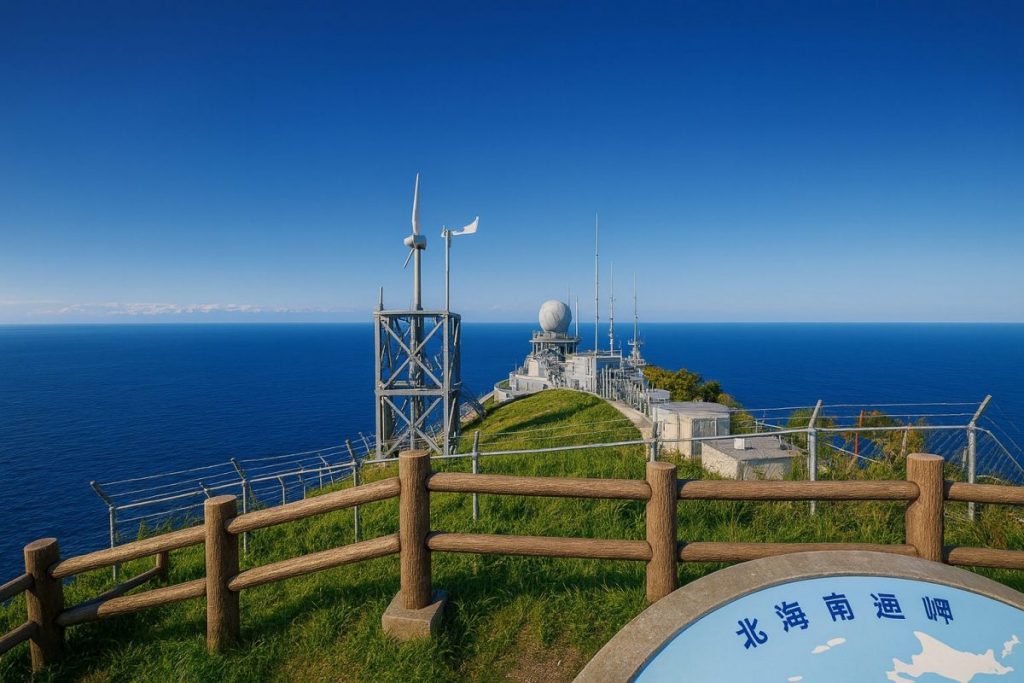
| population | 2,245 peoples |
|---|---|
| area | 80.84 km² |
| population density | 27.8 peoples/km² |
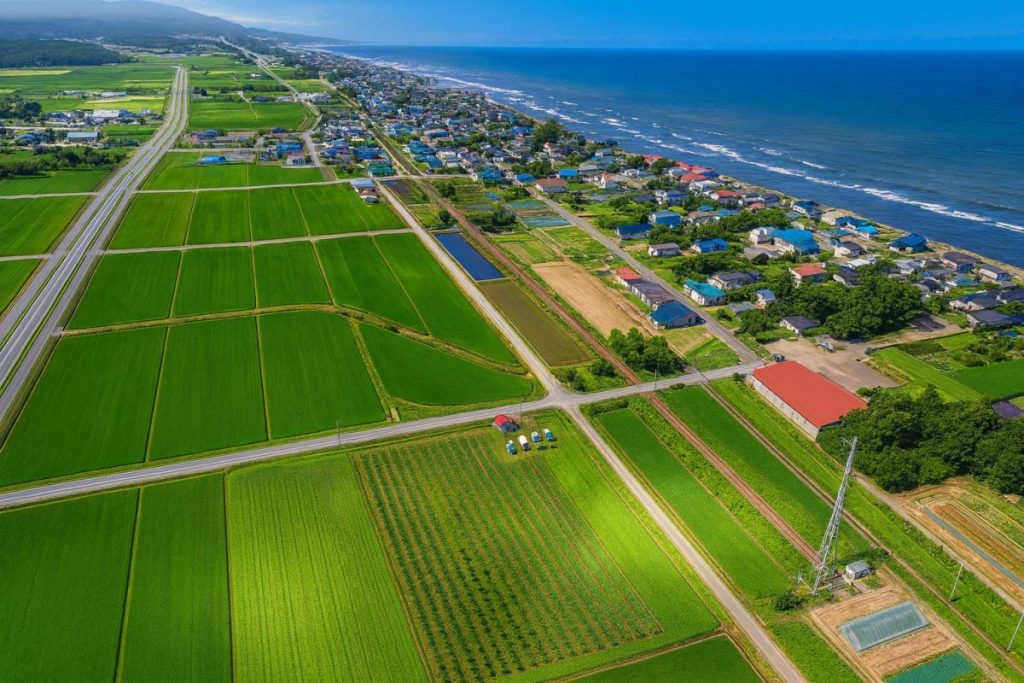
Yomogita Village, located in the Higashitsugaru District of Aomori Prefecture, is a quiet rural community facing Mutsu Bay. The area has a long history, with traces of ancient land development dating back to the Nara period. The present-day village was established in 1889 when the villages of Yomogita, Nagashina, Nakazawa, Amida, Gozawa, Sebechi, and Hirose were merged under the municipal system. The western part of the village is surrounded by the mountains of the Ōkura mountain range, and several rivers—including the Yomogita River and Amida River—flow eastward into Mutsu Bay. The village’s main industries are fisheries, agriculture, and livestock farming. In particular, scallop cultivation conducted at Yomogita Fishing Port and Sebechi Fishing Port is widely recognized throughout Aomori Prefecture. Rice cultivation, tomatoes (including the local brand “Yomogita baby baby”), and winter-grown chijimi spinach are also important crops. Livestock farming features the locally raised “Yomogita Beef,” known for its tender quality. Life in the village is calm and community-oriented, with strong bonds formed through agriculture, fisheries, and seasonal activities. Tsugaru dialect is commonly spoken in daily life, giving the region its unique cultural flavor. From spring to summer, visitors come to enjoy the natural landscapes, including Tamamatsu Beach, which becomes lively with seasonal events. With its harmony of nature, history, and local lifestyle, Yomogita Village remains a charming and welcoming place for visitors.
Culture & Traditions
The culture of Yomogita Village is deeply rooted in its long rural and fishing traditions. Tsugaru dialect is spoken naturally in daily conversation, symbolizing the local identity and atmosphere. The community is tightly knit, with residents supporting one another through farming, fisheries, and cooperative seasonal work. One of the village’s main traditional events is the “Tamamatsu Sea Festival,” held in summer at Tamamatsu Beach. This event attracts both locals and visitors, featuring food stalls, stage performances, and activities around the coast. Local cultural facilities also play an important role in preserving the region’s heritage. The Yomogita Folk History Museum displays historical tools and documents related to the village’s past, while the Cultural Heritage Hall hosts exhibitions and community programs. Natural surroundings deeply influence the lifestyle and food culture, particularly through fresh seafood and locally grown produce. These cultural elements are passed down through generations, maintaining the warm and cooperative spirit that characterizes the village today.
Local Specialties
- Scallops (Yomogita & Sebechi Fishing Ports): One of the village’s signature products. Scallops grown in the rich waters of Mutsu Bay are known for their sweetness and are enjoyed in sashimi, grilled dishes, and local cuisine.
- Tomatoes (“Yomogita baby baby”): A high-sugar, flavorful local tomato brand recognized for its bright color and quality.
- Winter-grown Chijimi Spinach: Spinach cultivated during the cold season, resulting in concentrated sweetness and a distinctive crinkled texture.
- Yomogita Rice: Grown in the fertile Yomogita Plain, this rice is valued for its sweetness and firm texture, with popularity extending beyond the local area.
- Yomogita Beef: A locally raised brand of beef, known for its tenderness and rich flavor, available at local markets and restaurants.
Annual Events
- Tamamatsu Sea Festival Held at Tamamatsu Beach, this summer festival features food stalls, marine activities, and live performances, drawing many visitors from the region.
- Seasonal Events at Marche Yomogita Located at Marche Yomogita, the facility hosts periodic markets offering scallops, tomatoes, spinach, and other local products.
- Cultural Heritage Hall Programs At the Cultural Heritage Hall, special exhibitions and community events introduce visitors to the village’s traditions and historical culture.
Access
- By Train (JR Tsugaru Line): Three stations—Yomogita Station, Gōzawa Station, and Sebechi Station—serve the village. About 25–35 minutes from Aomori Station.
- By Car: Approximately 40 minutes from central Aomori City via National Route 280. Winter road conditions may require caution.
- By Air + Car: From Aomori Airport, the drive to Yomogita Village takes about 1 hour and 15 minutes. Rental cars are recommended.
Tourist Attractions
- Tamamatsu Beach – A clear-water beach popular with families and visitors during summer. Also the venue for the Tamamatsu Sea Festival.
- Yomogita Castle Ruins – A historic site that reflects the medieval history of the region.
- Yomogita Folk History Museum – Exhibits artifacts, documents, and tools illustrating the village’s cultural heritage.
- Cultural Heritage Hall – A venue for cultural exhibitions, workshops, and traditional craft programs.
- Village Station Yomotto – A local marketplace offering seasonal produce, seafood, and specialty items.
Related Links
List of Major Cities in Aomori Prefecture
-

Which Prefecture Is Kuroishi City In? [Answer] Aomori Prefecture | Complete Guide to Kuroishi City (Sightseeing, Culture, Local Products & Access)
-
Which Prefecture Is Aomori City In? [Answer] Aomori Prefecture | Complete Guide to Aomori City (Sightseeing, Culture, Local Products & Access)
-
Which Prefecture Is Hirakawa City In? [Answer] Aomori Prefecture | Complete Guide to Hirakawa City (Sightseeing, Culture, Local Products & Access)
-
Which Prefecture Is Towada City In? [Answer] Aomori Prefecture | Complete Guide to Towada City (Sightseeing, Culture, Local Products & Access)
-
Which Prefecture Is Hachinohe City In? [Answer] Aomori Prefecture | Complete Guide to Hachinohe City (Sightseeing, Culture, Local Products & Access)
-
Which Prefecture Is Mutsu City In? [Answer] Aomori Prefecture | Complete Guide to Mutsu City (Sightseeing, Culture, Local Products & Access)
-
Which Prefecture Is Hirosaki City In? [Answer] Aomori Prefecture | Complete Guide to Hirosaki City (Sightseeing, Culture, Local Products & Access)
-
Which Prefecture Is Goshogawara City In? [Answer] Aomori Prefecture | Complete Guide to Goshogawara City (Sightseeing, Culture, Local Products & Access)
-
Which Prefecture Is Misawa City In? [Answer] Aomori Prefecture | Complete Guide to Misawa City (Sightseeing, Culture, Local Products & Access)
-
Which Prefecture Is Tsugaru City In? [Answer] Aomori Prefecture | Complete Guide to Tsugaru City (Sightseeing, Culture, Local Products & Access)

Tsugaru Region List
-
Which Prefecture Is Kuroishi City In? [Answer] Aomori Prefecture | Complete Guide to Kuroishi City (Sightseeing, Culture, Local Products & Access)
-
Which Prefecture Is Tsuruta Town In? [Answer] Aomori Prefecture | Complete Guide to Tsuruta Town (Sightseeing, Culture, Local Products & Access)
-
Which Prefecture Is Ajigasawa Town In? [Answer] Aomori Prefecture | Complete Guide to Ajigasawa Town (Sightseeing, Culture, Local Products & Access)
-
Which Prefecture Is Aomori City In? [Answer] Aomori Prefecture | Complete Guide to Aomori City (Sightseeing, Culture, Local Products & Access)
-
Which Prefecture Is Nishimeya Village In? [Answer] Aomori Prefecture | Complete Guide to Nishimeya Village (Sightseeing, Culture, Local Products & Access)
-
Which Prefecture Is Fujisaki Town In? [Answer] Aomori Prefecture | Complete Guide to Fujisaki Town (Sightseeing, Culture, Local Products & Access)
-
Which Prefecture Is Yomogita Village In? [Answer] Aomori Prefecture | Complete Guide to Yomogita Village (Sightseeing, Culture, Local Products & Access)
-
Which Prefecture Is Inakadate Village In? [Answer] Aomori Prefecture | Complete Guide to Inakadate Village (Sightseeing, Culture, Local Products & Access)
-
Which Prefecture Is Fukaura Town In? [Answer] Aomori Prefecture | Complete Guide to Fukaura Town (Sightseeing, Culture, Local Products & Access)
-
Which Prefecture Is Itayanagi Town In? [Answer] Aomori Prefecture | Complete Guide to Itayanagi Town (Sightseeing, Culture, Local Products & Access)
-
Which Prefecture Is Hirakawa City In? [Answer] Aomori Prefecture | Complete Guide to Hirakawa City (Sightseeing, Culture, Local Products & Access)
-
Which Prefecture Is Hiranai Town In? [Answer] Aomori Prefecture | Complete Guide to Hiranai Town (Sightseeing, Culture, Local Products & Access)
-
Which Prefecture Is Owani Town In? [Answer] Aomori Prefecture | Complete Guide to Owani Town (Sightseeing, Culture, Local Products & Access)
-
Which Prefecture Is Sotogahama Town In? [Answer] Aomori Prefecture | Complete Guide to Sotogahama Town (Sightseeing, Culture, Local Products & Access)
-
Which Prefecture Is Hirosaki City In? [Answer] Aomori Prefecture | Complete Guide to Hirosaki City (Sightseeing, Culture, Local Products & Access)