| population | 11,042 peoples |
|---|---|
| area | 81.68 km² |
| population density | 135 peoples/km² |
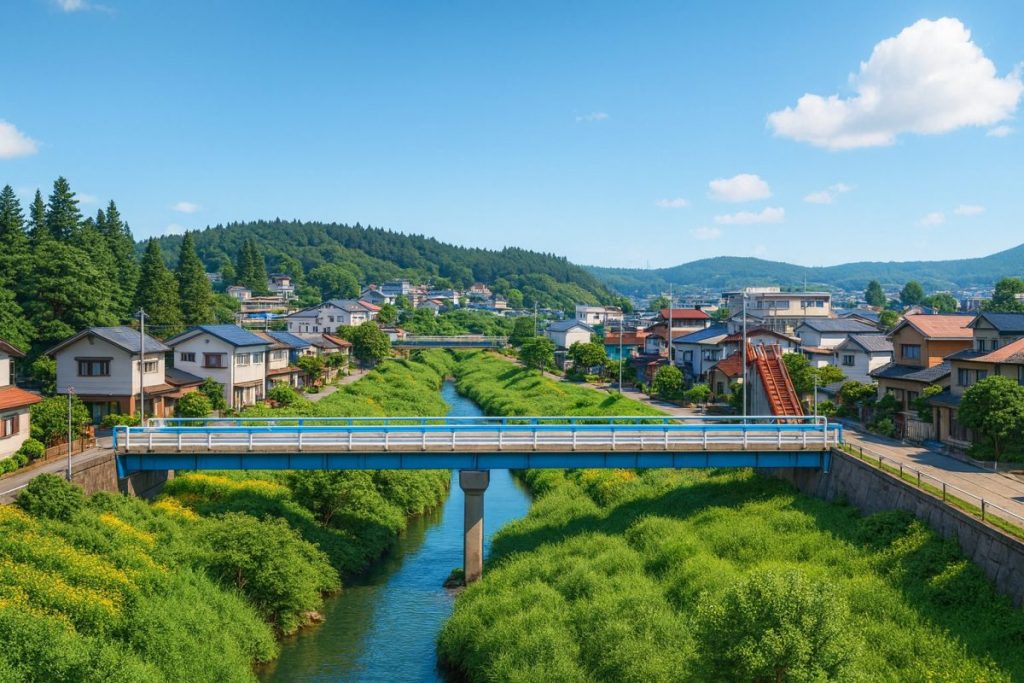
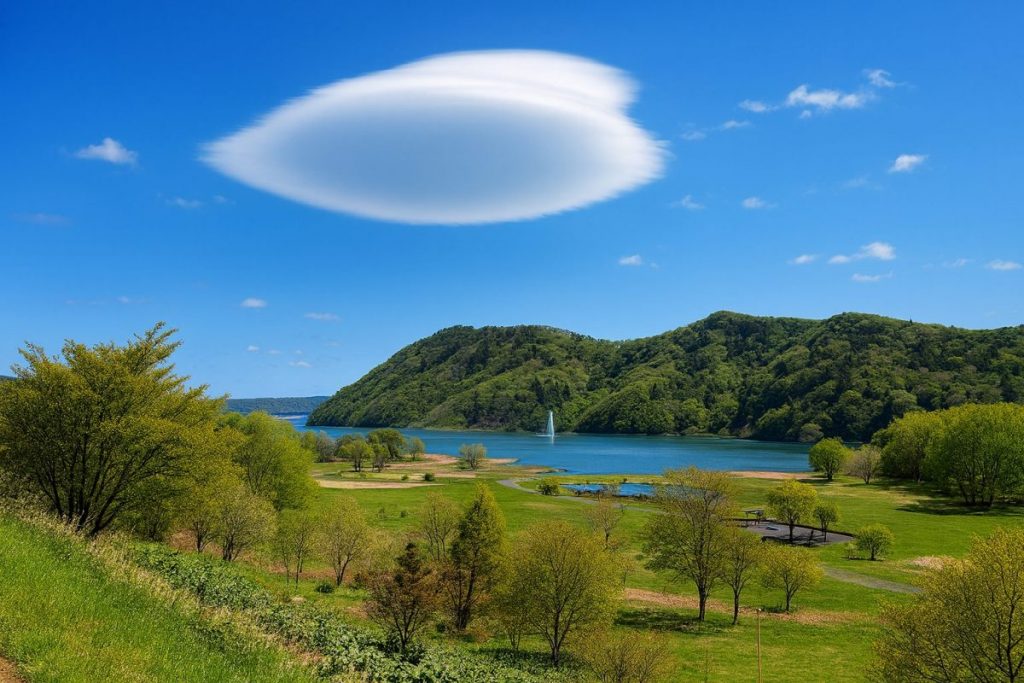
Located at the base of the Shimokita Peninsula in Aomori Prefecture, Noheji Town is a historic port town facing the calm waters of Mutsu Bay. Its origins trace back to the Nara period, and during the Sengoku era it was governed by the Nanbu clan, playing an important role in regional politics and trade. Historically, Noheji prospered as a strategic transportation hub, serving as a key port for Kitamaebune trading ships traveling along the Japan Sea. The climate is cool throughout the year due to strong northeasterly winds known as “Yamase,” and the town is designated as a Special Heavy Snowfall Area. Surrounded by abundant nature, Noheji supports a lifestyle shaped by both the sea and fertile farmland. Its agricultural and marine products, especially the regionally trademarked “Noheji Hatsuki Kokabu” (leaf-on baby turnips) and high-quality scallops from Mutsu Bay, are widely known. Traditional festivals and cultural events continue to pass down the town’s long history, making Noheji a place where nature, culture, and community coexist harmoniously.
Culture & Traditions
As a port town that historically served as a logistical gateway for northern Japan, Noheji has developed a unique culture influenced by maritime trade and regional exchanges. The presence of Kitamaebune ships from the Edo period onward left behind numerous cultural traces, including historical documents and landmarks such as its preserved “Jōyatō” (night-light beacon). The local dialect is based on the Nanbu language group, adding a distinct regional flavor to everyday speech. Among the town’s major cultural events, the “Noheji Gion Festival” stands out. Believed to originate from Kyoto’s Gion Festival and introduced via maritime trade routes, it features floats, portable shrines, and lively music parading through the streets. Winters in Noheji are severe with deep snow, shaping traditional customs and reinforcing close community bonds. The town’s cultural identity blends its port-town heritage with the daily life of fishing and agriculture, creating a rich and enduring tradition.
Local Specialties
- Noheji Hatsuki Kokabu (Leaf-on Baby Turnips)
Registered as a Regional Collective Trademark, this signature specialty of Noheji is harvested with its leaves intact. Its crisp texture and refreshing flavor make it ideal for pickles and salads. Highly regarded throughout Aomori and beyond. - Scallops from Mutsu Bay
Raised in the calm waters of Mutsu Bay, Noheji’s scallops are known for their sweetness and robust flavor. Fresh scallops are landed at the Noheji Fishing Port and Arito Fishing Port, and can be enjoyed in dishes such as grilled scallops or miso hot plates. - Nagaimo (Yam)
A major agricultural product of the town, famed for its strong stickiness and natural sweetness. Commonly used in grated yam dishes and simmered foods, Noheji’s nagaimo is shipped widely due to its high quality. - Ketsumei Tea (Kawarakezumei)
A traditional herbal tea enjoyed in local households. Its roasted, fragrant flavor makes it a familiar drink that reflects everyday life in Noheji.
Annual Events
- Noheji Gion Festival (Late July)
The town’s most prominent summer festival, featuring traditional floats and portable shrines parading through the streets. It is said to have roots in Kyoto’s Gion Festival and is believed to have been brought by Kitamaebune merchants. - HOT JAZZ IN NOHEJI (Summer)
An outdoor jazz event held with the scenery of Noheji’s harbor as the backdrop. A local favorite that attracts both residents and visitors. - Makado Onsen Ski Area Winter Activities
The “National Noheji Makado Onsen Ski Area” hosts various winter-related events. Skiers and snowboarders visit from across the region, and the nearby hot springs offer relaxation. - Spring Cherry Blossoms at Atago Park (Late April to May)
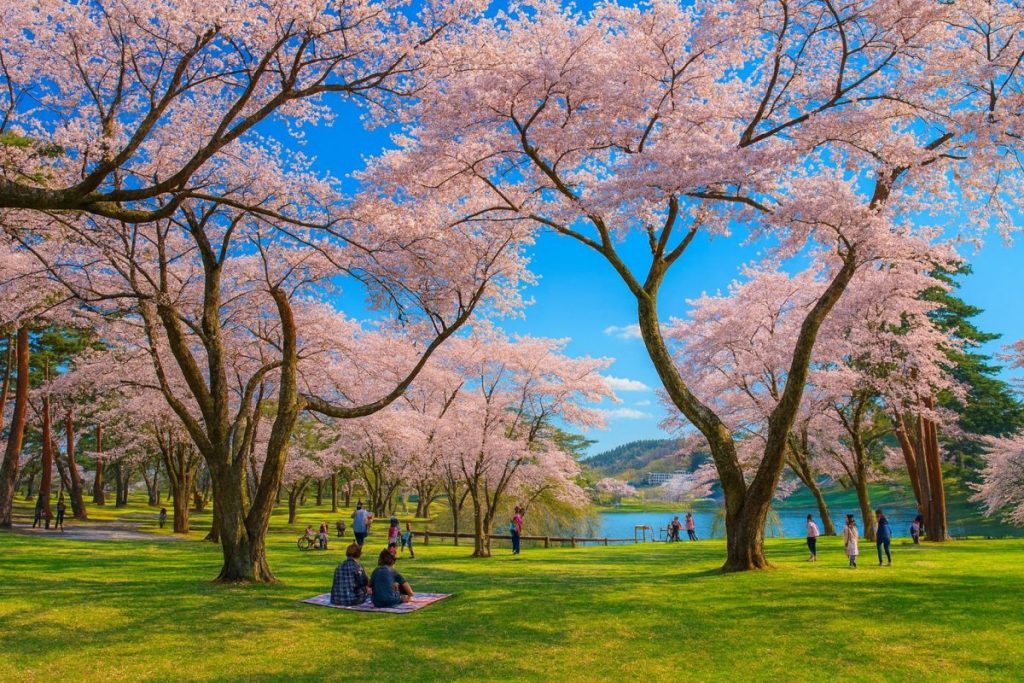
Atago Park is one of the most scenic spots in Noheji, where cherry blossoms bloom beautifully in spring. The park also contains monuments related to the town’s history.
Access
- Train
The town’s main station is Noheji Station, served by both the JR Ōminato Line and the Aoimori Railway. Approximately 40 minutes from Aomori Station via Aoimori Railway. - Air
From Aomori Airport, take a bus to Aomori Station, then transfer to the Aoimori Railway to reach Noheji Station (total travel time approx. 1 hour 30 minutes). - Highways
The Shimokita Peninsula Longitudinal Road (National Route 279 Bypass) provides convenient access via Noheji IC and Noheji-Kita IC. - Bus
Buses operated by Shimokita Kōtsū and Towada Kankō Dentetsu run between Aomori City and Noheji, stopping at key locations in the town.
Sightseeing Spots
- Jōyatō Park
Home to Japan’s oldest surviving night-light beacon (built in 1827). The park is beautifully maintained and offers views reminiscent of Noheji’s history as a prosperous port. - Noheji Hachiman Shrine
A historic Shinto shrine founded in the 17th century. The main hall is designated as a Prefectural Cultural Property and is a central site of local worship. - Noheji Town Museum of History and Folklore
Displays key cultural assets including the Important Cultural Property “Board-shaped Standing Clay Figure” and documents related to the port’s historical trade. - National Noheji Makado Onsen Ski Area
A ski area suitable for beginners to advanced visitors. Nearby Makado Onsen is popular for relaxing after winter sports. - Atago Park
A hilltop park offering panoramic views of the town, with cultural landmarks such as the statue of Emperor Meiji’s horse “Kachō-go” and literary monuments.
Related Links
List of Major Cities in Aomori Prefecture
-

Which Prefecture Is Kuroishi City In? [Answer] Aomori Prefecture | Complete Guide to Kuroishi City (Sightseeing, Culture, Local Products & Access)
-
Which Prefecture Is Aomori City In? [Answer] Aomori Prefecture | Complete Guide to Aomori City (Sightseeing, Culture, Local Products & Access)
-
Which Prefecture Is Hirakawa City In? [Answer] Aomori Prefecture | Complete Guide to Hirakawa City (Sightseeing, Culture, Local Products & Access)
-
Which Prefecture Is Towada City In? [Answer] Aomori Prefecture | Complete Guide to Towada City (Sightseeing, Culture, Local Products & Access)
-
Which Prefecture Is Hachinohe City In? [Answer] Aomori Prefecture | Complete Guide to Hachinohe City (Sightseeing, Culture, Local Products & Access)
-
Which Prefecture Is Mutsu City In? [Answer] Aomori Prefecture | Complete Guide to Mutsu City (Sightseeing, Culture, Local Products & Access)
-
Which Prefecture Is Hirosaki City In? [Answer] Aomori Prefecture | Complete Guide to Hirosaki City (Sightseeing, Culture, Local Products & Access)
-
Which Prefecture Is Goshogawara City In? [Answer] Aomori Prefecture | Complete Guide to Goshogawara City (Sightseeing, Culture, Local Products & Access)
-
Which Prefecture Is Misawa City In? [Answer] Aomori Prefecture | Complete Guide to Misawa City (Sightseeing, Culture, Local Products & Access)
-
Which Prefecture Is Tsugaru City In? [Answer] Aomori Prefecture | Complete Guide to Tsugaru City (Sightseeing, Culture, Local Products & Access)
Kamikita Region List
-
Which Prefecture Is Noheji Town In? [Answer] Aomori Prefecture | Complete Guide to Noheji Town (Sightseeing, Culture, Local Products & Access)
-
Which Prefecture Is Yokohama Town In? [Answer] Aomori Prefecture | Complete Guide to Yokohama Town (Sightseeing, Culture, Local Products & Access)
-
Which Prefecture Is Tohoku Town In? [Answer] Aomori Prefecture | Complete Guide to Tohoku Town (Sightseeing, Culture, Local Products & Access)
-
Which Prefecture Is Towada City In? [Answer] Aomori Prefecture | Complete Guide to Towada City (Sightseeing, Culture, Local Products & Access)
-
Which Prefecture Is Rokunohe Town In? [Answer] Aomori Prefecture | Complete Guide to Rokunohe Town (Sightseeing, Culture, Local Products & Access)
-
Which Prefecture Is Rokkasho Village In? [Answer] Aomori Prefecture | Complete Guide to Rokkasho Village (Sightseeing, Culture, Local Products & Access)
-
Which Prefecture Is Misawa City In? [Answer] Aomori Prefecture | Complete Guide to Misawa City (Sightseeing, Culture, Local Products & Access)
-
Which Prefecture Is Shichinohe Town In? [Answer] Aomori Prefecture | Complete Guide to Shichinohe Town (Sightseeing, Culture, Local Products & Access)
-
Which Prefecture Is Oirase Town In? [Answer] Aomori Prefecture | Complete Guide to Oirase Town (Sightseeing, Culture, Local Products & Access)