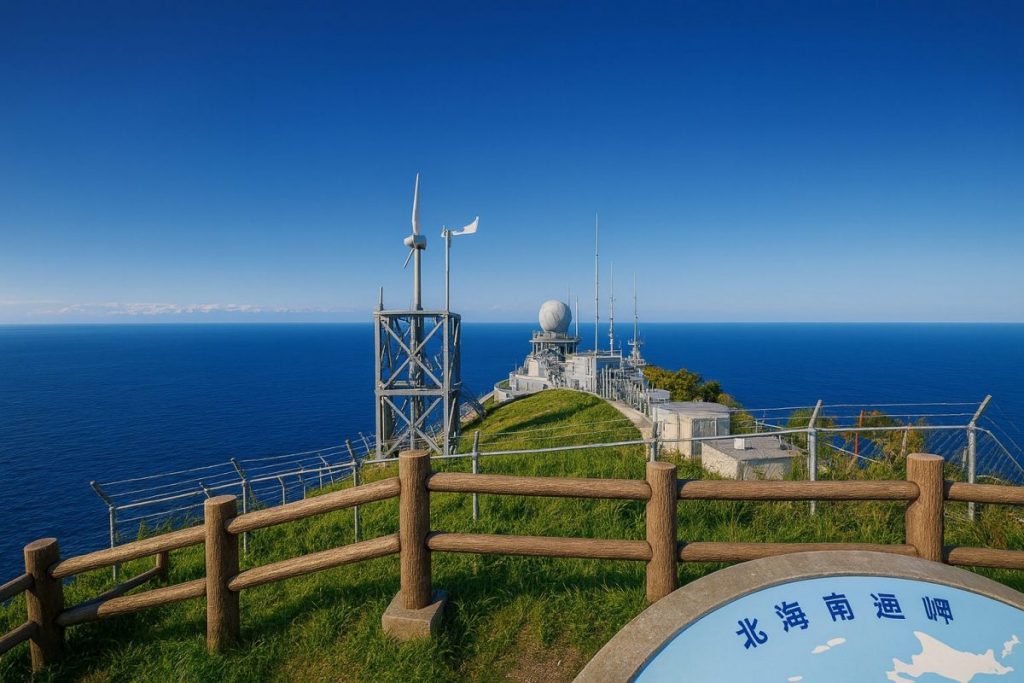
| population | 256,304 peoples |
|---|---|
| area | 824.61 km² |
| population density | 311 peoples/km² |
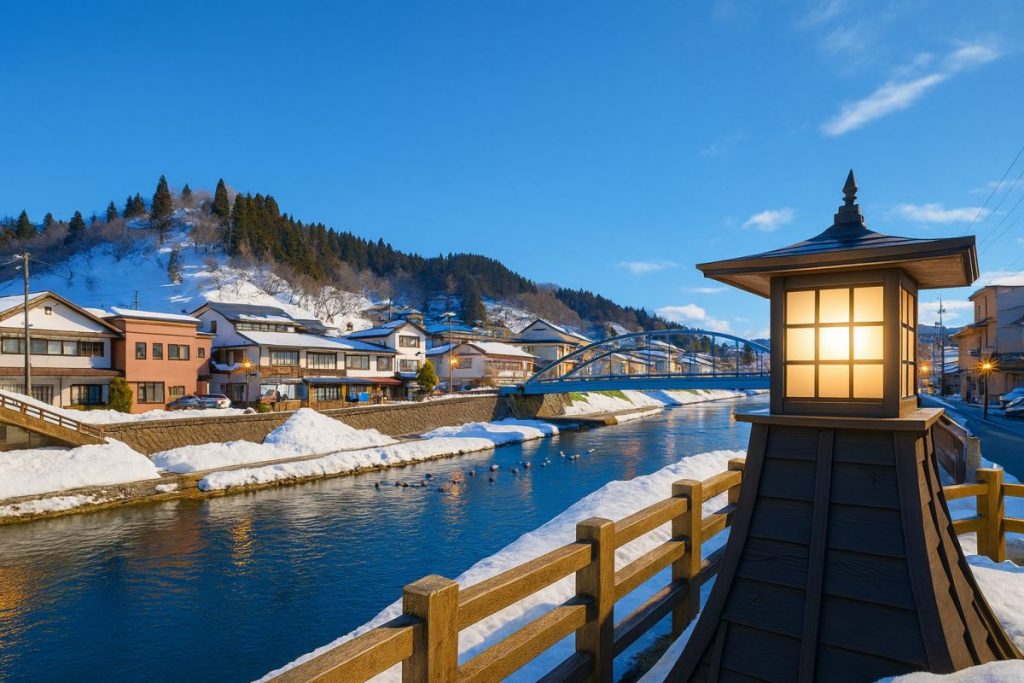
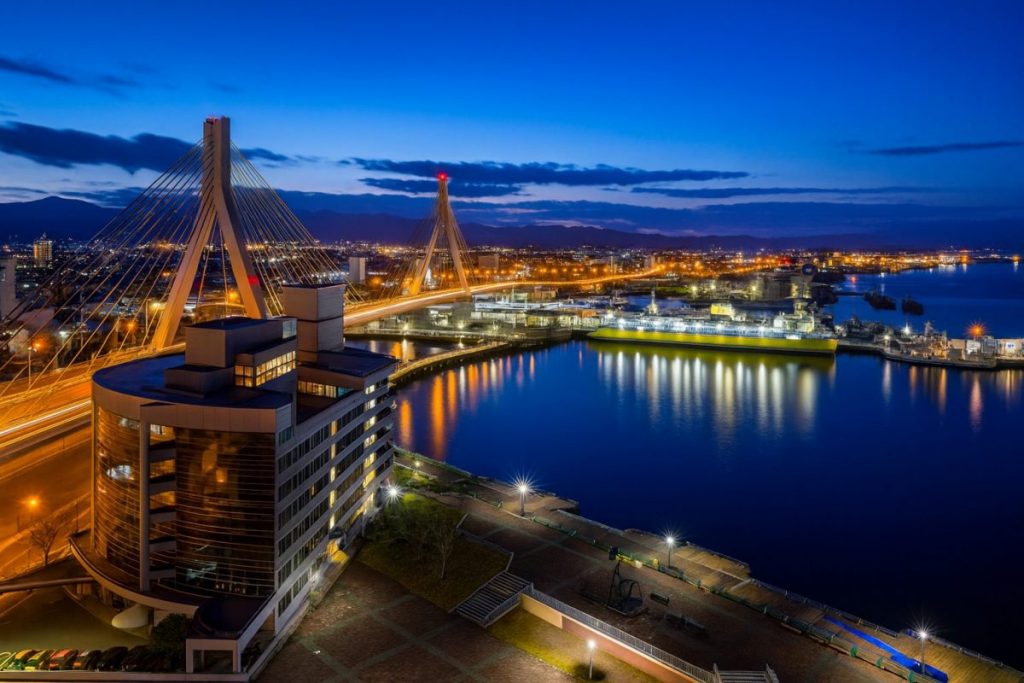
Aomori City, the capital of Aomori Prefecture, is a region deeply rooted in its natural environment, history, and unique cultural traditions. The city flourished as early as the Jomon period, exemplified by the large-scale Sannai-Maruyama settlement. During the Edo period, Aomori developed as the primary port town of the Hirosaki Domain, becoming an important hub for northern maritime trade. In modern times, the city has grown into one of northern Japan’s major transportation centers, connecting the Tohoku region with Hokkaido. Aomori hosts a full range of transport infrastructure—Shinkansen services at Shin-Aomori Station, Aomori Airport, major expressways, and Aomori Port—making it a strategic gateway in northern Japan. Aomori is known for its heavy snowfall, as the entire city is designated a Special Heavy Snowfall Area. Its long winters and distinct four seasons shape the lifestyles and traditions of its residents. Agriculture thrives particularly in the Namioka district, where apple production is a major industry, and the calm waters of Mutsu Bay support a prosperous scallop aquaculture industry. The local dialect, Tsugaru-ben, is cherished as part of the city’s identity, featuring expressive rhythms and vocabulary unique to the region. The iconic Nebuta Festival, held every August, is one of Japan’s most celebrated summer events and is designated an Important Intangible Folk Cultural Property. Enormous illuminated lantern floats parade through the streets with energetic dancers known as “Haneto,” attracting visitors from around the world. Aomori also offers rich cultural experiences through facilities such as the Aomori Museum of Art, Sannai-Maruyama Site, and Nebuta Museum Wa Rasse. Blending history, art, and natural beauty, Aomori City continues to captivate visitors with its cultural depth and vibrant traditions.
Cultural Traditions
Aomori City has long been shaped by its role as a crossroads of northern cultures. The vast Sannai-Maruyama Site highlights the city’s prehistoric significance, while maritime activity fostered connections with neighboring regions in later eras. Winter in Aomori is particularly notable, with snowfall that ranks among the highest in Japan. This climate has nurtured a culture of resilience and community solidarity. The local dialect, Tsugaru-ben, remains a strong cultural marker, known for its rhythm, vocabulary, and distinctive sound. Among Aomori’s cultural treasures, the Nebuta Festival stands out as its crown jewel. This spectacular summer festival features massive illuminated floats crafted by skilled Nebuta artists. The dynamic Haneto dancers, traditional music, and striking festival atmosphere captivate both locals and visitors. The Aomori Fireworks Display, held on August 7, lights up Aomori Bay and serves as a dramatic finale to the Nebuta Festival. Seasonal customs, traditional events, and local culture remain closely tied to the city’s rhythms throughout the year.
Local Specialties
- Apples: Aomori Prefecture is Japan’s leading apple producer, and the Namioka area of Aomori City is known for high-quality apples with excellent sweetness and texture. Local orchards and direct sales shops thrive during harvest season.
- Mutsu Bay Scallops: Known for their plump texture and natural sweetness, scallops farmed in the calm waters of Mutsu Bay are prized nationwide. They are widely used in seafood markets and restaurants throughout the city.
- Aomori Blackcurrants (Cassis): Aomori boasts over 90% of Japan’s domestic cassis production. The fruit is used in jams, juices, confectionery, and specialty local products.
- Tsugaru Vidro Glassware: A traditional craft of Aomori, Tsugaru Vidro is known for its vivid colors and delicate glasswork. It is one of Aomori’s most popular souvenirs.
- Nebuta-themed Crafts: Miniature Nebuta lanterns and handcrafted festival-themed goods are popular local items, showcasing the artistry of Nebuta masters.
Annual Events
- Aomori Nebuta Festival (August 2–7): One of Japan’s largest and most famous festivals. Huge illuminated Nebuta floats parade through the city, accompanied by Haneto dancers. It attracts millions of spectators every year.
- Aomori Fireworks Festival (August 7): Held at Aomori Port on the final night of the Nebuta Festival, featuring large-scale fireworks over the bay.
- Aomori Spring Festival (Late April–Early May): Cherry blossoms bloom across the city, particularly in Gappo Park, attracting many visitors during the holiday season.
- Asamushi Onsen Nebuta Festival (Mid-July): A regional Nebuta event held in the Asamushi hot spring district, combining local hospitality and traditional parade displays.
- Namioka Cherry Blossom Festival (Late April–Early May): Centered around Namioka Castle Ruins Park, where thousands of cherry trees bloom in a historic setting.
Access
- Air: A direct flight from Tokyo (Haneda Airport) to Aomori Airport takes about 1 hour 20 minutes. Airport buses connect directly to downtown Aomori and Aomori Station.
- Shinkansen: The Tohoku Shinkansen connects Tokyo and Shin-Aomori Station in roughly 3 hours. Local trains and buses link the station to central Aomori.
- Highway Bus: Overnight buses operate between Tokyo and Aomori, reaching Aomori Station in approximately 9 hours.
- Car: The Tohoku Expressway leads north to Aomori. Exiting at Aomori IC provides easy access to the city.
- Ferry: Regular ferries operate between Hakodate and Aomori Port, offering a popular travel option between Hokkaido and Honshu.
Tourist Attractions
- Aomori Museum of Art – A striking white museum featuring works by Shiko Munakata, Yoshitomo Nara, and other notable artists.
- Sannai-Maruyama Archaeological Site – One of Japan’s largest Jomon archaeological sites, with reconstructed dwellings and extensive exhibits.
- Nebuta Museum Wa Rasse – A museum dedicated to the Nebuta Festival, showcasing full-size floats and interactive cultural displays.
- Gappo Park – A scenic public park known for cherry blossoms, greenery, and coastal views.
- Asamushi Onsen – A historic hot spring town known as the “Atami of the North,” offering baths, seaside attractions, and an aquarium.
Related Links
List of Major Cities in Aomori Prefecture
-

Which Prefecture Is Kuroishi City In? [Answer] Aomori Prefecture | Complete Guide to Kuroishi City (Sightseeing, Culture, Local Products & Access)
-
Which Prefecture Is Aomori City In? [Answer] Aomori Prefecture | Complete Guide to Aomori City (Sightseeing, Culture, Local Products & Access)
-
Which Prefecture Is Hirakawa City In? [Answer] Aomori Prefecture | Complete Guide to Hirakawa City (Sightseeing, Culture, Local Products & Access)
-
Which Prefecture Is Towada City In? [Answer] Aomori Prefecture | Complete Guide to Towada City (Sightseeing, Culture, Local Products & Access)
-
Which Prefecture Is Hachinohe City In? [Answer] Aomori Prefecture | Complete Guide to Hachinohe City (Sightseeing, Culture, Local Products & Access)
-
Which Prefecture Is Mutsu City In? [Answer] Aomori Prefecture | Complete Guide to Mutsu City (Sightseeing, Culture, Local Products & Access)
-
Which Prefecture Is Hirosaki City In? [Answer] Aomori Prefecture | Complete Guide to Hirosaki City (Sightseeing, Culture, Local Products & Access)
-
Which Prefecture Is Goshogawara City In? [Answer] Aomori Prefecture | Complete Guide to Goshogawara City (Sightseeing, Culture, Local Products & Access)
-
Which Prefecture Is Misawa City In? [Answer] Aomori Prefecture | Complete Guide to Misawa City (Sightseeing, Culture, Local Products & Access)
-
Which Prefecture Is Tsugaru City In? [Answer] Aomori Prefecture | Complete Guide to Tsugaru City (Sightseeing, Culture, Local Products & Access)
Tsugaru Region List
-
Which Prefecture Is Kuroishi City In? [Answer] Aomori Prefecture | Complete Guide to Kuroishi City (Sightseeing, Culture, Local Products & Access)
-
Which Prefecture Is Tsuruta Town In? [Answer] Aomori Prefecture | Complete Guide to Tsuruta Town (Sightseeing, Culture, Local Products & Access)
-
Which Prefecture Is Ajigasawa Town In? [Answer] Aomori Prefecture | Complete Guide to Ajigasawa Town (Sightseeing, Culture, Local Products & Access)
-
Which Prefecture Is Aomori City In? [Answer] Aomori Prefecture | Complete Guide to Aomori City (Sightseeing, Culture, Local Products & Access)
-
Which Prefecture Is Nishimeya Village In? [Answer] Aomori Prefecture | Complete Guide to Nishimeya Village (Sightseeing, Culture, Local Products & Access)
-
Which Prefecture Is Fujisaki Town In? [Answer] Aomori Prefecture | Complete Guide to Fujisaki Town (Sightseeing, Culture, Local Products & Access)
-
Which Prefecture Is Yomogita Village In? [Answer] Aomori Prefecture | Complete Guide to Yomogita Village (Sightseeing, Culture, Local Products & Access)
-
Which Prefecture Is Inakadate Village In? [Answer] Aomori Prefecture | Complete Guide to Inakadate Village (Sightseeing, Culture, Local Products & Access)
-
Which Prefecture Is Fukaura Town In? [Answer] Aomori Prefecture | Complete Guide to Fukaura Town (Sightseeing, Culture, Local Products & Access)
-
Which Prefecture Is Itayanagi Town In? [Answer] Aomori Prefecture | Complete Guide to Itayanagi Town (Sightseeing, Culture, Local Products & Access)
-
Which Prefecture Is Hirakawa City In? [Answer] Aomori Prefecture | Complete Guide to Hirakawa City (Sightseeing, Culture, Local Products & Access)
-
Which Prefecture Is Hiranai Town In? [Answer] Aomori Prefecture | Complete Guide to Hiranai Town (Sightseeing, Culture, Local Products & Access)
-
Which Prefecture Is Owani Town In? [Answer] Aomori Prefecture | Complete Guide to Owani Town (Sightseeing, Culture, Local Products & Access)
-
Which Prefecture Is Sotogahama Town In? [Answer] Aomori Prefecture | Complete Guide to Sotogahama Town (Sightseeing, Culture, Local Products & Access)
-
Which Prefecture Is Hirosaki City In? [Answer] Aomori Prefecture | Complete Guide to Hirosaki City (Sightseeing, Culture, Local Products & Access)