| population | 14,217 peoples |
|---|---|
| area | 608.82 km² |
| population density | 23.4 peoples/km² |
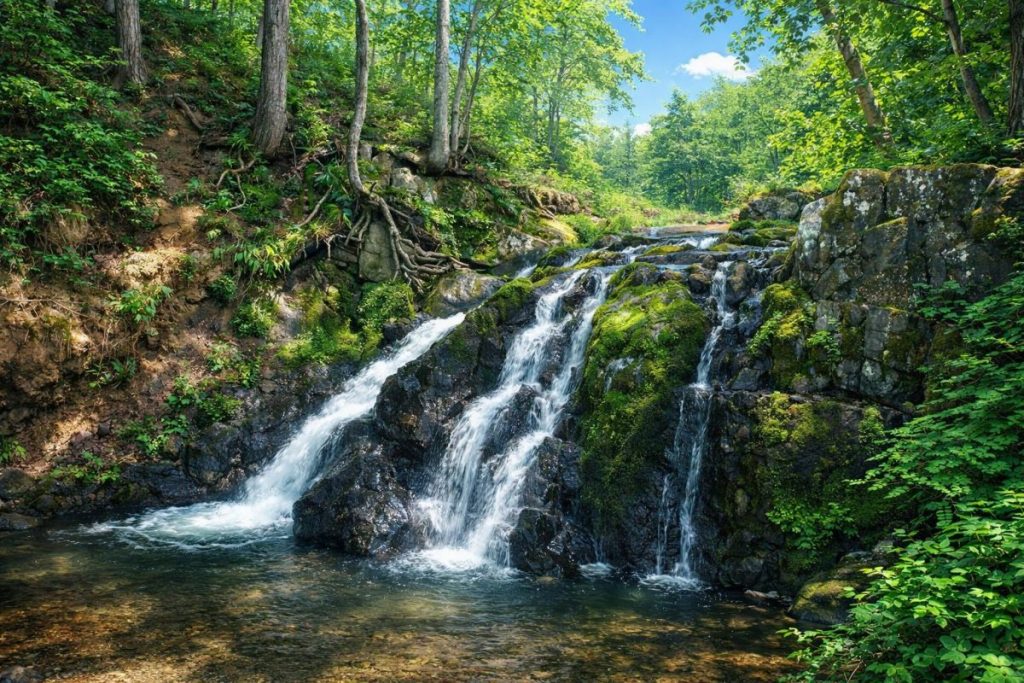
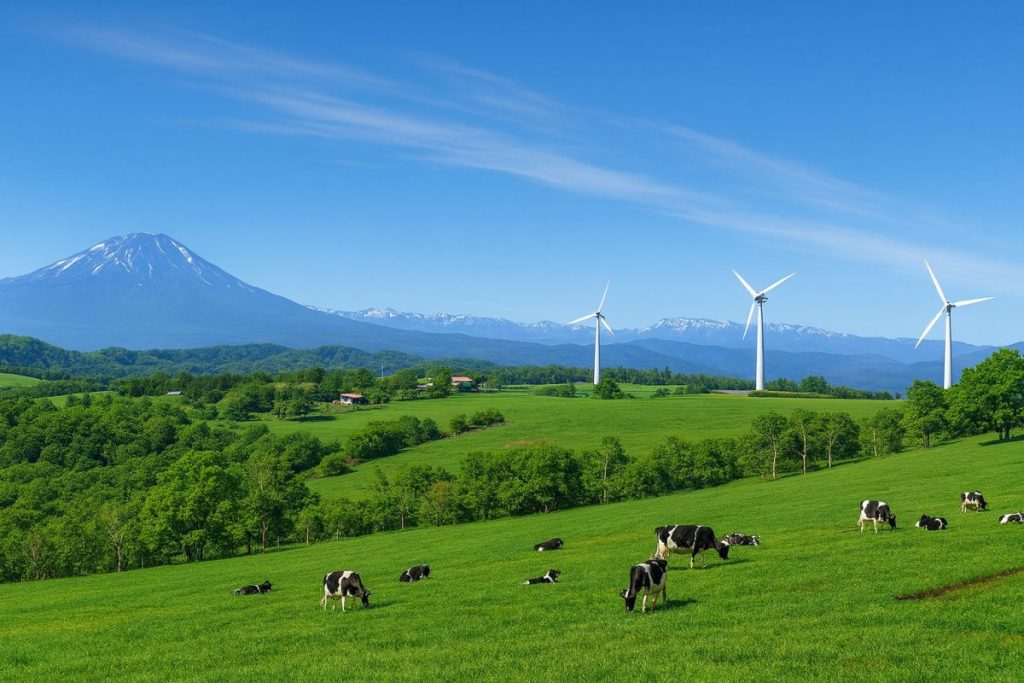
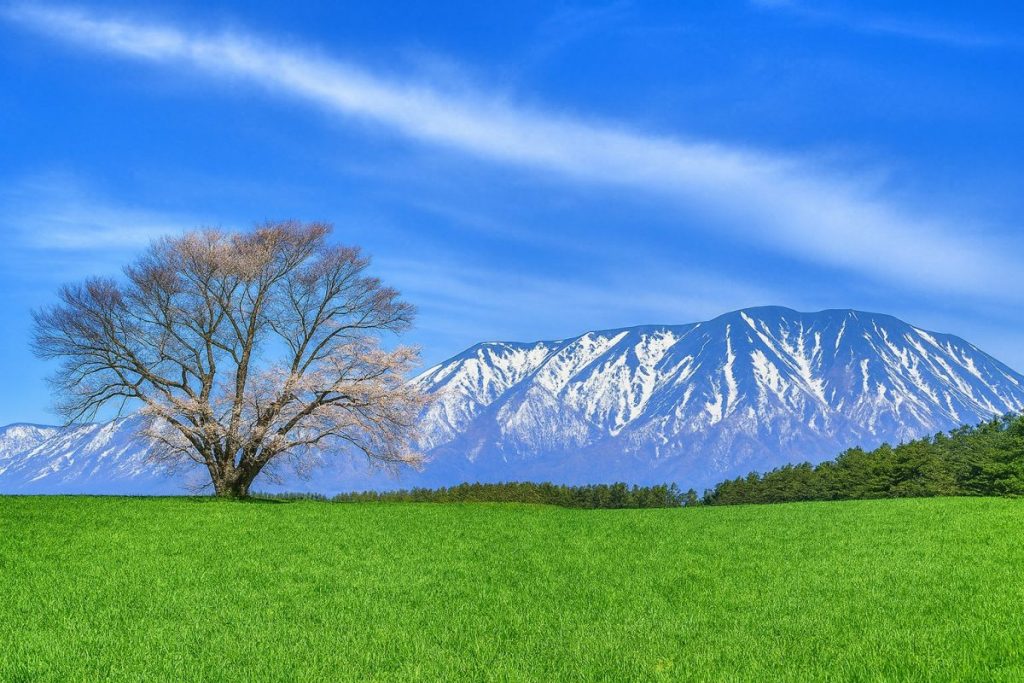
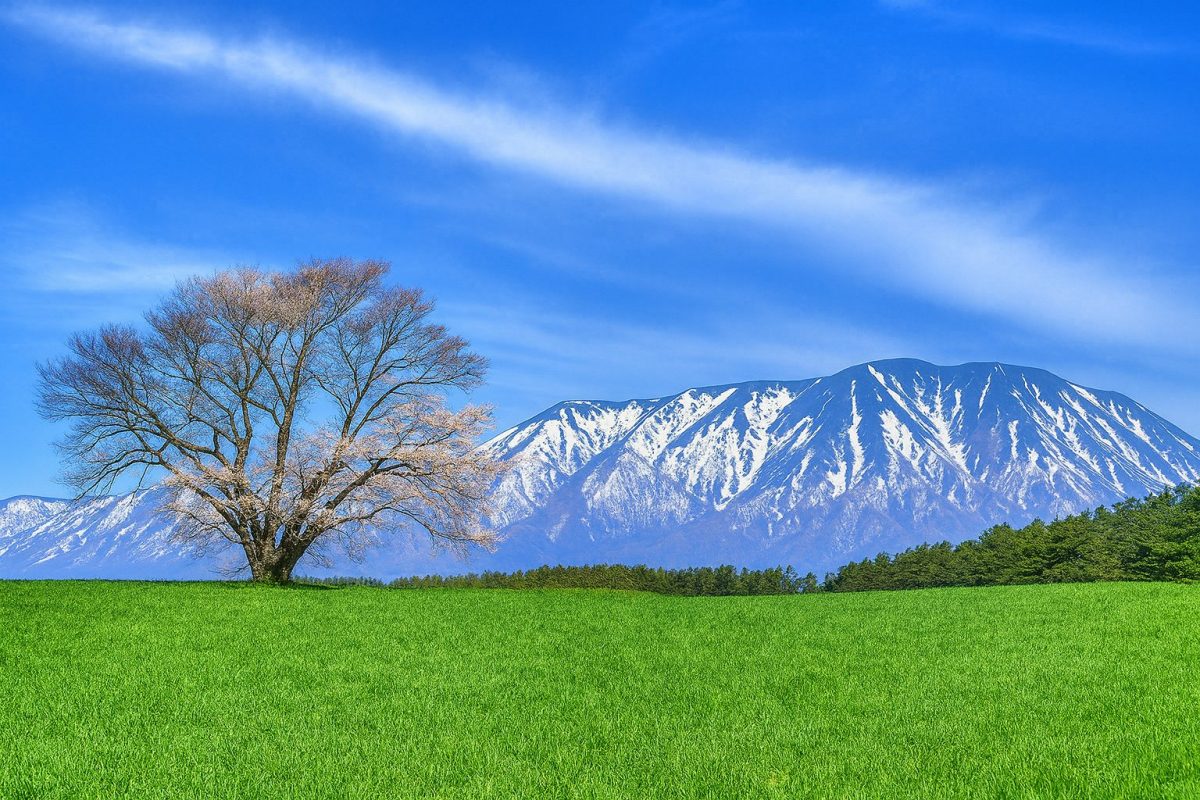
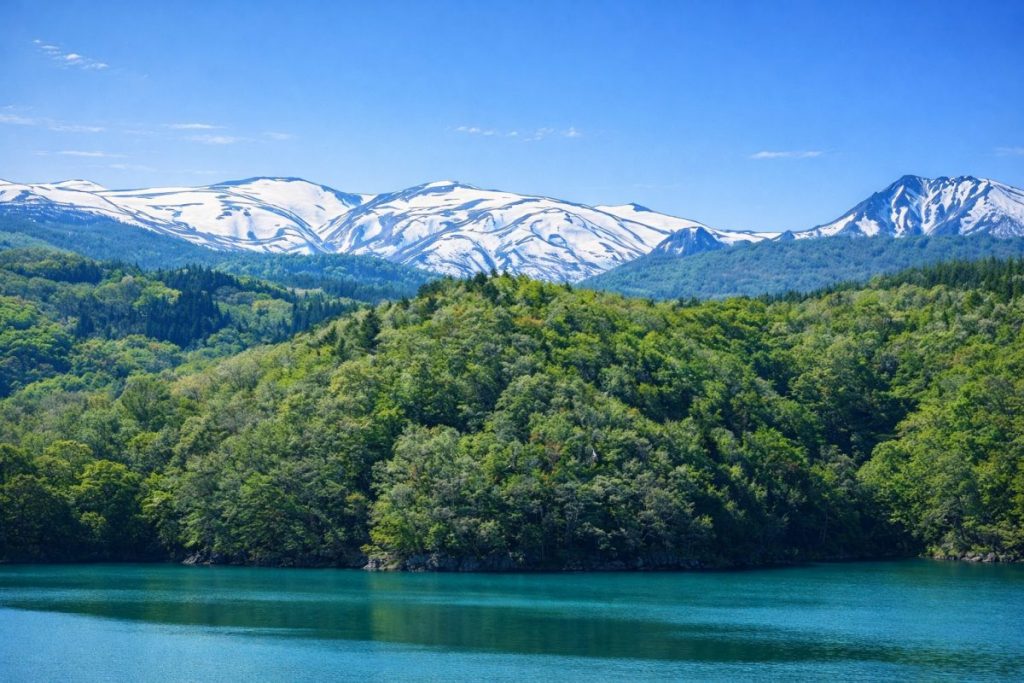
Shizukuishi Town is located in central Iwate Prefecture and lies at the western gateway of the Morioka metropolitan area. It borders Morioka City to the east, Hachimantai City to the north, Shiwa Town to the south, and Semboku City in Akita Prefecture to the west. Much of the town is spread across the foothills of the Ōu Mountains and Mt. Iwate, while clear rivers such as the Shizukuishi River, the Kakkonda River, and the Tatsuko River flow through the area. Lake Gosho, formed by the Gosho Dam, plays an important role in both water management and the local landscape.
The town is widely known for major attractions including Koiwai Farm, Oshuku Onsen, Amihari Onsen, and Shizukuishi Ski Resort. In 1993, the town gained international recognition by hosting the Alpine World Ski Championships at Shizukuishi Ski Resort. Shizukuishi has developed as a region where agriculture, tourism, and rich natural environments coexist, shaped by a severe climate and heavy snowfall.
History
The history of Shizukuishi is ancient, with stone tools from the Ice Age and numerous archaeological sites indicating human settlement since prehistoric times. In 801, during the campaigns of Sakanoue no Tamuramaro, the area came under the influence of the central government. Throughout the medieval period, the region was contested by powerful clans such as the Abe, Kiyohara, Northern Fujiwara, and Nanbu families. During the Nanboku-chō period, Kitabatake Akinobu is said to have established a residence in Shizukuishi, giving rise to the place name “Gosho.”
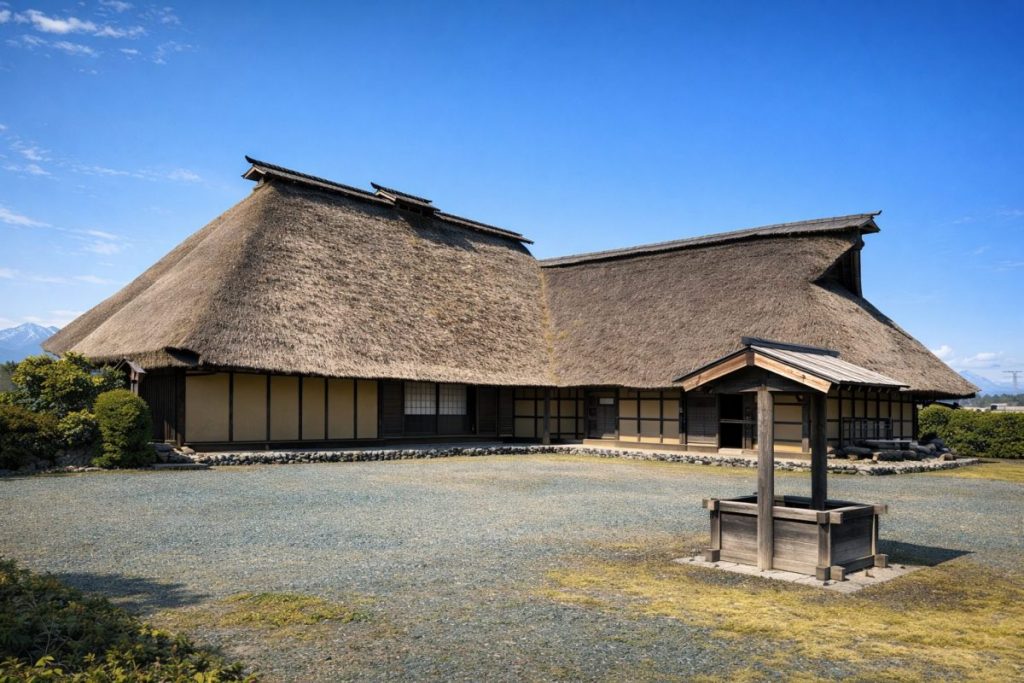
Under the Edo period Nanbu Domain, Shizukuishi lay along the border with the Akita Domain and served as a strategic transportation and defense point, marked by the Hashiba checkpoint. In the Meiji era, Koiwai Farm was founded by Ono Yoshimasa, Iwasaki Yanosuke, and Inoue Masaru, becoming a cornerstone of modern agriculture in northern Japan. The town has also experienced major historical events, including the 1971 All Nippon Airways Flight 58 mid-air collision, the 1998 Northern Iwate Inland Earthquake, and the severe rainfall disaster of 2013, all of which have shaped its modern history.
Culture and Traditions
The culture of Shizukuishi is deeply rooted in agriculture, mountain worship, and hot spring traditions. Local festivals such as the “Shizukuishi Yoshare Festival” and the “Nanbu Yoshare National Competition” preserve a dynamic folk dance tradition characterized by powerful movements and rhythms. These events draw participants and spectators from across the region.
Shizukuishi is also closely associated with the poet and writer Kenji Miyazawa, who frequently visited areas such as Koiwai Farm and the Nanatsumori hills. These landscapes are believed to have influenced his literary works, including motifs found in his famous poems and fairy tales. Life in Shizukuishi has long been shaped by harsh winters and heavy snowfall, fostering strong community bonds and a culture of mutual support, especially in hot spring villages scattered throughout the town.
Local Specialties
-
Koiwai Dairy Products (Milk, Butter, Cheese)
Dairy products produced at Koiwai Farm are regarded as some of the highest quality in Japan. Their butter and cheese are especially well known for their rich flavor and aroma, and have earned nationwide recognition over many decades. -
Shizukuishi Beef
A locally branded beef raised in the cool climate and clean water of the Mt. Iwate foothills. It is prized for its fine marbling and well-balanced flavor of lean meat and fat, and is popular at local restaurants and as a premium gift item. -
Anecco Rice (Hitomebore / Ginga no Shizuku)
High-quality rice grown using the large temperature differences and clear water of Shizukuishi. It is available at places such as Michi-no-Eki Shizukuishi Anecco, and is known for its pleasant sweetness and balanced texture. -
Shizukuishi Apples
Apples cultivated in the cool climate of the region, characterized by firm flesh and a well-balanced sweetness and acidity. They are enjoyed fresh as well as processed into juice and other products. -
Wild Grape (Yamabudō) Products
Juices and wines made from wild grapes native to the Ōu Mountains. They feature a distinctive, robust acidity and deep flavor, and are gaining attention as specialty products that make use of local natural resources. -
Hot Spring Manju (Oshuku Onsen)
A traditional local sweet long associated with Oshuku Onsen. These manju feature a brown-sugar-flavored dough and simple, mildly sweet filling, making them a classic souvenir for visitors. -
Nambu Ironware (Craft Items)
Traditional ironware connected to the broader Nambu region, including teapots and cookware. These items are valued for both durability and design, and are sold in Shizukuishi as daily-use goods and souvenirs. -
Local Sake (Limited Regional Bottlings)
Japanese sake brewed by Iwate Prefecture breweries using clear local water sources. Some labels are distributed only in the area, and are appreciated for their compatibility with local cuisine.
Living and Relocation Information
- Daily Convenience: Morioka City can be reached by car in approximately 20–30 minutes. The town offers supermarkets, medical facilities, financial institutions, and public services sufficient for daily life.
- Child-Rearing Environment: Elementary and junior high schools are distributed across the town, providing education closely connected to nature and local traditions, making the area attractive to families seeking a calm living environment.
- Medical Care: Local clinics are available, with easy access to large hospitals in Morioka City.
- Housing: Detached houses are common in the plains, and land prices are generally lower than in Morioka City.
- Lifestyle Features: Heavy snowfall requires winter preparedness, but residents enjoy a lifestyle closely connected to seasonal changes and surrounding nature.
Climate and Living Environment
- A continental climate with large daily and annual temperature variations.
- Heavy snowfall in winter, with average annual snowfall of around 480 cm.
- Relatively cool summers compared with nearby urban areas.
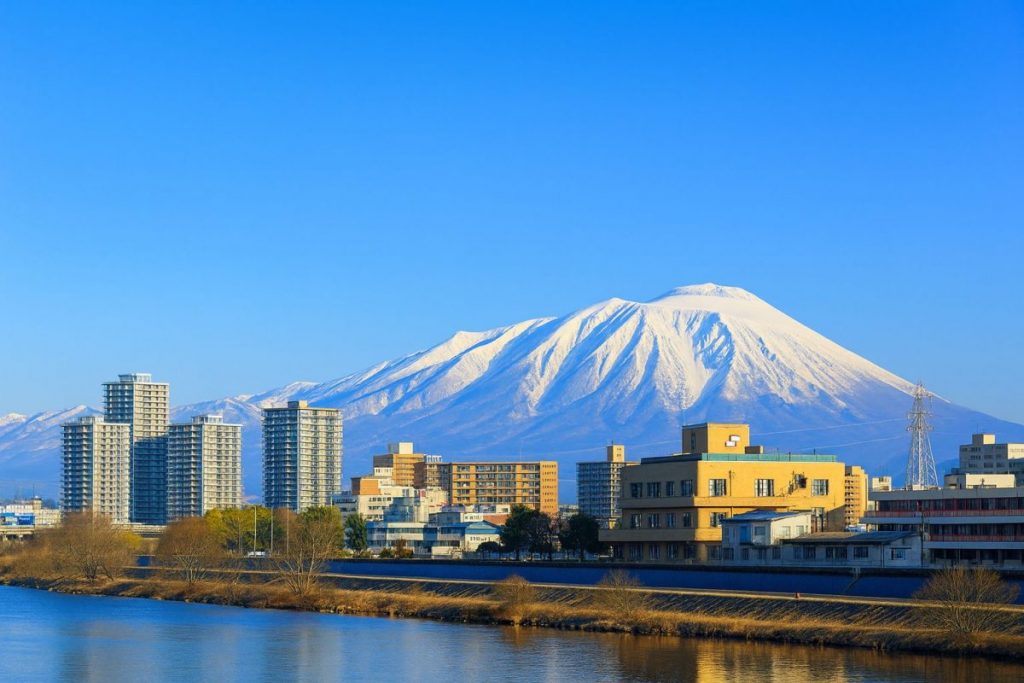
- Everyday life is enriched by views of Mt. Iwate and Lake Gosho.
Regional Characteristics (by Area)
- Shizukuishi Area: The administrative and commercial center of the town, home to the town hall and Shizukuishi Station.
- Gosho Area: A scenic area centered around Lake Gosho. Lake Gosho
- Omiyojin Area: A mountainous region with well-known hot springs such as Gembu Onsen.
- Nishiyama Area: A highland area near the Akita border, home to Amihari Onsen and ski resorts.
Access
-
Railway:
JR Tazawako Line:
Akabuchi Station –
Shizukuishi Station –
Harukiba Station
(Shizukuishi Station is served by the Akita Shinkansen.) - Roads: National Route 46 connects the town with Morioka City and Akita Prefecture.
- Buses: Operated by Iwate Prefectural Transportation and the town-run Anecco Bus.
Tourist Attractions
- Koiwai Farm — One of Japan’s largest privately operated comprehensive farms.
- Oshuku Onsen — A historic hot spring resort long known for therapeutic bathing.
- Shizukuishi Ski Resort — A ski resort with a World Championship legacy.
- Michi-no-Eki Shizukuishi Anecco — A popular roadside station with hot spring facilities.
Related Links
Iwate Major Cities
-

Which Prefecture Is Ninohe City In? [Answer] Iwate Prefecture | Complete Guide to Ninohe City (Sightseeing, Culture, Local Products & Access)
-
Which Prefecture Is Kuji City In? [Answer] Iwate Prefecture | Complete Guide to Kuji City (Sightseeing, Culture, Local Products & Access)
-
Which Prefecture Is Ofunato City In? [Answer] Iwate Prefecture | Complete Guide to Ofunato City (Sightseeing, Culture, Local Products & Access)
-
Which Prefecture Is Miyako City In? [Answer] Iwate Prefecture | Complete Guide to Miyako City (Sightseeing, Culture, Local Products & Access)
-
Which Prefecture Is Kamaishi City In? [Answer] Iwate Prefecture | Complete Guide to Kamaishi City (Sightseeing, Culture, Local Products & Access)
-
Which Prefecture Is Kitakami City In? [Answer] Iwate Prefecture | Complete Guide to Kitakami City (Sightseeing, Culture, Local Products & Access)
-
Which Prefecture Is Hanamaki City In? [Answer] Iwate Prefecture | Complete Guide to Hanamaki City (Sightseeing, Culture, Local Products & Access)
-
Which Prefecture Is Ichinoseki City In? [Answer] Iwate Prefecture | Complete Guide to Ichinoseki City (Sightseeing, Culture, Local Products & Access)
-
Which Prefecture Is Oshu City In? [Answer] Iwate Prefecture | Complete Guide to Oshu City (Sightseeing, Culture, Local Products & Access)
-
Which Prefecture Is Morioka City In? [Answer] Iwate Prefecture | Complete Guide to Morioka City (Sightseeing, Culture, Local Products & Access)
Morioka Regional Development Bureau
-
Which Prefecture Is Yahaba Town In? [Answer] Iwate Prefecture | Complete Guide to Yahaba Town (Sightseeing, Culture, Local Products & Access)
-
Which Prefecture Is Shiwa Town In? [Answer] Iwate Prefecture | Complete Guide to Shiwa Town (Sightseeing, Culture, Local Products & Access)
-
Which Prefecture Is Iwate Town In? [Answer] Iwate Prefecture | Complete Guide to Iwate Town (Sightseeing, Culture, Local Products & Access)
-
Which Prefecture Is Kuzumaki Town In? [Answer] Iwate Prefecture | Complete Guide to Kuzumaki Town (Sightseeing, Culture, Local Products & Access)
-
Which Prefecture Is Shizukuishi Town In? [Answer] Iwate Prefecture | Complete Guide to Shizukuishi Town (Sightseeing, Culture, Local Products & Access)
-
Which Prefecture Is Takizawa City In? [Answer] Iwate Prefecture | Complete Guide to Takizawa City (Sightseeing, Culture, Local Products & Access)
-
Which Prefecture Is Hachimantai City In? [Answer] Iwate Prefecture | Complete Guide to Hachimantai City (Sightseeing, Culture, Local Products & Access)
-
Which Prefecture Is Morioka City In? [Answer] Iwate Prefecture | Complete Guide to Morioka City (Sightseeing, Culture, Local Products & Access)