| population | 104,185 peoples |
|---|---|
| area | 993.30 km² |
| population density | 105 peoples/km² |
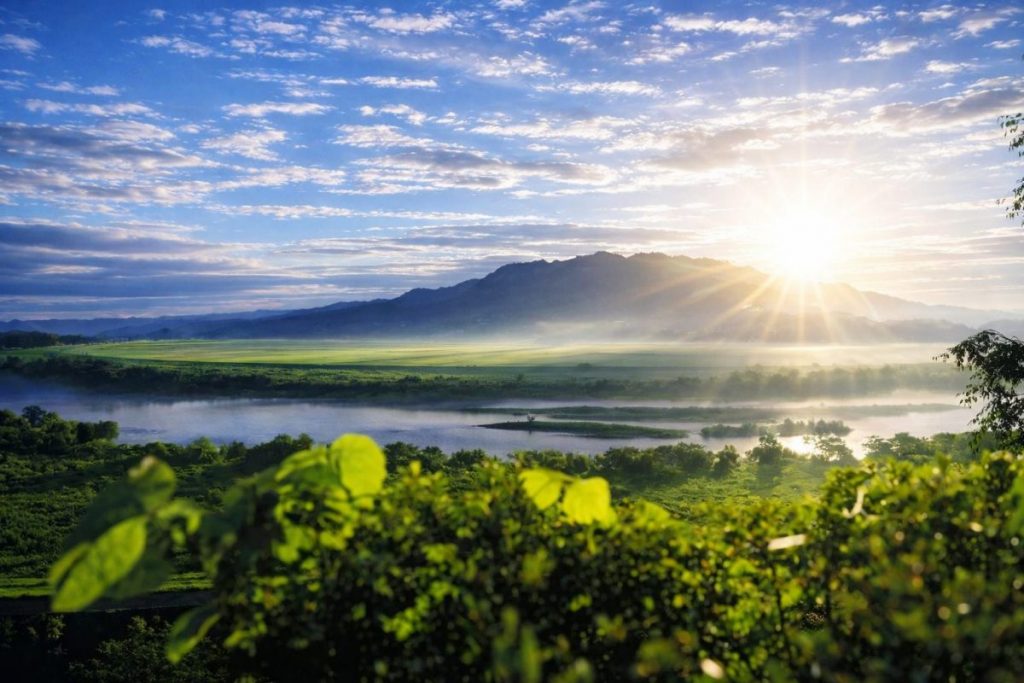
Oshu City is located in the southern inland area of Iwate Prefecture and is the second most populous municipality in the prefecture after Morioka City. It serves as the central city of the Tango region and has long developed as an important administrative, economic, and cultural hub. The city lies in the southern part of the Kitakami Basin, bordered by the Ou Mountains to the west and the Kitakami Highlands to the east, with the Kitakami River flowing north to south through its center. The extensive Isawa alluvial fan and surrounding mountainous terrain have supported agriculture and human settlement since ancient times.
Oshu City was established in 2006 through the merger of Mizusawa City, Esashi City, Maesawa Town, Isawa Town, and Koromogawa Village. Today, it functions as the seat of the Southern Iwate Regional Promotion Bureau and is characterized by a well-balanced industrial structure that integrates agriculture, manufacturing, and commerce. The city is widely known for its premium agricultural products such as Maesawa Beef, as well as its rich historical heritage and convenient transportation infrastructure.
History
The area that now forms Oshu City has played a central role in the history of northeastern Japan since ancient times. Archaeological sites such as the Isawa Castle Ruins and the Tsunotsuka Tumulus testify to its importance during the early development of the region, particularly during conflicts between the imperial court and the Emishi people. In the Heian period, the Tango area became a strategic base for the Northern Fujiwara clan, supporting the prosperity of the Hiraizumi cultural sphere as an economic and production center.
During the early modern period, the area was governed by the Sendai Domain, where castle towns and post stations such as Mizusawa and Iwayado flourished through commerce and river transport. With the modernization of transportation networks in the Meiji era and beyond, Oshu strengthened its industrial and logistical foundations. The municipal merger in 2006 marked the beginning of the modern city of Oshu, which continues to preserve its layered historical legacy across its districts.
Culture and Traditions
Oshu City’s cultural identity is shaped by a combination of rural traditions and a long continuum of historical heritage rooted in the Tango region. Traditional festivals such as the Hidaka Fire Prevention Festival reflect community-based beliefs tied to daily life and disaster prevention. Folk performing arts, including Onikenbai and Shishiodori (deer dance), have been carefully preserved and passed down through generations as expressions of local spirituality and communal bonds.
The city is also renowned for producing prominent historical figures such as Choei Takano, Shinpei Goto, and Makoto Saito, whose legacies are preserved in museums and historic residences. In addition, traditional crafts such as Nambu ironware and Iwayado tansu cabinetry remain integral to the city’s cultural and industrial landscape, connecting everyday life with craftsmanship refined over centuries.
Local Products
-
Maesawa Beef:
A nationally acclaimed brand of Japanese Black Wagyu raised in the Maesawa area. It is distinguished by its fine marbling, tenderness, and rich flavor, and is widely distributed as a high-end gift and restaurant ingredient.
View the Maesawa Beef production area -
Esashi Apples:
Apples cultivated in the Esashi area benefit from large temperature differences typical of inland climates, resulting in well-balanced sweetness and acidity. They are primarily shipped for fresh consumption.
View the Esashi apple-growing area -
Esashi Kin-satsuma Rice:
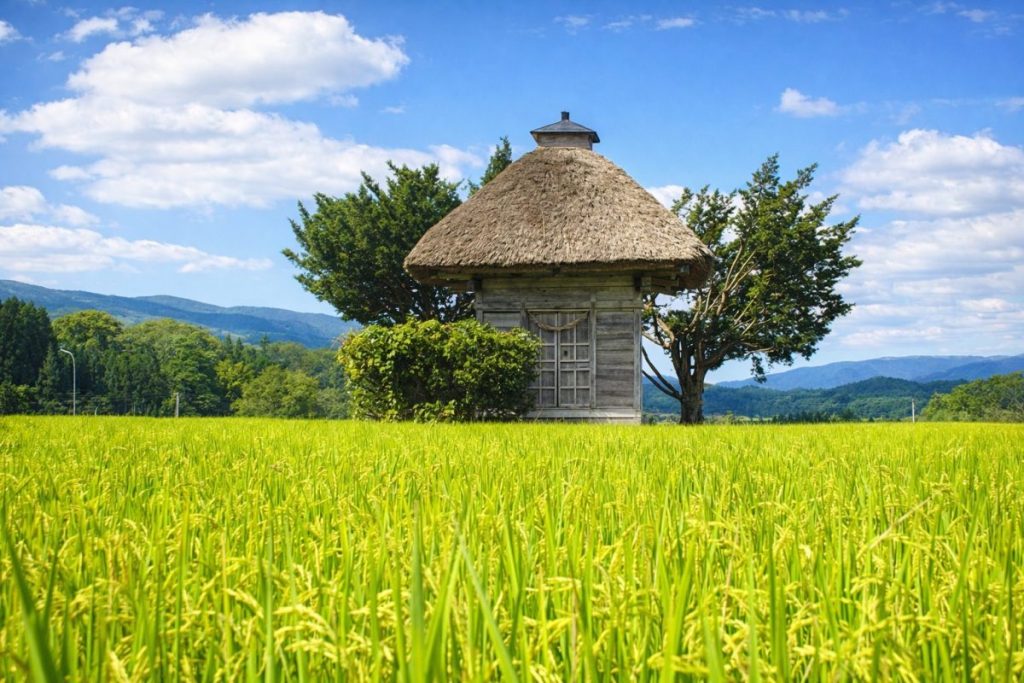
A premium rice brand grown on the fertile Isawa alluvial fan. Known for its aroma and texture when cooked, it is regarded as one of Iwate Prefecture’s representative rice varieties.
View the Isawa alluvial fan rice fields -
Nambu Ironware:
Traditional cast-iron products manufactured in and around Oshu. Items such as iron kettles and cookware are highly valued both domestically and internationally, with exports increasing in recent years.
View Nambu ironware-related facilities -
Iwayado Tansu:
High-quality wooden chests produced mainly in the Esashi area. Characterized by durable construction, lacquer finishes, and ornate metal fittings, they are recognized as a traditional Japanese craft.
View the Iwayado Tansu production area
Living and Relocation Information
- Daily Convenience:Commercial facilities, medical institutions, and administrative offices are concentrated mainly in the Mizusawa area, allowing residents to meet daily needs within the city.
- Child-Rearing Environment:Schools and childcare facilities are distributed across districts, offering an environment enriched by nature and community involvement.
- Healthcare:General hospitals and clinics are located within the city, with access to advanced medical services in neighboring urban centers.
- Housing:Residential areas range from urban neighborhoods to rural settings, with many detached houses and stable land prices.
- Lifestyle Features:Although snowfall occurs in winter, snow removal systems are well organized, enabling residents to enjoy a lifestyle shaped by four distinct seasons.
Climate and Living Environment
- The city experiences an inland climate with significant temperature differences between summer and winter.
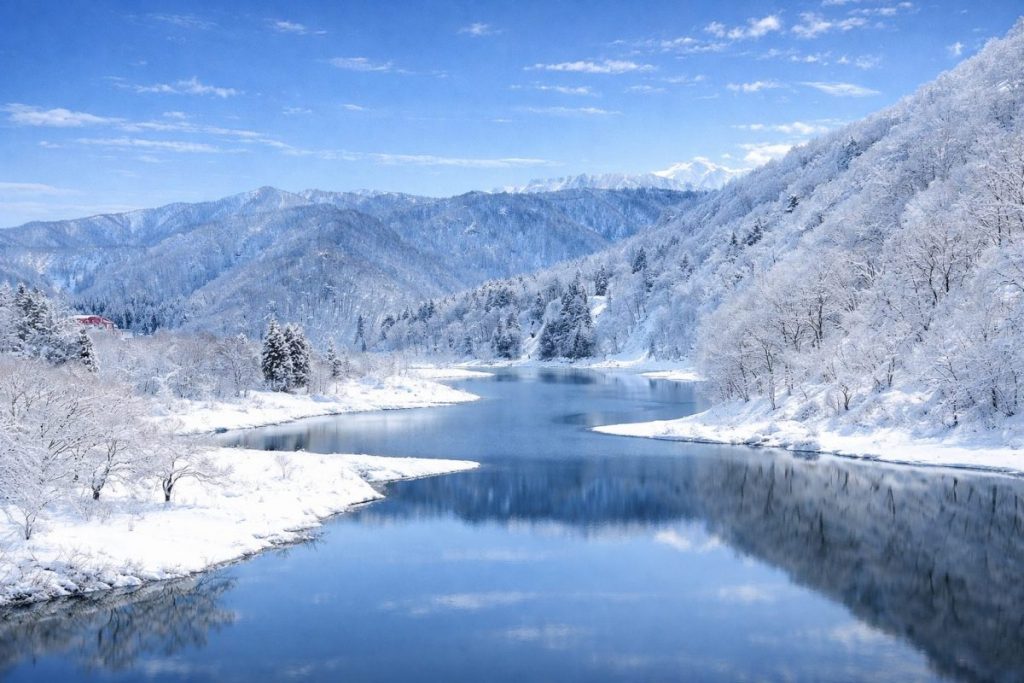
- Snowfall is common in winter, particularly in mountainous areas such as Isawa and Koromogawa.
- Summers are relatively dry and comfortable compared to coastal regions.
- The Kitakami River and surrounding mountains define the city’s everyday scenery.
District Characteristics
- Mizusawa Area:The administrative, commercial, and transportation center of Oshu City, centered around Mizusawa Station.
- Esashi Area:A district rich in historical townscapes and traditional crafts, particularly around the Iwayado area.
- Maesawa Area:Known as the production center of Maesawa Beef, combining agricultural land with residential zones near Maesawa Station.
- Isawa and Koromogawa Areas:Rural districts characterized by expansive farmland, mountainous terrain, and natural tourism resources.
Access
-
Railways:
Tohoku Shinkansen: Mizusawa-Esashi Station
JR Tohoku Main Line: Maesawa Station – Mizusawa Station - Roads: Tohoku Expressway (Mizusawa IC), National Route 4
- Buses:Local and regional bus services operated by Iwate Kenkotsu and Tohban Kotsu connect districts throughout the city.
Tourist Attractions
- Esashi Fujiwara Heritage Park — A historical theme park recreating Heian-period architecture.
- Isawa Dam — One of Japan’s largest rock-fill dams.
- Shoboji Temple — One of the three head temples of the Soto Zen sect.
Related Links
Iwate Major Cities
-

Which Prefecture Is Ninohe City In? [Answer] Iwate Prefecture | Complete Guide to Ninohe City (Sightseeing, Culture, Local Products & Access)
-
Which Prefecture Is Kuji City In? [Answer] Iwate Prefecture | Complete Guide to Kuji City (Sightseeing, Culture, Local Products & Access)
-
Which Prefecture Is Ofunato City In? [Answer] Iwate Prefecture | Complete Guide to Ofunato City (Sightseeing, Culture, Local Products & Access)
-
Which Prefecture Is Miyako City In? [Answer] Iwate Prefecture | Complete Guide to Miyako City (Sightseeing, Culture, Local Products & Access)
-
Which Prefecture Is Kamaishi City In? [Answer] Iwate Prefecture | Complete Guide to Kamaishi City (Sightseeing, Culture, Local Products & Access)
-
Which Prefecture Is Kitakami City In? [Answer] Iwate Prefecture | Complete Guide to Kitakami City (Sightseeing, Culture, Local Products & Access)
-
Which Prefecture Is Hanamaki City In? [Answer] Iwate Prefecture | Complete Guide to Hanamaki City (Sightseeing, Culture, Local Products & Access)
-
Which Prefecture Is Ichinoseki City In? [Answer] Iwate Prefecture | Complete Guide to Ichinoseki City (Sightseeing, Culture, Local Products & Access)
-
Which Prefecture Is Oshu City In? [Answer] Iwate Prefecture | Complete Guide to Oshu City (Sightseeing, Culture, Local Products & Access)
-
Which Prefecture Is Morioka City In? [Answer] Iwate Prefecture | Complete Guide to Morioka City (Sightseeing, Culture, Local Products & Access)
Ken-nan Regional Development Bureau
-
Which Prefecture Is Nishiwaga Town In? [Answer] Iwate Prefecture | Complete Guide to Nishiwaga Town (Sightseeing, Culture, Local Products & Access)
-
Which Prefecture Is Hiraizumi Town In? [Answer] Iwate Prefecture | Complete Guide to Hiraizumi Town (Sightseeing, Culture, Local Products & Access)
-
Which Prefecture Is Kanegasaki Town In? [Answer] Iwate Prefecture | Complete Guide to Kanegasaki Town (Sightseeing, Culture, Local Products & Access)
-
Which Prefecture Is Tono City In? [Answer] Iwate Prefecture | Complete Guide to Tono City (Sightseeing, Culture, Local Products & Access)
-
Which Prefecture Is Kitakami City In? [Answer] Iwate Prefecture | Complete Guide to Kitakami City (Sightseeing, Culture, Local Products & Access)
-
Which Prefecture Is Hanamaki City In? [Answer] Iwate Prefecture | Complete Guide to Hanamaki City (Sightseeing, Culture, Local Products & Access)
-
Which Prefecture Is Ichinoseki City In? [Answer] Iwate Prefecture | Complete Guide to Ichinoseki City (Sightseeing, Culture, Local Products & Access)
-
Which Prefecture Is Oshu City In? [Answer] Iwate Prefecture | Complete Guide to Oshu City (Sightseeing, Culture, Local Products & Access)