| population | 101,637 peoples |
|---|---|
| area | 1,256.42 km² |
| population density | 80.9 peoples/km² |
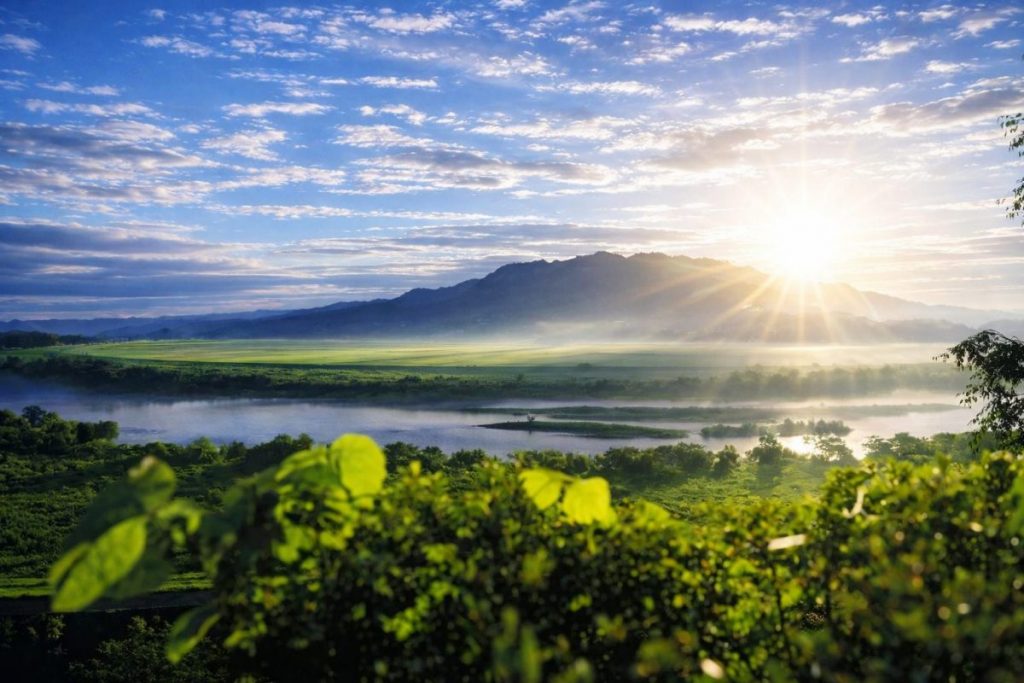
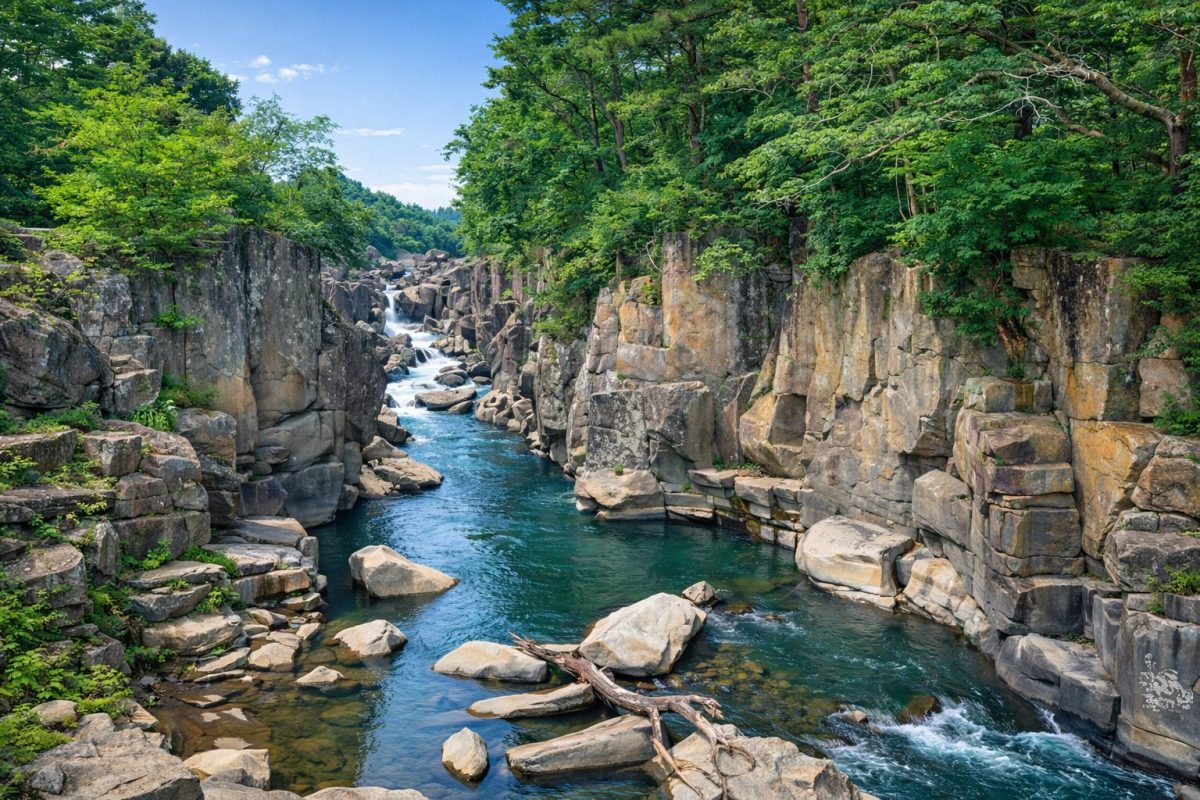
Ichinoseki City is located at the southernmost end of Iwate Prefecture and serves as a major regional hub in southern Iwate. It borders both Miyagi Prefecture and Akita Prefecture, giving it an important wide-area geographical role. With a total area of approximately 1,256 square kilometers, Ichinoseki is one of the largest municipalities in Iwate Prefecture. The city’s landscape ranges from inland plains to mountainous and highland areas, framed by the Kitakami Mountains to the east and the Ōu Mountains to the west. The Kitakami River flows north to south through the central part of the city, while tributaries such as the Iwai River support agriculture and settlements.
The present-day Ichinoseki City was established in 2005 through a major municipal merger centered on the former Ichinoseki City, creating the third iteration of the city under the same name. Since then, Ichinoseki has developed as a city where history, culture, nature, and industry overlap in complex layers. Anchored by Ichinoseki Station, where the Tōhoku Shinkansen and conventional rail lines intersect, the city has long functioned as a key transportation node connecting southern Iwate with neighboring regions. Together with nearby Hiraizumi Town, Ichinoseki forms a shared historical and cultural sphere, offering a living environment where urban convenience and rich natural surroundings coexist.
History
The area that is now Ichinoseki City has been recognized as a strategic transportation and military corridor since ancient times. During the Heian period, it became a battlefield in the Former Nine Years’ War and the Later Three Years’ War, and later served as the southern gateway to Hiraizumi under the rule of the Northern Fujiwara clan. In the medieval period, the region came under the control of the Kasai clan, and through the Sengoku era it was eventually incorporated into the Sendai Domain during the early modern period. The establishment of the Ichinoseki Domain in the Edo period further shaped the city as both a castle town and a post station along major highways.
Following the Meiji Restoration, the area underwent repeated administrative reorganization. Ichinoseki achieved city status three times through new municipal formations, in 1948, 1955, and 2005. The 2005 Heisei-era merger combined the former Ichinoseki City with Hanazumi Town, Daitō Town, Senmaya Town, Higashiyama Town, Murone Village, and Kawasaki Village, creating one of the largest cities by area in Iwate Prefecture. Subsequent boundary adjustments, including the incorporation of Fujisawa Town, resulted in the present city limits. Despite experiencing natural disasters and social change, Ichinoseki continues to pursue sustainable regional development by making use of its historical and natural assets.
Culture and Traditions
Ichinoseki City is characterized by a cultural landscape shaped by inland agricultural traditions and the legacy of a former castle town. One of its most distinctive cultural features is its mochi (rice cake) food culture. Unlike most regions in Japan, mochi is eaten not only during the New Year but throughout the year in connection with seasonal events and daily life. The Ichinoseki–Hiraizumi area is especially known for the extraordinary variety of mochi dishes that have been preserved and developed over generations.
As a center for historical preservation, the city is home to the Ichinoseki City Museum, which exhibits archaeological finds, historical documents, and folk materials from the region, including swords associated with the legendary Mokusa swordsmiths. In addition, traditional performing arts such as shishiodori (deer dances) and kagura are maintained in local communities and performed at festivals and rituals. These cultural practices reflect a close relationship between nature, belief, and daily life that continues to define Ichinoseki’s regional identity.
Local Products
-
Mochi Culture and Mochi Dishes:
The Ichinoseki and Hiraizumi area is widely recognized as one of Japan’s leading mochi culture regions. A wide range of mochi dishes—such as walnut mochi, zunda mochi, and shrimp mochi—are prepared for ceremonies, seasonal events, and everyday meals. These dishes can be enjoyed at local restaurants and farmers’ markets throughout the city.
Explore mochi cuisine in Ichinoseki -
Iwai Beef and Iwate Nambu Beef:
These branded beef products are raised within the JA Iwate Hiraizumi agricultural cooperative area, which includes Ichinoseki City. Careful feeding practices and the region’s temperature variations produce finely textured, high-quality meat. Iwai Beef is distributed nationwide, while Iwate Nambu Beef is primarily supplied to premium markets.
JA Iwate Hiraizumi - Mokusa Swords: Mokusa swords, regarded as one of the origins of Japanese sword-making, represent a key historical craft of Ichinoseki. Related artifacts and documentation can be viewed at the Ichinoseki City Museum.
-
Agricultural Products (Rice and Vegetables):
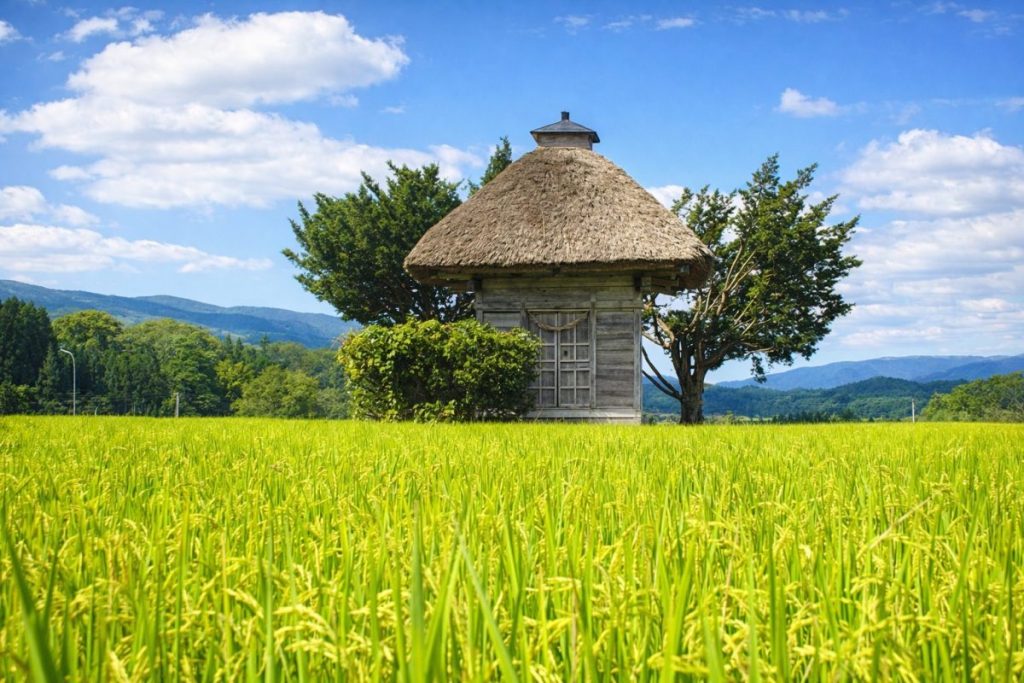
Rice cultivation along the Kitakami River and vegetable farming in upland areas are central to local agriculture. Fresh local produce is widely available at roadside stations and direct-sales markets within the city.
Michi-no-Eki Genbikei
Living and Relocation Information
- Daily Convenience:Commercial facilities, medical institutions, and administrative offices are concentrated around Ichinoseki Station, allowing most daily needs to be met within the city despite its large area.
- Child-Rearing Environment:The city offers a network of elementary, junior high, and high schools, with an emphasis on community-based education and nature-oriented learning opportunities.
- Medical Services:Ichinoseki functions as a medical center for southern Iwate, with general hospitals and clinics serving the wider region. Details are available on the official Ichinoseki City website.
- Housing:Residential options range from urban neighborhoods to rural and agricultural areas, with detached houses forming the core of the housing stock.
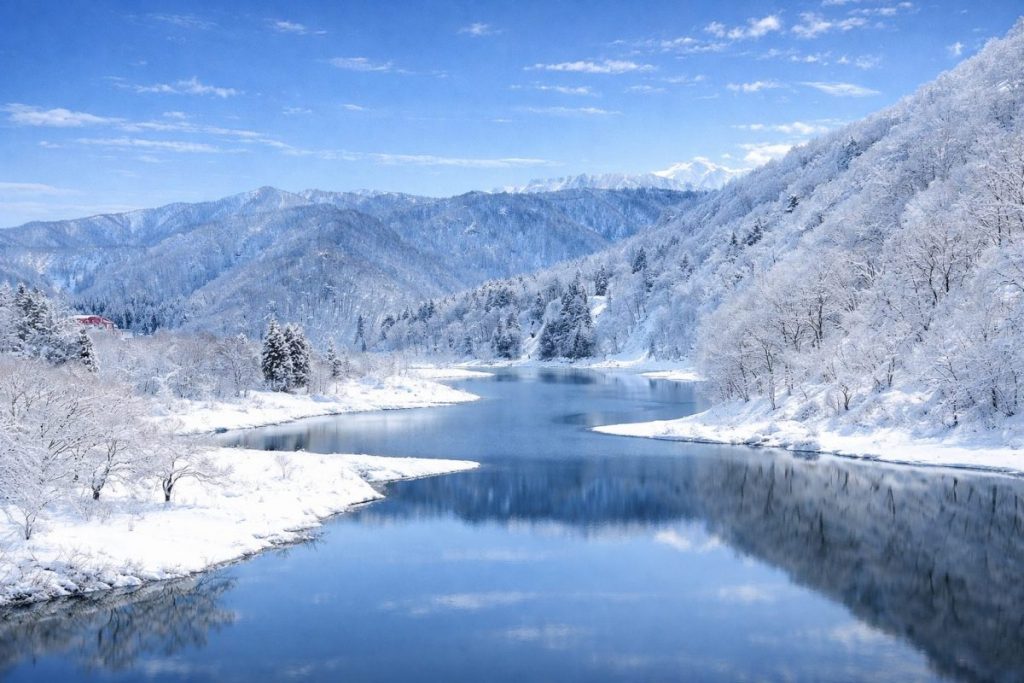
- Lifestyle Characteristics:As an inland city, winter cold and snowfall require preparation, but snow removal systems are well established across the city.
Climate and Living Environment
- Inland climate with large temperature differences between summer and winter.
- Significant snowfall in winter, with some areas designated as heavy snow regions.
- Hot and humid conditions can occur during summer due to inland weather patterns.
- Mountains, rivers, and farmland are closely integrated into everyday living environments.
Characteristics by Area
- Ichinoseki Area:The administrative and commercial center of the city, built around Ichinoseki Station.
- Hanazumi Area:A largely agricultural area where farmland and residential zones form a balanced rural landscape.
- Senmaya Area:The commercial hub of the eastern part of the city, serving surrounding rural communities.
- Higashiyama, Murone, Kawasaki, and Fujisawa Areas:Mountainous and highland regions rich in natural scenery and tourism resources.
Access
-
Railway:
Tōhoku Shinkansen: Ichinoseki Station
JR Tōhoku Main Line and Ōfunato Line: stations throughout the city - Roads: Tōhoku Expressway (Ichinoseki IC), National Route 4, National Route 284, and others
- Buses:Services operated by Iwate Prefectural Transportation, Tōban Kōtsū, and municipal bus systems connect urban and rural areas.
Tourist Attractions
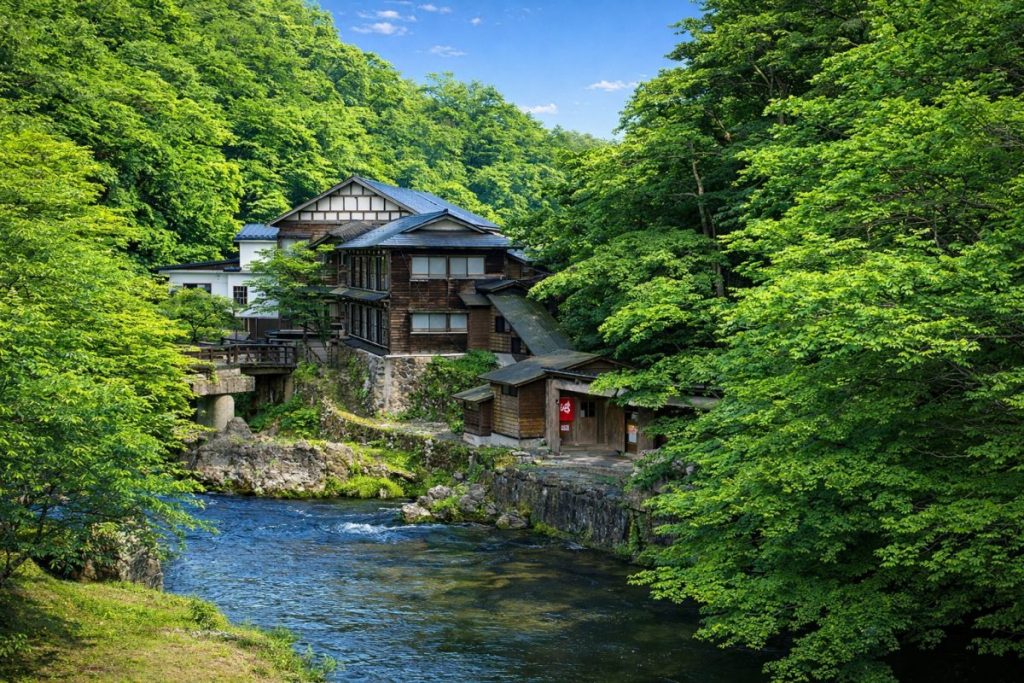
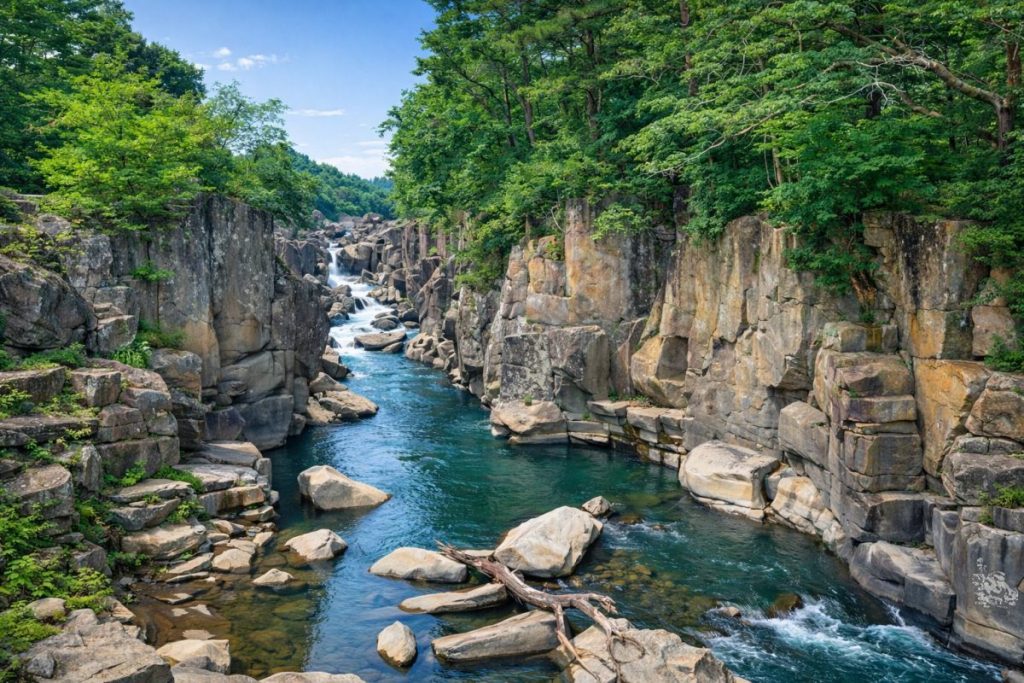
- Genbikei Gorge — A nationally designated Place of Scenic Beauty and Natural Monument.
- Geibikei Gorge — A famous scenic gorge known for traditional boat tours.
- Ichinoseki City Museum — A comprehensive introduction to local history and culture.
Related Links
Iwate Major Cities
-

Which Prefecture Is Ninohe City In? [Answer] Iwate Prefecture | Complete Guide to Ninohe City (Sightseeing, Culture, Local Products & Access)
-
Which Prefecture Is Kuji City In? [Answer] Iwate Prefecture | Complete Guide to Kuji City (Sightseeing, Culture, Local Products & Access)
-
Which Prefecture Is Ofunato City In? [Answer] Iwate Prefecture | Complete Guide to Ofunato City (Sightseeing, Culture, Local Products & Access)
-
Which Prefecture Is Miyako City In? [Answer] Iwate Prefecture | Complete Guide to Miyako City (Sightseeing, Culture, Local Products & Access)
-
Which Prefecture Is Kamaishi City In? [Answer] Iwate Prefecture | Complete Guide to Kamaishi City (Sightseeing, Culture, Local Products & Access)
-
Which Prefecture Is Kitakami City In? [Answer] Iwate Prefecture | Complete Guide to Kitakami City (Sightseeing, Culture, Local Products & Access)
-
Which Prefecture Is Hanamaki City In? [Answer] Iwate Prefecture | Complete Guide to Hanamaki City (Sightseeing, Culture, Local Products & Access)
-
Which Prefecture Is Ichinoseki City In? [Answer] Iwate Prefecture | Complete Guide to Ichinoseki City (Sightseeing, Culture, Local Products & Access)
-
Which Prefecture Is Oshu City In? [Answer] Iwate Prefecture | Complete Guide to Oshu City (Sightseeing, Culture, Local Products & Access)
-
Which Prefecture Is Morioka City In? [Answer] Iwate Prefecture | Complete Guide to Morioka City (Sightseeing, Culture, Local Products & Access)
Ken-nan Regional Development Bureau
-
Which Prefecture Is Nishiwaga Town In? [Answer] Iwate Prefecture | Complete Guide to Nishiwaga Town (Sightseeing, Culture, Local Products & Access)
-
Which Prefecture Is Hiraizumi Town In? [Answer] Iwate Prefecture | Complete Guide to Hiraizumi Town (Sightseeing, Culture, Local Products & Access)
-
Which Prefecture Is Kanegasaki Town In? [Answer] Iwate Prefecture | Complete Guide to Kanegasaki Town (Sightseeing, Culture, Local Products & Access)
-
Which Prefecture Is Tono City In? [Answer] Iwate Prefecture | Complete Guide to Tono City (Sightseeing, Culture, Local Products & Access)
-
Which Prefecture Is Kitakami City In? [Answer] Iwate Prefecture | Complete Guide to Kitakami City (Sightseeing, Culture, Local Products & Access)
-
Which Prefecture Is Hanamaki City In? [Answer] Iwate Prefecture | Complete Guide to Hanamaki City (Sightseeing, Culture, Local Products & Access)
-
Which Prefecture Is Ichinoseki City In? [Answer] Iwate Prefecture | Complete Guide to Ichinoseki City (Sightseeing, Culture, Local Products & Access)
-
Which Prefecture Is Oshu City In? [Answer] Iwate Prefecture | Complete Guide to Oshu City (Sightseeing, Culture, Local Products & Access)