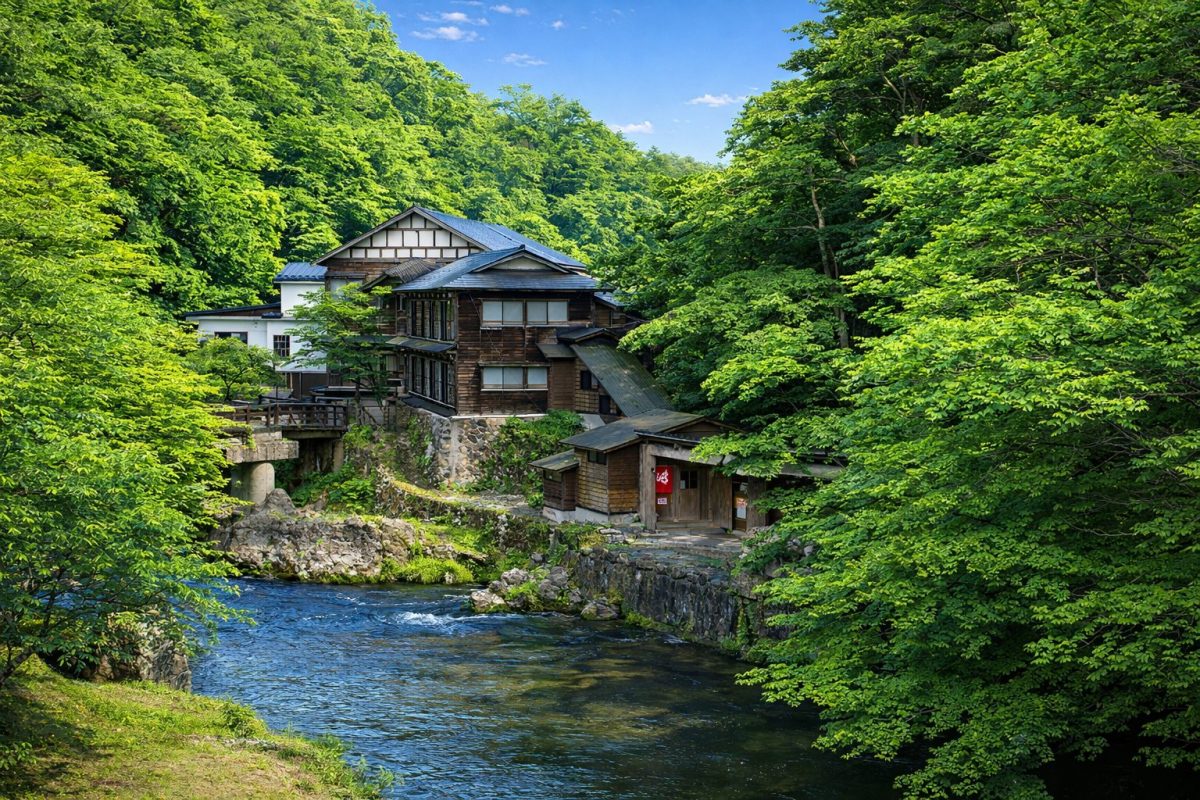
| population | 87,347 peoples |
|---|---|
| area | 908.39 km² |
| population density | 96.2 peoples/km² |
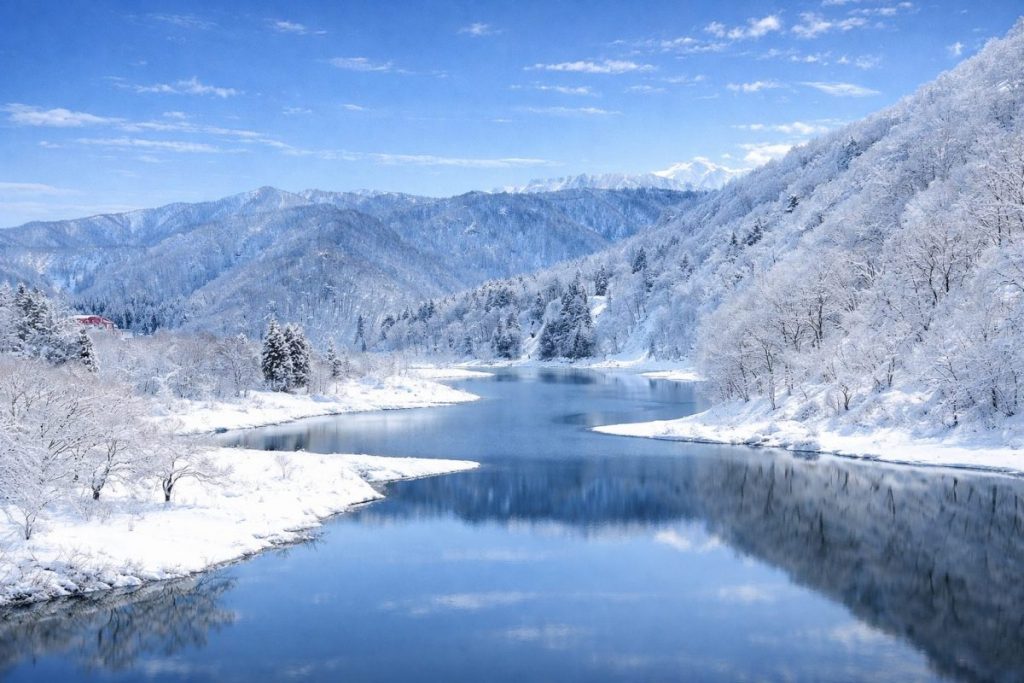
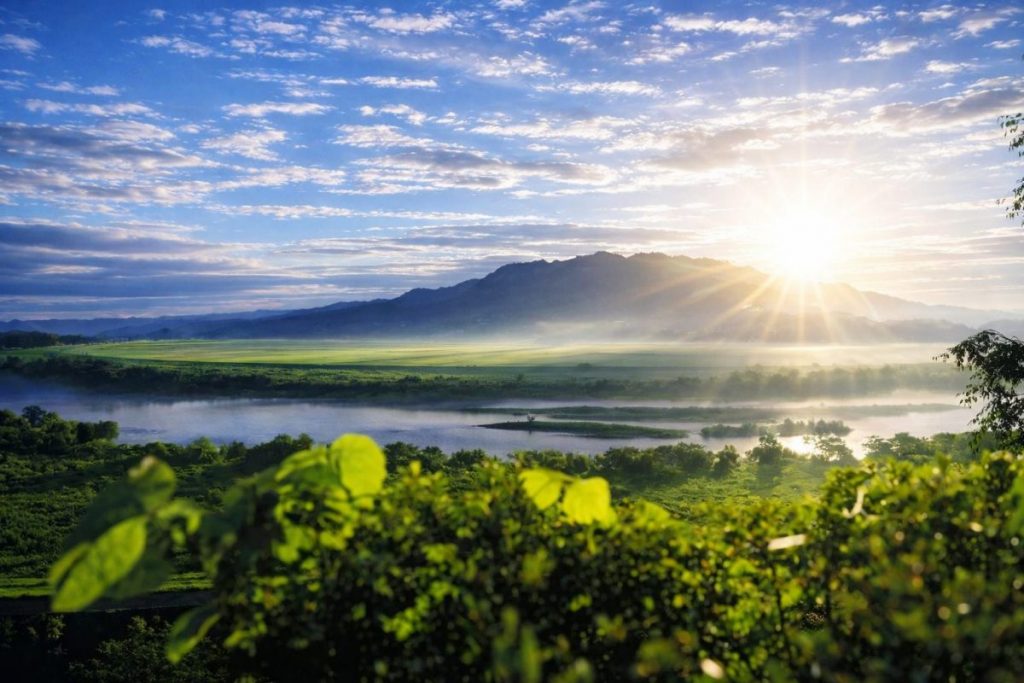
Hanamaki City is located in the central–western part of Iwate Prefecture, Japan. The city spreads across the central area of the Kitakami Plain, bordered by the Ōu Mountains to the west and the Kitakami Highlands to the east. The Kitakami River flows north to south through the city, joined by tributaries such as the Toyosawa and Sarugaishi Rivers, forming fertile agricultural land that has supported stable settlement since ancient times. This clear contrast between flat plains and mountainous areas characterizes Hanamaki’s regional structure, where agriculture, hot spring resorts, tourism, and urban functions coexist.
Hanamaki is widely known as the birthplace of poet and writer Kenji Miyazawa and as the location of the Hanamaki Onsenkyo hot spring area, one of Iwate Prefecture’s most prominent spa destinations. In addition, the city serves as a key transportation hub, with Iwate Hanamaki Airport, Shin-Hanamaki Station on the Tōhoku Shinkansen, and expressways such as the Tōhoku and Kamaishi routes connecting the region to the rest of Japan.
History
The area that is now Hanamaki City developed in the medieval period as the base of the Hienuki clan. During the early modern era, it came under the control of the Nanbu Domain and was developed as a castle town and post station. Following the Oshu Settlement of 1591, Kitahideai renamed the area from “Toyagasaki” to “Hanamaki” and constructed Hanamaki Castle, establishing it as a strategic southern defensive stronghold of the Morioka Domain.
In the modern era, Hanamaki continued to grow as a transportation and commercial center along the Ōshū Kaidō highway. The former Hanamaki City was established in 1954, and in 2006 it merged with Ishidoriya Town, Ohasama Town, and Tōwa Town to form the present-day city. Since then, Hanamaki has developed as a municipality encompassing urban districts, agricultural plains, and mountainous rural areas.
Culture and Traditions
Hanamaki City is deeply rooted in literature, art, and folk traditions. The cultural identity of the city is strongly influenced by Kenji Miyazawa, whose works are preserved and presented at facilities such as the Kenji Miyazawa Memorial Museum and Kenji Miyazawa Fairy Tale Village. These sites convey his worldview and philosophy to visitors from Japan and abroad.
The city is also known for its rich folk performing arts, particularly Hayachine Kagura, a sacred dance tradition associated with Hayachine Shrine. Designated as a UNESCO Intangible Cultural Heritage, Hayachine Kagura represents the spiritual and cultural heritage of the region. Alongside hot spring culture and seasonal festivals, these traditions remain an integral part of daily life in Hanamaki.
Local Specialties
-
Rice from Hanamaki:
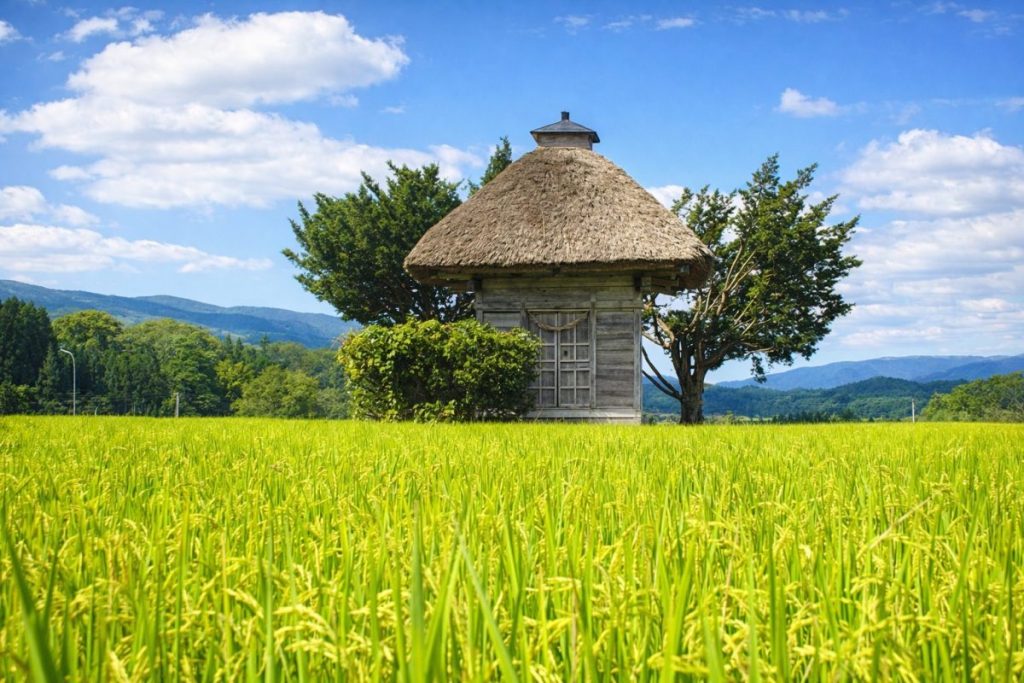
Rice grown on the fertile soils of the Kitakami Plain benefits from significant day–night temperature differences, resulting in stable quality and good flavor. It is mainly consumed within the prefecture and sold at local markets and roadside stations.
Kitakami Plain (Hanamaki area) -
Apples and Fruit:
Apple cultivation is practiced mainly in the mountainous areas of the city. The cool climate and temperature variation produce sweet, well-balanced fruit, sold at local farm stands and tourist orchards.
Apple farms in Hanamaki -
Hot Spring Products:
Cosmetics and souvenir goods using hot spring water from the Hanamaki Onsenkyo area have been developed and are popular with visitors.
Hanamaki Onsenkyo -
Sake and Fermented Foods:
The city has a long tradition of sake brewing and fermented foods such as miso and soy sauce, supported by high-quality water from the Kitakami River system.
Sake breweries in Hanamaki
Living and Relocation Information
- Daily Convenience: Commercial facilities, medical institutions, and public offices are concentrated in the urban districts, making daily life convenient and self-sufficient.
- Child-Rearing Environment: Childcare centers and schools are distributed throughout the city, and children benefit from nature-based learning and community activities.
- Medical Services: Hanamaki serves as a medical hub for the surrounding region, with several general hospitals. For details, see the official Hanamaki City website.
- Housing: Residential areas range from urban neighborhoods to rural settings, allowing residents to balance convenience with proximity to nature.
- Lifestyle: Although winters bring heavy snowfall, snow removal systems are well established, enabling comfortable year-round living with distinct seasons.
Climate and Living Environment
- Inland climate with hot summers and cold winters.
- Heavy snowfall in winter; the area is designated as a heavy snow region.
- Large day–night temperature differences in summer support high-quality agriculture.
- The Kitakami River and surrounding mountains shape both the landscape and daily life.
Regional Characteristics (by Area)
- Hanamaki Area: The administrative and commercial center of the city, centered around Hanamaki Station.
- Ishidoriya Area: An agricultural district along the Kitakami River, centered on Ishidoriya Station.
- Ohasama Area: Located at the foot of Mt. Hayachine, known for kagura performances and fruit cultivation.
- Towa Area: A mountainous area with scattered settlements and a lifestyle closely connected to nature.
Access
-
Railway:
Tōhoku Shinkansen: Shin-Hanamaki Station
JR Tōhoku Main Line / Kamaishi Line: Hanamaki Station - Airport: Iwate Hanamaki Airport
- Roads: Tōhoku Expressway (Hanamaki IC), Kamaishi Expressway
Tourist Attractions
- Hanamaki Onsenkyo — One of Iwate Prefecture’s most renowned hot spring areas.
- Kenji Miyazawa Memorial Museum — A cultural facility dedicated to the writer’s life and works.
- Hayachine Shrine — The sacred site associated with Hayachine Kagura.
Related Links
Iwate Major Cities
-

Which Prefecture Is Ninohe City In? [Answer] Iwate Prefecture | Complete Guide to Ninohe City (Sightseeing, Culture, Local Products & Access)
-
Which Prefecture Is Kuji City In? [Answer] Iwate Prefecture | Complete Guide to Kuji City (Sightseeing, Culture, Local Products & Access)
-
Which Prefecture Is Ofunato City In? [Answer] Iwate Prefecture | Complete Guide to Ofunato City (Sightseeing, Culture, Local Products & Access)
-
Which Prefecture Is Miyako City In? [Answer] Iwate Prefecture | Complete Guide to Miyako City (Sightseeing, Culture, Local Products & Access)
-
Which Prefecture Is Kamaishi City In? [Answer] Iwate Prefecture | Complete Guide to Kamaishi City (Sightseeing, Culture, Local Products & Access)
-
Which Prefecture Is Kitakami City In? [Answer] Iwate Prefecture | Complete Guide to Kitakami City (Sightseeing, Culture, Local Products & Access)
-
Which Prefecture Is Hanamaki City In? [Answer] Iwate Prefecture | Complete Guide to Hanamaki City (Sightseeing, Culture, Local Products & Access)
-
Which Prefecture Is Ichinoseki City In? [Answer] Iwate Prefecture | Complete Guide to Ichinoseki City (Sightseeing, Culture, Local Products & Access)
-
Which Prefecture Is Oshu City In? [Answer] Iwate Prefecture | Complete Guide to Oshu City (Sightseeing, Culture, Local Products & Access)
-
Which Prefecture Is Morioka City In? [Answer] Iwate Prefecture | Complete Guide to Morioka City (Sightseeing, Culture, Local Products & Access)
Ken-nan Regional Development Bureau
-
Which Prefecture Is Nishiwaga Town In? [Answer] Iwate Prefecture | Complete Guide to Nishiwaga Town (Sightseeing, Culture, Local Products & Access)
-
Which Prefecture Is Hiraizumi Town In? [Answer] Iwate Prefecture | Complete Guide to Hiraizumi Town (Sightseeing, Culture, Local Products & Access)
-
Which Prefecture Is Kanegasaki Town In? [Answer] Iwate Prefecture | Complete Guide to Kanegasaki Town (Sightseeing, Culture, Local Products & Access)
-
Which Prefecture Is Tono City In? [Answer] Iwate Prefecture | Complete Guide to Tono City (Sightseeing, Culture, Local Products & Access)
-
Which Prefecture Is Kitakami City In? [Answer] Iwate Prefecture | Complete Guide to Kitakami City (Sightseeing, Culture, Local Products & Access)
-
Which Prefecture Is Hanamaki City In? [Answer] Iwate Prefecture | Complete Guide to Hanamaki City (Sightseeing, Culture, Local Products & Access)
-
Which Prefecture Is Ichinoseki City In? [Answer] Iwate Prefecture | Complete Guide to Ichinoseki City (Sightseeing, Culture, Local Products & Access)
-
Which Prefecture Is Oshu City In? [Answer] Iwate Prefecture | Complete Guide to Oshu City (Sightseeing, Culture, Local Products & Access)