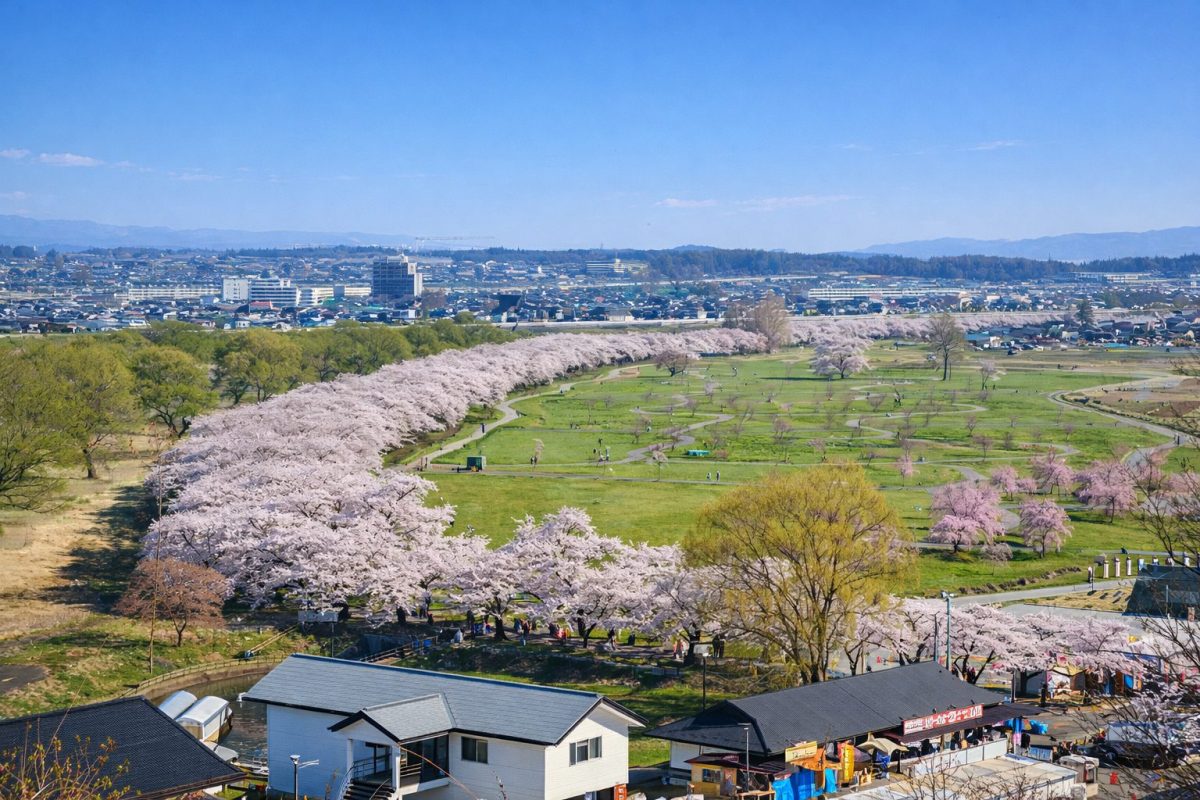
| population | 91,524 peoples |
|---|---|
| area | 437.55 km² |
| population density | 209 peoples/km² |
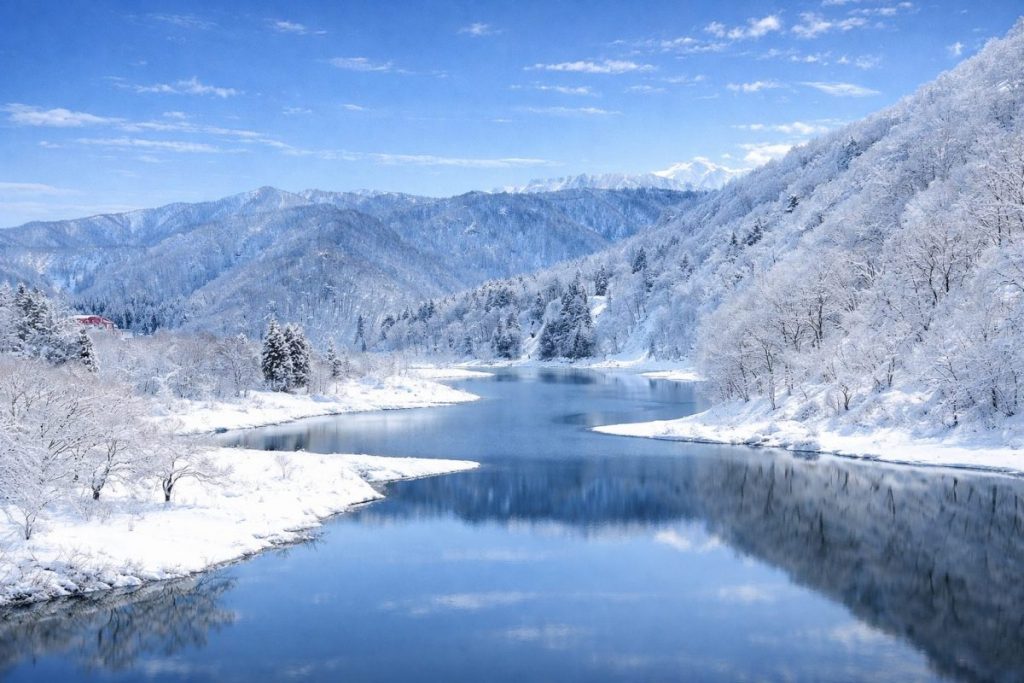
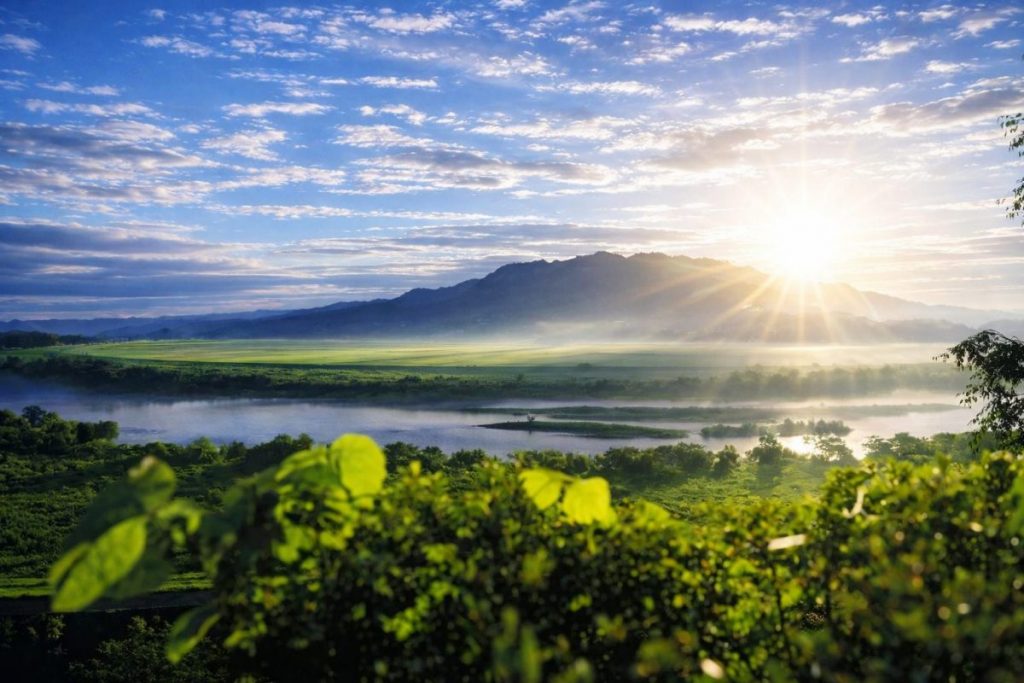
Kitakami City is located in the southwestern part of Iwate Prefecture, in the central area of the Kitakami Basin, and serves as a core city of the southern Iwate regional area. To the east lie the gentle hills of the Kitakami Mountains, while the Ou Mountain Range stretches along the western edge of the city. Between these ranges, the Kitakami River and the Waga River flow through the city, creating a geographical environment where natural landscapes and urban functions coexist in balance. Kitakami has developed as one of the leading industrial cities in the Tohoku region, while also retaining rich historical, cultural, and natural assets that support everyday life.
The city center is formed around Kitakami Station, where the Tohoku Shinkansen and conventional railway lines intersect. In addition, the Kitakami Junction connects the Tohoku Expressway and the Akita Expressway, making the city a vital transportation and logistics hub. These advantages have encouraged industrial concentration, and today Kitakami plays a central role in supporting the economy of southern Iwate Prefecture.
History
The Kitakami area has supported human settlement since ancient times, benefiting from fertile river plains and convenient water transportation along the Kitakami River. During the Heian period, the region was part of the Oshu area governed by the Abe clan, followed later by the Fujiwara clan of Hiraizumi. In the medieval era, the Waga clan ruled the area. During the early modern period, the northern part of present-day Kitakami belonged to the Morioka Domain (Nanbu clan), while a portion of the south was under the Sendai Domain, making the city an important borderland between feudal domains.
With the opening of the railway in 1890 and the establishment of Kurosawajiri Station, the area strengthened its role as a transportation and distribution center. Kitakami City was officially established in 1954 through municipal mergers, and in 1991 it was reorganized through an equal-status merger with Waga Town and Ezuriko Village. This merger attracted nationwide attention as an advanced model that preceded Japan’s Heisei-era municipal consolidations.
Culture and Traditions
Kitakami City has developed a distinctive culture that blends agricultural traditions of the river basin with folk customs rooted in its mountainous regions. One of the city’s most famous cultural assets is the traditional performing art known as Onikenbai (Demon Sword Dance). Characterized by powerful drumming and dynamic choreography, this dance is preserved by multiple local groups and is showcased annually at the Kitakami Michinoku Performing Arts Festival, which attracts visitors from across Japan.
The city is also home to several cultural institutions dedicated to literature and the arts, including the Japan Contemporary Poetry and Literature Museum and the Tonoyama Kōjin Memorial Museum of Art. These facilities serve as cultural hubs for residents while highlighting Kitakami’s deep commitment to artistic and literary expression.
Local Products
-
Kitakami Beef:
Premium Japanese Black cattle raised in Kitakami and surrounding areas, known for fine marbling and tender texture. It is highly regarded both locally and nationwide, and is often chosen for gifts and special occasions.
View meat shops in Kitakami -
Futago Taro (Taro Root):
A locally branded taro cultivated mainly in the Futago area of Kitakami. It is prized for its rich flavor and sticky texture, and is widely used in the traditional dish imonoko-jiru (taro soup).
View the Futago area -
Local Sake:
Several breweries in the city produce sake using locally grown rice and pure water. Brands such as “Kikumori” and “Onikenbai” are well known and enjoyed at festivals and family gatherings.
View sake breweries in Kitakami -
Kitakami Croquettes:
A local specialty made with Kitakami beef and regional vegetables. Each shop offers its own recipe, making it a popular item for food tourism within the city.
View eateries in Kitakami
Living and Relocation Information
- Convenience:Commercial facilities, medical institutions, and government offices are concentrated around Kitakami Station, allowing most daily needs to be met within the city.
- Child-Rearing Environment:The city offers a full range of childcare facilities, elementary and junior high schools, and high schools, supporting stable and community-oriented education.
- Medical Services:Key medical institutions such as Iwate Prefectural Chubu Hospital function as regional healthcare hubs.
- Housing:A variety of residential areas are available, from city-center neighborhoods to suburban districts, with detached housing forming the core of the residential environment.
- Lifestyle:Although winters are snowy due to the inland climate, snow removal systems are well established, enabling safe and comfortable year-round living.
Climate and Living Environment
- An inland climate with hot summers and cold, snowy winters.
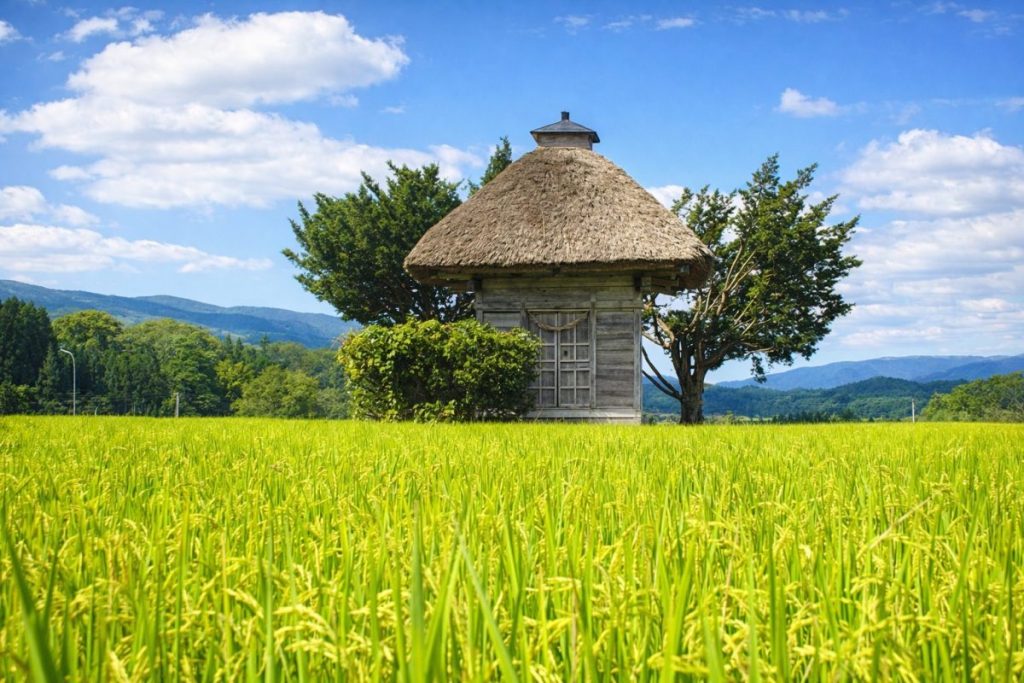
- Large temperature differences between seasons, creating favorable conditions for agriculture.
- Rivers such as the Kitakami and Waga provide scenic landscapes and opportunities to enjoy nature in daily life.
Characteristics by Area
- Kurosawajiri Area:The administrative and commercial center of the city, focused around Kitakami Station.
-
Ezuriko Area:A district with large shopping complexes and industrial zones, also developed as a residential area.
Ezuriko Shopping Center PAL - Waga Area:A nature-rich region featuring hot springs and mountain landscapes, including Geto Onsen.
Access
- Railways: Served by the Tohoku Shinkansen, Tohoku Main Line, and Kitakami Line at Kitakami Station.
- Roads: Tohoku Expressway and Akita Expressway (Kitakami Junction).
- Buses:Local bus services operated by Iwate Kotsu and community buses connect districts within the city.
Tourist Attractions
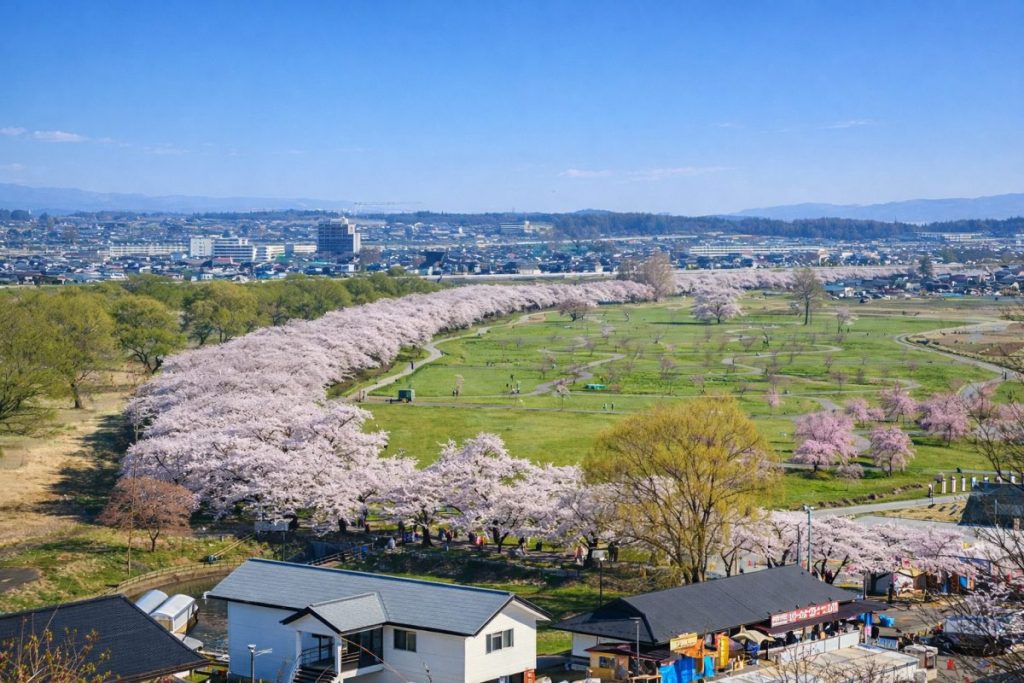
- Tenshochi Park — A famous cherry blossom spot along the Kitakami River.
- Michinoku Folklore Village — An open-air museum featuring relocated traditional houses.
- Geto Kogen Ski Resort — A winter resort known for heavy snowfall.
Related Links
Iwate Major Cities
-

Which Prefecture Is Ninohe City In? [Answer] Iwate Prefecture | Complete Guide to Ninohe City (Sightseeing, Culture, Local Products & Access)
-
Which Prefecture Is Kuji City In? [Answer] Iwate Prefecture | Complete Guide to Kuji City (Sightseeing, Culture, Local Products & Access)
-
Which Prefecture Is Ofunato City In? [Answer] Iwate Prefecture | Complete Guide to Ofunato City (Sightseeing, Culture, Local Products & Access)
-
Which Prefecture Is Miyako City In? [Answer] Iwate Prefecture | Complete Guide to Miyako City (Sightseeing, Culture, Local Products & Access)
-
Which Prefecture Is Kamaishi City In? [Answer] Iwate Prefecture | Complete Guide to Kamaishi City (Sightseeing, Culture, Local Products & Access)
-
Which Prefecture Is Kitakami City In? [Answer] Iwate Prefecture | Complete Guide to Kitakami City (Sightseeing, Culture, Local Products & Access)
-
Which Prefecture Is Hanamaki City In? [Answer] Iwate Prefecture | Complete Guide to Hanamaki City (Sightseeing, Culture, Local Products & Access)
-
Which Prefecture Is Ichinoseki City In? [Answer] Iwate Prefecture | Complete Guide to Ichinoseki City (Sightseeing, Culture, Local Products & Access)
-
Which Prefecture Is Oshu City In? [Answer] Iwate Prefecture | Complete Guide to Oshu City (Sightseeing, Culture, Local Products & Access)
-
Which Prefecture Is Morioka City In? [Answer] Iwate Prefecture | Complete Guide to Morioka City (Sightseeing, Culture, Local Products & Access)
Ken-nan Regional Development Bureau
-
Which Prefecture Is Nishiwaga Town In? [Answer] Iwate Prefecture | Complete Guide to Nishiwaga Town (Sightseeing, Culture, Local Products & Access)
-
Which Prefecture Is Hiraizumi Town In? [Answer] Iwate Prefecture | Complete Guide to Hiraizumi Town (Sightseeing, Culture, Local Products & Access)
-
Which Prefecture Is Kanegasaki Town In? [Answer] Iwate Prefecture | Complete Guide to Kanegasaki Town (Sightseeing, Culture, Local Products & Access)
-
Which Prefecture Is Tono City In? [Answer] Iwate Prefecture | Complete Guide to Tono City (Sightseeing, Culture, Local Products & Access)
-
Which Prefecture Is Kitakami City In? [Answer] Iwate Prefecture | Complete Guide to Kitakami City (Sightseeing, Culture, Local Products & Access)
-
Which Prefecture Is Hanamaki City In? [Answer] Iwate Prefecture | Complete Guide to Hanamaki City (Sightseeing, Culture, Local Products & Access)
-
Which Prefecture Is Ichinoseki City In? [Answer] Iwate Prefecture | Complete Guide to Ichinoseki City (Sightseeing, Culture, Local Products & Access)
-
Which Prefecture Is Oshu City In? [Answer] Iwate Prefecture | Complete Guide to Oshu City (Sightseeing, Culture, Local Products & Access)