| population | 6,431 peoples |
|---|---|
| area | 63.39 km² |
| population density | 101 peoples/km² |
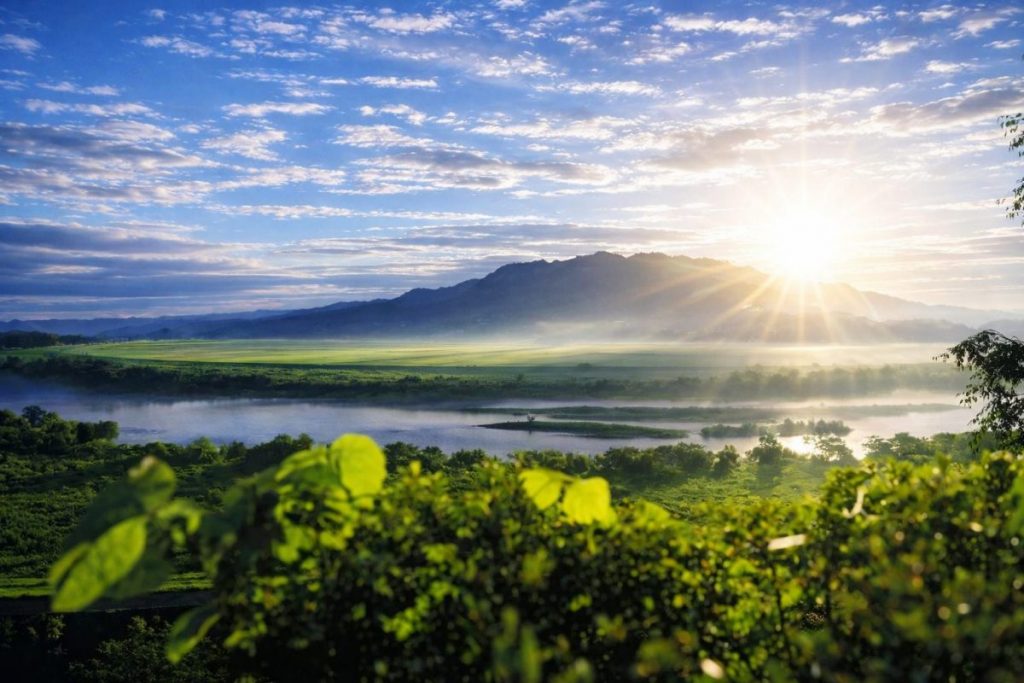
Hiraizumi Town is located in the southwestern part of Iwate Prefecture and belongs to Nishi-Iwai District. Situated between Ōshū City and Ichinoseki City, the town lies in the southern area of the Kitakami Basin. It is the smallest municipality in Iwate Prefecture by area and is characterized by its long, narrow east–west shape. The Kitakami River flows along the eastern edge of the town, while the Hiraizumi Hills rise to the west, creating a gentle basin landscape. Today, Hiraizumi is known as a quiet agricultural town where daily life coexists with cultural heritage that attracts visitors from across Japan and abroad.
During the late Heian period, Hiraizumi flourished as the political and cultural center of the Northern Fujiwara clan. Grand temples such as Chūson-ji and Mōtsū-ji were constructed as part of an ideal city inspired by Pure Land Buddhist beliefs. The outstanding historical value of these remains was internationally recognized in 2011, when “Hiraizumi – Temples, Gardens and Archaeological Sites Representing the Buddhist Pure Land” was inscribed on the UNESCO World Cultural Heritage List. Today, Hiraizumi continues to balance heritage preservation with local life, maintaining its identity as a historic town.
History
The history of Hiraizumi dates back to ancient times, when the area developed as an important hub for transportation, military activity, and commerce supported by river transport along the Kitakami River. In the late Heian period, Fujiwara no Kiyohira established Hiraizumi as his base, followed by his successors Motohira, Hidehira, and Yasuhira. Under their rule, Hiraizumi grew into the largest political and cultural center in northeastern Japan. Temples and gardens such as the Konjikidō of Chūson-ji and the Pure Land garden of Mōtsū-ji were built to represent the Buddhist vision of paradise on earth.
In 1189, however, the Northern Fujiwara clan was defeated during the Ōshū Campaign led by Minamoto no Yoritomo, and Hiraizumi rapidly declined. From the medieval period onward, the area gradually became rural in character. During the Edo period, it came under the control of regional domains and remained a quiet farming village. After the introduction of the modern municipal system, Hiraizumi became a town in 1953. In recent decades, renewed appreciation of its historical significance has led to efforts that combine cultural preservation with tourism development.
Culture and Traditions
The culture of Hiraizumi is deeply rooted in the religious and aesthetic ideals established during the era of the Northern Fujiwara clan. Buddhism, particularly Pure Land thought, continues to influence local customs and events. Temples such as Chūson-ji and Mōtsū-ji still host Buddhist ceremonies and annual observances, serving as spiritual and cultural centers for both residents and visitors.
Hiraizumi is also known for its connection to Japanese literature. The poet Matsuo Bashō visited the area during his journey recorded in “Oku no Hosomichi” (The Narrow Road to the Deep North) and composed his famous haiku, “Summer grasses— / all that remains / of warriors’ dreams.” This literary heritage adds another layer to the town’s cultural identity. Today, respect for history and tranquility is shared throughout the community, shaping local attitudes toward landscape preservation and daily life.
Local Products
-
Rice from Hiraizumi:
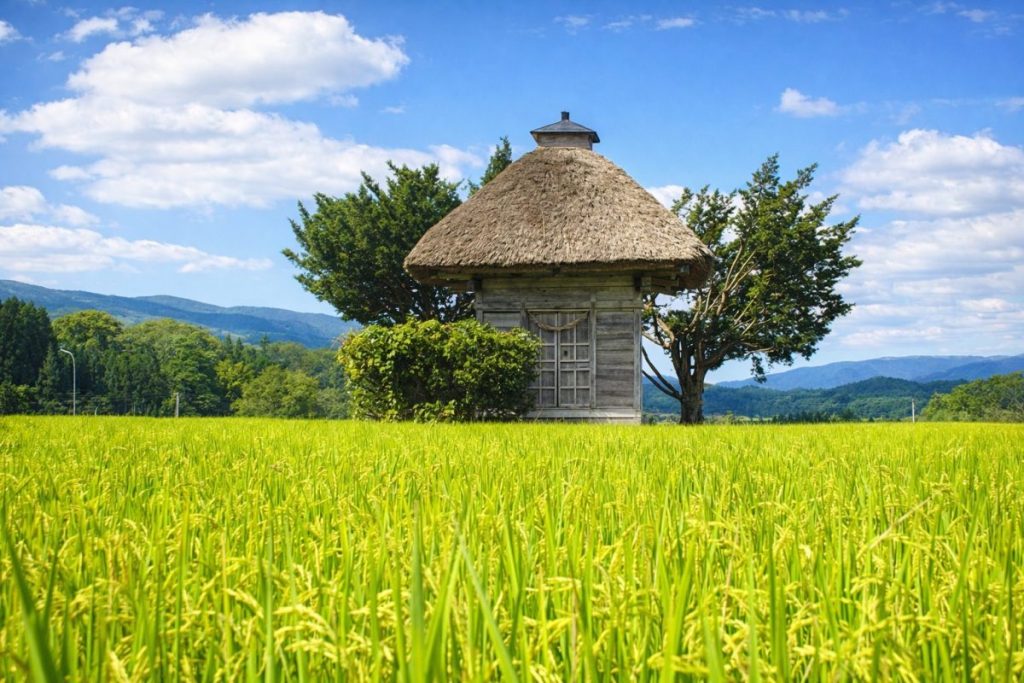
Rice cultivation benefits from fertile soil along the Kitakami River and clear seasonal temperature differences. While production is mainly for local consumption, rice is sold at direct sales outlets within the town.
View rice fields in Hiraizumi -
Locally grown vegetables:
Vegetables such as cabbage and green onions are grown primarily for household and local markets. Although not a large-scale production area, these farms support the town’s food supply.
View farmland in Hiraizumi -
Processed agricultural products:
Pickles and other processed foods made from local produce are sold at roadside stations and tourist facilities, making them popular souvenirs.
Roadside Station Hiraizumi
Living and Relocation Information
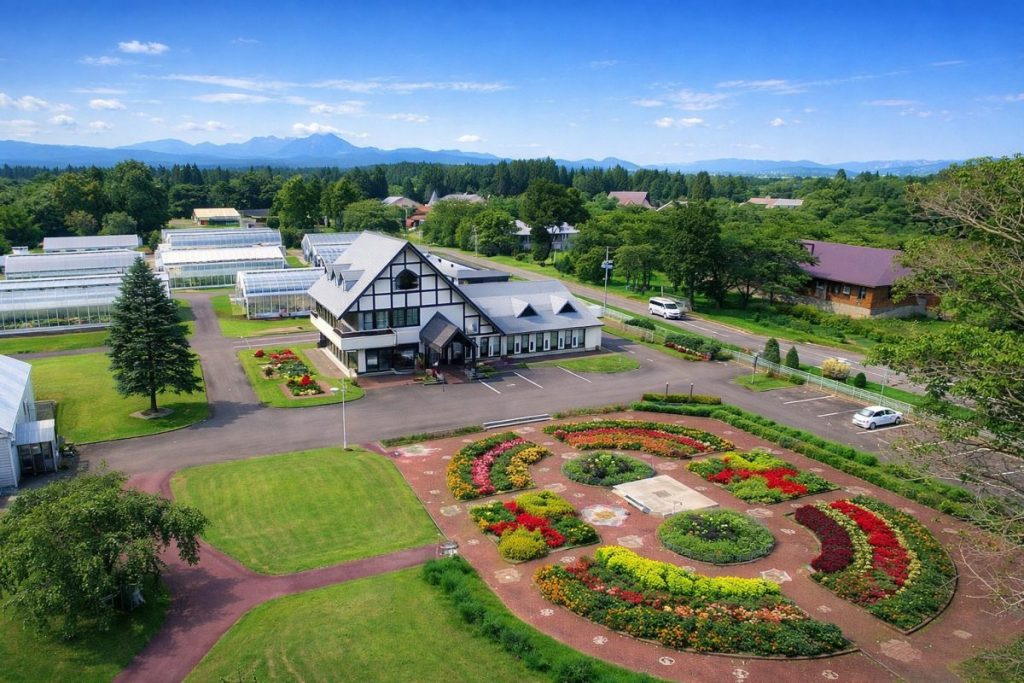
- Daily convenience: Public offices, financial institutions, and medical facilities are concentrated in the town center, providing essential services within a compact area.
- Child-rearing environment: Elementary and junior high schools operate within the town, offering small-class education and close community ties.
- Medical care: In addition to local clinics, residents have access to hospitals in nearby Ichinoseki and Ōshū cities.
- Housing: Detached houses are common, and residential development is carefully regulated to preserve historic scenery.
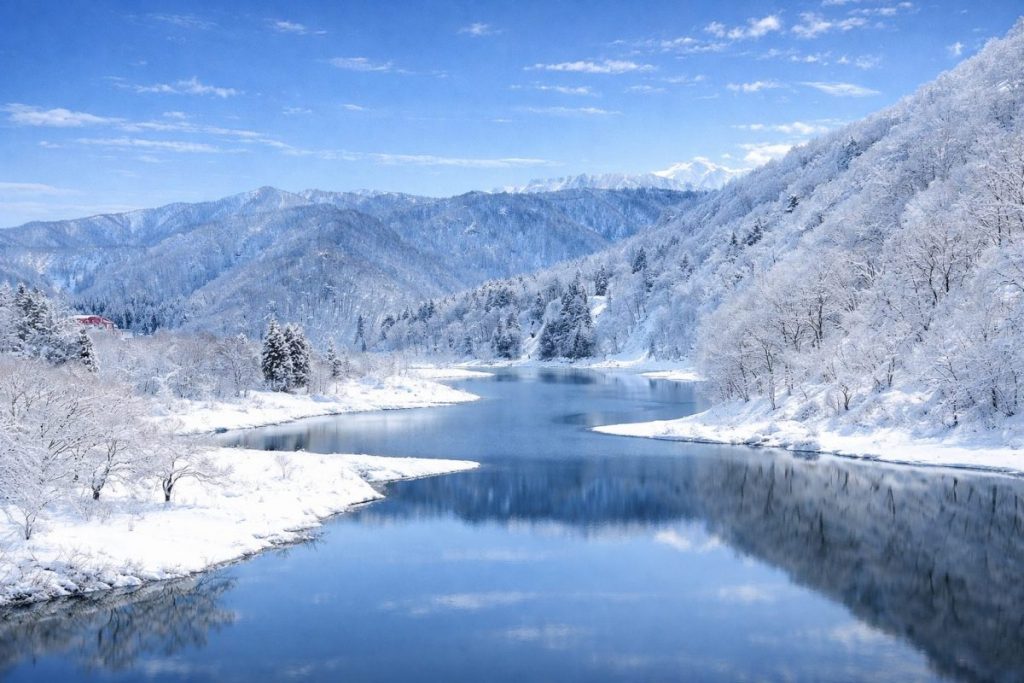
- Lifestyle: Snowfall occurs in winter, but the climate is relatively mild for an inland area, supporting a comfortable rural lifestyle.
Climate and Living Environment
- Inland climate with noticeable temperature differences between summer and winter.
- Snowfall occurs in winter, though the area is not classified as a heavy-snow region.
- The Kitakami River and surrounding hills create a calm and scenic environment.
- Preservation of historic landscapes forms the basis of the living environment.
Area Characteristics
- Central Hiraizumi: The administrative and transportation core of the town, centered around Hiraizumi Station.
- Chūson-ji area: A major heritage zone where historic sites are concentrated, including Chūson-ji Temple.
- Nagashima area: A rural district characterized by farmland and small settlements, supporting agricultural life.
Access
- Railway: JR Tōhoku Main Line: Hiraizumi Station
- Roads: National Route 4, Tōhoku Expressway via Hiraizumi-Maezawa Interchange
- Bus services: Operated by Iwate Prefectural Transportation and Tōhan Transportation.
Tourist Attractions
- Chūson-ji Temple — Home to the famous Konjikidō (Golden Hall).
- Mōtsū-ji Temple — A World Heritage site known for its Pure Land garden.
- Kanjizaio-in Ruins — Archaeological remains of a Pure Land temple complex.
- Mount Kinkeisan — A sacred mountain associated with the Northern Fujiwara clan.
Related Links
Iwate Major Cities
-

Which Prefecture Is Ninohe City In? [Answer] Iwate Prefecture | Complete Guide to Ninohe City (Sightseeing, Culture, Local Products & Access)
-
Which Prefecture Is Kuji City In? [Answer] Iwate Prefecture | Complete Guide to Kuji City (Sightseeing, Culture, Local Products & Access)
-
Which Prefecture Is Ofunato City In? [Answer] Iwate Prefecture | Complete Guide to Ofunato City (Sightseeing, Culture, Local Products & Access)
-
Which Prefecture Is Miyako City In? [Answer] Iwate Prefecture | Complete Guide to Miyako City (Sightseeing, Culture, Local Products & Access)
-
Which Prefecture Is Kamaishi City In? [Answer] Iwate Prefecture | Complete Guide to Kamaishi City (Sightseeing, Culture, Local Products & Access)
-
Which Prefecture Is Kitakami City In? [Answer] Iwate Prefecture | Complete Guide to Kitakami City (Sightseeing, Culture, Local Products & Access)
-
Which Prefecture Is Hanamaki City In? [Answer] Iwate Prefecture | Complete Guide to Hanamaki City (Sightseeing, Culture, Local Products & Access)
-
Which Prefecture Is Ichinoseki City In? [Answer] Iwate Prefecture | Complete Guide to Ichinoseki City (Sightseeing, Culture, Local Products & Access)
-
Which Prefecture Is Oshu City In? [Answer] Iwate Prefecture | Complete Guide to Oshu City (Sightseeing, Culture, Local Products & Access)
-
Which Prefecture Is Morioka City In? [Answer] Iwate Prefecture | Complete Guide to Morioka City (Sightseeing, Culture, Local Products & Access)
Ken-nan Regional Development Bureau
-
Which Prefecture Is Nishiwaga Town In? [Answer] Iwate Prefecture | Complete Guide to Nishiwaga Town (Sightseeing, Culture, Local Products & Access)
-
Which Prefecture Is Hiraizumi Town In? [Answer] Iwate Prefecture | Complete Guide to Hiraizumi Town (Sightseeing, Culture, Local Products & Access)
-
Which Prefecture Is Kanegasaki Town In? [Answer] Iwate Prefecture | Complete Guide to Kanegasaki Town (Sightseeing, Culture, Local Products & Access)
-
Which Prefecture Is Tono City In? [Answer] Iwate Prefecture | Complete Guide to Tono City (Sightseeing, Culture, Local Products & Access)
-
Which Prefecture Is Kitakami City In? [Answer] Iwate Prefecture | Complete Guide to Kitakami City (Sightseeing, Culture, Local Products & Access)
-
Which Prefecture Is Hanamaki City In? [Answer] Iwate Prefecture | Complete Guide to Hanamaki City (Sightseeing, Culture, Local Products & Access)
-
Which Prefecture Is Ichinoseki City In? [Answer] Iwate Prefecture | Complete Guide to Ichinoseki City (Sightseeing, Culture, Local Products & Access)
-
Which Prefecture Is Oshu City In? [Answer] Iwate Prefecture | Complete Guide to Oshu City (Sightseeing, Culture, Local Products & Access)