| population | 3,542 peoples |
|---|---|
| area | 80.80 km² |
| population density | 43.8 peoples/km² |
Noda Village is a coastal municipality located in the northeastern part of Iwate Prefecture, belonging to Kunohe District. It faces the Pacific Ocean along Noda Bay and extends westward into the foothills of the Kitakami Mountains, creating a landscape where sea and mountains lie in close proximity. This geographical setting has shaped a settlement pattern consisting of fishing communities along the coast and rural hamlets in inland valleys. For generations, residents have sustained their livelihoods through coastal fisheries, small-scale agriculture, and forestry, closely tied to the surrounding natural environment.
As part of the northern Sanriku coastal region, Noda Village has a long history of confronting tsunamis and other natural disasters. Through repeated recovery and reconstruction, the village has developed a strong culture of disaster preparedness and mutual support. Today, transportation infrastructure such as the Sanriku Railway Rias Line, National Route 45, and the Sanriku North Coast Expressway connects Noda Village with Kuji City and neighboring municipalities, forming part of a broader regional living sphere. The village is valued for its quiet living environment, rich natural scenery, and distinctive cultural heritage rooted in both the sea and the mountains.
History
The area that is now Noda Village was historically under the control of the Nanbu Domain during the early modern period, where fishing, salt production, and small-scale agriculture formed the economic base of local communities. With the enforcement of the municipal system in 1889, Noda Village and Tamagawa Village were merged to establish Noda Village in Minami-Kunohe District. In 1896, the Meiji Sanriku Earthquake and Tsunami caused catastrophic damage, resulting in significant loss of life and widespread destruction of homes.
The village also suffered damage during the Showa Sanriku Tsunami of 1933, reinforcing the need for resilience against natural hazards. In 1975, the opening of the Japan National Railways Kuji Line, now operated by the Sanriku Railway, significantly improved transportation access. In 2011, the Great East Japan Earthquake and tsunami again inflicted devastating damage on Noda Village. Since then, large-scale reconstruction projects, including residential relocation to higher ground and infrastructure improvements, have been implemented, supporting a renewed focus on safety, sustainability, and long-term community development.
Culture and Traditions
The culture of Noda Village reflects a blend of Sanriku coastal fishing traditions and inland rural customs shaped by mountainous terrain. Community festivals, local beliefs, and seasonal events rooted in maritime life continue to be passed down, reinforcing strong ties among residents. Cultural facilities such as Marine Rose Park Noda Tamagawa, which preserves the history of the Noda Tamagawa Mine, and the Asia Ethnic Art Museum, which showcases ethnic arts from across Asia, highlight the village’s unique cultural assets.
Local events such as the Noda Festival are organized primarily by residents and serve as important opportunities for intergenerational交流 and community bonding. Experiences with natural disasters have fostered a strong spirit of cooperation and mutual aid, which remains an essential element of everyday life and local culture in Noda Village.
Local Products
-
Seafood (Salmon and Seaweed):
Coastal fisheries operating in Noda Bay harvest salmon, wakame seaweed, and kombu kelp through fixed-net and nearshore fishing. Salmon resources are closely linked to hatchery and release programs along the Anka River system, supporting sustainable fisheries.
Noda Fishing Port -
Marine Rose Products:
The Noda Tamagawa Mine produces “Marine Rose,” a rare form of rhodochrosite. This mineral is processed into jewelry and craft items and is recognized as a symbolic local resource.
Noda Tamagawa Mine - Agricultural Products: Small-scale rice cultivation and vegetable farming are practiced in inland areas, mainly for local consumption. Seasonal produce is occasionally sold at local markets and roadside facilities.
-
Processed Goods:
Dried seafood, pickled products, and other processed foods made from local ingredients are available as souvenirs, particularly at roadside stations.
Roadside Station Noda
Living and Relocation Information
- Daily Convenience: The village center contains the town hall, post office, shops, and medical facilities, allowing residents to meet daily needs locally. Additional services are accessed in nearby Kuji City.
- Child-Rearing Environment: Elementary and junior high schools, along with childcare facilities, provide a close-knit educational setting with strong community involvement and nature-based learning opportunities.
- Healthcare: Local clinics operate within the village, while hospitals in Kuji City provide advanced and emergency medical care through a regional system.
- Housing: Detached houses are the norm, with newly developed residential areas on higher ground reflecting post-disaster relocation and safety considerations.
- Lifestyle Characteristics: Winters are cold but generally manageable, with less snowfall than inland mountainous regions, making year-round living relatively stable.
Climate and Living Environment
- The village experiences a Pacific coastal climate with cool summers and comparatively mild winters.
- Coastal fog is common due to marine influences.
- Snowfall is moderate, with heavier accumulation in inland mountainous areas.
- The close proximity of ocean, rivers, and mountains offers daily access to diverse natural landscapes.
District Characteristics
- Noda District: The administrative and commercial center of the village, home to Rikuchu-Noda Station, which serves as the main transportation hub.
- Tamagawa District: An inland area centered on the historic Noda Tamagawa Mine, characterized by preserved mining heritage and forested landscapes.
- Shimoanka District: A settlement along the Anka River, where river ecosystems and coastal fisheries are closely connected.
Access
- Railway: Sanriku Railway Rias Line: Rikuchu-Noda Station – Tofugaura Kaigan Station – Noda-Tamagawa Station
- Roads: National Route 45, Sanriku North Coast Expressway (Noda IC)
- Bus: Iwate Prefectural North Bus and village-operated buses provide connections within the village and to Kuji City.
Tourist Attractions
- Marine Rose Park Noda Tamagawa — A visitor facility introducing the history of the Noda Tamagawa Mine and local minerals.
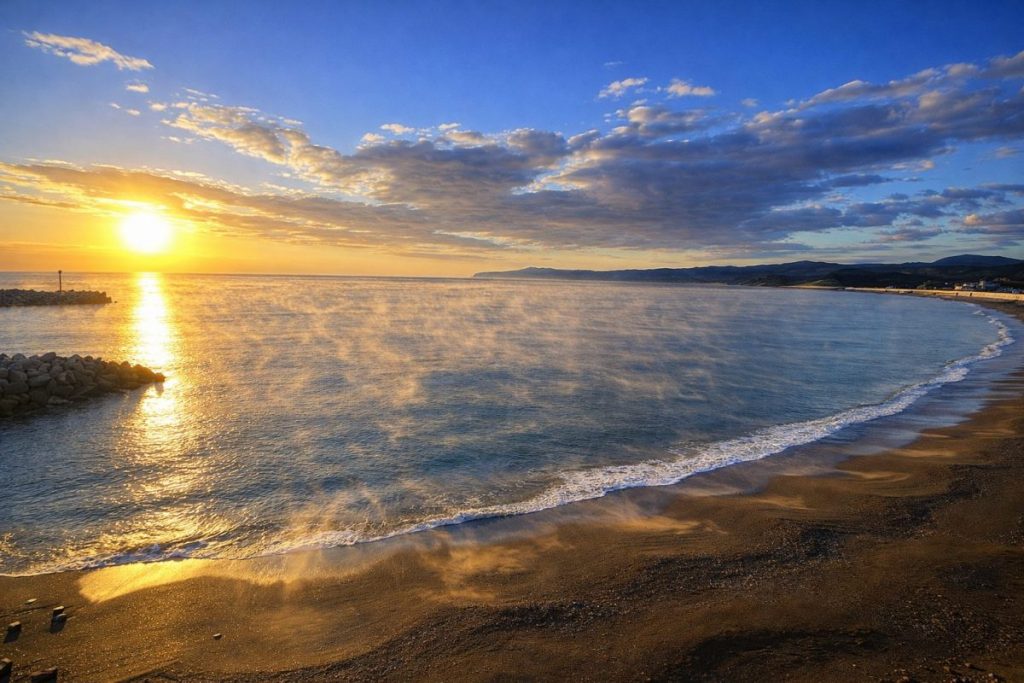
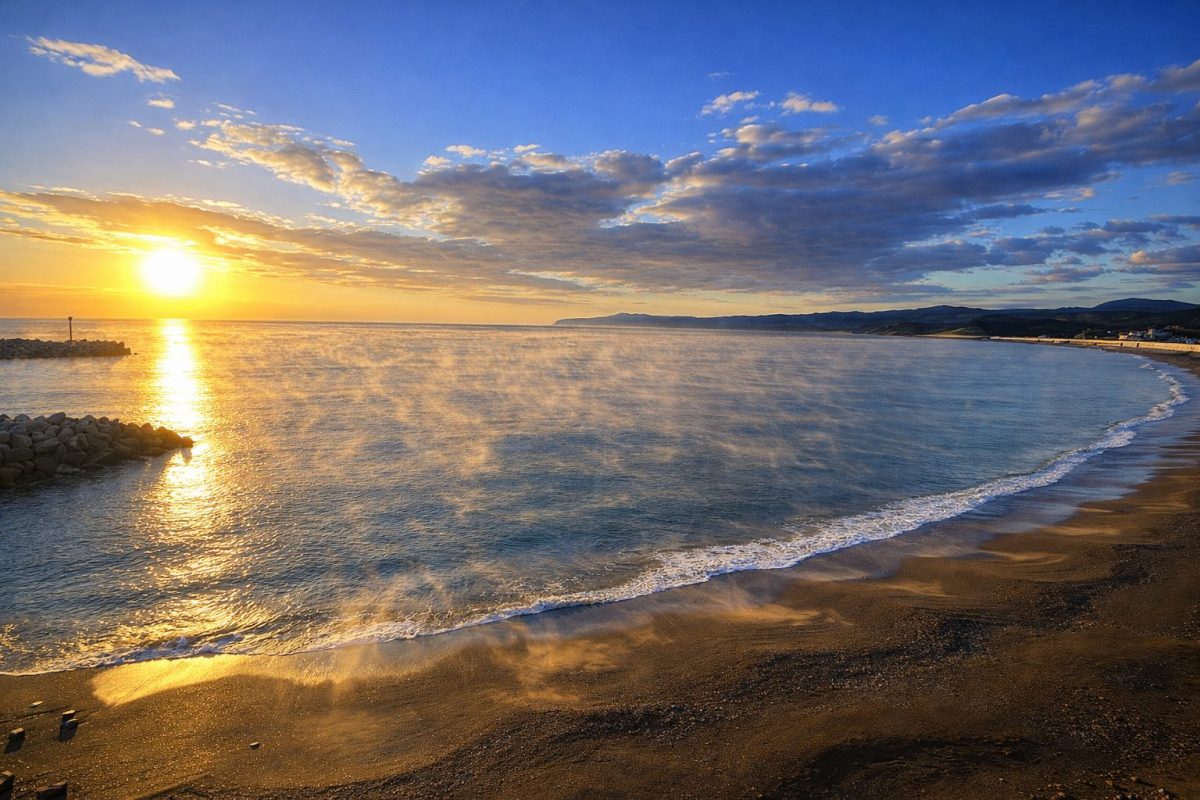
- Tofugaura Beach — A representative sandy beach along the Sanriku Coast, suitable for scenic walks and relaxation.
- Asia Ethnic Art Museum — A cultural facility displaying ethnic art and crafts from various regions of Asia.
Related Links
Iwate Major Cities
This section presents a list of major cities in Iwate Prefecture.
You can access the hub page that consolidates information on Iwate Prefecture’s major cities via the button below.
-

Which Prefecture Is Ninohe City In? [Answer] Iwate Prefecture | Complete Guide to Ninohe City (Sightseeing, Culture, Local Products & Access)
-
Which Prefecture Is Kuji City In? [Answer] Iwate Prefecture | Complete Guide to Kuji City (Sightseeing, Culture, Local Products & Access)
-
Which Prefecture Is Ofunato City In? [Answer] Iwate Prefecture | Complete Guide to Ofunato City (Sightseeing, Culture, Local Products & Access)
-
Which Prefecture Is Miyako City In? [Answer] Iwate Prefecture | Complete Guide to Miyako City (Sightseeing, Culture, Local Products & Access)
-
Which Prefecture Is Kamaishi City In? [Answer] Iwate Prefecture | Complete Guide to Kamaishi City (Sightseeing, Culture, Local Products & Access)
-
Which Prefecture Is Kitakami City In? [Answer] Iwate Prefecture | Complete Guide to Kitakami City (Sightseeing, Culture, Local Products & Access)
-
Which Prefecture Is Hanamaki City In? [Answer] Iwate Prefecture | Complete Guide to Hanamaki City (Sightseeing, Culture, Local Products & Access)
-
Which Prefecture Is Ichinoseki City In? [Answer] Iwate Prefecture | Complete Guide to Ichinoseki City (Sightseeing, Culture, Local Products & Access)
-
Which Prefecture Is Oshu City In? [Answer] Iwate Prefecture | Complete Guide to Oshu City (Sightseeing, Culture, Local Products & Access)
-
Which Prefecture Is Morioka City In? [Answer] Iwate Prefecture | Complete Guide to Morioka City (Sightseeing, Culture, Local Products & Access)
Northern Coastal Regional Development Bureau
This section shows the municipalities within the Kenpoku Regional Development Bureau of Iwate Prefecture.
Click the button to visit the hub page that brings together all municipalities in the Kenpoku region.
-
Which Prefecture Is Kunohe Village In? [Answer] Iwate Prefecture | Complete Guide to Kunohe Village (Sightseeing, Culture, Local Products & Access)
-
Which Prefecture Is Karumai Town In? [Answer] Iwate Prefecture | Complete Guide to Karumai Town (Sightseeing, Culture, Local Products & Access)
-
Which Prefecture Is Hirono Town In? [Answer] Iwate Prefecture | Complete Guide to Hirono Town (Sightseeing, Culture, Local Products & Access)
-
Which Prefecture Is Noda Village In? [Answer] Iwate Prefecture | Complete Guide to Noda Village (Sightseeing, Culture, Local Products & Access)
-
Which Prefecture Is Ichinohe Town In? [Answer] Iwate Prefecture | Complete Guide to Ichinohe Town (Sightseeing, Culture, Local Products & Access)
-
Which Prefecture Is Ninohe City In? [Answer] Iwate Prefecture | Complete Guide to Ninohe City (Sightseeing, Culture, Local Products & Access)
-
Which Prefecture Is Kuji City In? [Answer] Iwate Prefecture | Complete Guide to Kuji City (Sightseeing, Culture, Local Products & Access)