| population | 14,319 peoples |
|---|---|
| area | 177.67 km² |
| population density | 80.6 peoples/km² |
Gonohe Town is located in the southern part of Aomori Prefecture, within the Sannohe District. Rich in nature and history, the town traces its origins back to the Nara period, and it later flourished under the influence of the Nanbu clan during the medieval era. The landscape is characterized by gently rolling hills, expansive forests that cover more than half of the town area, and rivers such as the Gonohe River and Asamizugawa River that nourish the region. Agriculture has long been one of the town’s key industries, and the deep-rooted horse culture and livestock farming have shaped both its culinary traditions and local identity. Today, Gonohe is a warm and welcoming community where residents speak the Nanbu dialect, known for its soft and rhythmic intonation. Traditional events and seasonal festivals continue to play an important role in the community, allowing visitors to experience a harmonious blend of nature, culture, and history throughout the year.
Culture & Traditions
The culture of Gonohe Town is deeply tied to its long history as a territory of the Nanbu clan. Unlike the Tsugaru region, Gonohe belongs to the Nanbu dialect zone, where the local dialect features distinct sounds and expressions unique to southeastern Aomori. Agriculture forms the foundation of daily life, with livestock farming, vegetable cultivation, and fruit production widely practiced. Gonohe is especially known for its strong “horse-meat culture,” a tradition that developed from the close relationship between the region and working horses used in farming for centuries. This culinary heritage remains a defining characteristic of the town. Important annual traditions include the Nanbu Enburi, a winter ritual dance performed to pray for abundant harvests, and the Nanbu Horse Dance, which celebrates the deep historic ties to horses. The Gonohe Festival, held from late August to early September, is one of the town’s largest events featuring portable shrines, processions, local performances, and lively street stalls. To learn more about the region’s history and culture, visitors can explore the Gonohe Museum of History and Folklore, which showcases tools, documents, and artifacts related to agriculture, horse culture, and the Nanbu clan. Through its rich traditions and cultural practices, Gonohe offers a vivid glimpse into the identity of the Nanbu region.
Local Specialties
- Gonohe Apples: Like the rest of Aomori Prefecture, Gonohe produces high-quality apples. Thanks to the significant temperature differences between day and night, the apples develop a crisp texture and concentrated sweetness. Fresh apples can be purchased at local markets and direct-sale shops.
- Gonohe Black Wagyu Beef: Gonohe is home to excellent Wagyu cattle farms. The town’s black Wagyu beef is well known for its tenderness, marbling, and rich umami flavor. It is widely used in local restaurants and is also a popular gift item.
- Local Honey: With abundant forests and wildflowers, Gonohe produces naturally rich and aromatic honey. The flavor varies depending on the season and floral sources, making it a sought-after product among visitors.
- Gonohe Carrots: Gonohe-grown carrots benefit from the region’s cold climate, which enhances their natural sweetness. Their strong flavor and vibrant color make them ideal for cooking, juicing, and local dishes.
- Gonohe Shiitake Mushrooms: The town’s plentiful forest resources support the cultivation of high-quality shiitake mushrooms. Gonohe shiitake are thick, aromatic, and prized for their deep umami taste, especially when grilled or added to hot pot dishes.
Annual Events
- Nanbu Enburi (February): A traditional winter ritual dance celebrating agricultural heritage. Performers wearing colorful headpieces enact symbolic rice-planting movements to pray for a bountiful harvest.
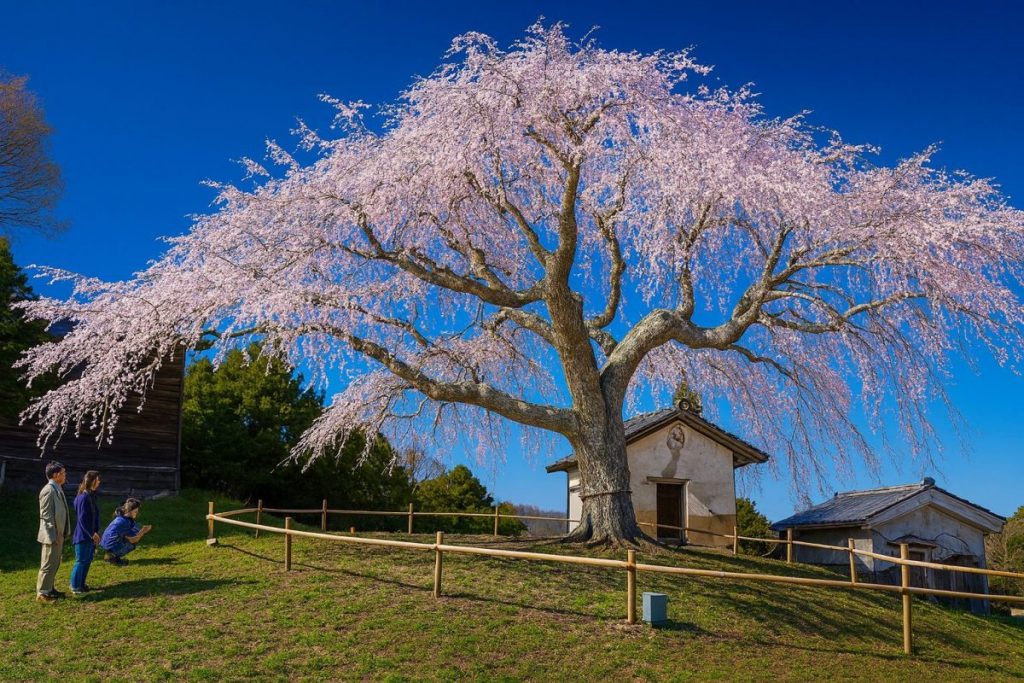
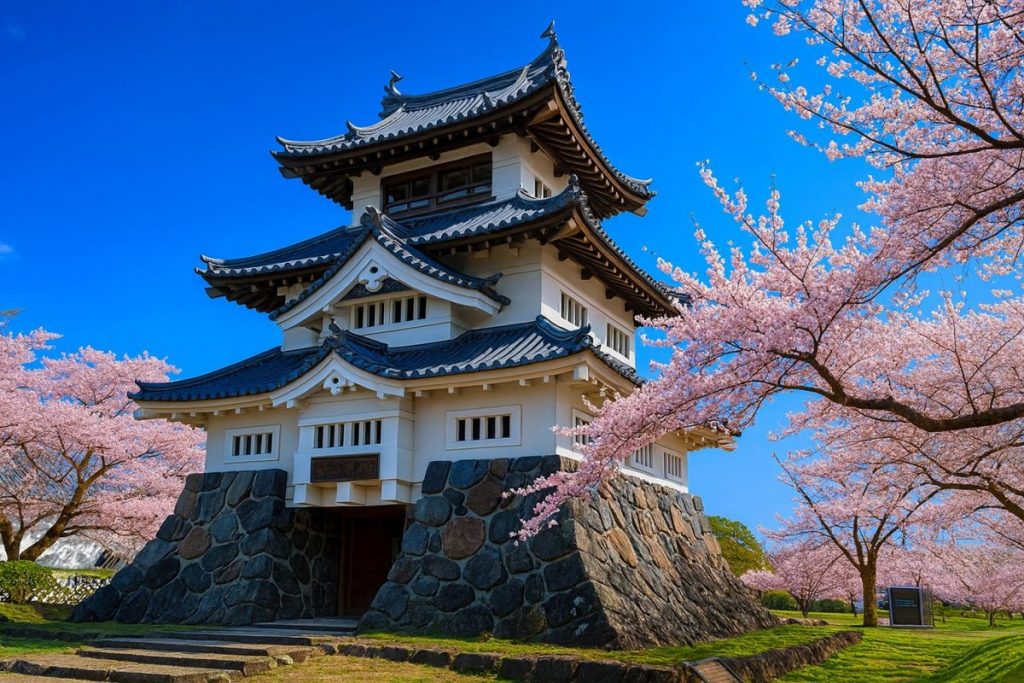
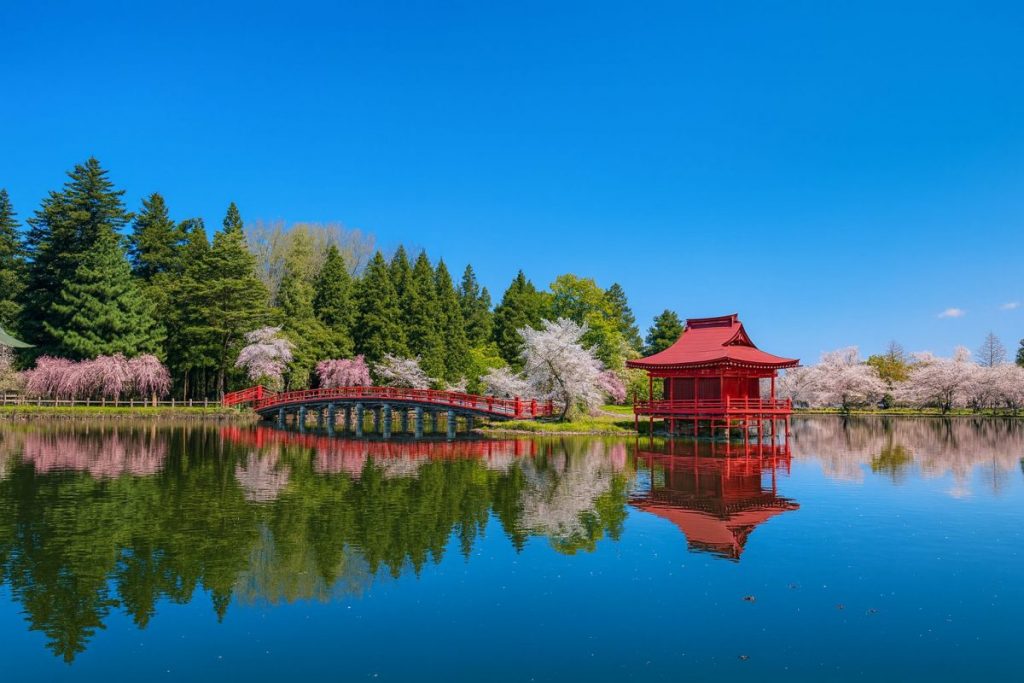
- Gonohe Cherry Blossom Festival (Late April): Held at Odobira Park, where cherry blossoms bloom vibrantly across the hillside. It is one of the most popular springtime attractions in the town.
- Gonohe Festival (Late August–September): The biggest festival of the year, featuring portable shrines, floats, traditional dancing, parades, and numerous food stalls. The whole town comes alive during this festive period.
- Gonohe Sports Festival (October): A community-wide athletic event that brings residents together through friendly sports competitions and activities.
- Gonohe Snow Festival (February): A winter celebration featuring snow sculptures, sledding, and family-friendly events, making it a favorite for children and visitors.
Access
- Shinkansen & Bus: The nearest Shinkansen stop is Hachinohe Station. From there, local Nanbu Bus routes connect directly to Gonohe.
- Airplane & Bus: From Misawa Airport or Aomori Airport, travelers can access Gonohe via connecting buses and local routes.
- Car: National Route 4 passes through the town. The closest expressway exits are Hachinohe North IC and Hachinohe West SIC on the Hachinohe Expressway.
- Night Bus: Long-distance buses from Tokyo to Hachinohe are available, with onward access to Gonohe by local transit.
- Ferry: Ferries to Aomori Port or Hachinohe Port allow for car or bus travel to Gonohe.
Tourist Attractions
- Gonohe Museum of History and Folklore – A museum showcasing the town’s traditional lifestyle, Nanbu culture, and history related to horses and agriculture.
- Gonohe Castle Site (Furudate Area) – A historic site believed to have connections to the Nanbu clan. The peaceful environment makes it ideal for walking and exploring local history.
- Odobira Park – Famous for cherry blossoms in spring and scenic walking trails year-round.
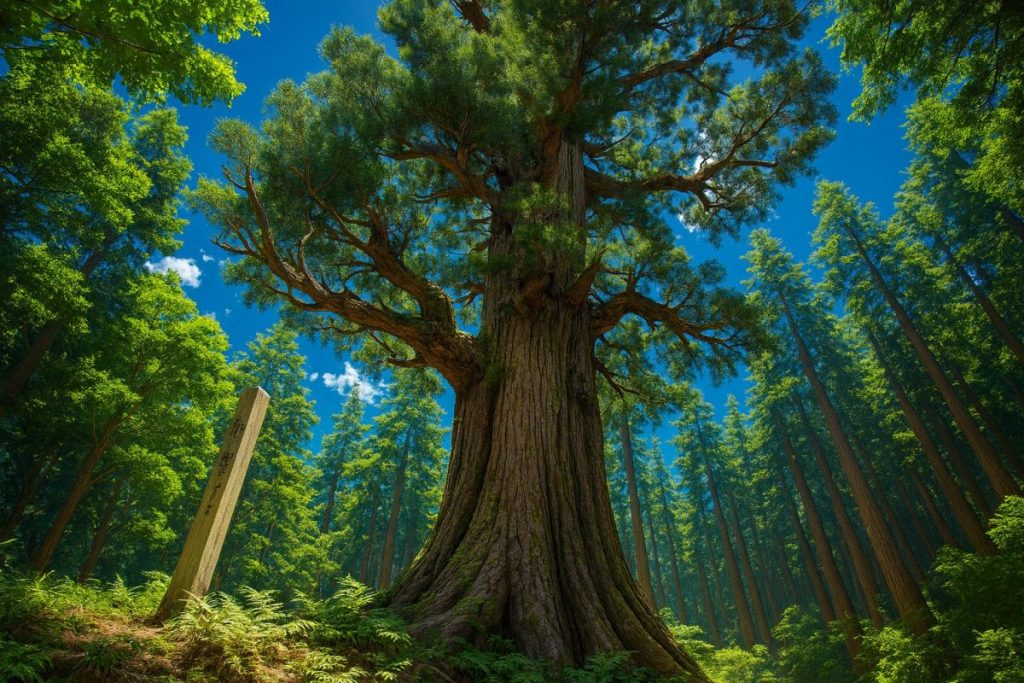
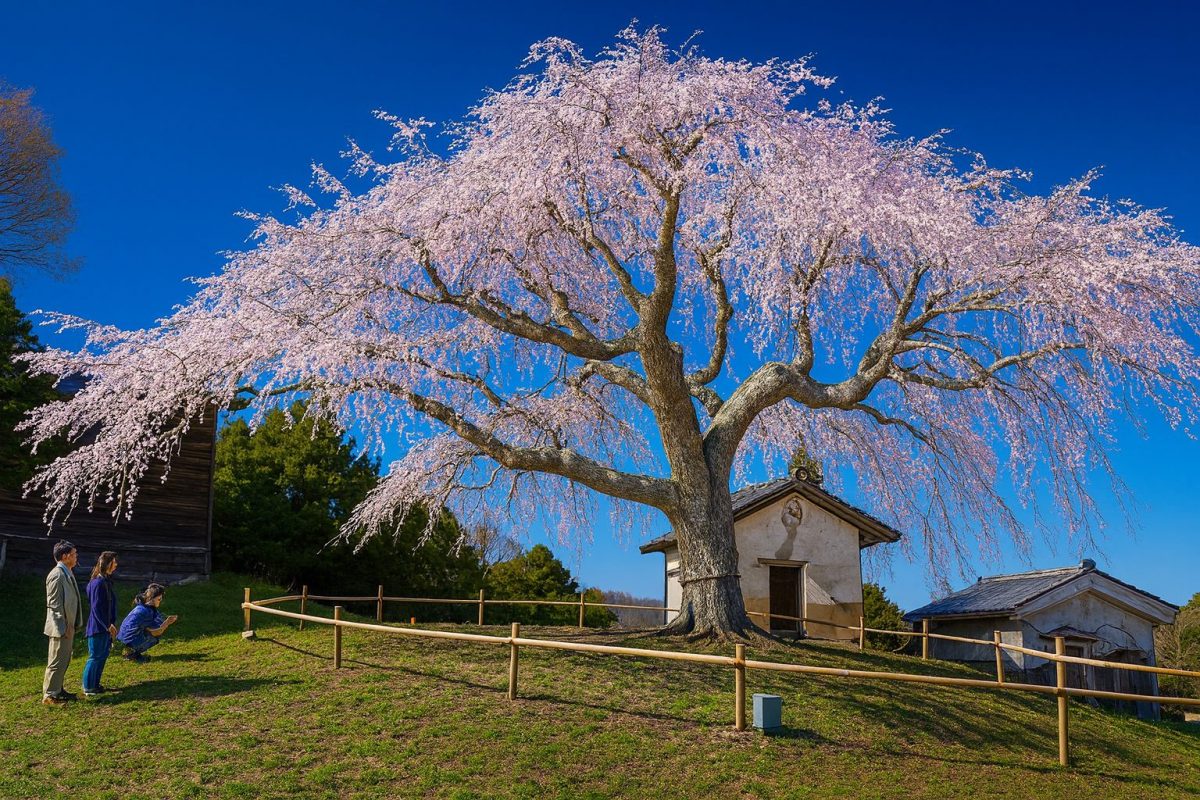
- The Giant Oak Tree of Wamura – A prefectural natural monument estimated to be 650–750 years old, standing as a symbol of Gonohe’s ancient natural heritage.
- Rekishi Mirai Park – A cultural and recreational zone combining green spaces, historical exhibits, and community facilities.
Useful Links
List of Major Cities in Aomori Prefecture
-

Which Prefecture Is Kuroishi City In? [Answer] Aomori Prefecture | Complete Guide to Kuroishi City (Sightseeing, Culture, Local Products & Access)
-
Which Prefecture Is Aomori City In? [Answer] Aomori Prefecture | Complete Guide to Aomori City (Sightseeing, Culture, Local Products & Access)
-
Which Prefecture Is Hirakawa City In? [Answer] Aomori Prefecture | Complete Guide to Hirakawa City (Sightseeing, Culture, Local Products & Access)
-
Which Prefecture Is Towada City In? [Answer] Aomori Prefecture | Complete Guide to Towada City (Sightseeing, Culture, Local Products & Access)
-
Which Prefecture Is Hachinohe City In? [Answer] Aomori Prefecture | Complete Guide to Hachinohe City (Sightseeing, Culture, Local Products & Access)
-
Which Prefecture Is Mutsu City In? [Answer] Aomori Prefecture | Complete Guide to Mutsu City (Sightseeing, Culture, Local Products & Access)
-
Which Prefecture Is Hirosaki City In? [Answer] Aomori Prefecture | Complete Guide to Hirosaki City (Sightseeing, Culture, Local Products & Access)
-
Which Prefecture Is Goshogawara City In? [Answer] Aomori Prefecture | Complete Guide to Goshogawara City (Sightseeing, Culture, Local Products & Access)
-
Which Prefecture Is Misawa City In? [Answer] Aomori Prefecture | Complete Guide to Misawa City (Sightseeing, Culture, Local Products & Access)
-
Which Prefecture Is Tsugaru City In? [Answer] Aomori Prefecture | Complete Guide to Tsugaru City (Sightseeing, Culture, Local Products & Access)

Nambu Region List
-
Which Prefecture Is Hashikami Town In? [Answer] Aomori Prefecture | Complete Guide to Hashikami Town (Sightseeing, Culture, Local Products & Access)
-
Which Prefecture Is Takko Town In? [Answer] Aomori Prefecture | Complete Guide to Takko Town (Sightseeing, Culture, Local Products & Access)
-
Which Prefecture Is Nanbu Town In? [Answer] Aomori Prefecture | Complete Guide to Nanbu Town (Sightseeing, Culture, Local Products & Access)
-
Which Prefecture Is Hachinohe City In? [Answer] Aomori Prefecture | Complete Guide to Hachinohe City (Sightseeing, Culture, Local Products & Access)
-
Which Prefecture Is Shingo Village In? [Answer] Aomori Prefecture | Complete Guide to Shingo Village (Sightseeing, Culture, Local Products & Access)
-
Which Prefecture Is Gonohe Town In? [Answer] Aomori Prefecture | Complete Guide to Gonohe Town (Sightseeing, Culture, Local Products & Access)
-
Which Prefecture Is Sannohe Town In? [Answer] Aomori Prefecture | Complete Guide to Sannohe Town (Sightseeing, Culture, Local Products & Access)