| population | 1,840 peoples |
|---|---|
| area | 125.27 km² |
| population density | 14.7 peoples/km² |
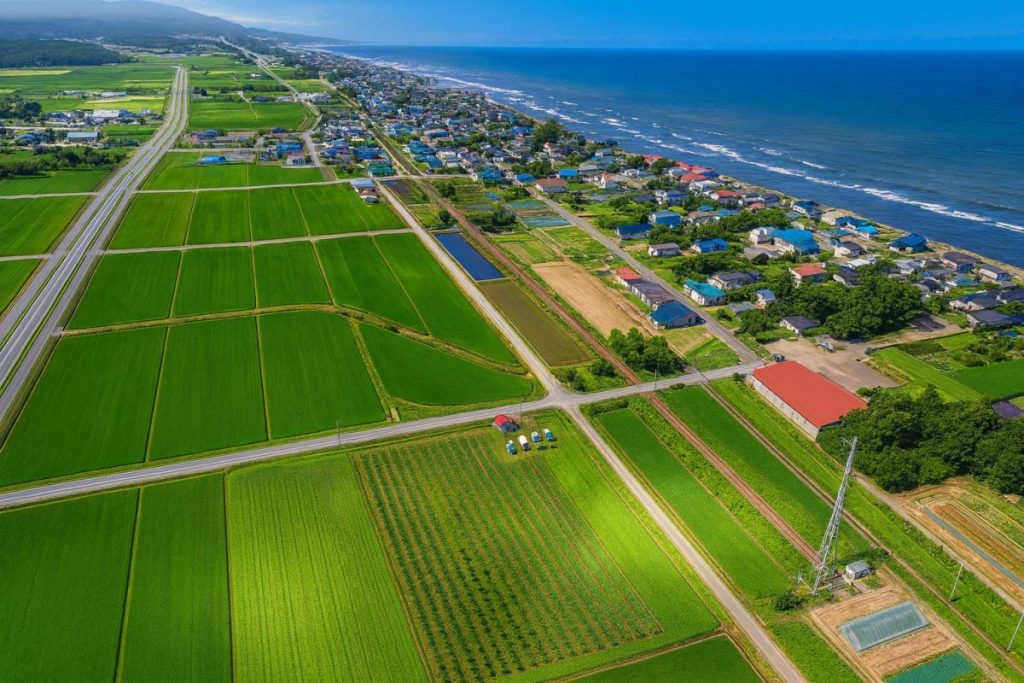
Imabetsu Town is located in the northern part of Aomori Prefecture, on the eastern edge of the Tsugaru Peninsula.
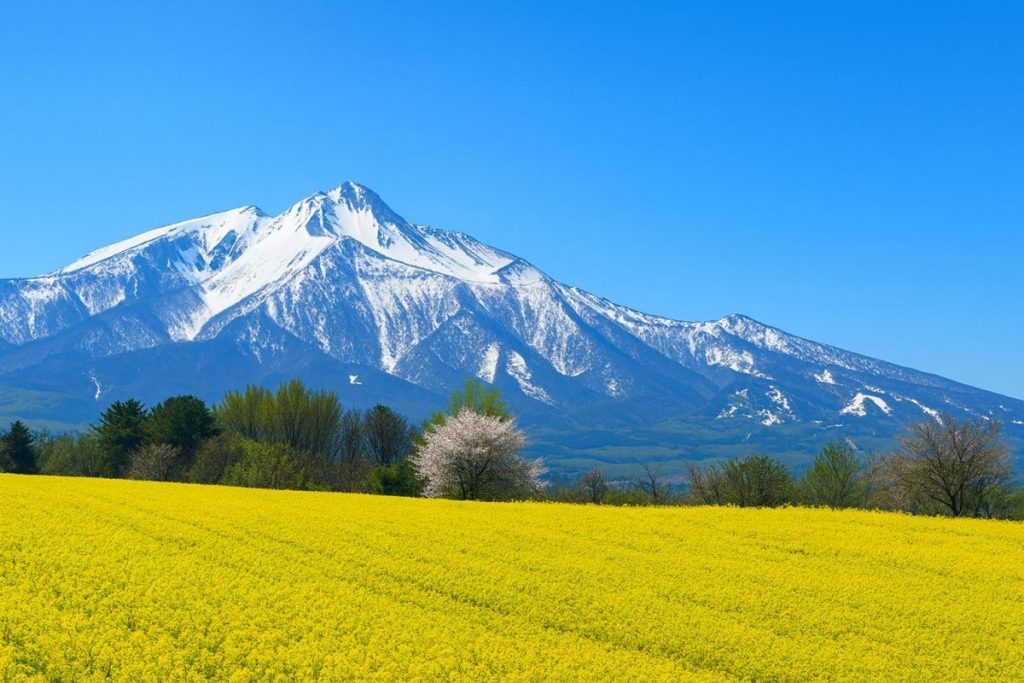
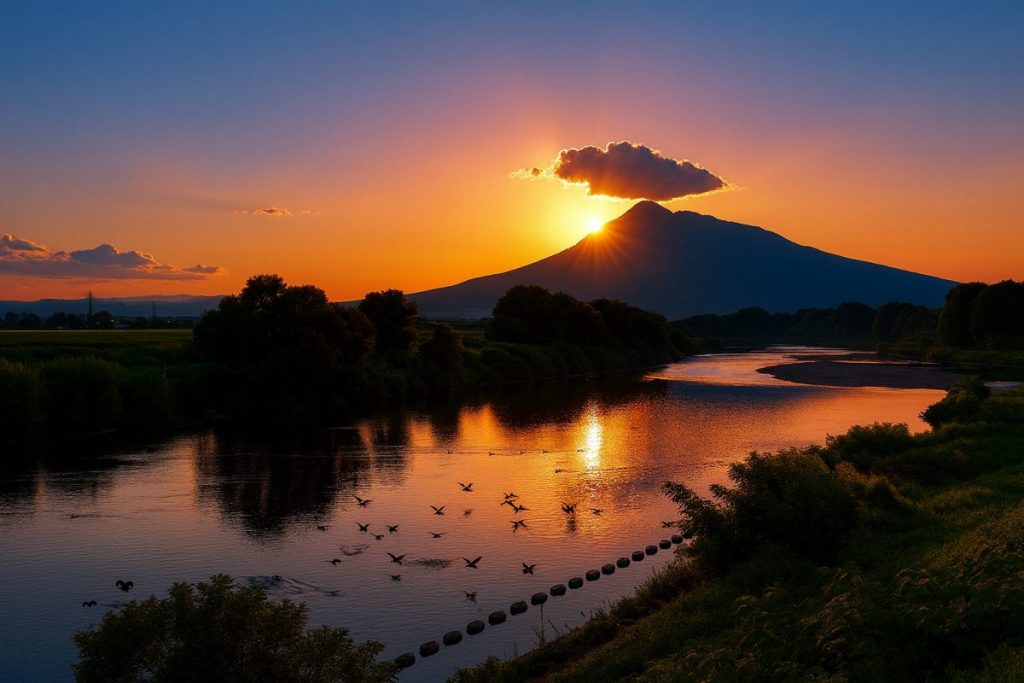
Facing Mutsu Bay and surrounded by rugged mountains such as Mt. Shittakiyama and Mt. Maruyagata, the area offers a dramatic natural landscape shaped by rivers including the Imabetsu River and Nagawa River.
The name “Imabetsu” is believed to have originated from the old term “Imabuchi,” based on a historical tale involving the warrior Minamoto no Yoshitsune.
Another theory suggests roots in the Ainu language, from “i-ma-pet,” meaning “that which burns/river.”
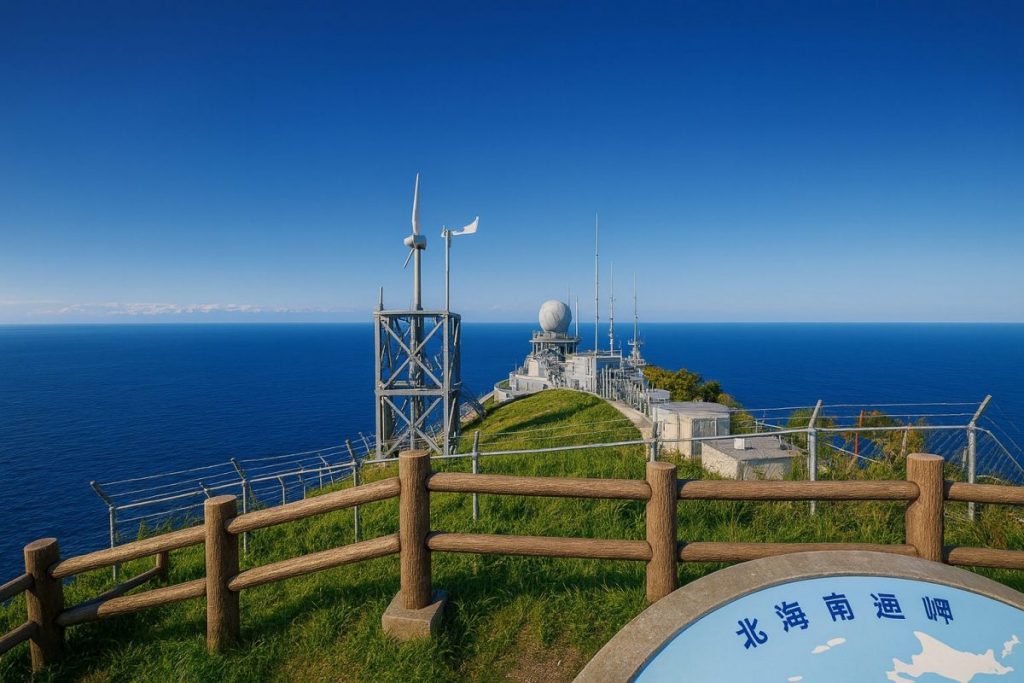
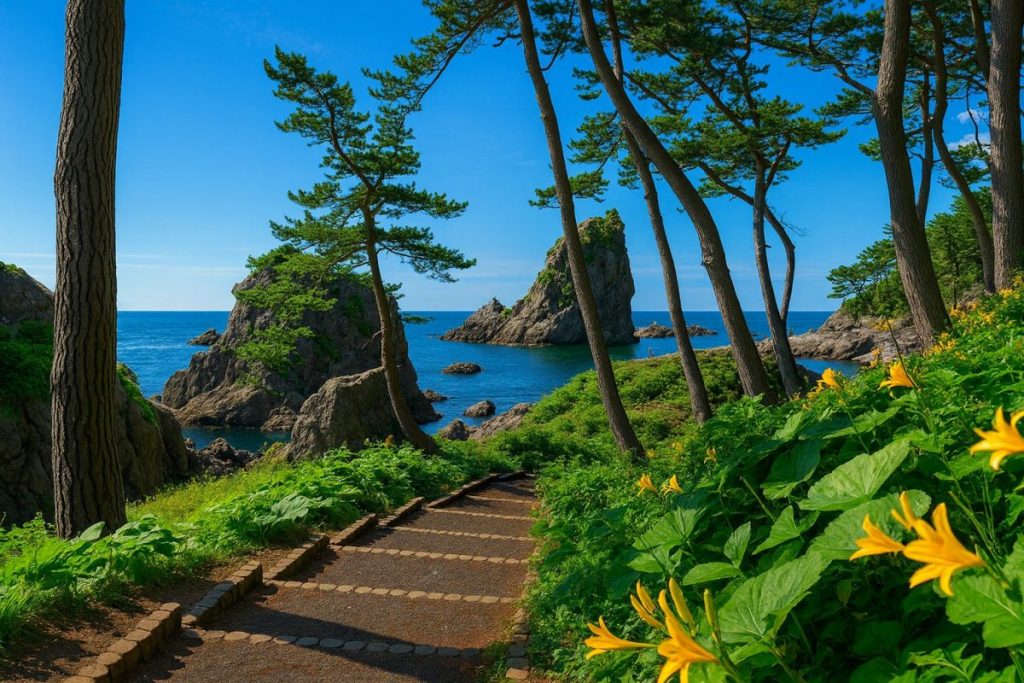
Blessed with abundant nature, the town includes scenic locations such as the Horozuki Coast and Takanozaki, both part of the Tsugaru Quasi-National Park.
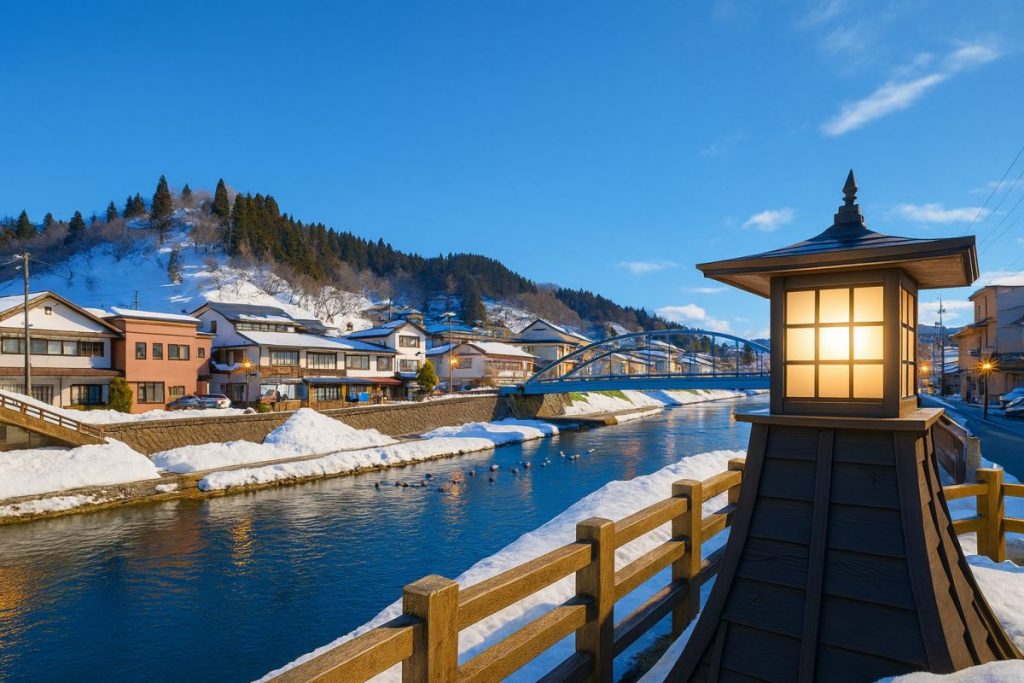
The climate is strongly continental, with heavy snowfall in winter—Imabetsu is officially designated as a “Special Heavy Snowfall Area.”
Agriculture and fisheries form the foundation of daily life. The cold northern environment produces high-quality garlic and seasonal vegetables, while the coastal waters yield scallops, squid, and octopus from one of Japan’s most nutrient-rich sea areas.
The people of Imabetsu continue to preserve their traditions, including the use of the Tsugaru dialect, historical shrines, and long-standing seasonal festivals.
The town’s most notable cultural event, the “Arahama Festival,” draws participants from both inside and outside the prefecture, including university students from across Japan.
With its mix of nature, history, and warm community spirit, Imabetsu Town offers visitors a deeper sense of connection and discovery.
Culture & Traditions
Imabetsu has a long history of settlement dating back to the Nara period. During the Edo era, the town developed under the rule of the Nanbu Domain.
Many historical elements remain today, most notably temples such as Gikeiji Temple—associated with Yoshitsune folklore—and the Onidomari Iwaya Kannon, a cave-style Kannon sanctuary that holds deep local significance.
The Tsugaru dialect, characterized by its unique rhythms and expressions, is a defining element of daily communication.
Local festivals play a major role in preserving community ties.
The Arahama Festival, held in summer, features traditional horse-inspired dances and energetic performances that have been passed down for generations.
Many young people, including students from outside Aomori, join the celebration, transforming the town into a lively, colorful space.
Imabetsu residents maintain a lifestyle closely connected to nature.
Children learn about agriculture and the environment through school programs, fostering an early appreciation for sustainability and cultural heritage.
This interwoven relationship between people, tradition, and nature is one of the town’s greatest charms.
Local Specialties
- Imabetsu Garlic – Grown in fertile, well-drained soil and a cool climate, Imabetsu garlic is known for its strong aroma, natural sweetness, and high quality. It is widely appreciated throughout the region.
- Scallops from Mutsu Bay – The town’s scallops are thick, flavorful, and harvested from cold, nutrient-rich waters. They are popular for sashimi, grilling, or steamed dishes.
- Squid & Octopus – Fast currents of the Tsugaru Strait produce squid and octopus with firm texture and rich taste. Freshly caught seafood is a highlight at local markets.
- Salmon Roe (Ikura) – Seasonal salmon roe processed locally in Imabetsu is known for its bright color and concentrated umami. It is considered a premium delicacy.
Annual Events
- Arahama Festival (August) – Imabetsu’s signature traditional performing arts event. Dancers in vivid costumes perform energetic horseback-themed movements to drums and chants.
- Winter Festival – Locals create large and small snow sculptures, illuminated at night for a magical winter atmosphere.
- Shrine Festivals – Various shrines across town, including Uga Shrine and Inari Shrine, hold summer to autumn festivals featuring portable shrines and traditional processions.
- Harvest & Industry Festivals (Autumn) – Visitors can enjoy fresh local produce, seafood, specialty products, and traditional dishes that showcase the town’s culture and agriculture.
Access
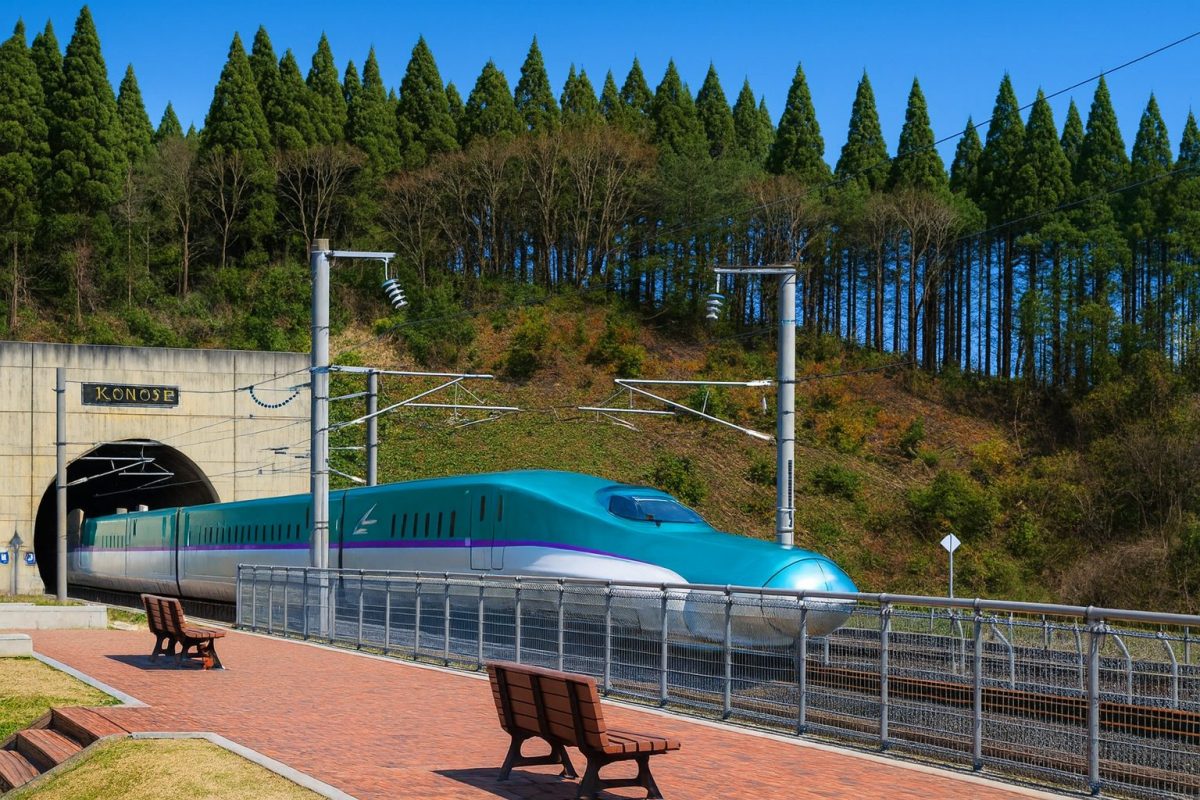
- Shinkansen: The Hokkaido Shinkansen serves Okutsugaru-Imabetsu Station. From Aomori Station, it is accessible by car (approx. 1 hour) or via the Tsugaru Line.
- Air: From Aomori Airport, Imabetsu is about 1 hour 20 minutes by car.
- Rail (JR Tsugaru Line): From Aomori Station to Imabetsu Station or Tsugaru-Futamata Station.
- Car: Approximately 1.5 hours from central Aomori via Route 280.
- Bus: Konan Bus operates routes connecting Okutsugaru-Imabetsu Station with Tsugaru-Nakasato.
Tourist Attractions
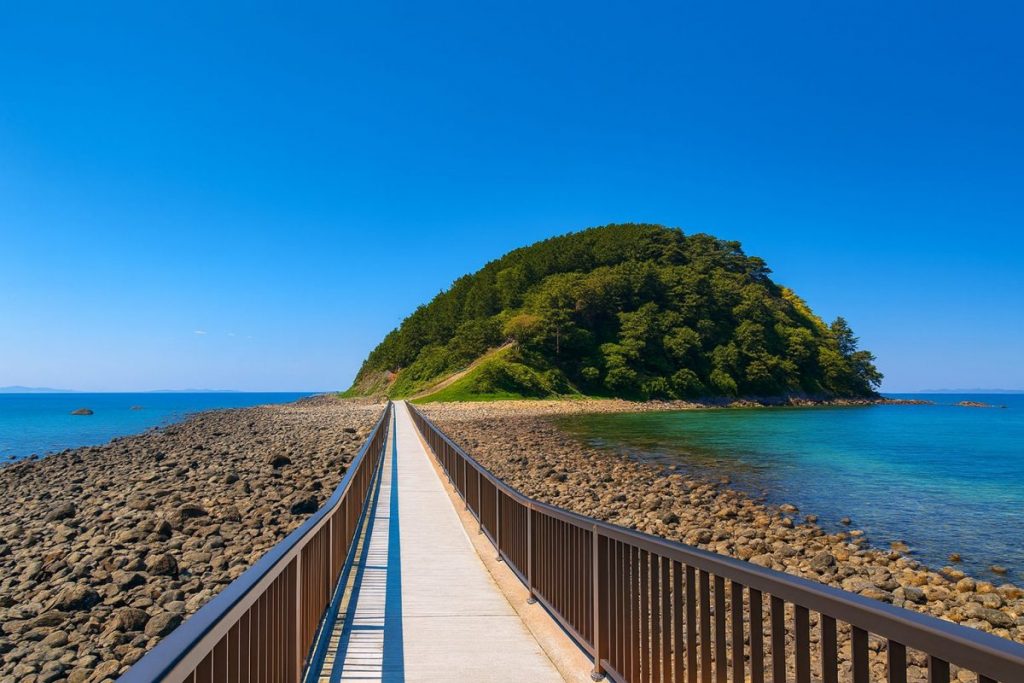
- Takanozaki – Famous for the twin pedestrian bridges “Shiosai Bridge” and “Nagisa Bridge,” offering breathtaking ocean views.
- Horozuki Coast – A scenic coastal area of Tsugaru Quasi-National Park known for dramatic cliffs and clear waters.
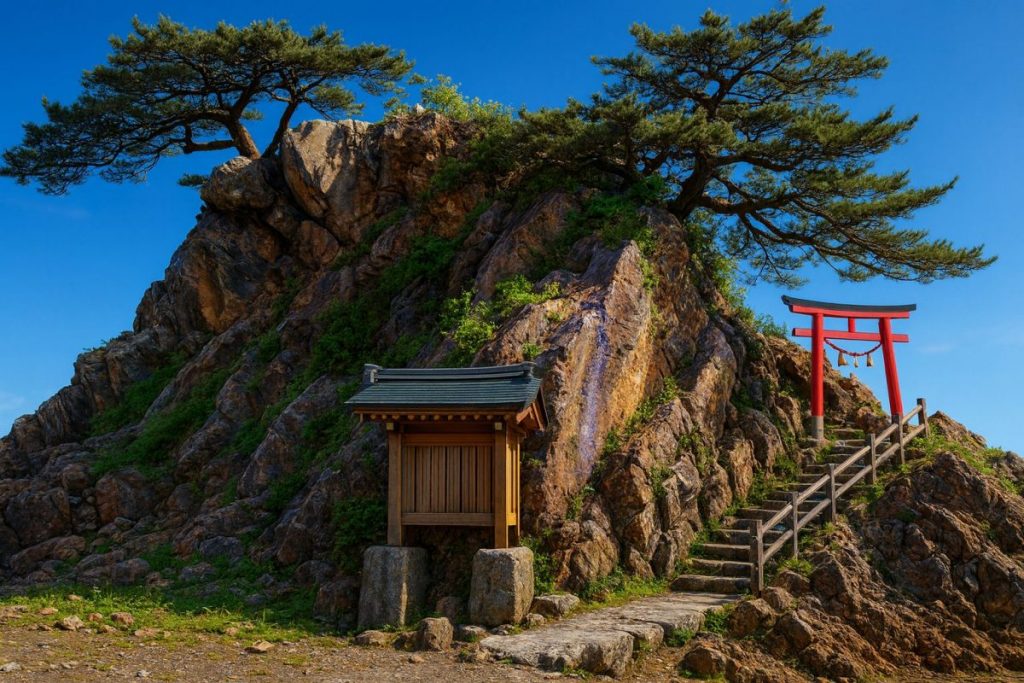
- Seikan Tunnel Entrance Plaza – The Honshu-side entrance of the world-famous Seikan Tunnel. A “Tunnel Shrine” stands nearby.
- Gikeiji Temple – A historic temple with ties to Yoshitsune legends. Its tranquil atmosphere attracts history enthusiasts.
- Onidomari Iwaya Kannon – A cave sanctuary enshrining Kannon, visited for its mystical atmosphere and spiritual significance.
- Roadside Station Imabetsu (Hanto Plaza Askul) – A popular stop offering souvenirs, local foods, rest areas, and tourist information.
- Ikamasaki Campground – A peaceful seaside camping area ideal for outdoor enthusiasts.
Related Links
List of Major Cities in Aomori Prefecture
-

Which Prefecture Is Kuroishi City In? [Answer] Aomori Prefecture | Complete Guide to Kuroishi City (Sightseeing, Culture, Local Products & Access)
-
Which Prefecture Is Aomori City In? [Answer] Aomori Prefecture | Complete Guide to Aomori City (Sightseeing, Culture, Local Products & Access)
-
Which Prefecture Is Hirakawa City In? [Answer] Aomori Prefecture | Complete Guide to Hirakawa City (Sightseeing, Culture, Local Products & Access)
-
Which Prefecture Is Towada City In? [Answer] Aomori Prefecture | Complete Guide to Towada City (Sightseeing, Culture, Local Products & Access)
-
Which Prefecture Is Hachinohe City In? [Answer] Aomori Prefecture | Complete Guide to Hachinohe City (Sightseeing, Culture, Local Products & Access)
-
Which Prefecture Is Mutsu City In? [Answer] Aomori Prefecture | Complete Guide to Mutsu City (Sightseeing, Culture, Local Products & Access)
-
Which Prefecture Is Hirosaki City In? [Answer] Aomori Prefecture | Complete Guide to Hirosaki City (Sightseeing, Culture, Local Products & Access)
-
Which Prefecture Is Goshogawara City In? [Answer] Aomori Prefecture | Complete Guide to Goshogawara City (Sightseeing, Culture, Local Products & Access)
-
Which Prefecture Is Misawa City In? [Answer] Aomori Prefecture | Complete Guide to Misawa City (Sightseeing, Culture, Local Products & Access)
-
Which Prefecture Is Tsugaru City In? [Answer] Aomori Prefecture | Complete Guide to Tsugaru City (Sightseeing, Culture, Local Products & Access)
Tsugaru Region List
-
Which Prefecture Is Kuroishi City In? [Answer] Aomori Prefecture | Complete Guide to Kuroishi City (Sightseeing, Culture, Local Products & Access)
-
Which Prefecture Is Tsuruta Town In? [Answer] Aomori Prefecture | Complete Guide to Tsuruta Town (Sightseeing, Culture, Local Products & Access)
-
Which Prefecture Is Ajigasawa Town In? [Answer] Aomori Prefecture | Complete Guide to Ajigasawa Town (Sightseeing, Culture, Local Products & Access)
-
Which Prefecture Is Aomori City In? [Answer] Aomori Prefecture | Complete Guide to Aomori City (Sightseeing, Culture, Local Products & Access)
-
Which Prefecture Is Nishimeya Village In? [Answer] Aomori Prefecture | Complete Guide to Nishimeya Village (Sightseeing, Culture, Local Products & Access)
-
Which Prefecture Is Fujisaki Town In? [Answer] Aomori Prefecture | Complete Guide to Fujisaki Town (Sightseeing, Culture, Local Products & Access)
-
Which Prefecture Is Yomogita Village In? [Answer] Aomori Prefecture | Complete Guide to Yomogita Village (Sightseeing, Culture, Local Products & Access)
-
Which Prefecture Is Inakadate Village In? [Answer] Aomori Prefecture | Complete Guide to Inakadate Village (Sightseeing, Culture, Local Products & Access)
-
Which Prefecture Is Fukaura Town In? [Answer] Aomori Prefecture | Complete Guide to Fukaura Town (Sightseeing, Culture, Local Products & Access)
-
Which Prefecture Is Itayanagi Town In? [Answer] Aomori Prefecture | Complete Guide to Itayanagi Town (Sightseeing, Culture, Local Products & Access)
-
Which Prefecture Is Hirakawa City In? [Answer] Aomori Prefecture | Complete Guide to Hirakawa City (Sightseeing, Culture, Local Products & Access)
-
Which Prefecture Is Hiranai Town In? [Answer] Aomori Prefecture | Complete Guide to Hiranai Town (Sightseeing, Culture, Local Products & Access)
-
Which Prefecture Is Owani Town In? [Answer] Aomori Prefecture | Complete Guide to Owani Town (Sightseeing, Culture, Local Products & Access)
-
Which Prefecture Is Sotogahama Town In? [Answer] Aomori Prefecture | Complete Guide to Sotogahama Town (Sightseeing, Culture, Local Products & Access)
-
Which Prefecture Is Hirosaki City In? [Answer] Aomori Prefecture | Complete Guide to Hirosaki City (Sightseeing, Culture, Local Products & Access)