| population | 48,697 peoples |
|---|---|
| area | 864.20 km² |
| population density | 56.3 peoples/km² |
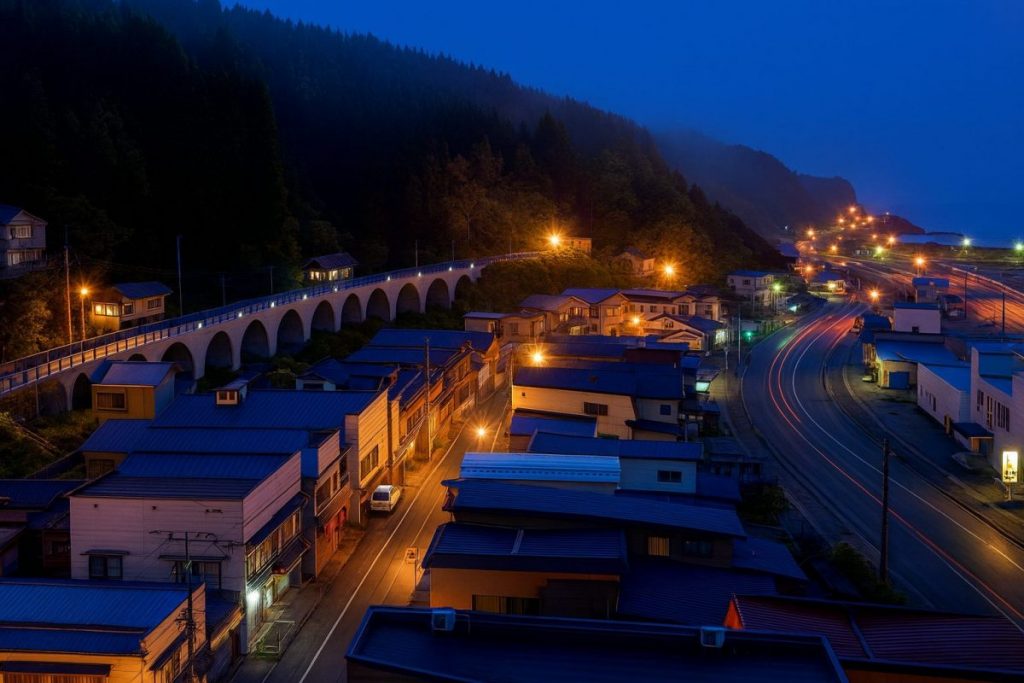
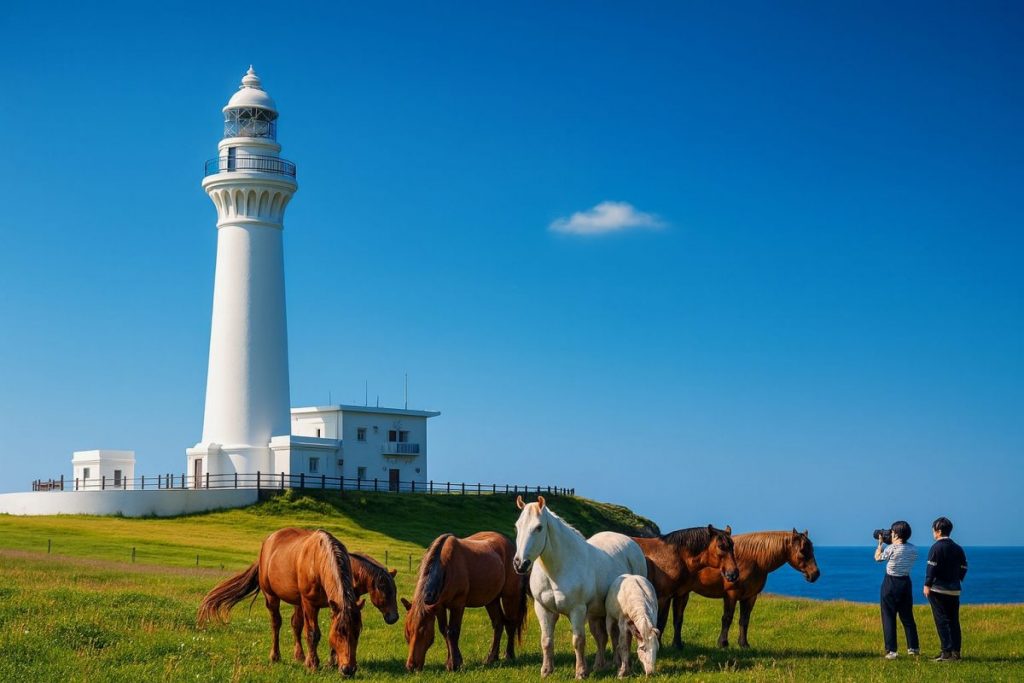
Mutsu City, located at the northernmost tip of Honshu in Aomori Prefecture, is a region where rich nature and long-standing history coexist. References to this area can be traced back to the Nara period, and its landscape has long been shaped by the mountains, rivers, and the surrounding seas of the Shimokita Peninsula. Since ancient times, the city has developed around its fishing industry—particularly in coastal districts such as Ōhata, Kawauchi, and Wakinosawa—where an abundance of fresh seafood continues to support local cuisine and daily life. In the modern era, the construction of nuclear research facilities represented a new industrial frontier, contributing to the technological and economic diversification of the city. Yet Mutsu remains deeply connected to its natural environment, with serene forests, mountains, and coastline forming an integral backdrop to everyday life.
The people of Mutsu carry on the soft and warm-sounding local dialect known as “Mutsu-ben,” which can be heard in daily conversation throughout the city. Seasonal festivals—such as the Munakata Ōminato Festival and the historic Tanabu Festival—reflect centuries-old traditions, bringing together residents and visitors alike. The region is also home to Mount Osore, one of Japan’s three great sacred sites, and Lake Usoriko, a caldera lake known for its striking clarity. Combined with iconic views from Mount Kamafuse and the soothing waters of the Yagen hot spring area, Mutsu offers a rare blend of spiritual heritage, natural beauty, and cultural history. From seafood dishes to ancient rituals, the city’s charm continues to captivate all who visit.
Cultural Traditions
Mutsu City preserves cultural traditions formed through centuries of coastal living and its unique historical background. The fishing industry has shaped everything from the local diet to community customs, with dishes such as miso kaiyaki (scallops grilled in miso), whale soup, and various seafood-based meals playing an essential role in daily life. The distinct regional dialect, “Mutsu-ben,” adds warmth to conversations and reflects the character of the people who have long inhabited this northern environment.
The city hosts numerous festivals, including the long-established Tanabu Festival, the lively Ōminato Nebuta Festival, and the spirited Oshimako Dance Procession. In summer, the Munakata Ōminato Festival draws crowds with its vibrant lantern floats and performances, making it one of the city’s most iconic celebrations. At the spiritual center of the region, the Osorezan Grand Festival attracts visitors from across Japan, where traditional rituals—such as the Itako spirit-calling ceremony—continue to be practiced. These events not only preserve important cultural heritage but also strengthen local community bonds and pass traditions on to future generations.
Local Specialties
- Apples of Mutsu: The cold climate of Mutsu helps produce apples with a perfect balance of sweetness and acidity. The “Mutsu (Rikuō)” variety is particularly famous nationwide. (Google Maps)
- Ōhata Tuna & Scallops: The offshore waters of Ōhata are among the richest fishing grounds in the Tsugaru Strait, supplying high-quality tuna and scallops known for their exceptional freshness. Ōhata Fishing Port
- Ōhata Rice: Nourished by clean mountain water and a cool climate, rice from the Ōhata area is prized for its stickiness and natural sweetness. (Google Maps)
- Cherries of Mutsu: Locally grown cherries offer vivid color and a refined sweet-and-tart flavor, making them a seasonal favorite. (Google Maps)
- Local Pickles: Fresh vegetables such as daikon and cucumbers are turned into simple yet flavorful pickles, a traditional accompaniment in Mutsu households. (Local markets)
Annual Events
- Mutsu Cherry Blossom Festival (late April–early May): Thousands of cherry trees bloom across the city, particularly around Water Source Park. Suigenchi Park
- Mutsu Summer Festival (August): The entire city comes alive with dancing, parades, and fireworks in this major seasonal celebration.
- Ōminato Winter Festival (mid-February): Snow sculptures, kamakura igloos, and winter activities brighten the cold season in the Ōminato district. Ōminato Area
- Mutsu Citizens’ Cultural Festival (November): A gathering of local arts featuring theater, music, exhibitions, and community performances.
- Minato Festival (July): Held around Ōminato Port, this festival highlights seafood markets and ends with a large fireworks display. Ōminato Port
Access
- By Air from Tokyo: Haneda → Aomori Airport (approx. 1 hour). From the airport, a direct bus to Mutsu takes around 2.5 hours.
- By Shinkansen + Bus: Tokyo → Shin-Aomori via the Hayabusa Shinkansen (approx. 3 hours). Buses from Shin-Aomori to Mutsu take about 3 hours.
- By Highway Bus: A direct overnight bus from Tokyo to Mutsu (“Shimokita-go”) operates on select days (approx. 10 hours).
- By Rental Car: Cars can be rented at Aomori Airport or Shin-Aomori Station; the drive to Mutsu takes 2.5 to 3 hours.
- By Ferry: From Aomori Port to Kanita → transfer to the Mutsu Bay Ferry bound for Wakinosawa Port. Wakinosawa Port
Tourist Attractions
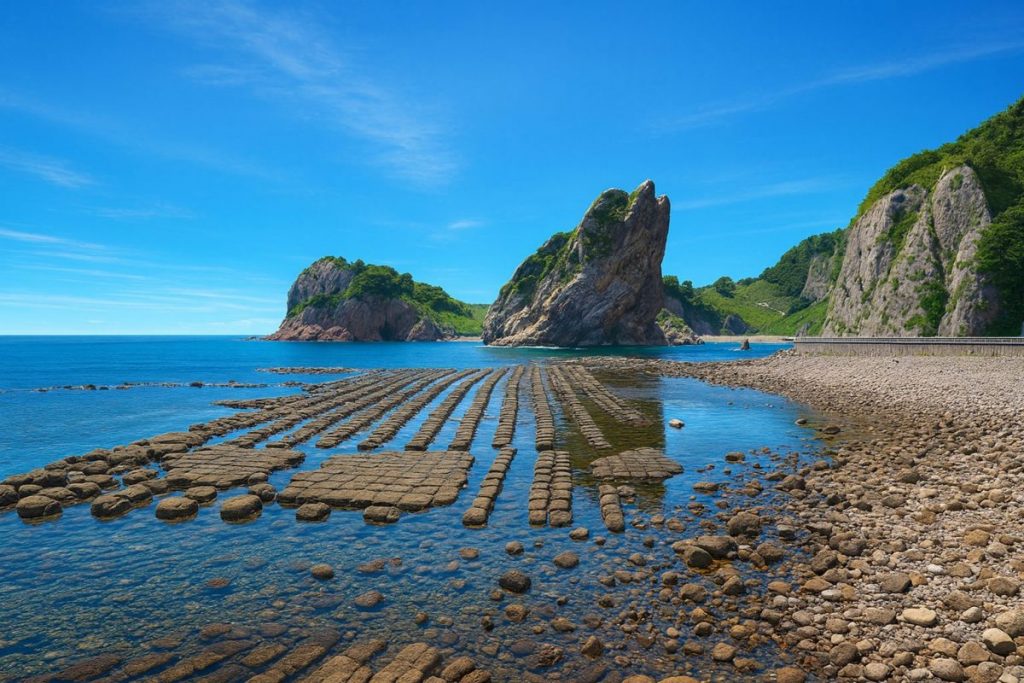
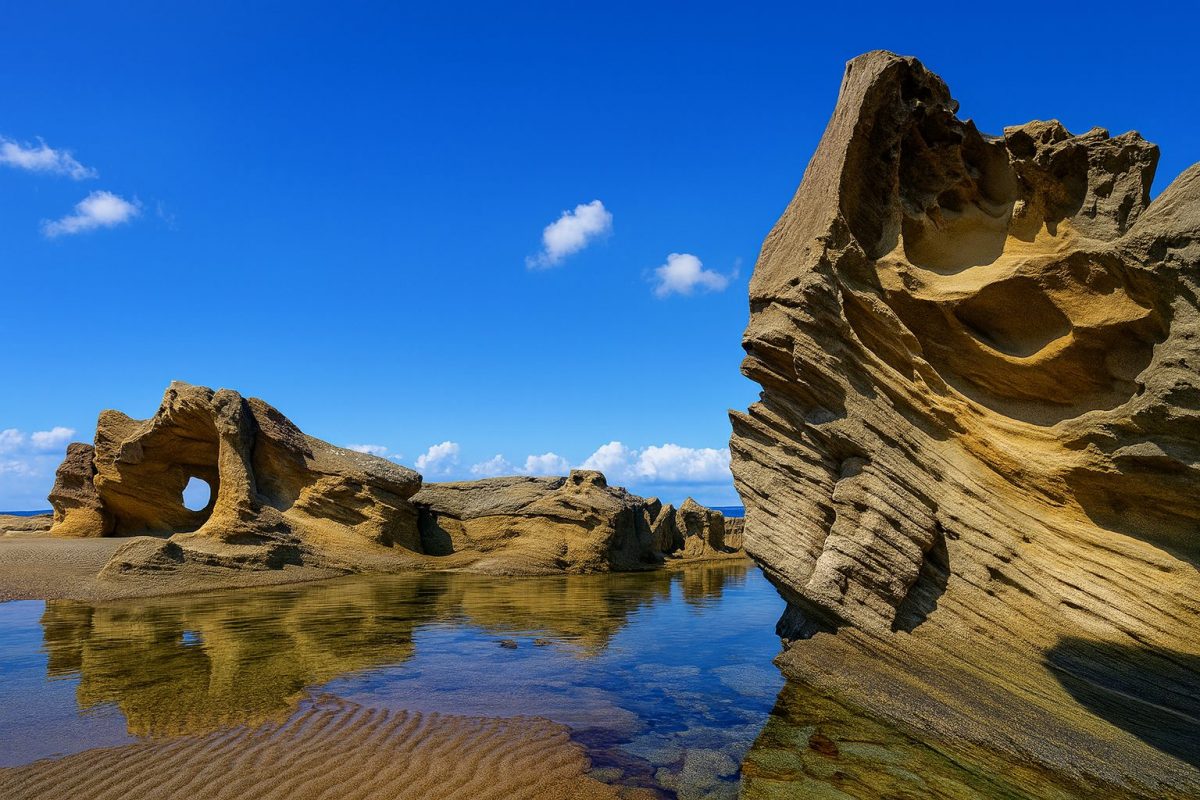
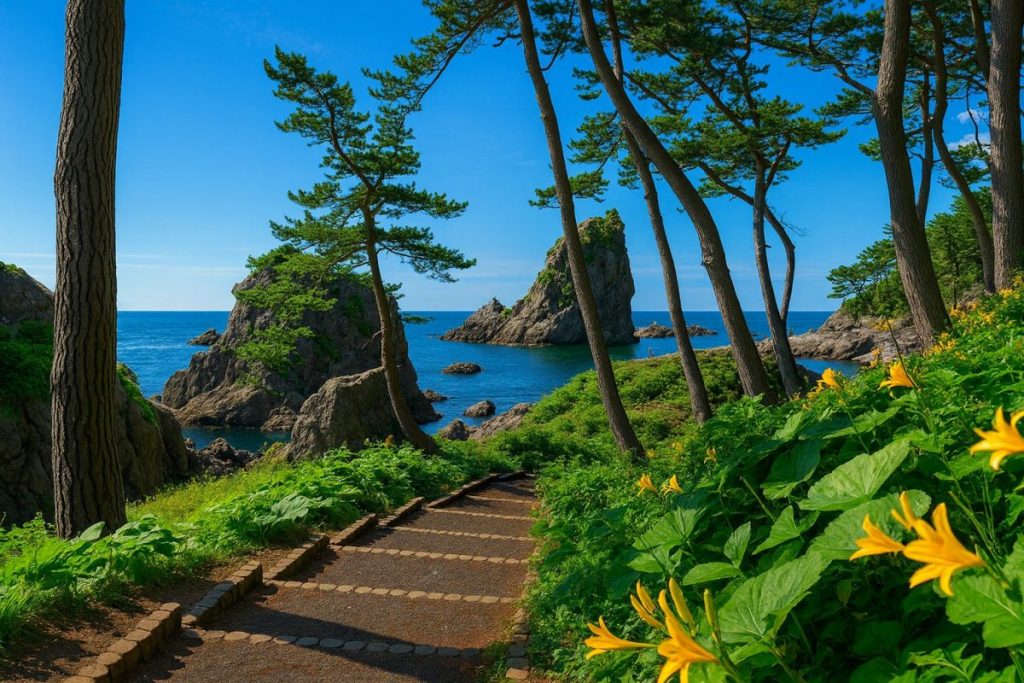
- Ōhata Coast – Known for its breathtaking sunsets over the Tsugaru Strait.
- Mount Osore (Osorezan) – One of Japan’s three major sacred mountains with a mystic volcanic landscape.
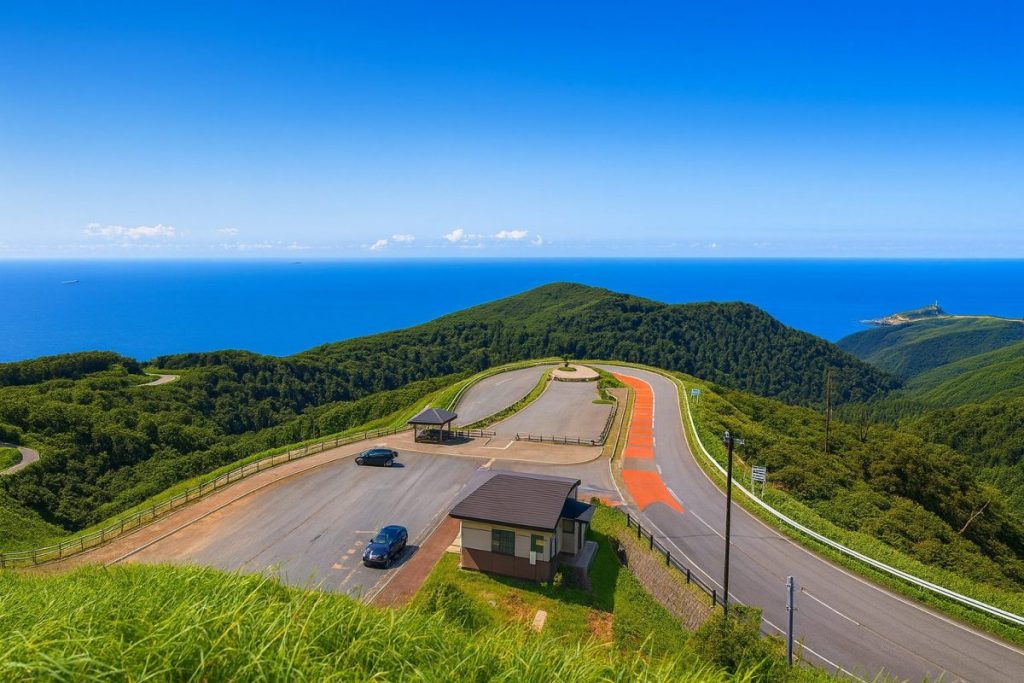
- Kamafuseyama Observatory – Offers one of Japan’s best night views.
- Yagen Hot Springs – A beautiful hot spring area surrounded by pristine forests and canyon trails.
- Mutsu Science Museum – Features exhibits related to Japan’s nuclear research vessel “Mutsu” and other scientific displays.
Related Links
List of Major Cities in Aomori Prefecture
-

Which Prefecture Is Kuroishi City In? [Answer] Aomori Prefecture | Complete Guide to Kuroishi City (Sightseeing, Culture, Local Products & Access)
-
Which Prefecture Is Aomori City In? [Answer] Aomori Prefecture | Complete Guide to Aomori City (Sightseeing, Culture, Local Products & Access)
-
Which Prefecture Is Hirakawa City In? [Answer] Aomori Prefecture | Complete Guide to Hirakawa City (Sightseeing, Culture, Local Products & Access)
-
Which Prefecture Is Towada City In? [Answer] Aomori Prefecture | Complete Guide to Towada City (Sightseeing, Culture, Local Products & Access)
-
Which Prefecture Is Hachinohe City In? [Answer] Aomori Prefecture | Complete Guide to Hachinohe City (Sightseeing, Culture, Local Products & Access)
-
Which Prefecture Is Mutsu City In? [Answer] Aomori Prefecture | Complete Guide to Mutsu City (Sightseeing, Culture, Local Products & Access)
-
Which Prefecture Is Hirosaki City In? [Answer] Aomori Prefecture | Complete Guide to Hirosaki City (Sightseeing, Culture, Local Products & Access)
-
Which Prefecture Is Goshogawara City In? [Answer] Aomori Prefecture | Complete Guide to Goshogawara City (Sightseeing, Culture, Local Products & Access)
-
Which Prefecture Is Misawa City In? [Answer] Aomori Prefecture | Complete Guide to Misawa City (Sightseeing, Culture, Local Products & Access)
-
Which Prefecture Is Tsugaru City In? [Answer] Aomori Prefecture | Complete Guide to Tsugaru City (Sightseeing, Culture, Local Products & Access)
Shimokita Region List
-
Which Prefecture Is Kazamaura Village In? [Answer] Aomori Prefecture | Complete Guide to Kazamaura Village (Sightseeing, Culture, Local Products & Access)
-
Which Prefecture Is Higashidori Village In? [Answer] Aomori Prefecture | Complete Guide to Higashidori Village (Sightseeing, Culture, Local Products & Access)
-
Which Prefecture Is Oma Town In? [Answer] Aomori Prefecture | Complete Guide to Oma Town (Sightseeing, Culture, Local Products & Access)
-
Which Prefecture Is Mutsu City In? [Answer] Aomori Prefecture | Complete Guide to Mutsu City (Sightseeing, Culture, Local Products & Access)
-
Which Prefecture Is Sai Village In? [Answer] Aomori Prefecture | Complete Guide to Sai Village (Sightseeing, Culture, Local Products & Access)