| population | 23,977 peoples |
|---|---|
| area | 71.96 km² |
| population density | 333 peoples/km² |
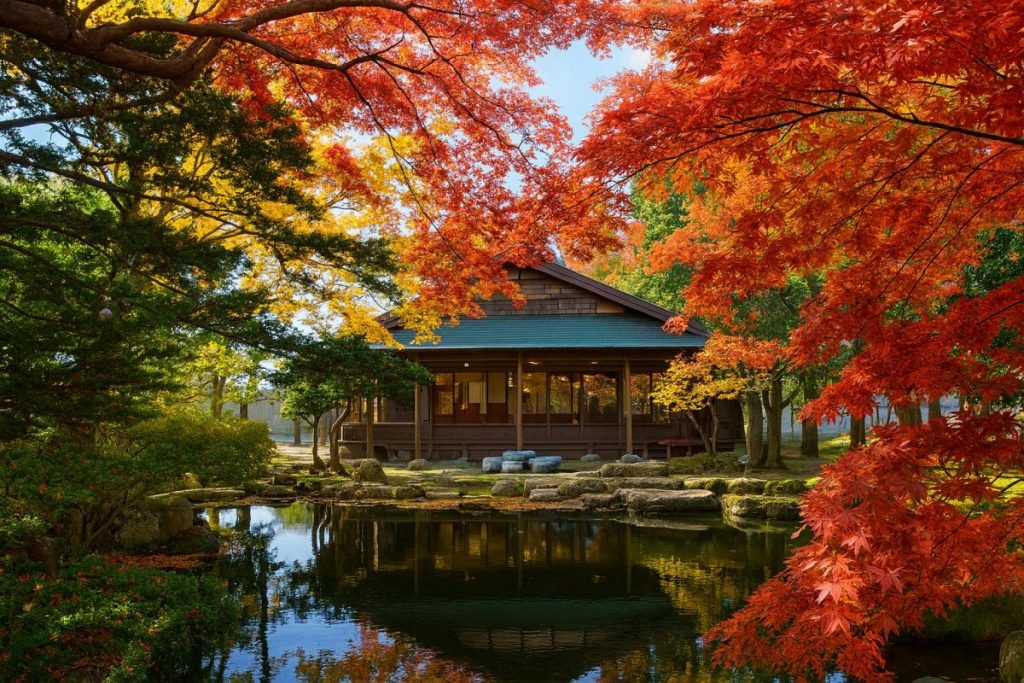
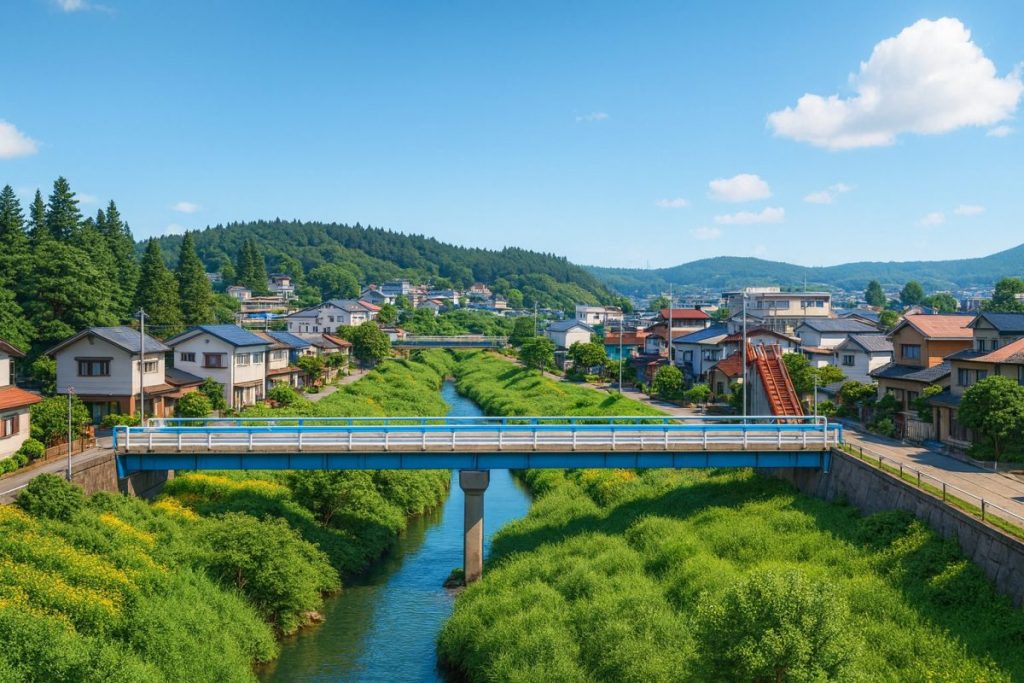
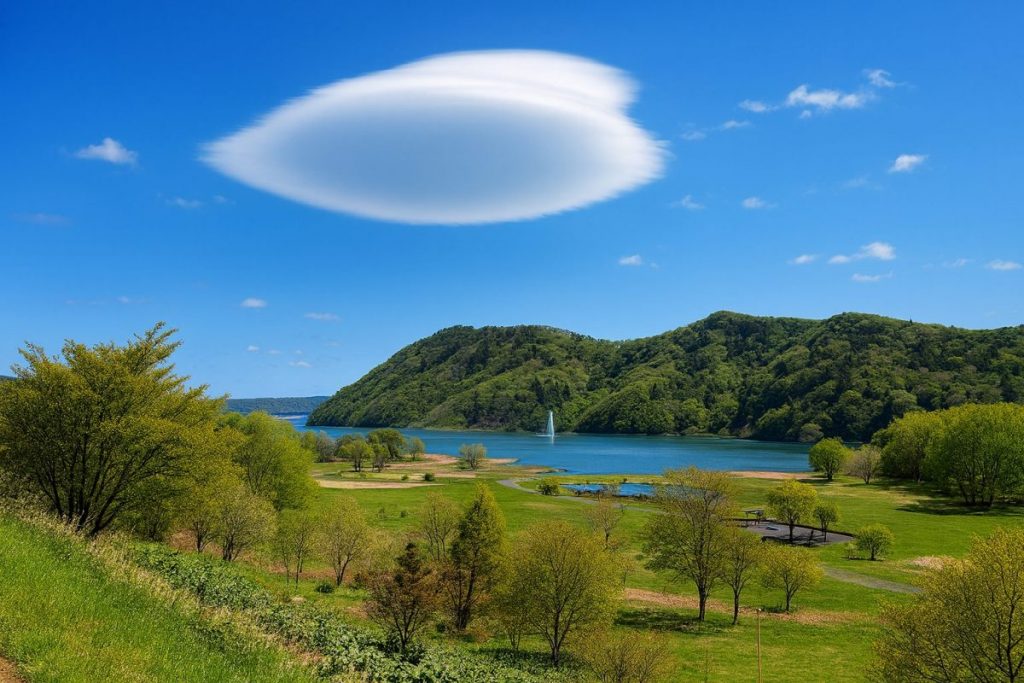
Located in the eastern part of Aomori Prefecture and facing the Pacific Ocean, Oirase Town is a nature-rich community through which the Oirase River flows from Lake Towada. The present town was established in 2006 through the merger of the former Shimoda Town and Momoiishi Town. Although the area itself has a long history connected to the Nanbu domain, Oirase Town as an administrative unit is quite new. Historically, the Momoiishi area prospered as a fishing hub, while the Shimoda area developed around agriculture and livestock. Today, the town features a well-balanced economy consisting of agriculture, fisheries, industry, and commerce, with the region’s largest commercial facility—AEON Mall Shimoda—serving as a major economic center. Additionally, the town has been growing as a residential area for nearby Misawa and Hachinohe. Local culture remains strong, represented by traditional events such as the “Momoishi Enburi,” a winter ritual celebrating hopes for a good harvest, as well as summer festivals and events linked to the town’s historical background. Nature and historical sites coexist throughout the town, including Magi Pond, a swan migration site; the ancient Negishi Great Ginkgo, estimated to be over 1,000 years old; the historic Kebi Shrine; and the Oyama Shogi Memorial Hall, which preserves materials related to the 15th Lifetime Meijin Yasuharu Oyama. Parks, ranches, and tourist farms offer seasonal attractions, making Oirase Town a destination where both residents and visitors can enjoy rich local culture and the beauty of nature.
CULTURE & TRADITIONS
The culture of Oirase Town stems from the heritage of its two predecessor municipalities. The Momoiishi area, with its long-standing fishing history, was once known for abundant herring and salmon catches that supported local livelihoods. Its iconic “Momoishi Enburi”—a traditional performing art of the Nanbu region—is performed every February to pray for a bountiful harvest. The dance, led by performers called “Tayu,” features distinctive movements symbolizing rice planting and is a signature cultural event of the town. In contrast, the Shimoda area has long been an agricultural region, producing a wide variety of crops such as cabbages, nagaimo yams, and carrots. Festivals such as the grand annual celebration at Kebi Shrine and other local events continue to preserve traditional customs. Residents primarily use the Nanbu dialect, which is characteristic of southeastern Aomori. Modern cultural activities also flourish, including agricultural exchange events, fruit-picking farms, and nature observation activities around Magi Pond. These experiences allow visitors to engage directly with the town’s history, lifestyle, and natural surroundings, enriching Oirase’s cultural identity in both traditional and modern contexts.
LOCAL SPECIALTIES
-
Sake “Momokawa”: Produced by Momokawa Co., Ltd., one of Aomori’s representative breweries. Known for its clean, crisp flavor crafted using Nanbu-toji brewing traditions.
(Google Maps) - “Gin no Kamo” (Premium Duck Meat): A high-end local brand known for its tender texture and deep umami flavor. It has been supplied to the Imperial Household.
- “Oppai Brand” Melons and Strawberries: A specialty agricultural brand known for its sweetness and aroma, grown in fertile local soils.
- Cabbage Ramen: A unique local dish featuring sweet Shimoda-grown cabbage served with flavorful broth—simple yet highly popular.
- Sacred Sake “Kehinosato”: A limited-edition sake named after Kebi Shrine, available exclusively within Oirase Town.
ANNUAL EVENTS
-
Momoishi Enburi (February): A traditional Nanbu winter ritual praying for good harvests. The energetic dances and musical performances fill the town with festive spirit.
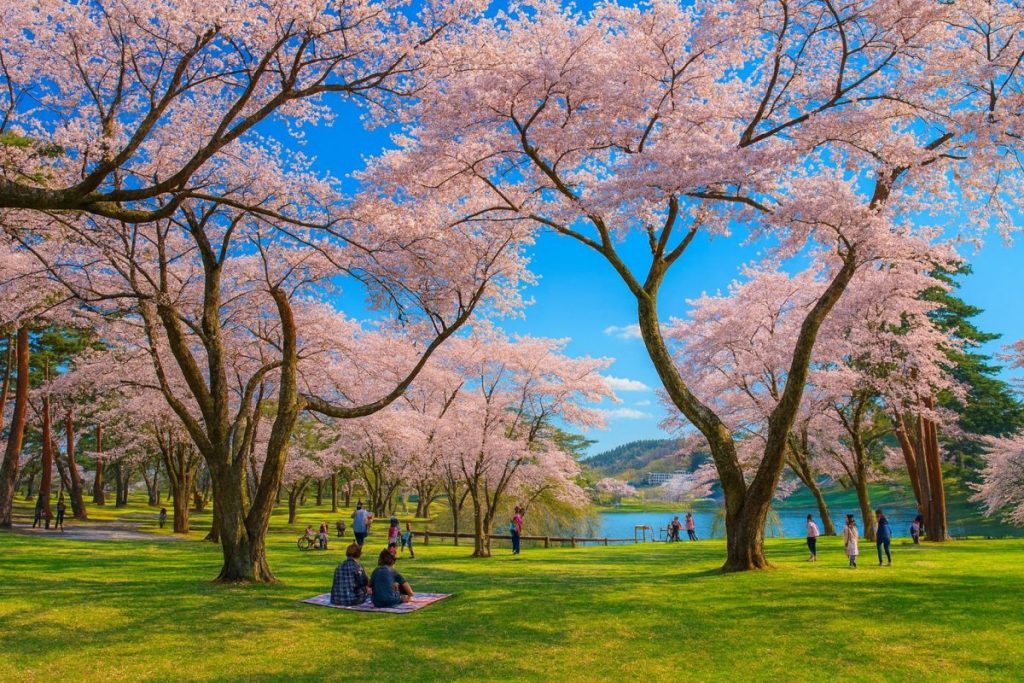
(Google Maps) - Oirase Spring Festival (April–May): Held during cherry blossom season, featuring stalls, stage events, and hanami gatherings.
-
Kebi Shrine Grand Festival (July): A major summer festival rooted in Nanbu domain history, featuring mikoshi processions and traditional ceremonies.
(Google Maps) - Japan Shogi Festival (August): Linked to the Oyama Shogi Memorial Hall, featuring professional players, matches, and instructional events.
- Oirase Momoiishi Festival / Oirase Shimoda Festival (September): Autumn festivals continuing local traditions with floats, performances, and community celebrations.
ACCESS
-
Railway: Served by Aoimori Railway—Shimoda Station and Mukaiyama Station.
Shimoda Station (Google Maps) -
Air: Misawa Airport is the nearest airport, about 20 minutes by car from central Oirase.
Misawa Airport - Car: Accessible directly via E4A Shimoda-Momoishi IC on the Second Michinoku Expressway.
- Bus: Local community buses and Towada Kanko Dentetsu buses connect major points including Shimoda Station and AEON Mall Shimoda.
TOURIST SPOTS
- Kebi Shrine – A historic shrine tied to the Nanbu domain, originally associated with horse rituals.
- Magi Pond – Famous swan migration site and scenic nature observation area.
- Negishi Great Ginkgo – A colossal ginkgo tree estimated to be over 1,000 years old and designated a prefectural natural monument.
- Oyama Shogi Memorial Hall – A museum dedicated to artifacts related to Yasuharu Oyama, the 15th Lifetime Meijin.
- Kawayo Green Ranch – Offers horseback riding, a ranch restaurant, and family-friendly activities.
- Agri-no-Sato Oirase – A tourist complex featuring a tropical orchard, strawberry farm, restaurant, and natural footbath.
RELATED LINKS
List of Major Cities in Aomori Prefecture
-

Which Prefecture Is Kuroishi City In? [Answer] Aomori Prefecture | Complete Guide to Kuroishi City (Sightseeing, Culture, Local Products & Access)
-
Which Prefecture Is Aomori City In? [Answer] Aomori Prefecture | Complete Guide to Aomori City (Sightseeing, Culture, Local Products & Access)
-
Which Prefecture Is Hirakawa City In? [Answer] Aomori Prefecture | Complete Guide to Hirakawa City (Sightseeing, Culture, Local Products & Access)
-
Which Prefecture Is Towada City In? [Answer] Aomori Prefecture | Complete Guide to Towada City (Sightseeing, Culture, Local Products & Access)
-
Which Prefecture Is Hachinohe City In? [Answer] Aomori Prefecture | Complete Guide to Hachinohe City (Sightseeing, Culture, Local Products & Access)
-
Which Prefecture Is Mutsu City In? [Answer] Aomori Prefecture | Complete Guide to Mutsu City (Sightseeing, Culture, Local Products & Access)
-
Which Prefecture Is Hirosaki City In? [Answer] Aomori Prefecture | Complete Guide to Hirosaki City (Sightseeing, Culture, Local Products & Access)
-
Which Prefecture Is Goshogawara City In? [Answer] Aomori Prefecture | Complete Guide to Goshogawara City (Sightseeing, Culture, Local Products & Access)
-
Which Prefecture Is Misawa City In? [Answer] Aomori Prefecture | Complete Guide to Misawa City (Sightseeing, Culture, Local Products & Access)
-
Which Prefecture Is Tsugaru City In? [Answer] Aomori Prefecture | Complete Guide to Tsugaru City (Sightseeing, Culture, Local Products & Access)
Kamikita Region List
-
Which Prefecture Is Noheji Town In? [Answer] Aomori Prefecture | Complete Guide to Noheji Town (Sightseeing, Culture, Local Products & Access)
-
Which Prefecture Is Yokohama Town In? [Answer] Aomori Prefecture | Complete Guide to Yokohama Town (Sightseeing, Culture, Local Products & Access)
-
Which Prefecture Is Tohoku Town In? [Answer] Aomori Prefecture | Complete Guide to Tohoku Town (Sightseeing, Culture, Local Products & Access)
-
Which Prefecture Is Towada City In? [Answer] Aomori Prefecture | Complete Guide to Towada City (Sightseeing, Culture, Local Products & Access)
-
Which Prefecture Is Rokunohe Town In? [Answer] Aomori Prefecture | Complete Guide to Rokunohe Town (Sightseeing, Culture, Local Products & Access)
-
Which Prefecture Is Rokkasho Village In? [Answer] Aomori Prefecture | Complete Guide to Rokkasho Village (Sightseeing, Culture, Local Products & Access)
-
Which Prefecture Is Misawa City In? [Answer] Aomori Prefecture | Complete Guide to Misawa City (Sightseeing, Culture, Local Products & Access)
-
Which Prefecture Is Shichinohe Town In? [Answer] Aomori Prefecture | Complete Guide to Shichinohe Town (Sightseeing, Culture, Local Products & Access)
-
Which Prefecture Is Oirase Town In? [Answer] Aomori Prefecture | Complete Guide to Oirase Town (Sightseeing, Culture, Local Products & Access)