| population | 9,831 peoples |
|---|---|
| area | 252.58 km² |
| population density | 38.9 peoples/km² |
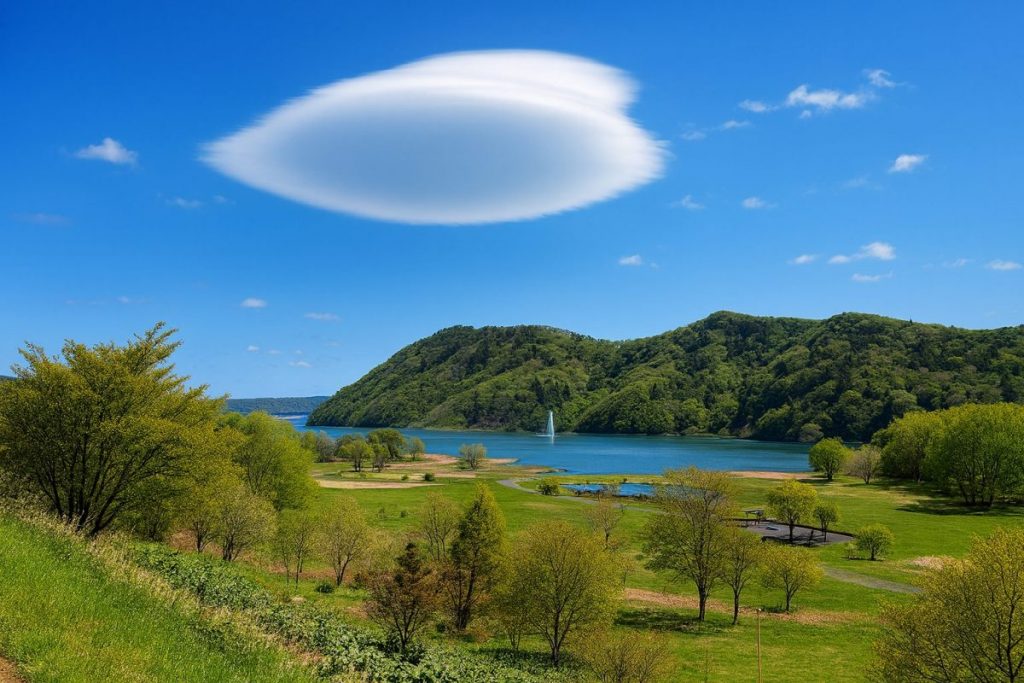
Located in the southeastern part of Aomori Prefecture on the Shimokita Peninsula, Rokkasho Village was established in 1889 when the six settlements of Kurauchi, Hiranuma, Takahoko, Obuchi, Deto, and Tomari were merged. Historically, the area was known for horse breeding, referenced in classical literature with terms such as “Obuchi no Koma” and “Obuchi no Maki.” Today, Rokkasho is recognized as one of Japan’s most important energy hubs, hosting large-scale nuclear fuel cycle facilities including the Reprocessing Plant, Uranium Enrichment Plant, and the High-Level Radioactive Waste Storage Center.
Despite its role in Japan’s energy policy, the village maintains a strong foundation in agriculture and fisheries. Nagaimo (Chinese yam) and scallops are key local products, supported by the cool climate influenced by the “Yamase” winds. The natural environment—mountains, lakes, and coastal landscapes—remains abundant, shaping daily life in the region. Local speech reflects characteristics of the Kamikita and Shimokita dialects, giving the village a distinctive cultural flavor. Annual events such as the Tomari Joint Festival and the Rokkasho Industrial Festival highlight the community’s traditions and unity.
The presence of energy-related facilities has contributed to a highly stable local economy, giving Rokkasho one of the highest fiscal strength indices among Japanese municipalities. Public infrastructure, healthcare, and community facilities are well developed. Rokkasho Village continues to stand out as a unique region where history, nature, and advanced industry coexist.
Culture & Traditions
Rokkasho Village blends historical heritage with modern industrial development. Historical materials related to the village’s long horse-breeding tradition are preserved at the Rokkasho Village Folk Museum, and the Obuchi area still retains legends and cultural memories passed down from earlier generations. The local dialect differs from the Tsugaru dialect and instead incorporates linguistic features from the Kamikita and Shimokita regions, giving everyday communication a distinctive rhythm and expression.
Among local festivals, the “Tomari Joint Festival,” held annually from July 18 to 20, is one of the most vibrant events, featuring parades, traditional rituals, and community celebrations. In autumn, the “Rokkasho Industrial Festival” showcases agricultural and marine products, traditional performances, and local specialties. These events reflect the strong connection between daily life and community traditions.
The village’s well-known specialty, “Rokushu,” a distilled spirit made from locally grown Nagaimo, has become a symbol of Rokkasho’s food culture. Local cuisine emphasizes ingredients from both the land and sea, creating simple yet deeply flavorful dishes. The Rokkasho Village Folk Museum further contributes to preserving and passing down local history, crafts, and cultural traditions.
Local Specialties
- Nagaimo (Chinese Yam): One of Rokkasho’s major agricultural products, cultivated in cool conditions influenced by the coastal climate. It is known for its strong stickiness and high quality.
- Scallops: Harvested from the nutrient-rich Pacific coast. Rokkasho’s scallops are prized for their sweetness and rich flavor, suitable for sashimi, grilling, and simmered dishes.
- Rokushu (Nagaimo-based Shochu): A specialty spirit produced by the Rokushu Brewing Workshop, characterized by its smooth aroma and mellow flavor derived from Nagaimo.
Annual Events
- Tomari Joint Festival (July 18–20): A traditional festival held in the Tomari district featuring floats, rituals, and lively performances.
- Rokkasho Industrial Festival (Late October): A large event showcasing local agricultural and marine products, craft displays, stage performances, and food stalls.
- Intercultural Exchange Fair: An event that promotes cultural exchange between local residents and international participants living or working in the area.
Access
- Rail: There are no train stations within the village. The nearest stations are Noheji and Okkonai on the Aoimori Railway, and Fukkoshi Station on the JR Ominato Line. Buses are available from Noheji Station to central Rokkasho.
- Air: The closest airports are Misawa Airport (approx. 50 minutes by car) and Aomori Airport (approx. 100 minutes by car).
- Car: Accessible via National Routes 338 and 394, as well as the Shimokita Peninsula Longitudinal Road. Rokkasho IC provides convenient access to the village.
- Bus: Regular bus services operate from Noheji Station to the Rokkasho Village Office and Tomari areas.
Tourist Attractions
- Rokkasho Village Office – The administrative center offering general information for visitors.
- Spa House Rokkaponkka – A public facility featuring hot baths, pools, and relaxation spaces.
- Monomisaki Lighthouse – A scenic lighthouse overlooking the Pacific Ocean with dramatic coastal views.
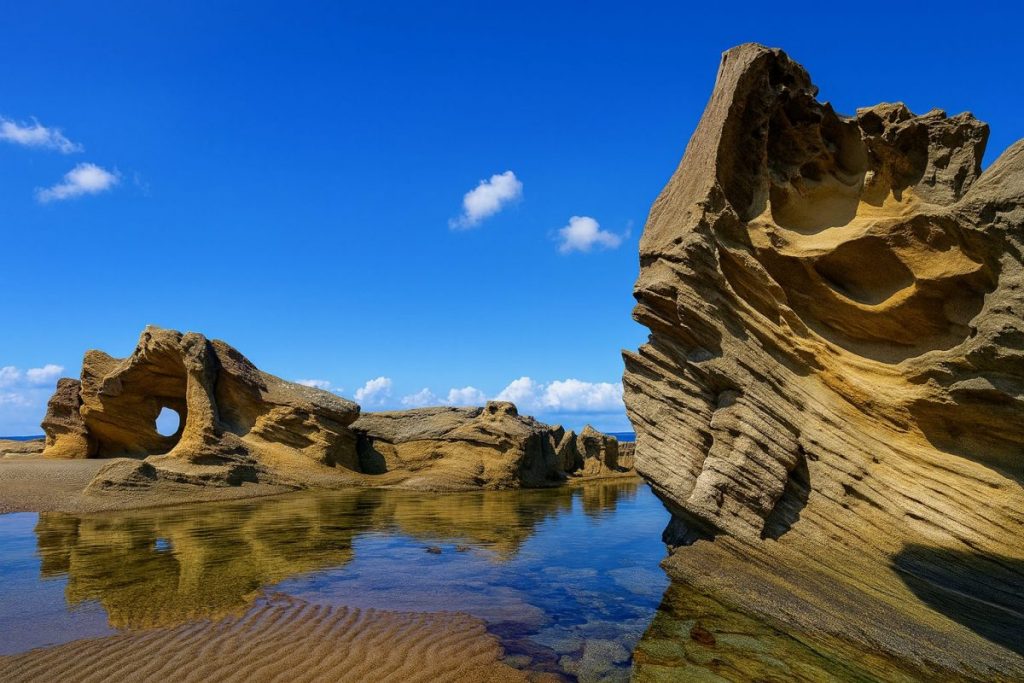
- Tatami Rock – A unique geological formation resembling tatami mats, created by cooled and hardened lava.
- Mamon River Park – A nature park ideal for strolling along the riverside.
- Rokkasho Village Folk Museum – Displays historical materials, cultural artifacts, and horse-breeding history.
Related Links
List of Major Cities in Aomori Prefecture
-

Which Prefecture Is Kuroishi City In? [Answer] Aomori Prefecture | Complete Guide to Kuroishi City (Sightseeing, Culture, Local Products & Access)
-
Which Prefecture Is Aomori City In? [Answer] Aomori Prefecture | Complete Guide to Aomori City (Sightseeing, Culture, Local Products & Access)
-
Which Prefecture Is Hirakawa City In? [Answer] Aomori Prefecture | Complete Guide to Hirakawa City (Sightseeing, Culture, Local Products & Access)
-
Which Prefecture Is Towada City In? [Answer] Aomori Prefecture | Complete Guide to Towada City (Sightseeing, Culture, Local Products & Access)
-
Which Prefecture Is Hachinohe City In? [Answer] Aomori Prefecture | Complete Guide to Hachinohe City (Sightseeing, Culture, Local Products & Access)
-
Which Prefecture Is Mutsu City In? [Answer] Aomori Prefecture | Complete Guide to Mutsu City (Sightseeing, Culture, Local Products & Access)
-
Which Prefecture Is Hirosaki City In? [Answer] Aomori Prefecture | Complete Guide to Hirosaki City (Sightseeing, Culture, Local Products & Access)
-
Which Prefecture Is Goshogawara City In? [Answer] Aomori Prefecture | Complete Guide to Goshogawara City (Sightseeing, Culture, Local Products & Access)
-
Which Prefecture Is Misawa City In? [Answer] Aomori Prefecture | Complete Guide to Misawa City (Sightseeing, Culture, Local Products & Access)
-
Which Prefecture Is Tsugaru City In? [Answer] Aomori Prefecture | Complete Guide to Tsugaru City (Sightseeing, Culture, Local Products & Access)
Kamikita Region List
-
Which Prefecture Is Noheji Town In? [Answer] Aomori Prefecture | Complete Guide to Noheji Town (Sightseeing, Culture, Local Products & Access)
-
Which Prefecture Is Yokohama Town In? [Answer] Aomori Prefecture | Complete Guide to Yokohama Town (Sightseeing, Culture, Local Products & Access)
-
Which Prefecture Is Tohoku Town In? [Answer] Aomori Prefecture | Complete Guide to Tohoku Town (Sightseeing, Culture, Local Products & Access)
-
Which Prefecture Is Towada City In? [Answer] Aomori Prefecture | Complete Guide to Towada City (Sightseeing, Culture, Local Products & Access)
-
Which Prefecture Is Rokunohe Town In? [Answer] Aomori Prefecture | Complete Guide to Rokunohe Town (Sightseeing, Culture, Local Products & Access)
-
Which Prefecture Is Rokkasho Village In? [Answer] Aomori Prefecture | Complete Guide to Rokkasho Village (Sightseeing, Culture, Local Products & Access)
-
Which Prefecture Is Misawa City In? [Answer] Aomori Prefecture | Complete Guide to Misawa City (Sightseeing, Culture, Local Products & Access)
-
Which Prefecture Is Shichinohe Town In? [Answer] Aomori Prefecture | Complete Guide to Shichinohe Town (Sightseeing, Culture, Local Products & Access)
-
Which Prefecture Is Oirase Town In? [Answer] Aomori Prefecture | Complete Guide to Oirase Town (Sightseeing, Culture, Local Products & Access)