| population | 1,430 peoples |
|---|---|
| area | 135.05 km² |
| population density | 10.6 peoples/km² |
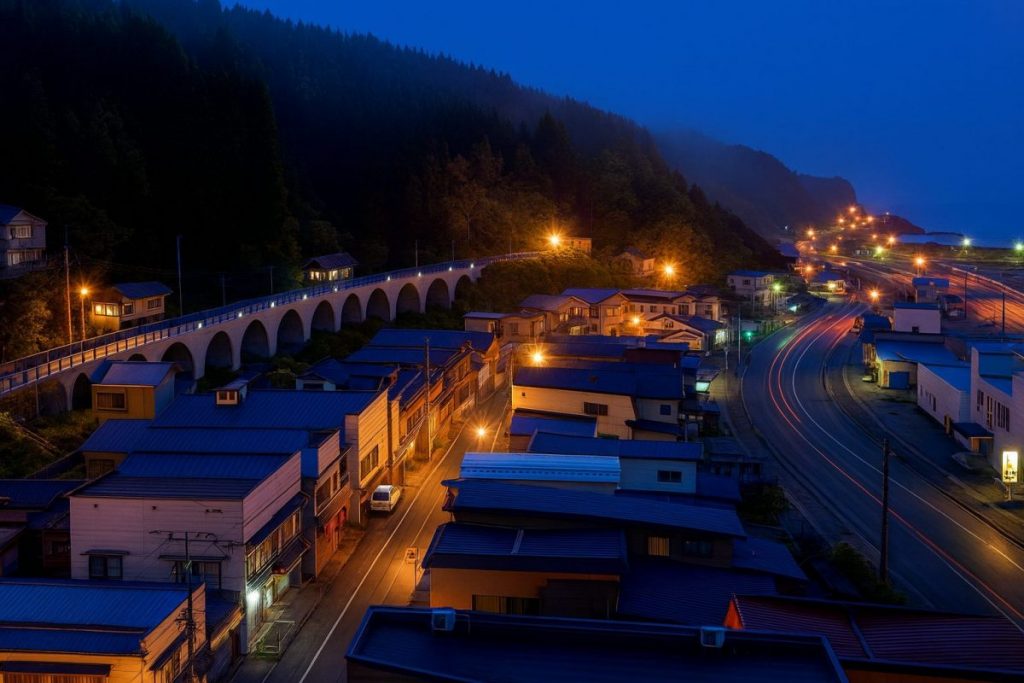
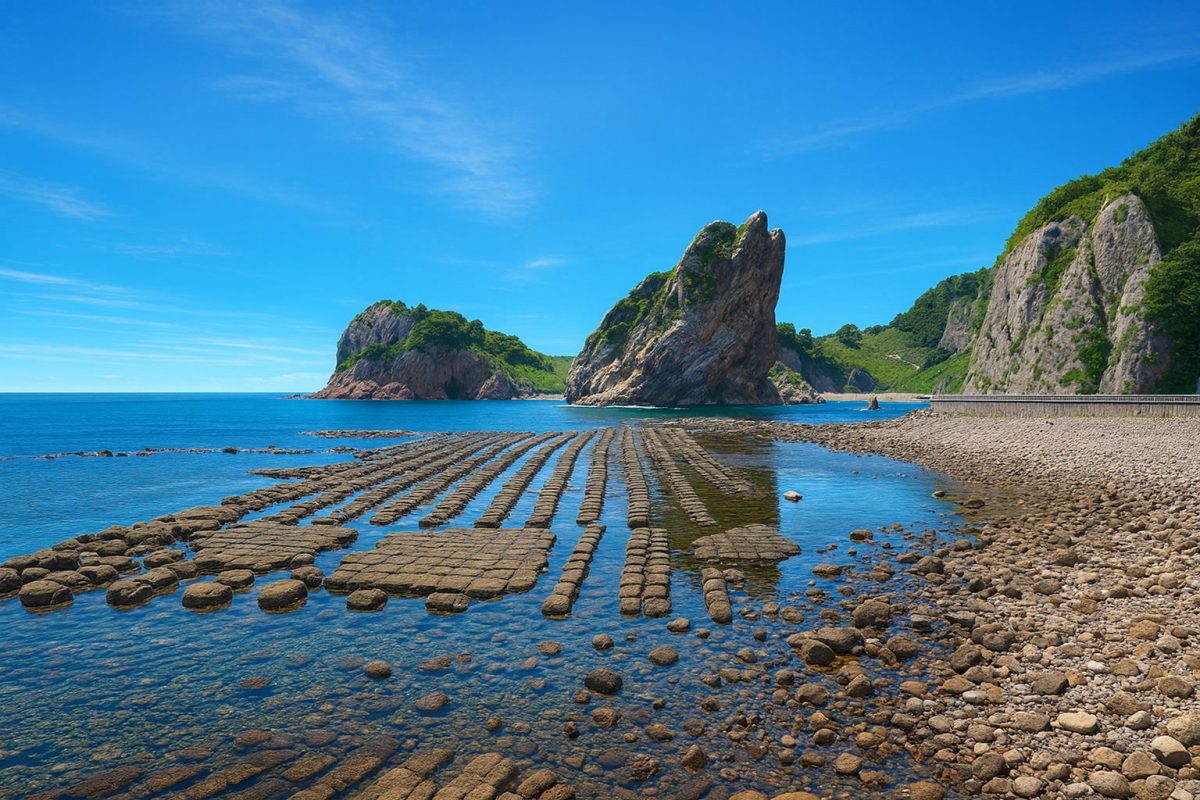
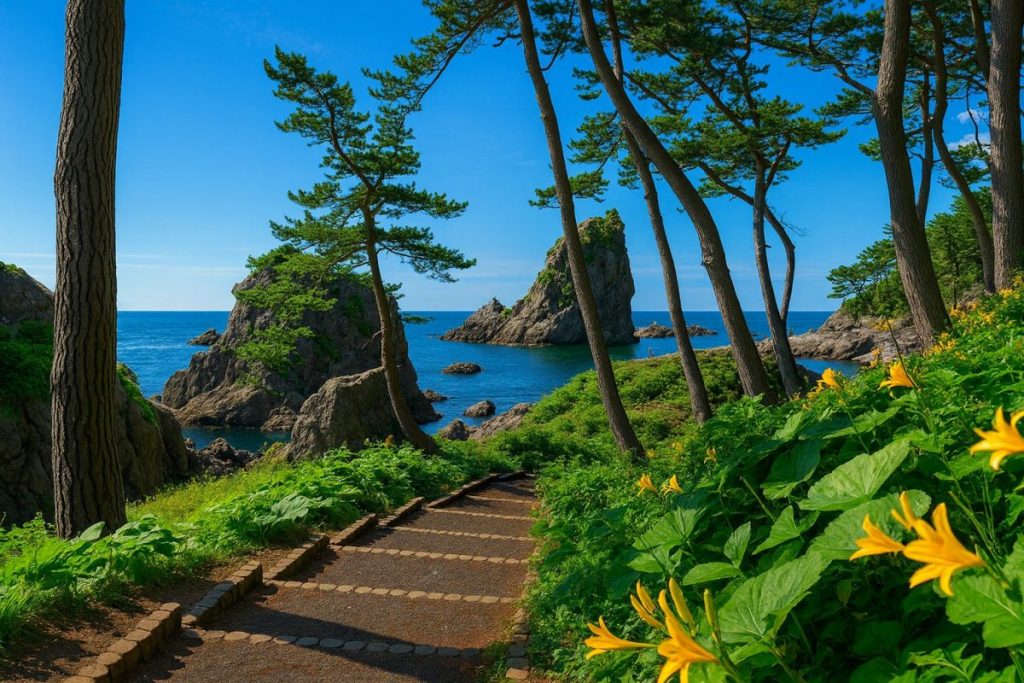
Sai Village, located on the western side of the Shimokita Peninsula in Aomori Prefecture, is a community surrounded by rugged coastal cliffs and deep mountainous terrain. During the medieval era, the region was governed by the Nanbu clan and later developed as an important fishing hub thanks to its rich marine resources from the Tsugaru Strait. On clear days, the mountains of Hokkaido can be seen across the sea. The main industry is fisheries, with long-standing traditions of harvesting kombu, octopus, and ikanago, along with well-developed processing techniques. The central settlement is the Sai district, while nearby communities such as Furusai, Osai, Harada, Nagakubo, Fukuura, and Ushitaka stretch along the coastline, where the lifestyle remains deeply connected to the sea. Harsh winter winds, dramatic rock formations, and the calm blue sea shape daily life, preserving the nostalgic landscape of Japan’s fishing villages. Sai Village is also a member of the “Most Beautiful Villages in Japan” association, recognized for its scenic beauty and long-standing fishing culture, including the iconic coastline of Hotokegaura.
Culture and Traditions
Sai Village has nurtured a culture deeply rooted in its natural environment and maritime livelihood. Each settlement maintains its own traditional events, with one of the most notable being the historic “Fukuura Kabuki,” passed down for more than a century since the Meiji period. Performances—often held at the Tsugaru Strait Cultural Hall Arsas or in the Fukuura area—are an important piece of local identity and are designated as an intangible folk cultural property of Aomori Prefecture. Another major event is the annual festival of Yaganemori Hachiman Shrine, said to be influenced by Kyoto’s Gion Festival traditions, where beautifully decorated floats parade through the village. Many events are tied to the sea, reflecting prayers for maritime safety and abundant catches. The local dialect is a Shimokita variant of the Tsugaru dialect, known for its unique vocabulary and distinctive intonation. Sai’s culture—shaped by the sea, mountains, fishing traditions, and local beliefs—remains an authentic reflection of northern Japanese life.
Specialty Products
- Kombu (True Kelp): Harvested from the nutrient-rich waters of the Tsugaru Strait, Sai’s kombu is prized for its strong umami and is traditionally sun-dried along the coast.
- Octopus: Raised in rough currents, Sai’s octopus has a firm texture and rich flavor. It is enjoyed as sashimi, fried dishes, and in local processed foods.
- Ikanago (Sand Lance): A spring delicacy, freshly caught ikanago is commonly prepared as boiled whitebait or simmered in soy-based sauces.
- Seaweed (Wakame, Funori, etc.): Seaweed harvested in Sai is rich in minerals and used in soups, salads, and various seafood dishes.
- Carrots and Local Vegetables: Crops grown in the cool mountain environment have natural sweetness and are popular in local markets.
Annual Events
- Yaganemori Hachiman Shrine Annual Festival (September): A major cultural event featuring traditional floats, ceremonial music, and lively community participation.
- Fukuura Kabuki Performances (Autumn, irregular schedule): A preserved local performing art with over 100 years of history, performed by residents of the Fukuura community.
- Gankake Park Summer Activities: Seasonal outdoor events held at a scenic coastal campsite overlooking the Tsugaru Strait.
- Hotokegaura Sightseeing Boat Season (Late April–October): Boats depart from Sai Port and offer close-up views of Hotokegaura’s dramatic rock formations.
- Special Exhibitions at Tsugaru Strait Cultural Hall Arsas (Year-round): Featuring cultural, historical, and maritime-focused displays.
Access
- By Air: The nearest airport is Aomori Airport. From there, travel to Aomori Station and connect via bus or car toward the Shimokita Peninsula and Sai Village.
- By Shinkansen: The Hokkaido/Tohoku Shinkansen stops at Shin-Aomori Station. From there, buses to Mutsu City provide access to the peninsula.
- By Bus: Shimokita Kotsu buses run between Mutsu City, Ōma, and Sai Village, with routes arriving at the village center.
- By Car: National Route 338 runs north–south along the coast. Travel time is approximately one hour from Mutsu City or 20–30 minutes from Ōma.
- By Bicycle: A scenic route for experienced cyclists; coastal winds can be strong, but views of the Tsugaru Strait are exceptional.
Tourist Attractions
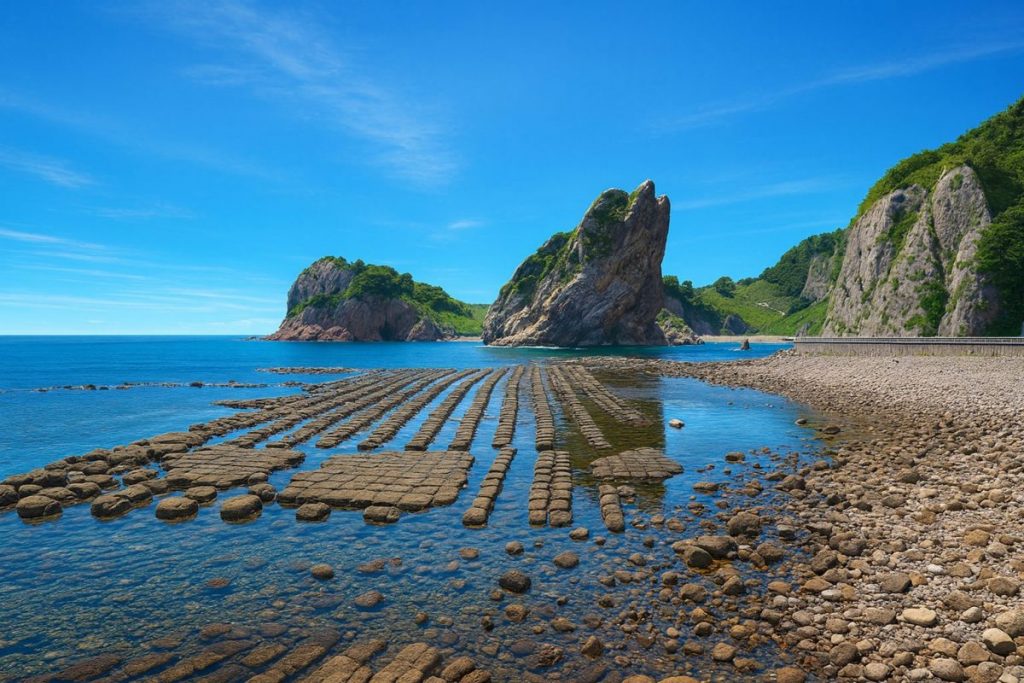
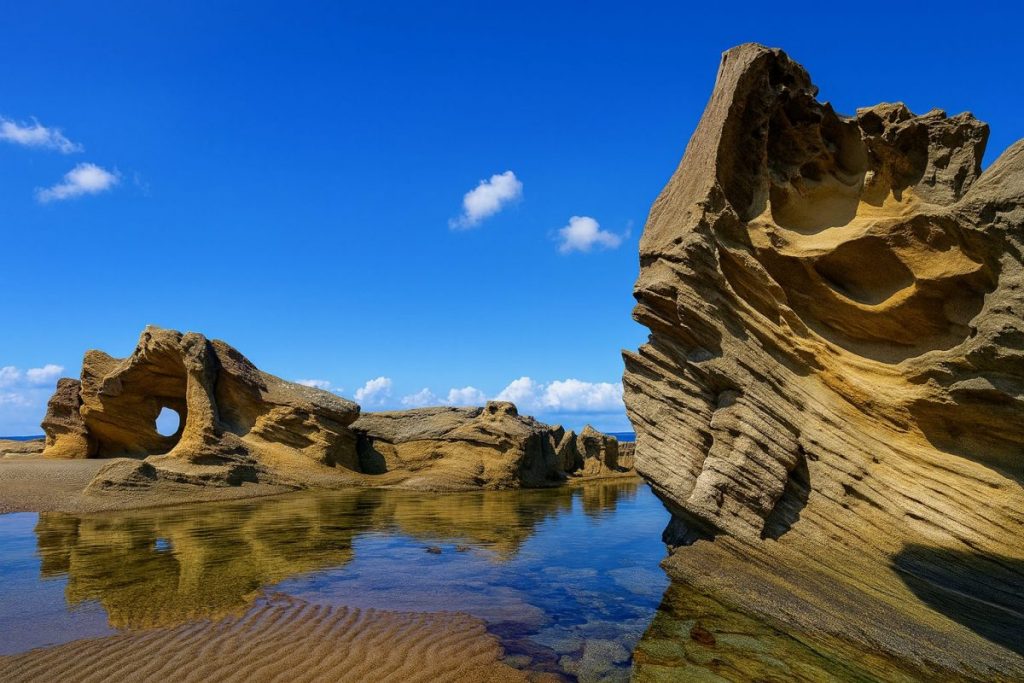
- Hotokegaura – A national scenic site featuring stunning pale-green rock formations stretching for about 2 km along the coast.
- Yaganemori Hachiman Shrine – A historic shrine with a vibrant annual festival.
- Tsugaru Strait Cultural Hall Arsas – A cultural center offering exhibitions related to the region’s history and maritime life.
- Sai Port – The departure point for Hotokegaura sightseeing boats and a gateway to local seafood culture.
- Gankake Park – A scenic viewpoint and campsite overlooking the Tsugaru Strait.
Related Links
List of Major Cities in Aomori Prefecture
-

Which Prefecture Is Kuroishi City In? [Answer] Aomori Prefecture | Complete Guide to Kuroishi City (Sightseeing, Culture, Local Products & Access)
-
Which Prefecture Is Aomori City In? [Answer] Aomori Prefecture | Complete Guide to Aomori City (Sightseeing, Culture, Local Products & Access)
-
Which Prefecture Is Hirakawa City In? [Answer] Aomori Prefecture | Complete Guide to Hirakawa City (Sightseeing, Culture, Local Products & Access)
-
Which Prefecture Is Towada City In? [Answer] Aomori Prefecture | Complete Guide to Towada City (Sightseeing, Culture, Local Products & Access)
-
Which Prefecture Is Hachinohe City In? [Answer] Aomori Prefecture | Complete Guide to Hachinohe City (Sightseeing, Culture, Local Products & Access)
-
Which Prefecture Is Mutsu City In? [Answer] Aomori Prefecture | Complete Guide to Mutsu City (Sightseeing, Culture, Local Products & Access)
-
Which Prefecture Is Hirosaki City In? [Answer] Aomori Prefecture | Complete Guide to Hirosaki City (Sightseeing, Culture, Local Products & Access)
-
Which Prefecture Is Goshogawara City In? [Answer] Aomori Prefecture | Complete Guide to Goshogawara City (Sightseeing, Culture, Local Products & Access)
-
Which Prefecture Is Misawa City In? [Answer] Aomori Prefecture | Complete Guide to Misawa City (Sightseeing, Culture, Local Products & Access)
-
Which Prefecture Is Tsugaru City In? [Answer] Aomori Prefecture | Complete Guide to Tsugaru City (Sightseeing, Culture, Local Products & Access)
Shimokita Region List
-
Which Prefecture Is Kazamaura Village In? [Answer] Aomori Prefecture | Complete Guide to Kazamaura Village (Sightseeing, Culture, Local Products & Access)
-
Which Prefecture Is Higashidori Village In? [Answer] Aomori Prefecture | Complete Guide to Higashidori Village (Sightseeing, Culture, Local Products & Access)
-
Which Prefecture Is Oma Town In? [Answer] Aomori Prefecture | Complete Guide to Oma Town (Sightseeing, Culture, Local Products & Access)
-
Which Prefecture Is Mutsu City In? [Answer] Aomori Prefecture | Complete Guide to Mutsu City (Sightseeing, Culture, Local Products & Access)
-
Which Prefecture Is Sai Village In? [Answer] Aomori Prefecture | Complete Guide to Sai Village (Sightseeing, Culture, Local Products & Access)