| population | 7,929 peoples |
|---|---|
| area | 151.79 km² |
| population density | 52.2 peoples/km² |
Located in the southern part of Sannohe District in Aomori Prefecture, the town of Sannohe is a historically rich region where human settlements date back to the Jōmon period. During the Nara period, organized communities were formed, and from the Kamakura period onward the area developed as an important base of the powerful Nanbu clan. In the Sengoku era, Sannohe Castle served as the main stronghold of the clan, forming a flourishing castle town. Even into the Edo period, the town functioned as a key administrative and economic center with a magistrate’s office. Agriculture is the primary industry, with apples, garlic, radish, cherries, and leaf tobacco being especially well-known. The region’s significant temperature differences contribute greatly to the high quality of its agricultural products. Strong community ties and a lifestyle harmonized with nature shape the character of local life. The Sannohe dialect, with its distinctive intonation, is an important cultural element, while traditional events throughout the year—including the Sannohe Summer Festival, the Sannohe Autumn Festival, the historic “Makeru Market,” and the winter “Enburi” performance—showcase the depth of the town’s cultural heritage. Blending history, nature, and warm local hospitality, Sannohe offers visitors an authentic and inviting rural experience.
Culture & Traditions
Sannohe Town has a long history stretching back to the Nara period, and its role as the main castle town of the Nanbu clan during the Sengoku era has left many cultural traces. Throughout the town, historical buildings, cultural properties, and remnants of Edo-period landscapes can still be seen. Rooted in agricultural life and surrounded by nature, the residents have fostered strong community bonds and preserved traditional seasonal customs. The local dialect, known as “Sannohe-ben,” is distinct and reflects the cultural identity of the town. Seasonal festivities play a central role in community life. The Sannohe Summer Festival and the Sannohe Autumn Festival are major events that bring the town together with lively parades, performances, and local cuisine. The “Makeru Market,” a traditional event with more than 300 years of history, is held during the winter and features specialty goods sold at festival prices. Another highlight is “Enburi,” a traditional folk performance from the Nanbu region that prays for a bountiful harvest. These events, together with the area’s heritage sites such as the ruins of Sannohe Castle and former samurai residences, allow visitors to experience the depth of Sannohe’s cultural traditions. Local dishes made with fresh produce—especially apples and radishes—reflect the blessings of the land and the town’s agricultural heritage.
Local Specialties
- Sannohe Nameko Mushrooms: Grown in the region’s cool, humid climate, these mushrooms are valued for their rich aroma, smooth texture, and natural umami. They are widely used in soups and hot pots.
- Sannohe Beef: Known for its fine texture and flavorful marbling, Sannohe beef is highly regarded and served at local restaurants as a premium specialty.
- Sannohe Radishes: Juicy and crisp, these radishes are ideal for simmered dishes and pickles. They are a popular item at local farmers’ markets.
- Sannohe Cherries: Brightly colored and well-balanced in sweetness and acidity, the cherries of Sannohe attract visitors during harvest season.
- Sannohe Honey: Produced in the natural forests surrounding the town, this honey is prized for its rich aroma and deep, natural sweetness.
Annual Events
- Sannohe Summer Festival: Featuring taiko drumming, parades, and lively performances, this is one of the town’s most important annual celebrations.
- Sannohe Autumn Festival: A harvest-themed festival with traditional performances, exhibitions, and local food stalls.
- Makeru Market: A winter event with more than 300 years of history, offering seasonal goods and produce at special festival prices.
- Enburi: A traditional winter folk performance unique to the Nanbu region, held to pray for a prosperous harvest.
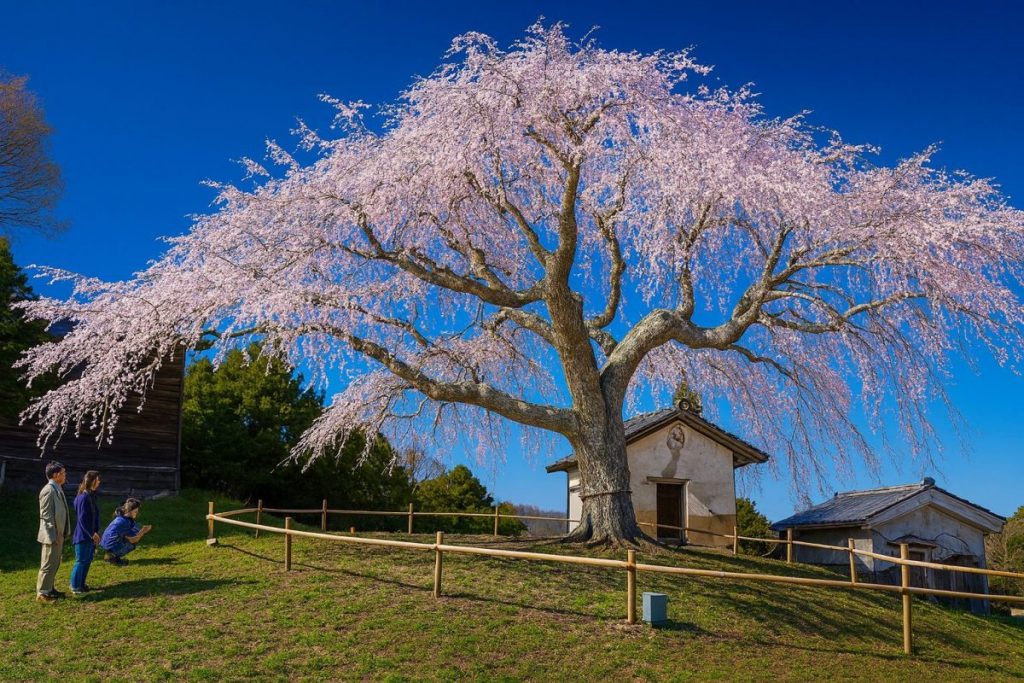
- Sannohe Cherry Blossom Festival: Held in spring at Tateno Park, the event features beautiful cherry blossoms, stage performances, and local cuisine.
Access
- Shinkansen: From Tokyo, take the Tohoku Shinkansen to Hachinohe Station (approx. 2 hr 45 min). From there, buses or cars reach Sannohe in about 35 minutes.
- Airplane: Haneda Airport → Misawa Airport (approx. 1 hr 20 min). From the airport, Sannohe is about 50 minutes by bus or car.
- Highway Bus: Long-distance buses run from Tokyo to Hachinohe (approx. 9 hours). Transfer to local transport for Sannohe.
- Car: Access via the Tohoku Expressway and Hachinohe Expressway. Approx. 7 hours from Tokyo.
- Rail (nearest station): Sannohe Station (located in the neighboring town of Nanbu). Connected to Hachinohe via the Aoimori Railway Line.
Tourist Attractions
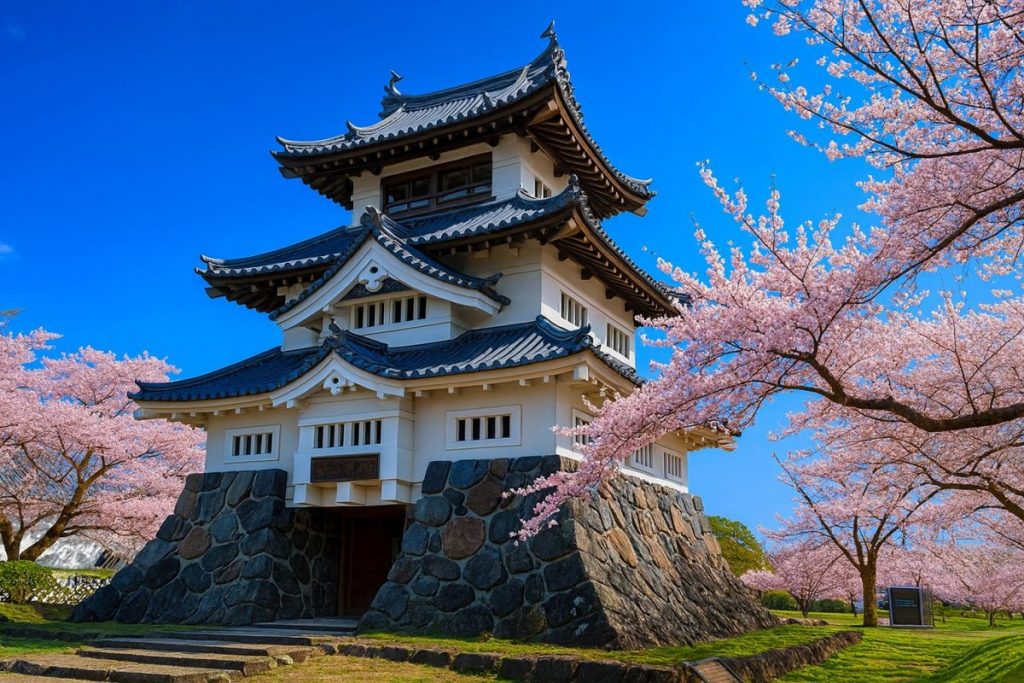
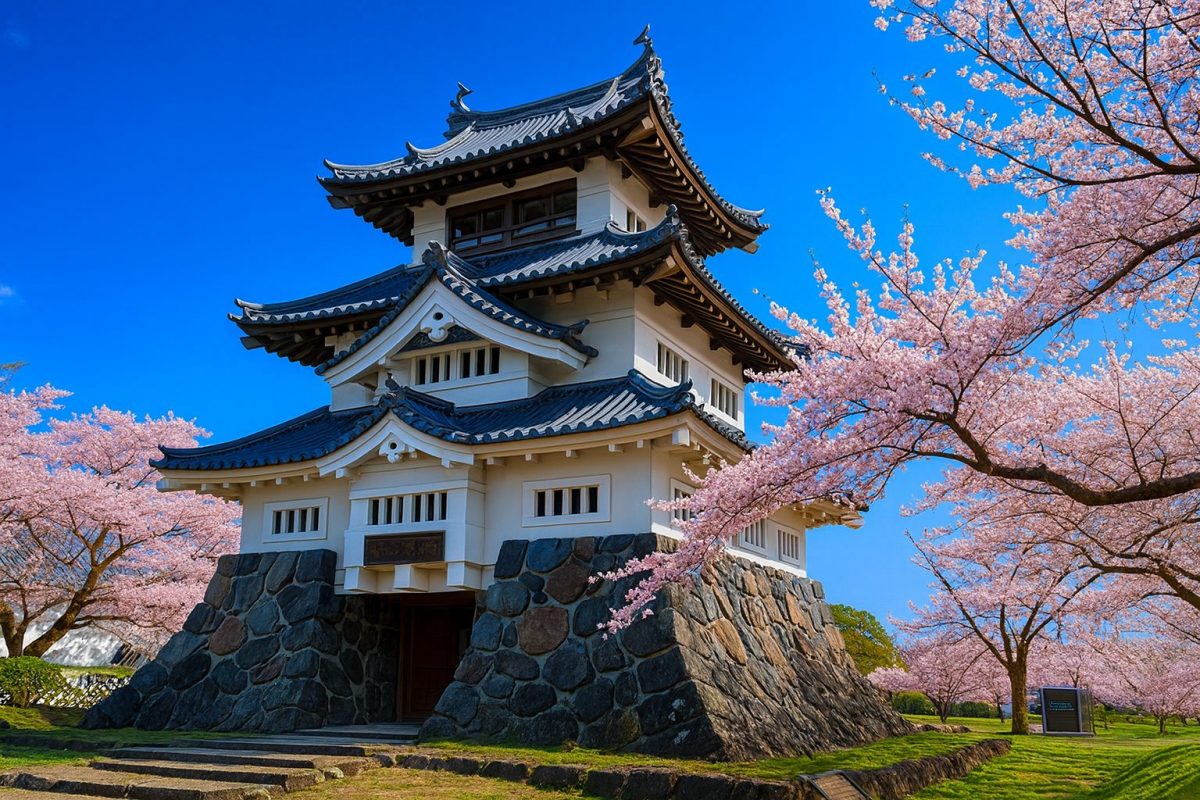
- Sannohe Castle Ruins (Shiroyama Park) – The historic site of the Nanbu clan’s main castle, offering scenic views and walking trails.
- Michi-no-Eki Sannohe – A roadside station featuring local produce, specialty goods, and regional cuisine.
- History and Folklore Museum – Exhibits on the history of the Nanbu clan and Sannohe’s cultural heritage.
- Sannohe Boukyou Bridge – A scenic viewpoint overlooking the Mabuchi River and surrounding landscape.
- Inari Shrine (Tonai) – A historic shrine designated as a prefectural cultural asset.
Related Links
List of Major Cities in Aomori Prefecture
-

Which Prefecture Is Kuroishi City In? [Answer] Aomori Prefecture | Complete Guide to Kuroishi City (Sightseeing, Culture, Local Products & Access)
-
Which Prefecture Is Aomori City In? [Answer] Aomori Prefecture | Complete Guide to Aomori City (Sightseeing, Culture, Local Products & Access)
-
Which Prefecture Is Hirakawa City In? [Answer] Aomori Prefecture | Complete Guide to Hirakawa City (Sightseeing, Culture, Local Products & Access)
-
Which Prefecture Is Towada City In? [Answer] Aomori Prefecture | Complete Guide to Towada City (Sightseeing, Culture, Local Products & Access)
-
Which Prefecture Is Hachinohe City In? [Answer] Aomori Prefecture | Complete Guide to Hachinohe City (Sightseeing, Culture, Local Products & Access)
-
Which Prefecture Is Mutsu City In? [Answer] Aomori Prefecture | Complete Guide to Mutsu City (Sightseeing, Culture, Local Products & Access)
-
Which Prefecture Is Hirosaki City In? [Answer] Aomori Prefecture | Complete Guide to Hirosaki City (Sightseeing, Culture, Local Products & Access)
-
Which Prefecture Is Goshogawara City In? [Answer] Aomori Prefecture | Complete Guide to Goshogawara City (Sightseeing, Culture, Local Products & Access)
-
Which Prefecture Is Misawa City In? [Answer] Aomori Prefecture | Complete Guide to Misawa City (Sightseeing, Culture, Local Products & Access)
-
Which Prefecture Is Tsugaru City In? [Answer] Aomori Prefecture | Complete Guide to Tsugaru City (Sightseeing, Culture, Local Products & Access)
Nambu Region List
-
Which Prefecture Is Hashikami Town In? [Answer] Aomori Prefecture | Complete Guide to Hashikami Town (Sightseeing, Culture, Local Products & Access)
-
Which Prefecture Is Takko Town In? [Answer] Aomori Prefecture | Complete Guide to Takko Town (Sightseeing, Culture, Local Products & Access)
-
Which Prefecture Is Nanbu Town In? [Answer] Aomori Prefecture | Complete Guide to Nanbu Town (Sightseeing, Culture, Local Products & Access)
-
Which Prefecture Is Hachinohe City In? [Answer] Aomori Prefecture | Complete Guide to Hachinohe City (Sightseeing, Culture, Local Products & Access)
-
Which Prefecture Is Shingo Village In? [Answer] Aomori Prefecture | Complete Guide to Shingo Village (Sightseeing, Culture, Local Products & Access)
-
Which Prefecture Is Gonohe Town In? [Answer] Aomori Prefecture | Complete Guide to Gonohe Town (Sightseeing, Culture, Local Products & Access)
-
Which Prefecture Is Sannohe Town In? [Answer] Aomori Prefecture | Complete Guide to Sannohe Town (Sightseeing, Culture, Local Products & Access)