| population | 1,823 peoples |
|---|---|
| area | 150.77 km² |
| population density | 12.1 peoples/km² |
Shingō Village, located in the southeastern part of Aomori Prefecture, is a quiet mountain community shaped by centuries of history and rich natural surroundings. The village traces its origins back to land development during the Nara period, and later served as an important horse-breeding area under the Nanbu clan. Surrounded by the majestic outer rim of Lake Towada—including Mount Herai (Ōkomagatake and Mitsudake)—Shingō is characterized by deep forests, pristine water sources, and an agricultural landscape shaped by the cool northern climate. Dairy farming and agriculture are the village’s main industries, with high-quality Chinese yams, garlic, and dairy products forming the basis of local production. Community ties are strong, and the warm, cooperative spirit of residents is reflected in daily life. The local dialect belongs to the Nanbu linguistic area, and many traditional customs continue to be preserved. One of the most distinctive cultural elements is the “Tomb of Christ” legend, which originated in 1935 and has since become a unique tourism resource. Blending nature, history, and folklore, Shingō Village offers visitors an atmosphere that is both peaceful and mysterious.
Cultural Traditions
Shingō Village’s culture is deeply connected to its mountains, forests, and long history. During the medieval period, the region was under the rule of the Nanbu clan, with the Herai and Nishikoshi districts each governed by local lineages. The daily language is the Nanbu dialect, and the rural lifestyle of the area has fostered a sense of resilience and cooperation among residents. Dairy farming is central to the village economy, and Maginotaira Green Park—home to the well-known “Shingō Yogurt”—serves as a symbol of local production. One of Shingō’s most unique cultural features is the “Tomb of Christ” legend. Proposed in 1935 by Takenouchi Kiyomaro and others, the story claims that Jesus escaped crucifixion and lived out his life in Shingō. Today, the legend survives as local folklore and a tourism attraction. Each year on the first Sunday of June, the Shingō Christ Festival is held as a Shinto-style memorial service. Traditional performing arts are also preserved, including the Kanegasawa Torimai dance, designated as an intangible folk cultural property of Aomori Prefecture. Winters are long and snowy, and the harsh natural conditions have influenced the village’s culture, building strong community bonds and shaping the rhythm of seasonal life.
Local Specialties
- Shingō Yogurt: The village’s signature product. Known for its rich flavor and natural acidity, it is produced at Maginotaira Green Park and enjoys a strong reputation throughout the region.
- Chinese Yams: Shingō produces high-quality yams with exceptional stickiness and flavor. The cool climate and rich soil contribute to their outstanding quality.
- Garlic: Aomori Prefecture is Japan’s top garlic producer, and Shingō contributes with its aromatic and flavorful garlic grown under careful cultivation.
- Shingō Black Candy & Pickled Vegetables: Traditional black sugar candy and mountain-vegetable pickles reflect the village’s simple, rustic food culture.
- Nanyadoyara Wine: A local wine named after the village’s traditional chant “Nanyadoyara,” popular as a souvenir for visitors.
Annual Events
- Christ Festival (First Sunday of June): A Shinto-style memorial ceremony held at the “Tomb of Christ.” Participants face toward Jerusalem for a symbolic toast at the end.
- Herai Mitake Shrine Grand Festival (August 19): Features the Kanegasawa Torimai dance, designated as a prefectural intangible folk cultural property.
- Nishikoshi Mitake Shrine Festival (August 16): A long-standing summer festival of the Nishikoshi district.
- Shingō Furusato Festival (Second Sunday of October): Local products, performances, and food stalls attract visitors from the surrounding area.
- Christmas Carnival (Mid-December): Reflecting the village’s unique folklore, this winter event features festive activities for residents and visitors.
Access
- Shinkansen: The nearest station is Hachinohe Station on the Tōhoku Shinkansen. From Hachinohe, take a bus to Gonohe, then transfer to a local bus for Shingō.
- Railway: The nearest local station is Sannohe Station on the Aoimori Railway Line. Travelers typically transfer at Gonohe to reach the village.
- Air: From Aomori Airport, rental cars or private vehicles are most convenient. Travel time via Towada City is approximately 1 hour and 20 minutes.
- Car: Accessible from the Hachinohe Expressway via the Nangō Interchange. Route 454 runs through the center of the village.
- Bus: Nanbu Bus operates routes connecting Gonohe with Shingō’s central and Nishikoshi districts. The village also runs the “Mizubashō-go” community bus.
Attractions
- Tomb of Christ – A unique cultural site linked to the 1935 legend. The nearby “Shingō Christ Heritage Museum” displays related historical materials.
- Mitake Shrine – A historic shrine central to local festivals and traditions.
- Maginotaira Green Park – A recreational park with campgrounds, livestock, and a specialty-product workshop. Ideal for families.
- Shingō Onsen – A quiet hot-spring facility surrounded by nature, offering a relaxing atmosphere.
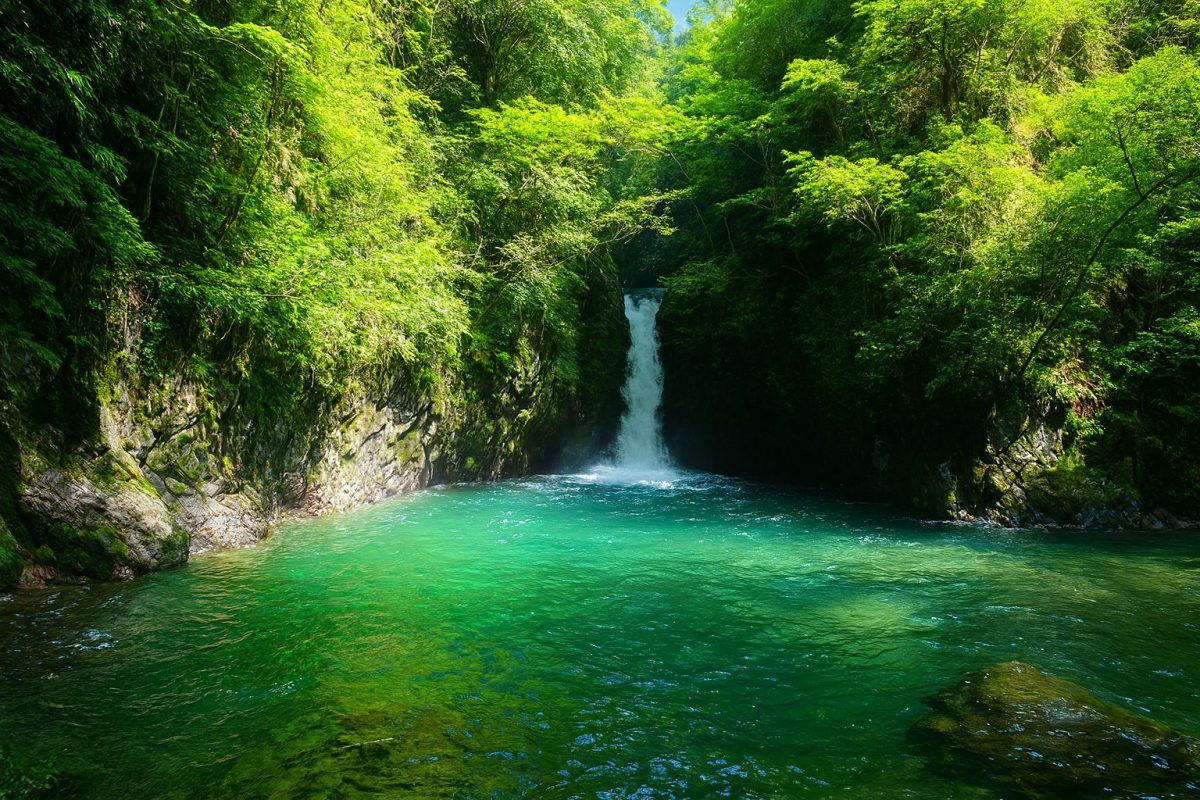
- Mayogataki Nature Recreation Forest – A forested area on the outer rim of Lake Towada, perfect for hiking and nature study.
Related Links
List of Major Cities in Aomori Prefecture
-

Which Prefecture Is Kuroishi City In? [Answer] Aomori Prefecture | Complete Guide to Kuroishi City (Sightseeing, Culture, Local Products & Access)
-
Which Prefecture Is Aomori City In? [Answer] Aomori Prefecture | Complete Guide to Aomori City (Sightseeing, Culture, Local Products & Access)
-
Which Prefecture Is Hirakawa City In? [Answer] Aomori Prefecture | Complete Guide to Hirakawa City (Sightseeing, Culture, Local Products & Access)
-
Which Prefecture Is Towada City In? [Answer] Aomori Prefecture | Complete Guide to Towada City (Sightseeing, Culture, Local Products & Access)
-
Which Prefecture Is Hachinohe City In? [Answer] Aomori Prefecture | Complete Guide to Hachinohe City (Sightseeing, Culture, Local Products & Access)
-
Which Prefecture Is Mutsu City In? [Answer] Aomori Prefecture | Complete Guide to Mutsu City (Sightseeing, Culture, Local Products & Access)
-
Which Prefecture Is Hirosaki City In? [Answer] Aomori Prefecture | Complete Guide to Hirosaki City (Sightseeing, Culture, Local Products & Access)
-
Which Prefecture Is Goshogawara City In? [Answer] Aomori Prefecture | Complete Guide to Goshogawara City (Sightseeing, Culture, Local Products & Access)
-
Which Prefecture Is Misawa City In? [Answer] Aomori Prefecture | Complete Guide to Misawa City (Sightseeing, Culture, Local Products & Access)
-
Which Prefecture Is Tsugaru City In? [Answer] Aomori Prefecture | Complete Guide to Tsugaru City (Sightseeing, Culture, Local Products & Access)



Nambu Region List
-
Which Prefecture Is Hashikami Town In? [Answer] Aomori Prefecture | Complete Guide to Hashikami Town (Sightseeing, Culture, Local Products & Access)
-
Which Prefecture Is Takko Town In? [Answer] Aomori Prefecture | Complete Guide to Takko Town (Sightseeing, Culture, Local Products & Access)
-
Which Prefecture Is Nanbu Town In? [Answer] Aomori Prefecture | Complete Guide to Nanbu Town (Sightseeing, Culture, Local Products & Access)
-
Which Prefecture Is Hachinohe City In? [Answer] Aomori Prefecture | Complete Guide to Hachinohe City (Sightseeing, Culture, Local Products & Access)
-
Which Prefecture Is Shingo Village In? [Answer] Aomori Prefecture | Complete Guide to Shingo Village (Sightseeing, Culture, Local Products & Access)
-
Which Prefecture Is Gonohe Town In? [Answer] Aomori Prefecture | Complete Guide to Gonohe Town (Sightseeing, Culture, Local Products & Access)
-
Which Prefecture Is Sannohe Town In? [Answer] Aomori Prefecture | Complete Guide to Sannohe Town (Sightseeing, Culture, Local Products & Access)