| population | 56,688 peoples |
|---|---|
| area | 725.65 km² |
| population density | 78.1 peoples/km² |
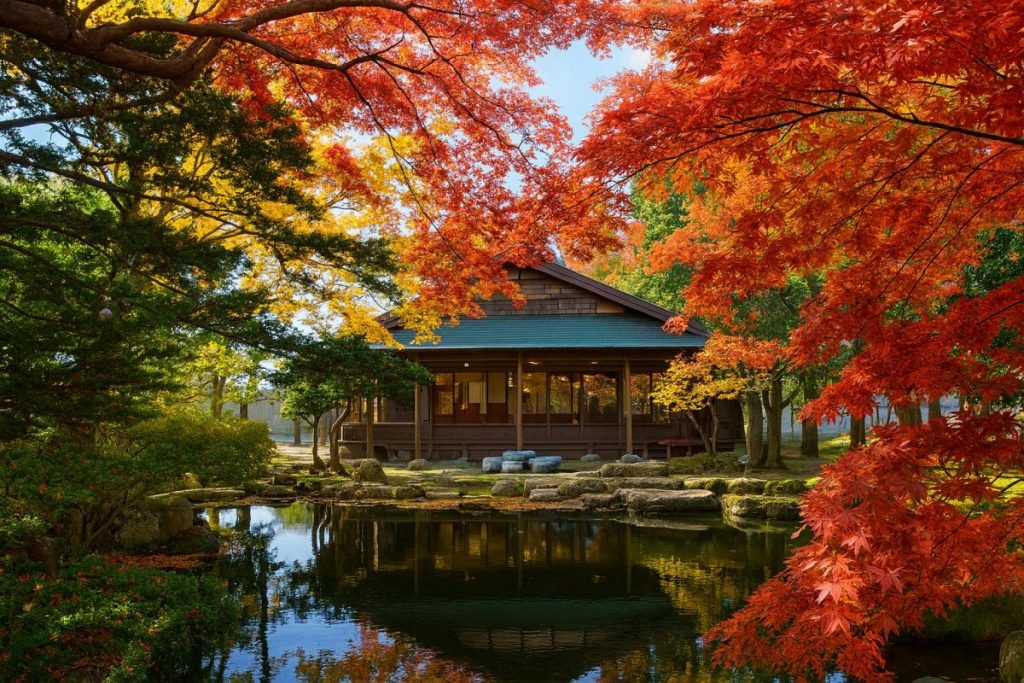
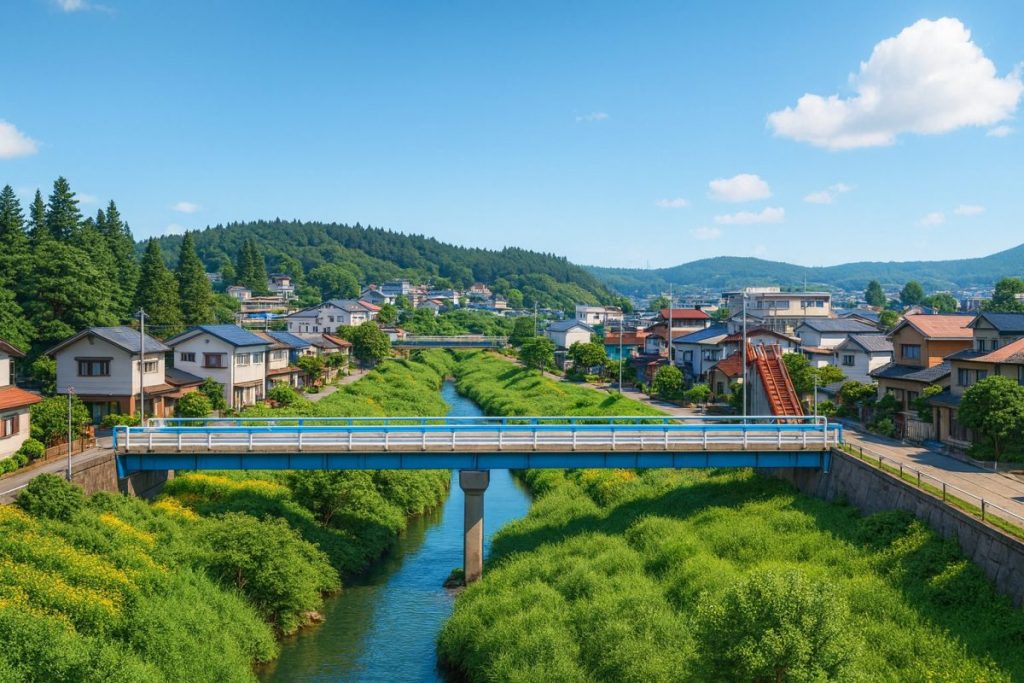
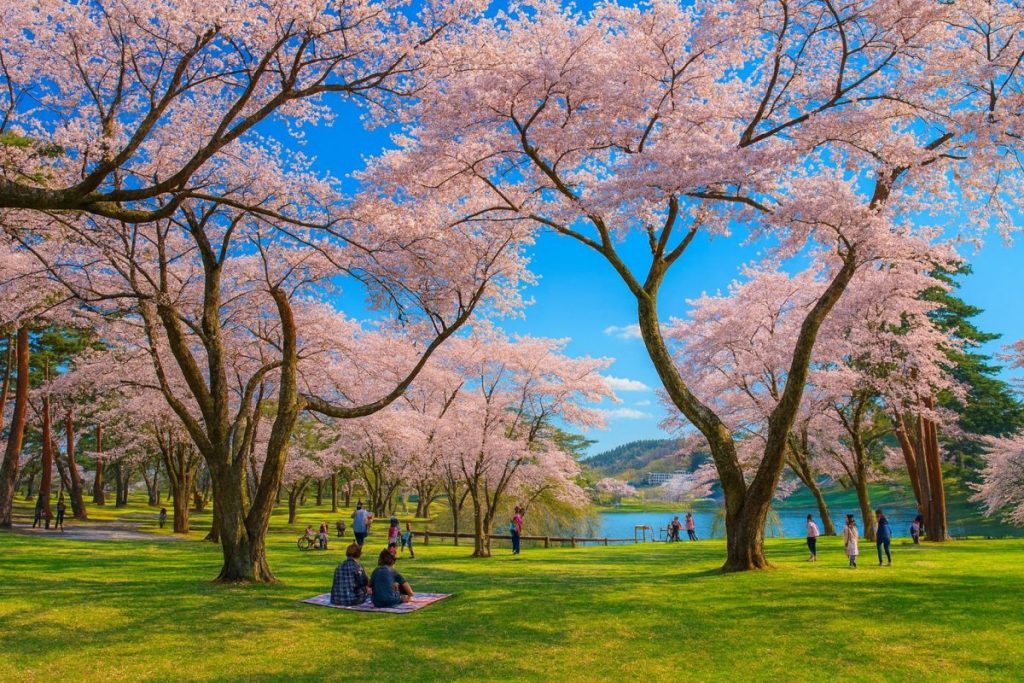
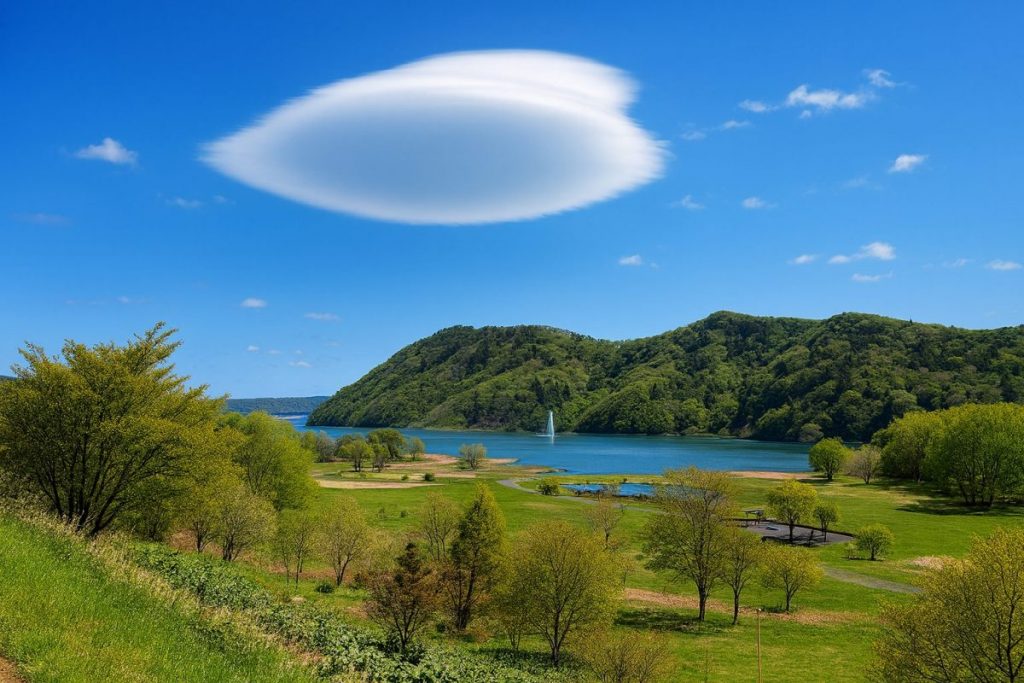
Located in the inland area of Aomori Prefecture, Towada City is a beautiful municipality surrounded by rich natural landscapes such as Lake Towada and the Oirase Gorge. Its history of development dates back to the Nara period, and large-scale land cultivation in the late Edo era—led by Nitobe Tsutō—laid the foundation for today’s prosperous agricultural zone. Agriculture and tourism are the city’s core industries, with garlic production ranking No.1 in Japan. Towada is known for its distinct four seasons: refreshing greenery in summer, breathtaking autumn foliage, and a winter landscape covered in deep snow. As a designated heavy snowfall area, snow management has become a part of daily life, yet the charm of living alongside nature is deeply rooted in its culture. The central district features an orderly grid layout, and the Kanchōgaidōri Avenue, lined with cherry blossoms and red pines, serves as a scenic symbol and a place for citizens to relax. Towada City harmonizes history, culture, and natural beauty, attracting visitors throughout the year.
Culture & Traditions
Towada’s culture is strongly connected to its natural environment and its history of land development. The large-scale cultivation of the Sanbongihara plain, led by Nitobe Tsutō and his son Jūjirō in the late Edo period, is recognized as one of Japan’s “Three Great Pioneer Projects.” Their grid-based urban planning—modeled after Kyoto—remains a key feature of the city center. The northwest part of the city is shaped by the South Hakkōda mountain range, where mountain faith and nature-oriented customs have long existed. The local dialect is a blend of Tsugaru and Nanbu speech, giving the region a unique linguistic identity. Because the city experiences dramatic seasonal changes, daily life is closely tied to nature: cherry blossoms and fresh greenery in spring, cool breezes along the river in summer, stunning red foliage in autumn, and heavy snowfall in winter. Major seasonal events include the Towada Spring Festival, held when cherry blossoms bloom along Kanchōgaidōri Avenue, and the Lake Towada Winter Story, where snow sculptures and illuminations create a magical winter atmosphere. These festivals allow visitors to fully experience the natural beauty and cultural heritage of Towada.
Local Specialties
- Towada Barayaki: A local dish made by stir-frying beef ribs and onions in a sweet-savory sauce. Rich in flavor, yet balanced by the natural sweetness of onions, it is beloved both at home and in restaurants.
- Towada Garlic: Renowned as Japan’s No.1 garlic production area, Towada’s cool climate and temperature variations contribute to its strong aroma, density, and exceptional quality.
- Towada Blueberries: Cultivated mainly around the former Towadako area. The cool climate produces firm berries with a concentrated flavor, and several farms offer seasonal picking experiences.
- Handmade Soba Noodles: Using locally grown buckwheat, Towada’s handmade soba features a fragrant aroma and smooth texture, especially popular in the cold season.
- Lake Towada Smelt (Wakasagi): Fresh smelt caught in Lake Towada is enjoyed as tempura or marinated dishes. Though small, the fish is full of flavor and is a well-loved local specialty.
Annual Events
- Lake Towada Winter Story (late January–February): A major winter festival held on the lakeside featuring large snow sculptures, winter fireworks, and the iconic illumination event “Otome no Akari.” (Real event)
- Towada Spring Festival (late April–early May): Held during the cherry blossom season along Kanchōgaidōri and around the city center. Food stalls, performances, and nighttime light-ups attract many visitors. (Real event)
- Towada Summer Festival (August): A traditional festival with nebuta floats, bon dances, and fireworks. The lively atmosphere draws both residents and tourists. (Real event)
- Towada Arts & Culture Festival (October): A cultural exhibition featuring works by local artists and organizations, covering music, fine arts, calligraphy, photography, and more. (Real event)
- Lake Towada Autumn Leaves Festival (October): A seasonal event at the Lake Towada lakeshore celebrating the region’s remarkable autumn foliage with food stalls and activities. (Real event)
Access
- By Shinkansen: From Tokyo, take the Tohoku Shinkansen “Hayabusa” to Shichinohe-Towada Station (approx. 3 hours). From the station, buses run to Towada City (approx. 40 minutes).
- By Air: From Haneda Airport, fly to Misawa Airport (approx. 1 hour 15 minutes). Towada City is about 40 minutes by car.
- By Bus: Towada Kankō Dentetsu buses operate from Aomori Station, Hachinohe Station, and Misawa Station. Direct buses to Oirase Gorge and Lake Towada are also available.
- By Car: About 30 minutes from Shimoda-Momoishi IC on the Hachinohe Expressway. Note: “Towada IC” on the Tohoku Expressway is in Akita Prefecture (Kazuno City), not Towada.
- By Ferry: Ferry service from Hakodate to Aomori takes approx. 4 hours. Towada City is a 1.5-hour drive from Aomori Port.
Tourist Attractions
- Lake Towada – A mystical caldera lake known for its deep blue water and breathtaking seasonal views.
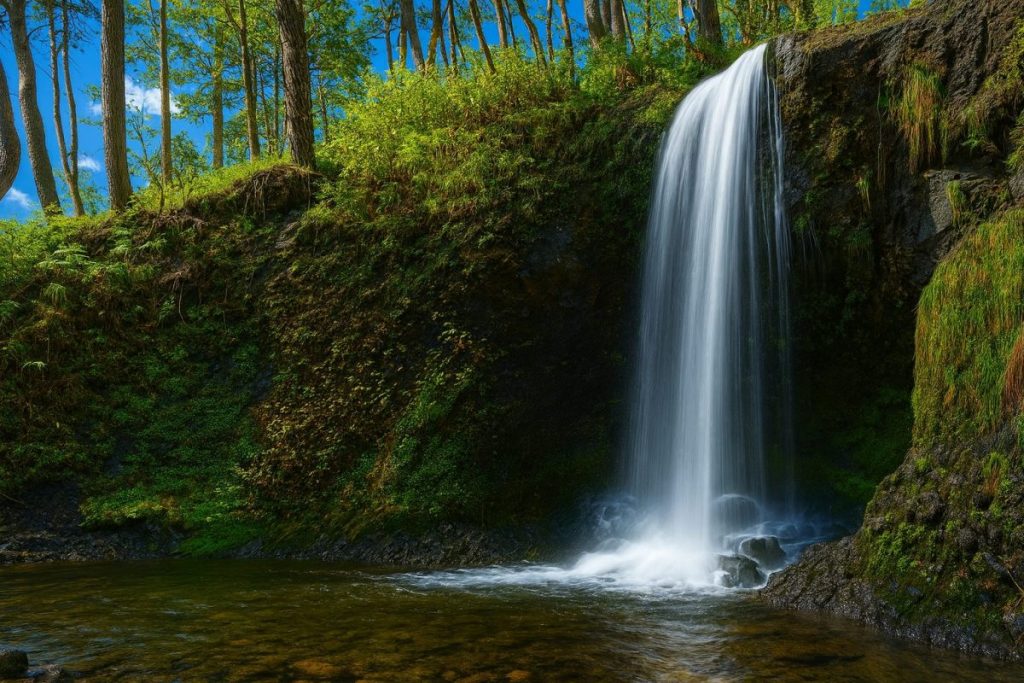
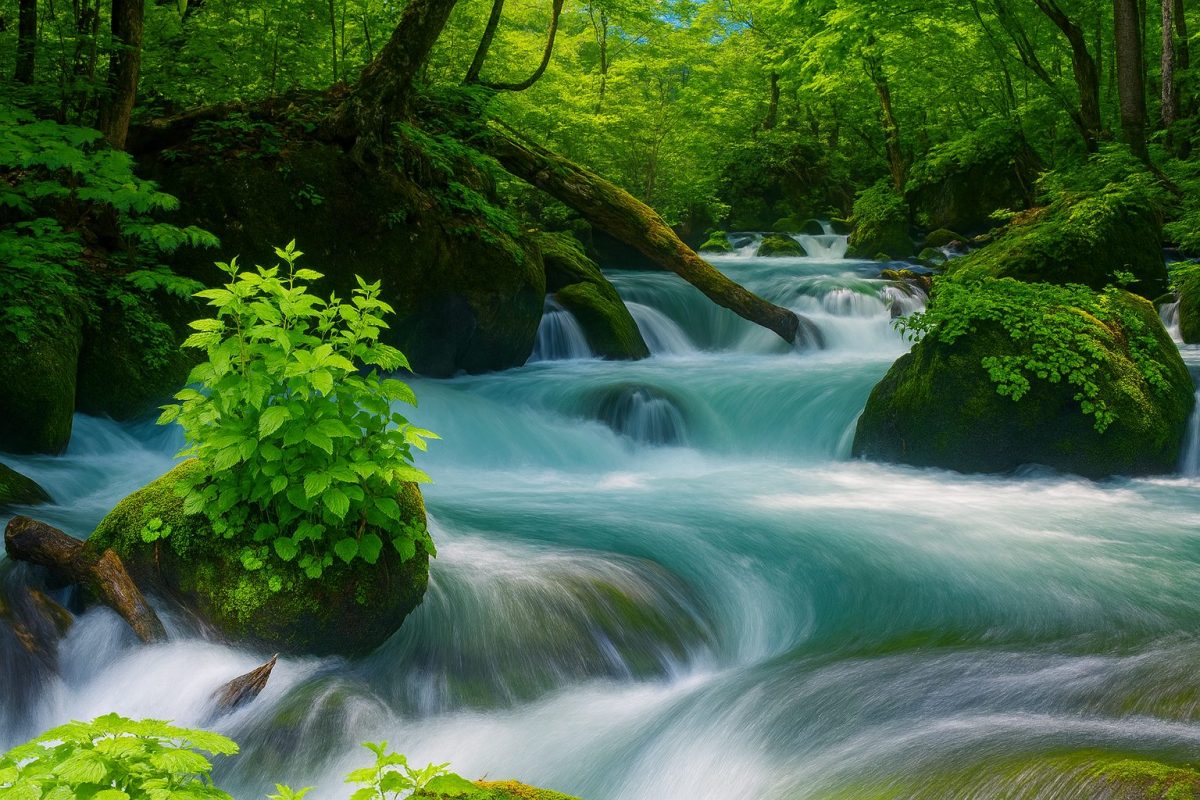
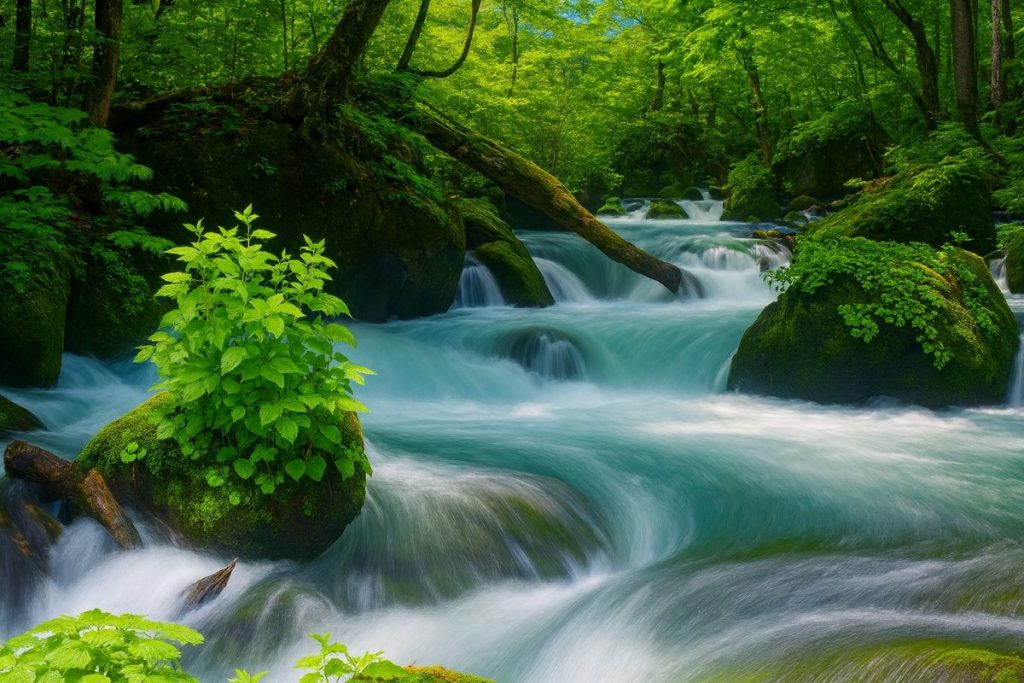
- Oirase Gorge – One of Japan’s most scenic river valleys, featuring waterfalls, clear streams, and lush moss-covered forests.
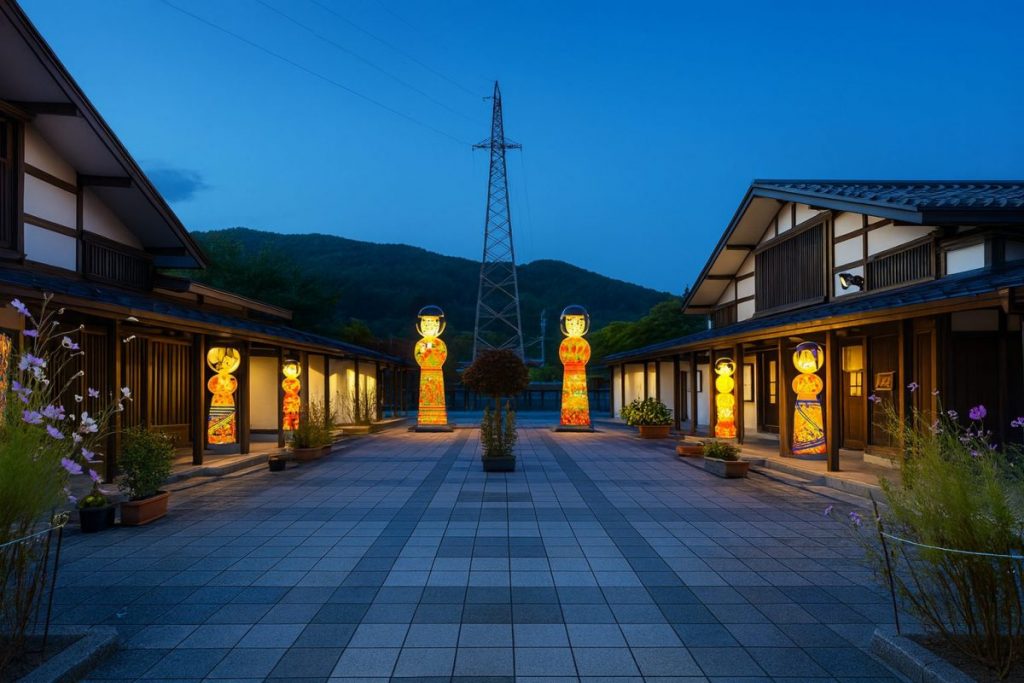
- Towada Art Center – A major contemporary art museum exhibiting works by renowned Japanese and international artists, with public art installations throughout the city.
- Towada Horse Park (Komakkoland) – A large equestrian-themed facility featuring horse riding experiences, open fields, and the cultural museum “Shotokukan.”
- Tsuta Onsen – A historic hot spring inn over 1,000 years old, famous for its “spring-fed” wooden baths where hot water naturally rises through the floor of the tub.
- Nitobe Memorial Museum – A museum dedicated to the history of the Sanbongihara development and the Nitobe family (currently under redevelopment planning).
Related Links
List of Major Cities in Aomori Prefecture
-

Which Prefecture Is Kuroishi City In? [Answer] Aomori Prefecture | Complete Guide to Kuroishi City (Sightseeing, Culture, Local Products & Access)
-
Which Prefecture Is Aomori City In? [Answer] Aomori Prefecture | Complete Guide to Aomori City (Sightseeing, Culture, Local Products & Access)
-
Which Prefecture Is Hirakawa City In? [Answer] Aomori Prefecture | Complete Guide to Hirakawa City (Sightseeing, Culture, Local Products & Access)
-
Which Prefecture Is Towada City In? [Answer] Aomori Prefecture | Complete Guide to Towada City (Sightseeing, Culture, Local Products & Access)
-
Which Prefecture Is Hachinohe City In? [Answer] Aomori Prefecture | Complete Guide to Hachinohe City (Sightseeing, Culture, Local Products & Access)
-
Which Prefecture Is Mutsu City In? [Answer] Aomori Prefecture | Complete Guide to Mutsu City (Sightseeing, Culture, Local Products & Access)
-
Which Prefecture Is Hirosaki City In? [Answer] Aomori Prefecture | Complete Guide to Hirosaki City (Sightseeing, Culture, Local Products & Access)
-
Which Prefecture Is Goshogawara City In? [Answer] Aomori Prefecture | Complete Guide to Goshogawara City (Sightseeing, Culture, Local Products & Access)
-
Which Prefecture Is Misawa City In? [Answer] Aomori Prefecture | Complete Guide to Misawa City (Sightseeing, Culture, Local Products & Access)
-
Which Prefecture Is Tsugaru City In? [Answer] Aomori Prefecture | Complete Guide to Tsugaru City (Sightseeing, Culture, Local Products & Access)
Kamikita Region List
-
Which Prefecture Is Noheji Town In? [Answer] Aomori Prefecture | Complete Guide to Noheji Town (Sightseeing, Culture, Local Products & Access)
-
Which Prefecture Is Yokohama Town In? [Answer] Aomori Prefecture | Complete Guide to Yokohama Town (Sightseeing, Culture, Local Products & Access)
-
Which Prefecture Is Tohoku Town In? [Answer] Aomori Prefecture | Complete Guide to Tohoku Town (Sightseeing, Culture, Local Products & Access)
-
Which Prefecture Is Towada City In? [Answer] Aomori Prefecture | Complete Guide to Towada City (Sightseeing, Culture, Local Products & Access)
-
Which Prefecture Is Rokunohe Town In? [Answer] Aomori Prefecture | Complete Guide to Rokunohe Town (Sightseeing, Culture, Local Products & Access)
-
Which Prefecture Is Rokkasho Village In? [Answer] Aomori Prefecture | Complete Guide to Rokkasho Village (Sightseeing, Culture, Local Products & Access)
-
Which Prefecture Is Misawa City In? [Answer] Aomori Prefecture | Complete Guide to Misawa City (Sightseeing, Culture, Local Products & Access)
-
Which Prefecture Is Shichinohe Town In? [Answer] Aomori Prefecture | Complete Guide to Shichinohe Town (Sightseeing, Culture, Local Products & Access)
-
Which Prefecture Is Oirase Town In? [Answer] Aomori Prefecture | Complete Guide to Oirase Town (Sightseeing, Culture, Local Products & Access)