| population | 27,744 peoples |
|---|---|
| area | 253.55 km² |
| population density | 109 peoples/km² |
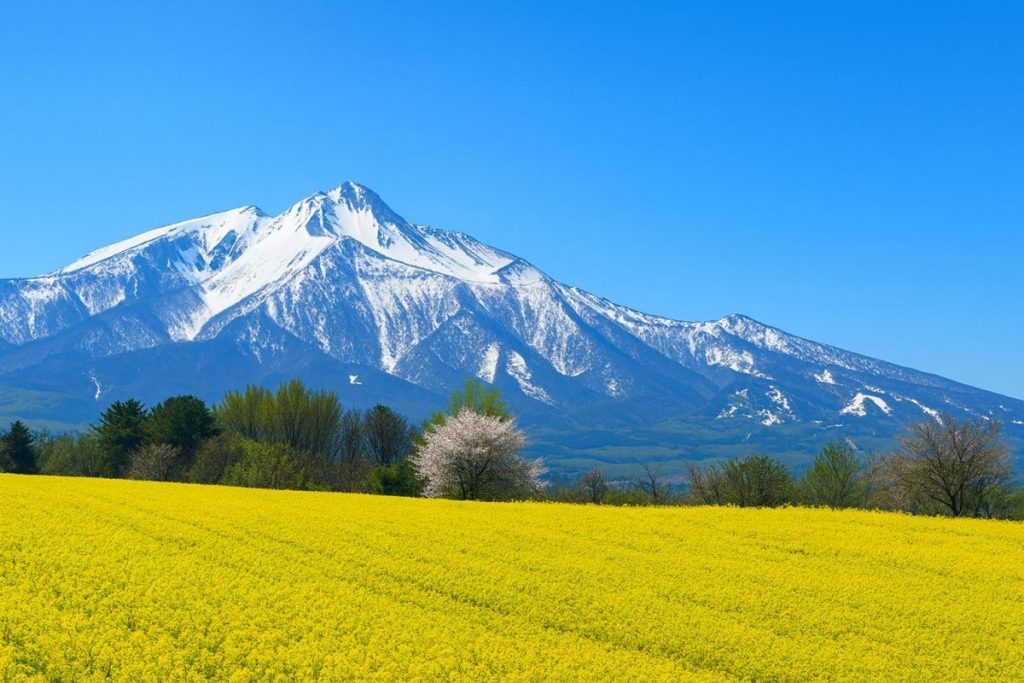
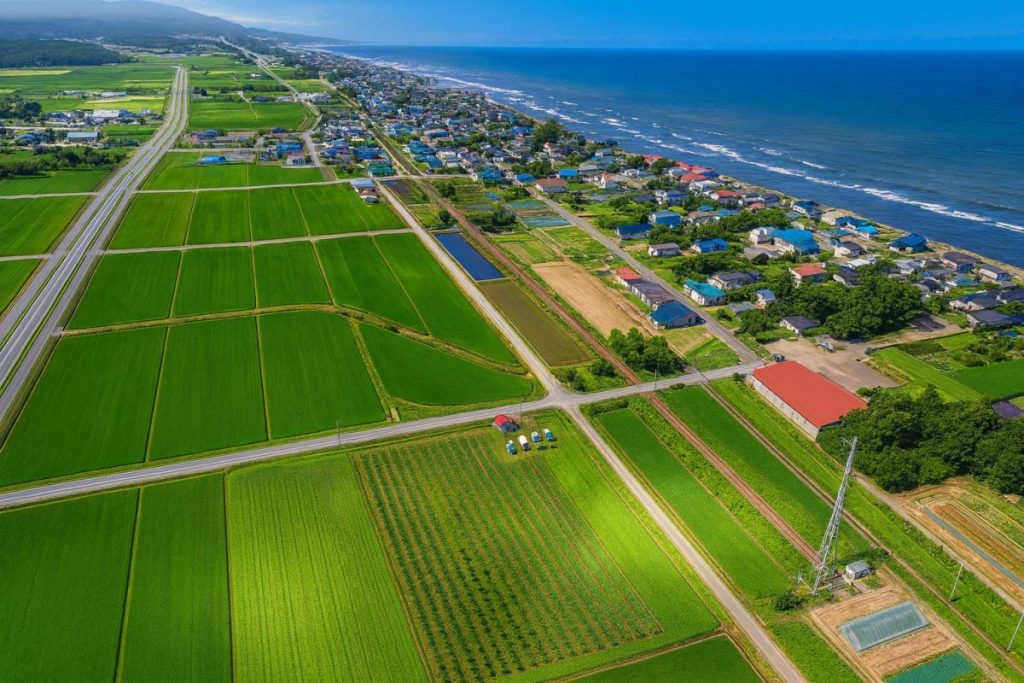
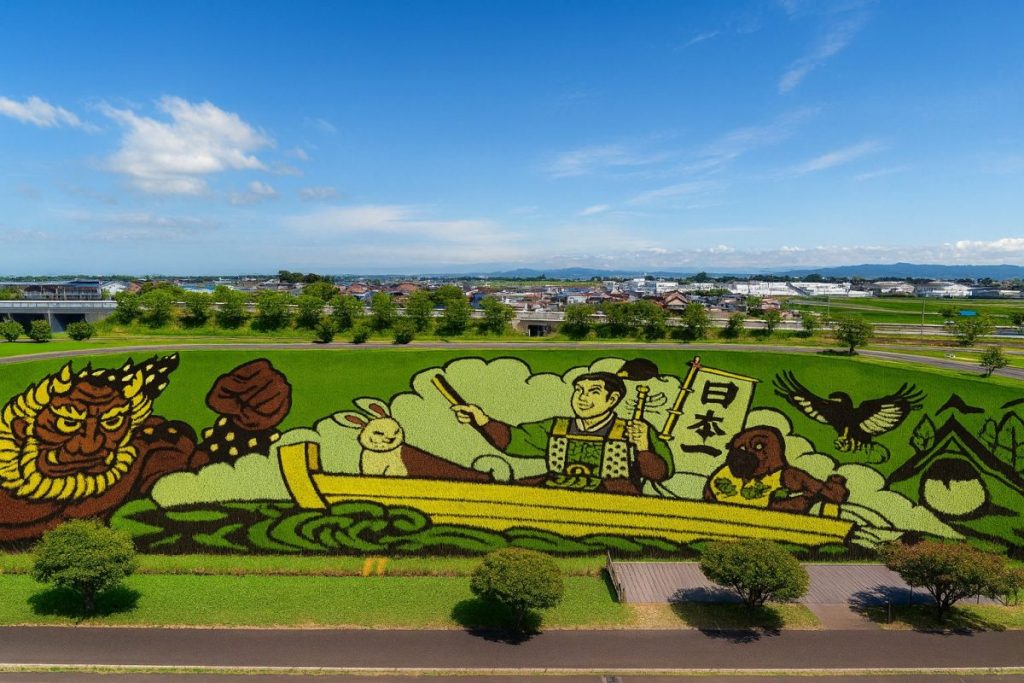
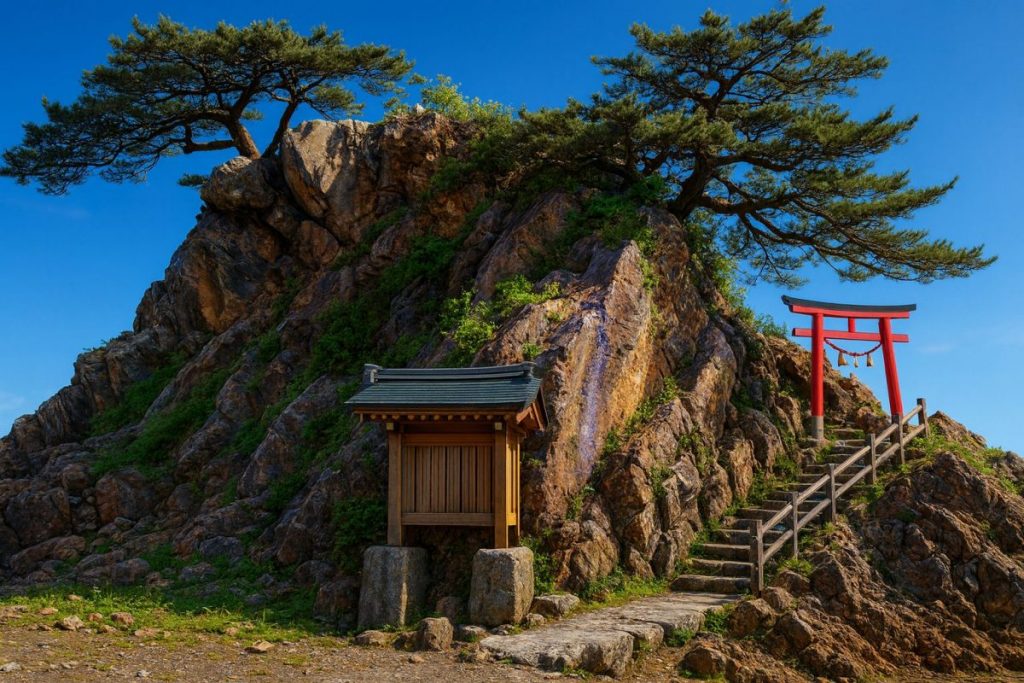
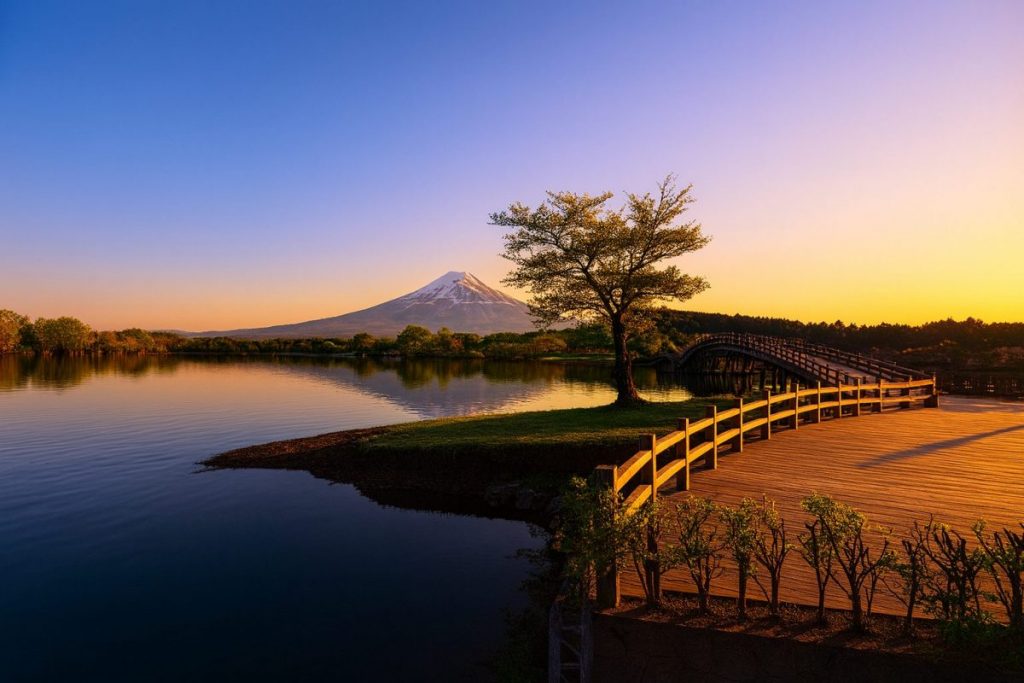
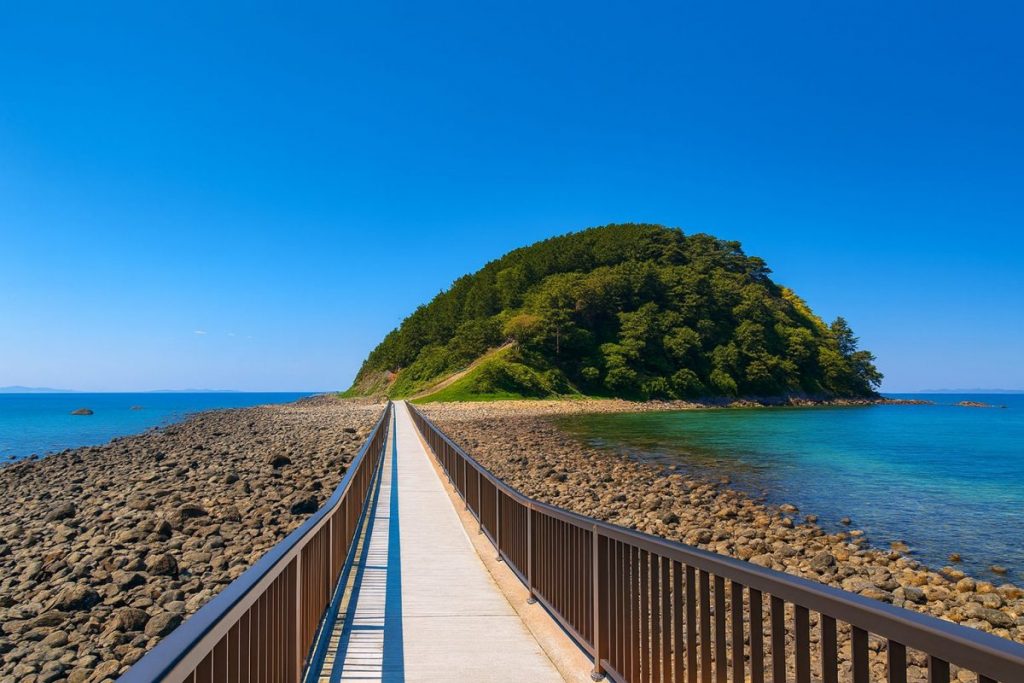
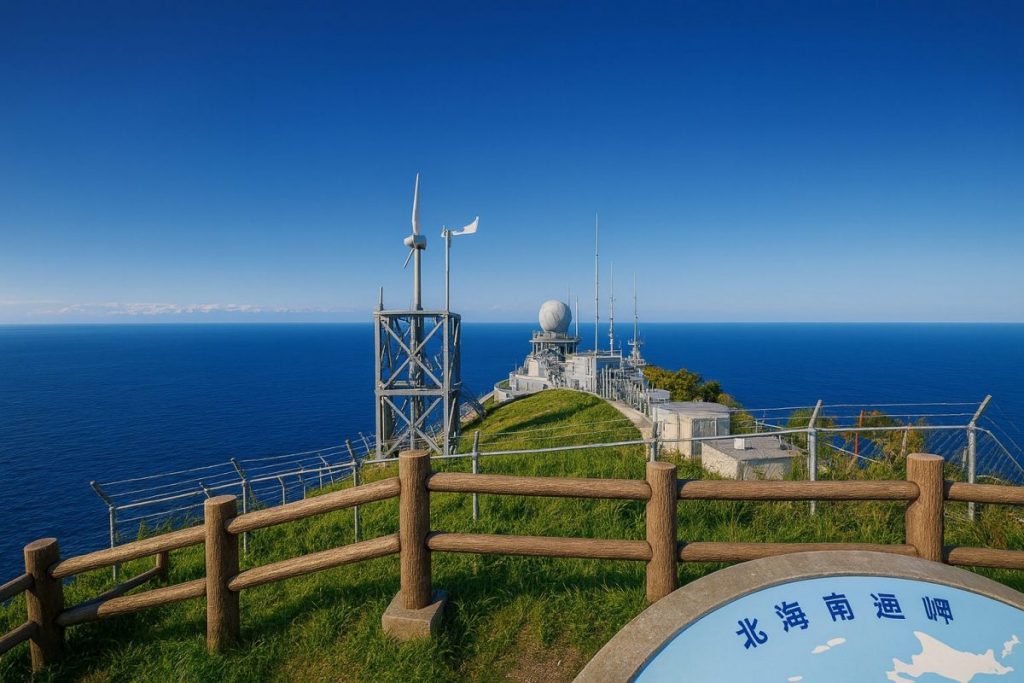
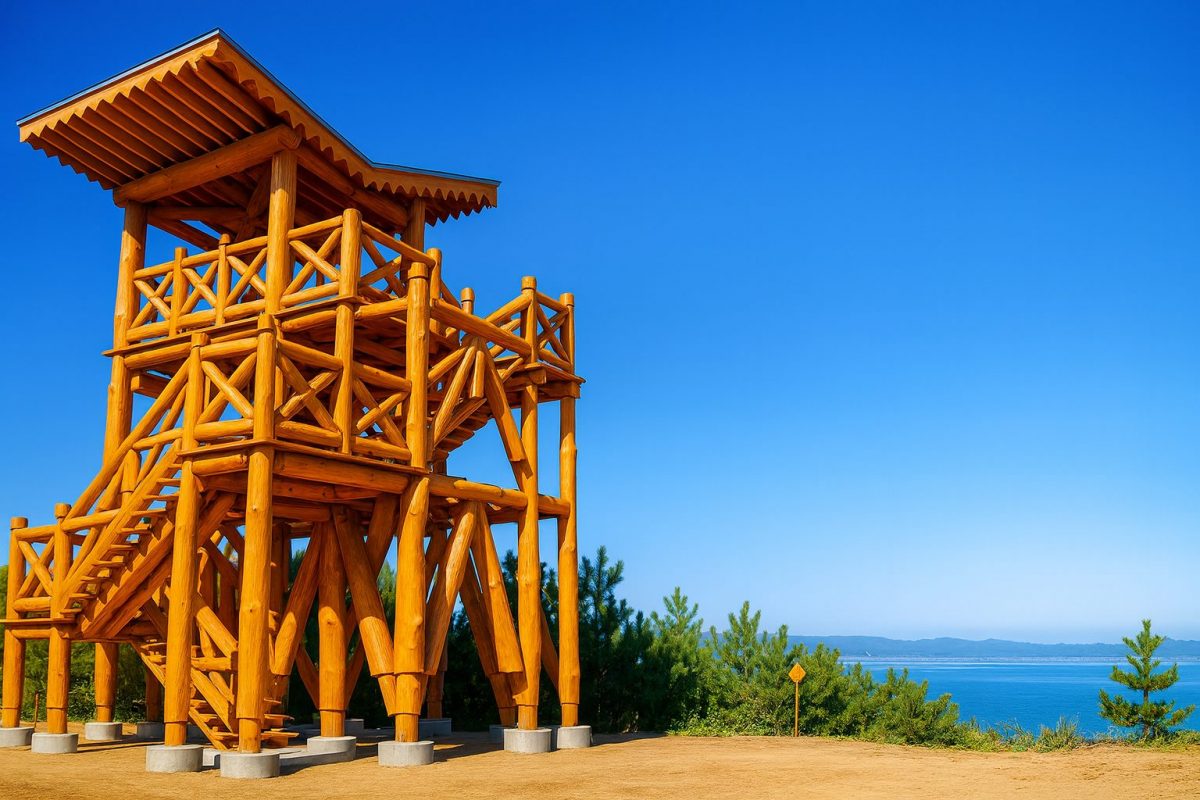
Located in the western part of Aomori Prefecture in northern Japan, Tsugaru City is a region where nature, history, and the cultural traditions of the Tsugaru area coexist in harmony. The city was established in 2005 through the merger of Kizukuri Town, Morita Village, Kashiwa Village, Inagaki Village, and Shariki Village. Today it is widely known for its rich natural environment, agricultural abundance, and the presence of Jomon archaeological sites such as the Kamegaoka Archaeological Site and the Tagoyano Shell Mound, both registered as part of the UNESCO World Cultural Heritage “Jomon Prehistoric Sites in Northern Japan.” Blessed with the Sea of Japan, Lake Jusan, and vast agricultural lands, Tsugaru City thrives on farming and fishing. Its apples, melons, and watermelons are shipped nationwide for their exceptional quality, while locally harvested seafood enriches the regional cuisine. The Tsugaru dialect, known for its unique intonation and warmth, remains embedded in the daily lives of residents, along with the musical heritage of the Tsugaru shamisen. Scenic landscapes—such as sunsets over Lake Jusan and the expansive dunes around Mt. Byobu—captivate visitors throughout the year. Tsugaru City is a uniquely appealing region where ancient culture, traditional lifestyles, and the beauty of the four seasons come together.
Culture & Traditions
Tsugaru City preserves many aspects of Jomon culture, especially through archaeological sites like the world-renowned Kamegaoka Site, where the iconic “Shakōki-dogū” clay figurine was discovered. The Tsugaru dialect, spoken widely across the region, gives the area a distinctive linguistic identity through its rhythmic and expressive intonation. The tradition of Tsugaru shamisen, a musical art form known for its powerful sound and emotional depth, is carried on within the city through performances, workshops, and local festivals. During summer, neighborhoods in the city host their own nebuta or neputa events, in which large illuminated floats are paraded through the streets accompanied by drums and chants. In autumn, harvest celebrations highlight the richness of local agriculture, particularly apples and vegetables. Winter brings heavy snowfall characteristic of the region, shaping the lifestyle and fostering a strong community spirit. With its blend of ancient history, traditional arts, seasonal customs, and warm local culture, Tsugaru City offers a deeply atmospheric and memorable experience.
Local Specialties
- Tsugaru Lacquerware (Tsugaru-nuri): A traditional craft of the Tsugaru region, characterized by its durability and intricate layered patterns created through repeated application and polishing of lacquer. Bowls, chopsticks, and decorative items crafted with Tsugaru-nuri are highly regarded and make popular souvenirs.
- Apples: Tsugaru City is one of Aomori Prefecture’s major apple-producing areas, known for varieties such as “Tsugaru,” “Fuji,” and “Shinano Sweet.” These apples are prized for their fragrance, juiciness, and crisp texture. Visitors can enjoy apple picking at local orchards during the harvest season.
- Surf Clams (Hokkigai): Harvested along the Sea of Japan coast, hokkigai is a local delicacy enjoyed as sashimi, grilled, or in rice dishes. Fresh Tsugaru hokkigai is known for its tender texture and natural sweetness.
- Mutsugorō (Local Confectionery): A popular souvenir confection inspired by local dialect expressions. Known for its gentle sweetness and charming design, it represents the warmth and humor of the Tsugaru region.
- Tsugaru Neputa: A symbolic summer event featuring large illuminated floats depicting warriors and mythical scenes. Handmade by local groups each year, these floats represent the creativity and cultural pride of the community.
Annual Events
- Tsugaru Cherry Blossom Festival: Held in spring when cherry blossoms bloom across parks and riversides. Illuminations and local food stalls make this festival a lively seasonal highlight.
- Kizukuri Neputa Festival: A summer tradition featuring powerful neputa floats accompanied by drums and chants. The illuminated artworks create a dramatic atmosphere at night and attract many visitors.
- Tsugaru Imoni Festival: A popular autumn event where large pots of imoni—stew made with local vegetables and meat—are served. Families and travelers gather to enjoy the taste of the harvest season.
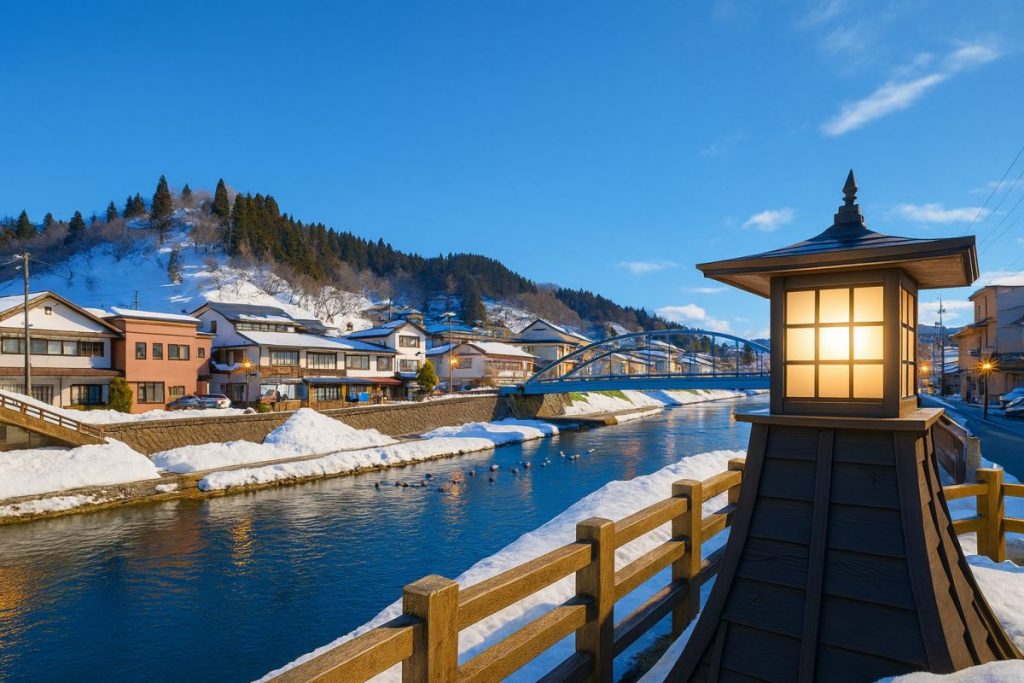
- Winter Light-Up Events: Throughout the city, small-scale winter light festivals brighten the snowy landscape. The contrast of snow and warm light creates beautiful, photogenic scenery.
Access
-
By Train: JR Gono Line serves major stations including Kizukuri, Nakata, Mutsu-Morita, and Koshimizu.
JR Kizukuri Station (Google Maps): https://www.google.com/maps?q=JR木造駅 - By Air: Aomori Airport is about 40–50 minutes away by car. Airport shuttle buses connect to Goshogawara, from which the JR Gono Line provides access to Tsugaru City.
- By Car: National Routes 101 and 339 run through the city. Access from Aomori City or Hirosaki is convenient, and the extension of the Tsugaru Expressway will further improve travel efficiency.
- By Highway Bus: Highway buses to Goshogawara are available from major cities. Travelers can transfer to the JR Gono Line for entry into Tsugaru City.
Tourist Attractions
- Lake Jusan – A brackish lake famous for shijimi (freshwater clams). Beautiful sunsets and calm waters make it a popular scenic destination.
- Takayama Inari Shrine – Known for its long rows of red torii gates and stunning views. A spiritually significant site surrounded by forests and farmland.
- Kizukuri Station (“Dogū Station”) – Famous for its large Dogū-shaped façade modeled after the Shakōki-dogū. A unique and photogenic landmark.
- Kamegaoka Archaeological Site – A UNESCO World Heritage Site where the iconic Shakōki-dogū was unearthed. An essential location for understanding the Jomon culture.
- Tagoyano Shell Mound – Another World Heritage Site representing Jomon-period life and coastal settlement patterns. The surrounding nature adds to its historical ambiance.
Related Links
List of Major Cities in Aomori Prefecture
-

Which Prefecture Is Kuroishi City In? [Answer] Aomori Prefecture | Complete Guide to Kuroishi City (Sightseeing, Culture, Local Products & Access)
-
Which Prefecture Is Aomori City In? [Answer] Aomori Prefecture | Complete Guide to Aomori City (Sightseeing, Culture, Local Products & Access)
-
Which Prefecture Is Hirakawa City In? [Answer] Aomori Prefecture | Complete Guide to Hirakawa City (Sightseeing, Culture, Local Products & Access)
-
Which Prefecture Is Towada City In? [Answer] Aomori Prefecture | Complete Guide to Towada City (Sightseeing, Culture, Local Products & Access)
-
Which Prefecture Is Hachinohe City In? [Answer] Aomori Prefecture | Complete Guide to Hachinohe City (Sightseeing, Culture, Local Products & Access)
-
Which Prefecture Is Mutsu City In? [Answer] Aomori Prefecture | Complete Guide to Mutsu City (Sightseeing, Culture, Local Products & Access)
-
Which Prefecture Is Hirosaki City In? [Answer] Aomori Prefecture | Complete Guide to Hirosaki City (Sightseeing, Culture, Local Products & Access)
-
Which Prefecture Is Goshogawara City In? [Answer] Aomori Prefecture | Complete Guide to Goshogawara City (Sightseeing, Culture, Local Products & Access)
-
Which Prefecture Is Misawa City In? [Answer] Aomori Prefecture | Complete Guide to Misawa City (Sightseeing, Culture, Local Products & Access)
-
Which Prefecture Is Tsugaru City In? [Answer] Aomori Prefecture | Complete Guide to Tsugaru City (Sightseeing, Culture, Local Products & Access)

Tsugaru Region List
-
Which Prefecture Is Kuroishi City In? [Answer] Aomori Prefecture | Complete Guide to Kuroishi City (Sightseeing, Culture, Local Products & Access)
-
Which Prefecture Is Tsuruta Town In? [Answer] Aomori Prefecture | Complete Guide to Tsuruta Town (Sightseeing, Culture, Local Products & Access)
-
Which Prefecture Is Ajigasawa Town In? [Answer] Aomori Prefecture | Complete Guide to Ajigasawa Town (Sightseeing, Culture, Local Products & Access)
-
Which Prefecture Is Aomori City In? [Answer] Aomori Prefecture | Complete Guide to Aomori City (Sightseeing, Culture, Local Products & Access)
-
Which Prefecture Is Nishimeya Village In? [Answer] Aomori Prefecture | Complete Guide to Nishimeya Village (Sightseeing, Culture, Local Products & Access)
-
Which Prefecture Is Fujisaki Town In? [Answer] Aomori Prefecture | Complete Guide to Fujisaki Town (Sightseeing, Culture, Local Products & Access)
-
Which Prefecture Is Yomogita Village In? [Answer] Aomori Prefecture | Complete Guide to Yomogita Village (Sightseeing, Culture, Local Products & Access)
-
Which Prefecture Is Inakadate Village In? [Answer] Aomori Prefecture | Complete Guide to Inakadate Village (Sightseeing, Culture, Local Products & Access)
-
Which Prefecture Is Fukaura Town In? [Answer] Aomori Prefecture | Complete Guide to Fukaura Town (Sightseeing, Culture, Local Products & Access)
-
Which Prefecture Is Itayanagi Town In? [Answer] Aomori Prefecture | Complete Guide to Itayanagi Town (Sightseeing, Culture, Local Products & Access)
-
Which Prefecture Is Hirakawa City In? [Answer] Aomori Prefecture | Complete Guide to Hirakawa City (Sightseeing, Culture, Local Products & Access)
-
Which Prefecture Is Hiranai Town In? [Answer] Aomori Prefecture | Complete Guide to Hiranai Town (Sightseeing, Culture, Local Products & Access)
-
Which Prefecture Is Owani Town In? [Answer] Aomori Prefecture | Complete Guide to Owani Town (Sightseeing, Culture, Local Products & Access)
-
Which Prefecture Is Sotogahama Town In? [Answer] Aomori Prefecture | Complete Guide to Sotogahama Town (Sightseeing, Culture, Local Products & Access)
-
Which Prefecture Is Hirosaki City In? [Answer] Aomori Prefecture | Complete Guide to Hirosaki City (Sightseeing, Culture, Local Products & Access)