| population | 2,013 peoples |
|---|---|
| area | 574.10 km² |
| population density | 3.51 peoples/km² |
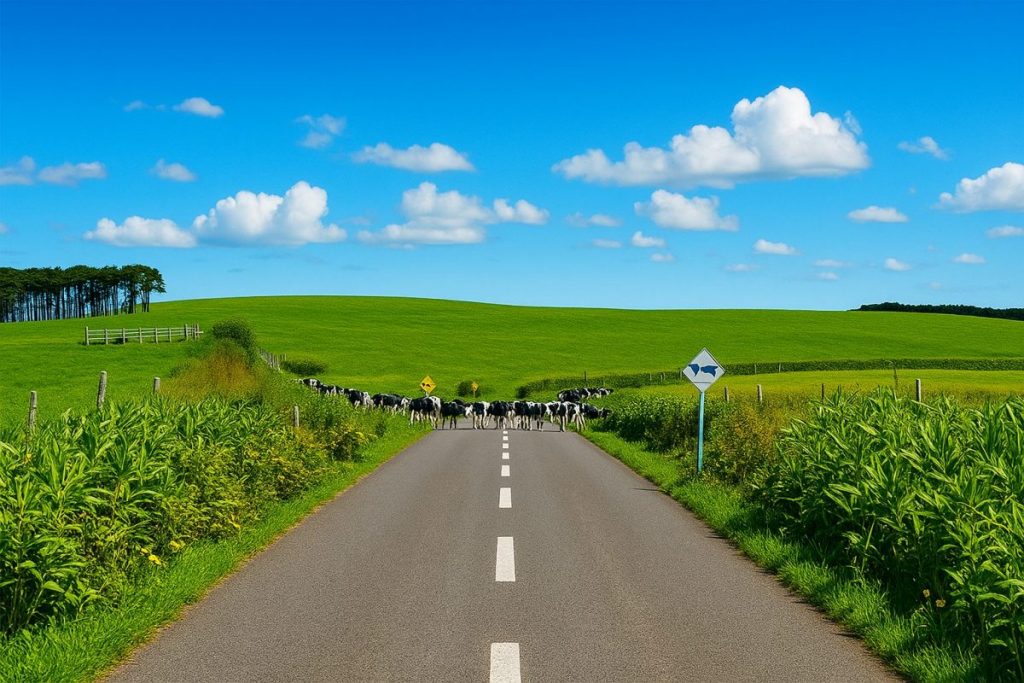
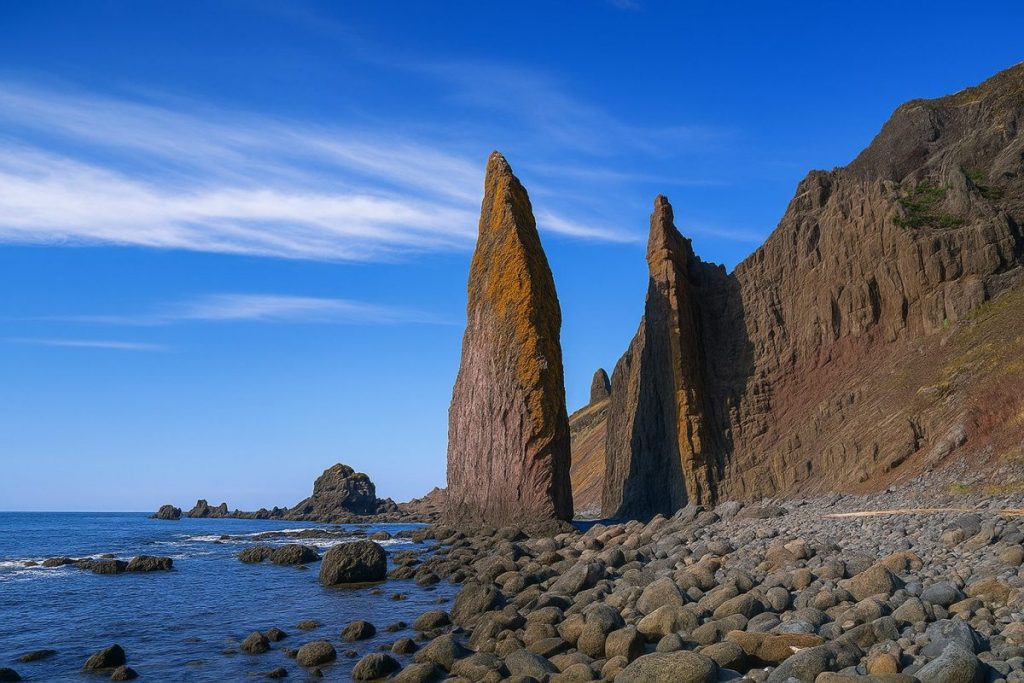
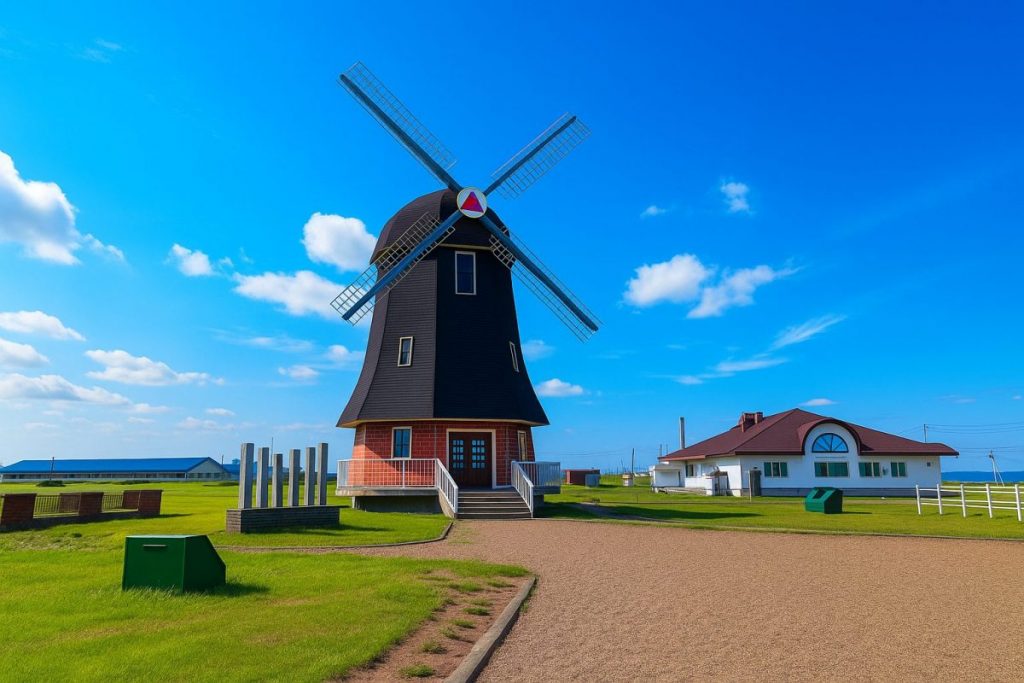
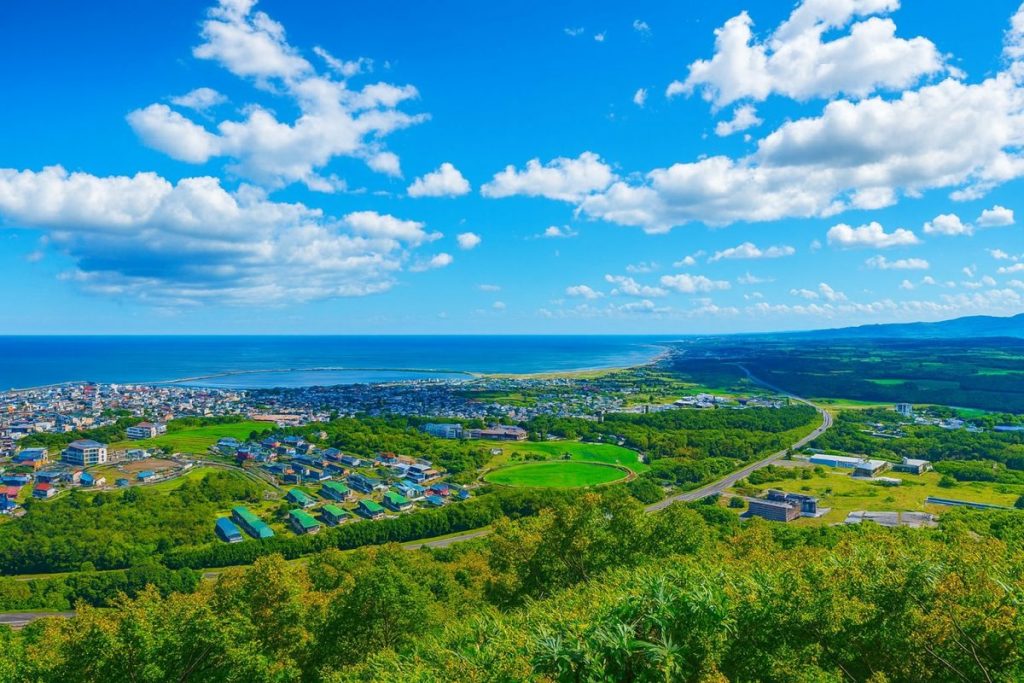
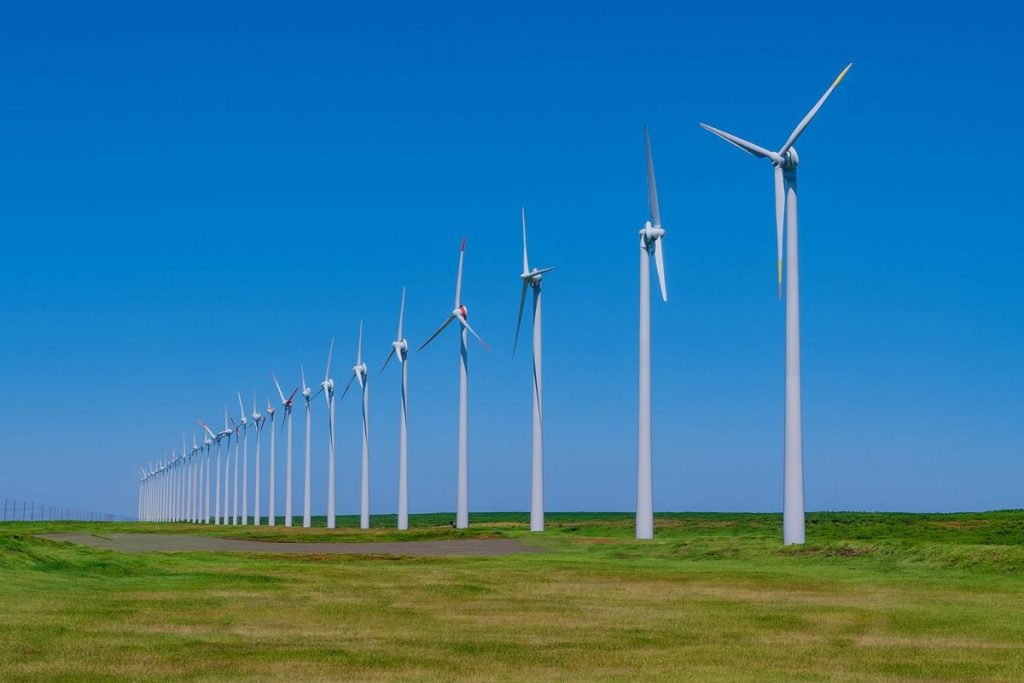
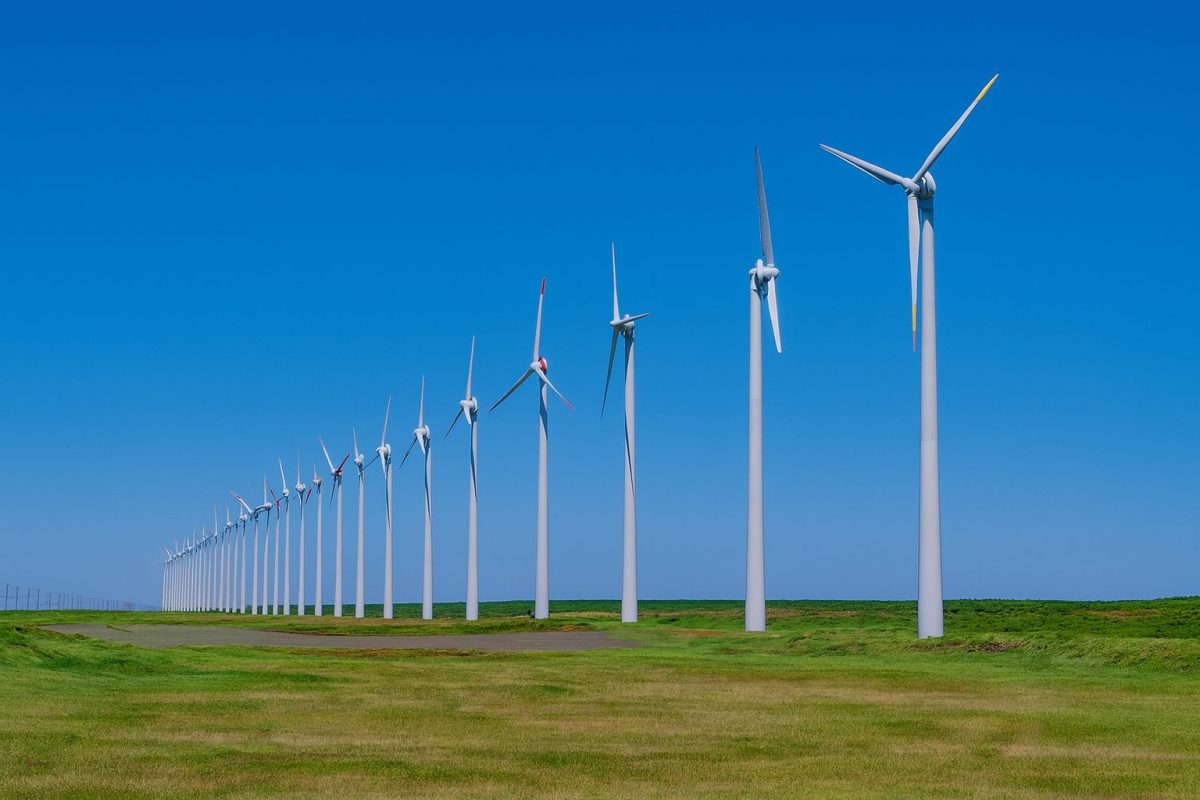
Horonobe Town, located in the northernmost region of Hokkaido and facing the Sea of Japan, is a land of expansive wetlands, endless plains, and quiet strength. The town was founded during the Meiji era by settlers from Fukui Prefecture and developed through agriculture and dairy farming. Today, it is best known for its dairy products, produced in part by the Snow Brand Megmilk Horonobe Factory, and for its unique reindeer ranch introduced from Finland. The “Reindeer Tourist Farm” allows visitors to experience reindeer up close, while the “Otonrui Wind Farm,” with 28 turbines standing in a straight line along the coastline, has become one of Hokkaido’s most striking landscapes. Horonobe’s climate is cool in summer and snowy in winter, producing stunning seasonal contrasts. From the deep blue of the Himalayan blue poppy in June to the white expanse of snowfields in January, Horonobe embodies the beauty of nature’s rhythm in Hokkaido.
Culture and Traditions
Horonobe’s culture and customs are deeply tied to the history of Hokkaido’s settlement. During the Meiji era, Buddhist agricultural communities such as Honganji, Tenryu, and Hokkeshu Farms were established, forming the foundation of today’s town. The settlers turned vast wetlands into farmland, and over time the local economy shifted from field crops to dairy farming, which remains the town’s main industry. The residents have inherited a pioneering spirit that values cooperation, humility, and coexistence with nature.
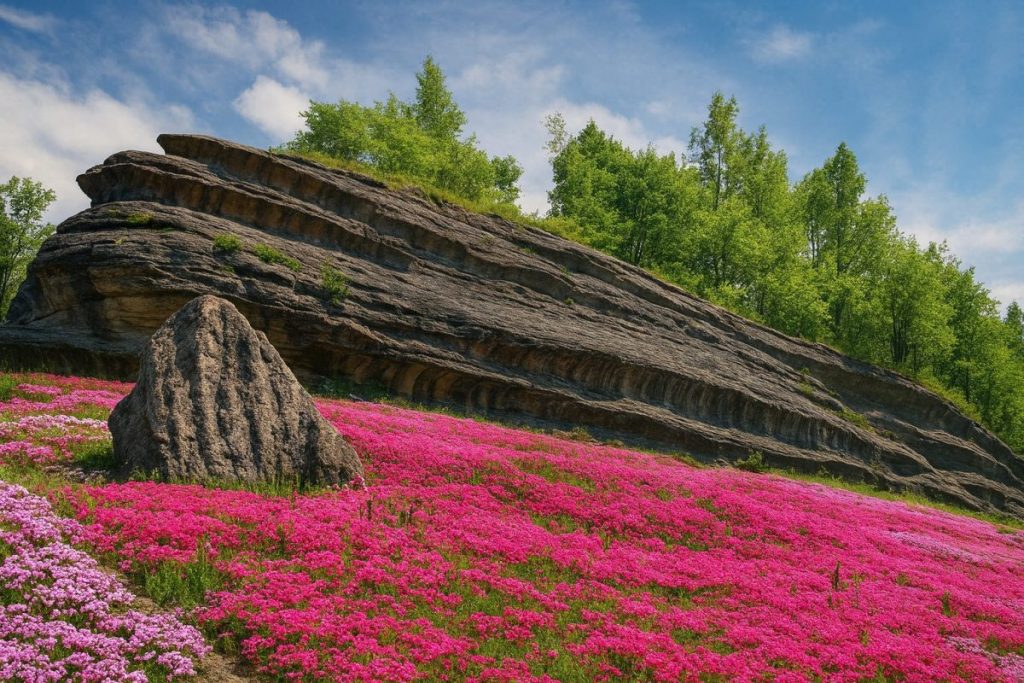
Local festivals play a key role in preserving this heritage. The winter “Reindeer White Festa” transforms the snowy landscape into a magical winter scene filled with light and joy, while the summer “Meirin Park Festival” celebrates community bonds with fireworks and fresh local produce. Children’s folk songs, traditional dialect phrases, and harvest festivals continue to be passed down through generations. Recently, the cultivation of the “Himalayan Blue Poppy” has become a symbol of Horonobe, attracting photographers and flower enthusiasts from across Japan.
Local Specialties
- Dairy Products: Produced at the Snow Brand Megmilk Horonobe Factory, butter and skimmed milk powder from Horonobe are renowned nationwide for their rich and creamy flavor.
- Reindeer Products: Horonobe’s signature reindeer are raised at the Reindeer Tourist Farm. Sausages, hamburgers, and antler crafts made from reindeer are popular local souvenirs.
- Wild Vegetables and Crops: Edible wild plants such as butterbur, ostrich fern, and alpine leek (known as “gyoja ninniku”), as well as potatoes, soybeans, and rice grown in the cool climate, are prized for their taste and texture.
- Blue Poppy (Himalayan Blue Poppy): A rare alpine flower cultivated using Horonobe’s cold climate, best viewed around June at the Reindeer Tourist Farm.
- Shijimi Clams: Yamato clams harvested from Lake Panke within the town are known for their delicate flavor and are used in miso soup and other regional dishes.
Annual Events
- Meirin Park Festival (mid-August): A lively summer festival featuring food stalls, Bon dance, and fireworks that illuminate the northern sky.
- Reindeer White Festa (late December): A beloved winter event where visitors can interact with reindeer in a snow-lit fantasy setting.
- Fun Science Fair (early September): Hosted by the Horonobe Underground Research Center, this interactive event allows children and adults to explore science through hands-on activities.
- Forest Park Camping Festival (August): An outdoor camping event held at Furusato-no-Mori Forest Park, offering a relaxing experience surrounded by nature.
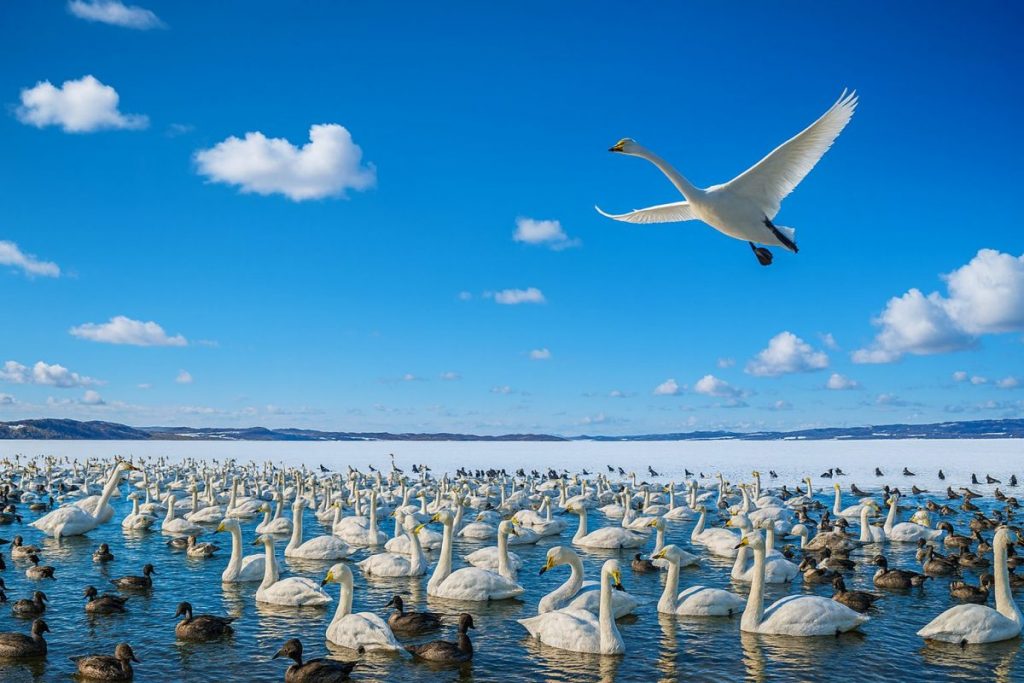
- Lake Panke Bird-Watching Fair (spring to summer): A seasonal event that invites visitors to observe migratory birds such as red-necked grebes and other wetland species.
Access
- By Air: The nearest airport is Wakkanai Airport, about 1.5 hours by car from Horonobe. Direct flights from Tokyo (Haneda) are available.
- By Train: JR Horonobe Station (Soya Main Line) connects Horonobe with Asahikawa and Wakkanai, providing scenic railway access.
- By Bus: The “Haboro Express” operated by Engan Bus offers direct service from Asahikawa and Wakkanai to Horonobe.
- By Car: Approximately 5 hours from Sapporo via National Route 40. The Hokkaido Route 106 (Wakkanai–Teshio Line) is one of Japan’s most scenic coastal drives, offering spectacular ocean views.
Tourist Attractions
- Reindeer Tourist Farm – A symbolic attraction where visitors can meet and feed reindeer, with gardens of Himalayan blue poppies blooming in early summer.
- Otonrui Wind Farm – A striking row of 28 massive wind turbines along the Japan Sea coast, offering a spectacular photo spot.
- Horonobe Visitor Center – An educational facility introducing the flora, fauna, and formation of the Sarobetsu Wetland ecosystem.
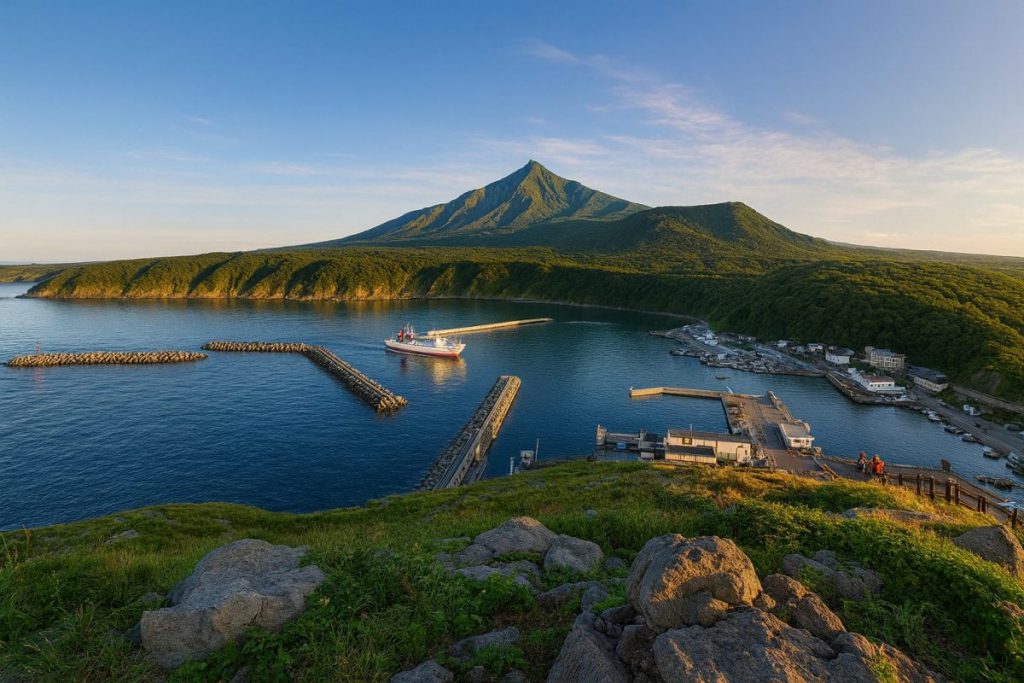
- Lake Panke Area – A birdwatching haven and a viewpoint offering panoramic views of wetlands and Mount Rishiri.
- Meiyundai Observation Park – Offers stunning vistas of Mount Rishiri and the Sea of Japan, with a monument featuring the song “Teshio River.”
- Furusato-no-Mori Forest Park – A recreation area with camping grounds and forest walking trails surrounded by lush greenery.
- Kaneida Shinsho Calligraphy Museum – Japan’s first museum dedicated to calligraphy, honoring Horonobe-born artist Shinsho Kaneda with over 1,000 works on display.
Related Links
- Horonobe Town Official Website
- Horonobe Town on Google Maps
- Horonobe Underground Research Center (JAEA)
List of Major Cities in Hokkaido
-

Which Prefecture Is Kushiro City In? [Answer] Hokkaido | Complete Guide to Kushiro City (Sightseeing, Culture, Local Products & Access)
-
Which Prefecture Is Tomakomai City In? [Answer] Hokkaido | Complete Guide to Tomakomai City (Sightseeing, Culture, Local Products & Access)
-
Which Prefecture Is Abashiri City In? [Answer] Hokkaido | Complete Guide to Abashiri City (Sightseeing, Culture, Local Products & Access)
-
Which Prefecture Is Monbetsu City In? [Answer] Hokkaido | Complete Guide to Monbetsu City (Sightseeing, Culture, Local Products & Access)
-
Which Prefecture Is Wakkanai City In? [Answer] Hokkaido | Complete Guide to Wakkanai City (Sightseeing, Culture, Local Products & Access)
-
Which Prefecture Is Rumoi City In? [Answer] Hokkaido | Complete Guide to Rumoi City (Sightseeing, Culture, Local Products & Access)
-
Which Prefecture Is Sapporo City In? [Answer] Hokkaido | Complete Guide to Sapporo City (Sightseeing, Culture, Local Products & Access)
-
Which Prefecture Is Asahikawa City In? [Answer] Hokkaido | Complete Guide to Asahikawa City (Sightseeing, Culture, Local Products & Access)
-
Which Prefecture Is Otaru City In? [Answer] Hokkaido | Complete Guide to Otaru City (Sightseeing, Culture, Local Products & Access)
-
Which Prefecture Is Muroran City In? [Answer] Hokkaido | Complete Guide to Muroran City (Sightseeing, Culture, Local Products & Access)
-
Which Prefecture Is Obihiro City In? [Answer] Hokkaido | Complete Guide to Obihiro City (Sightseeing, Culture, Local Products & Access)
-
Which Prefecture Is Nayoro City In? [Answer] Hokkaido | Complete Guide to Nayoro City (Sightseeing, Culture, Local Products & Access)
-
Which Prefecture Is Chitose City In? [Answer] Hokkaido | Complete Guide to Chitose City (Sightseeing, Culture, Local Products & Access)
-
Which Prefecture Is Kitami City In? [Answer] Hokkaido | Complete Guide to Kitami City (Sightseeing, Culture, Local Products & Access)
-
Which Prefecture Is Hakodate City In? [Answer] Hokkaido | Complete Guide to Hakodate City (Sightseeing, Culture, Local Products & Access)

Soya General Subprefecture List
-
Which Prefecture Is Toyotomi Town In? [Answer] Hokkaido | Complete Guide to Toyotomi Town (Sightseeing, Culture, Local Products & Access)
-
Which Prefecture Is Wakkanai City In? [Answer] Hokkaido | Complete Guide to Wakkanai City (Sightseeing, Culture, Local Products & Access)
-
Which Prefecture Is Rebun Town In? [Answer] Hokkaido | Complete Guide to Rebun Town (Sightseeing, Culture, Local Products & Access)
-
Which Prefecture Is Sarufutsu Village In? [Answer] Hokkaido | Complete Guide to Sarufutsu Village (Sightseeing, Culture, Local Products & Access)
-
Which Prefecture Is Hamatonbetsu Town In? [Answer] Hokkaido | Complete Guide to Hamatonbetsu Town (Sightseeing, Culture, Local Products & Access)
-
Which Prefecture Is Esashi Town In? [Answer] Hokkaido | Complete Guide to Esashi Town (Sightseeing, Culture, Local Products & Access)
-
Which Prefecture Is Horonobe Town In? [Answer] Hokkaido | Complete Guide to Horonobe Town (Sightseeing, Culture, Local Products & Access)
-
Which Prefecture Is Rishiri Town In? [Answer] Hokkaido | Complete Guide to Rishiri Town (Sightseeing, Culture, Local Products & Access)
-
Which Prefecture Is Rishirifuji Town In? [Answer] Hokkaido | Complete Guide to Rishirifuji Town (Sightseeing, Culture, Local Products & Access)
-
Which Prefecture Is Nakatonbetsu Town In? [Answer] Hokkaido | Complete Guide to Nakatonbetsu Town (Sightseeing, Culture, Local Products & Access)