| population | 2,545 peoples |
|---|---|
| area | 48.64 km² |
| population density | 52.3 peoples/km² |
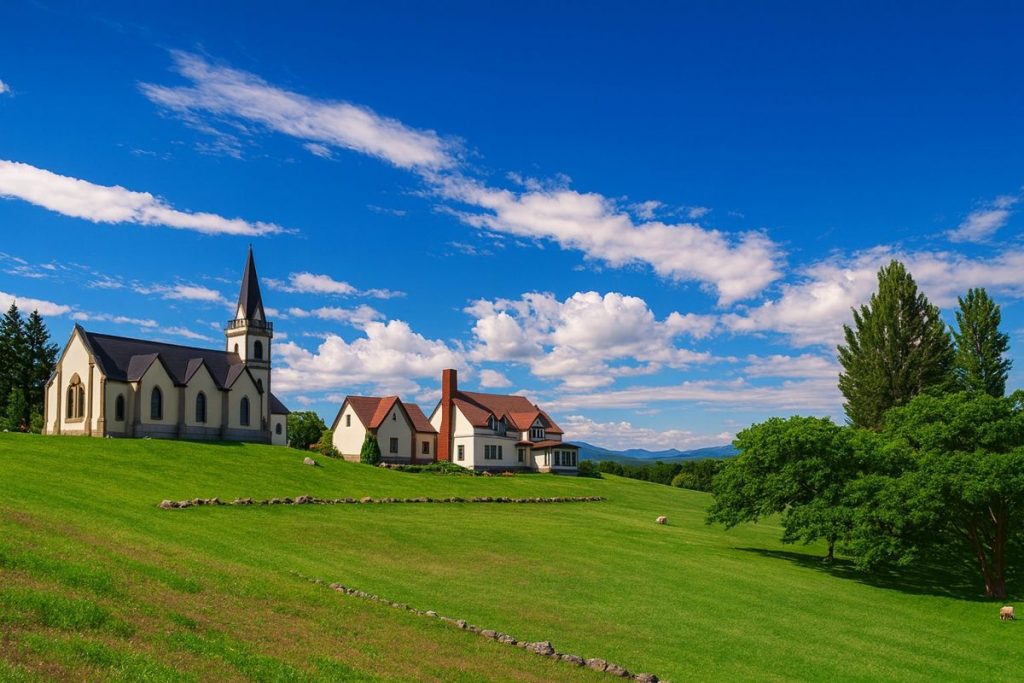
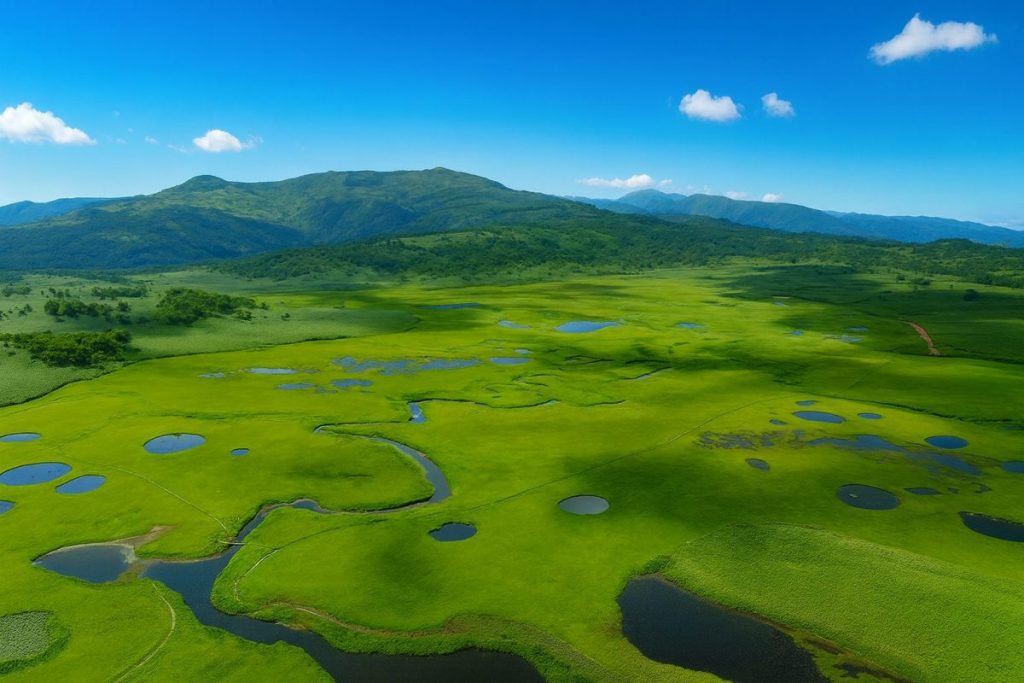
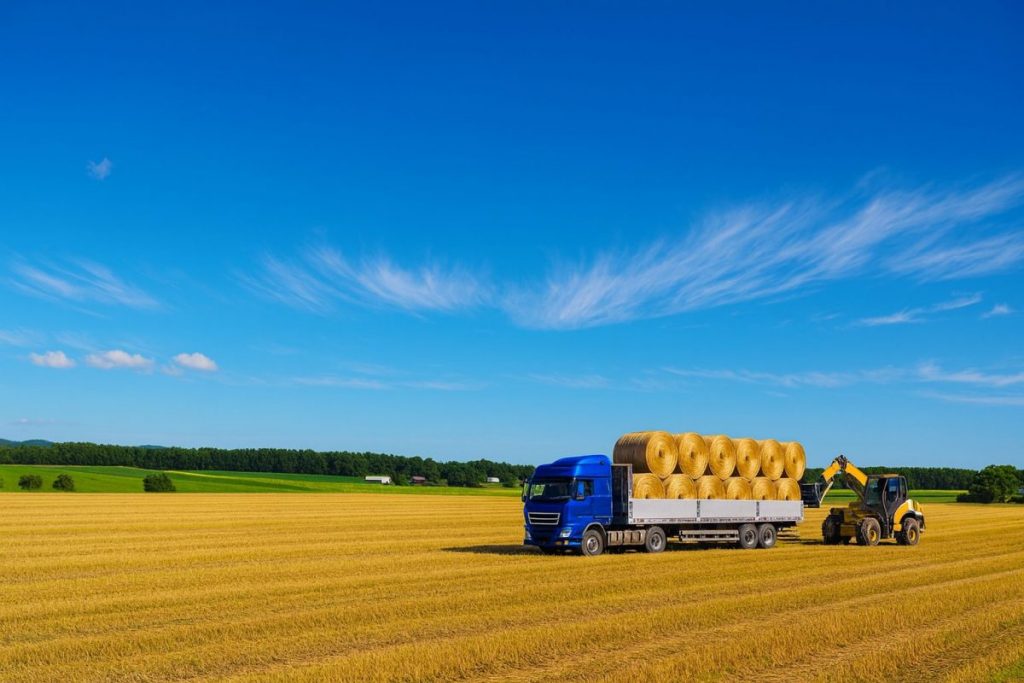
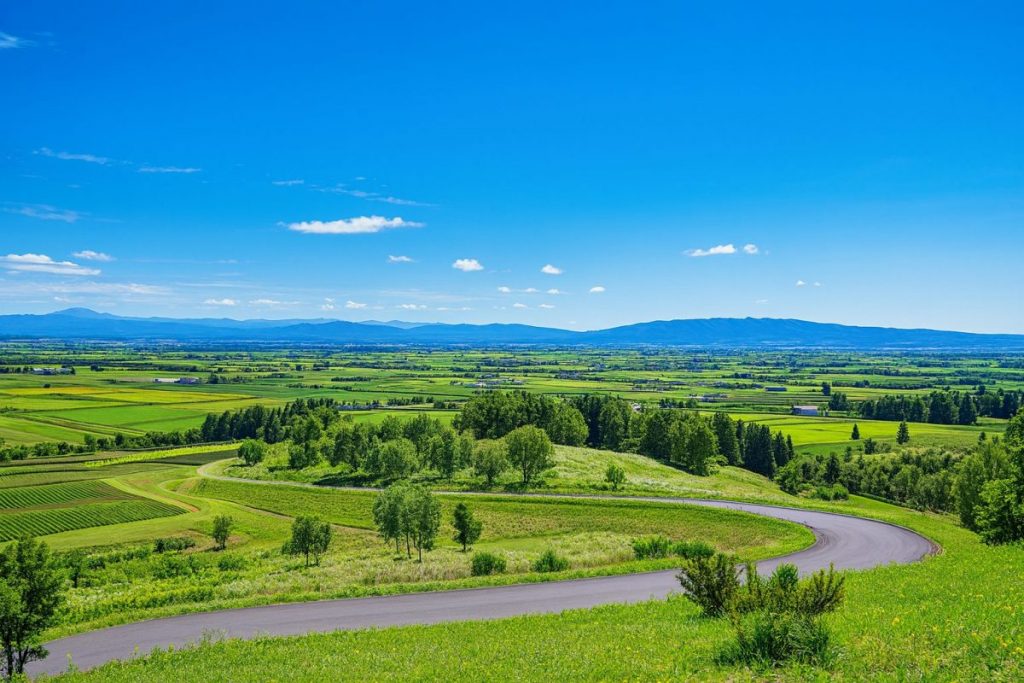
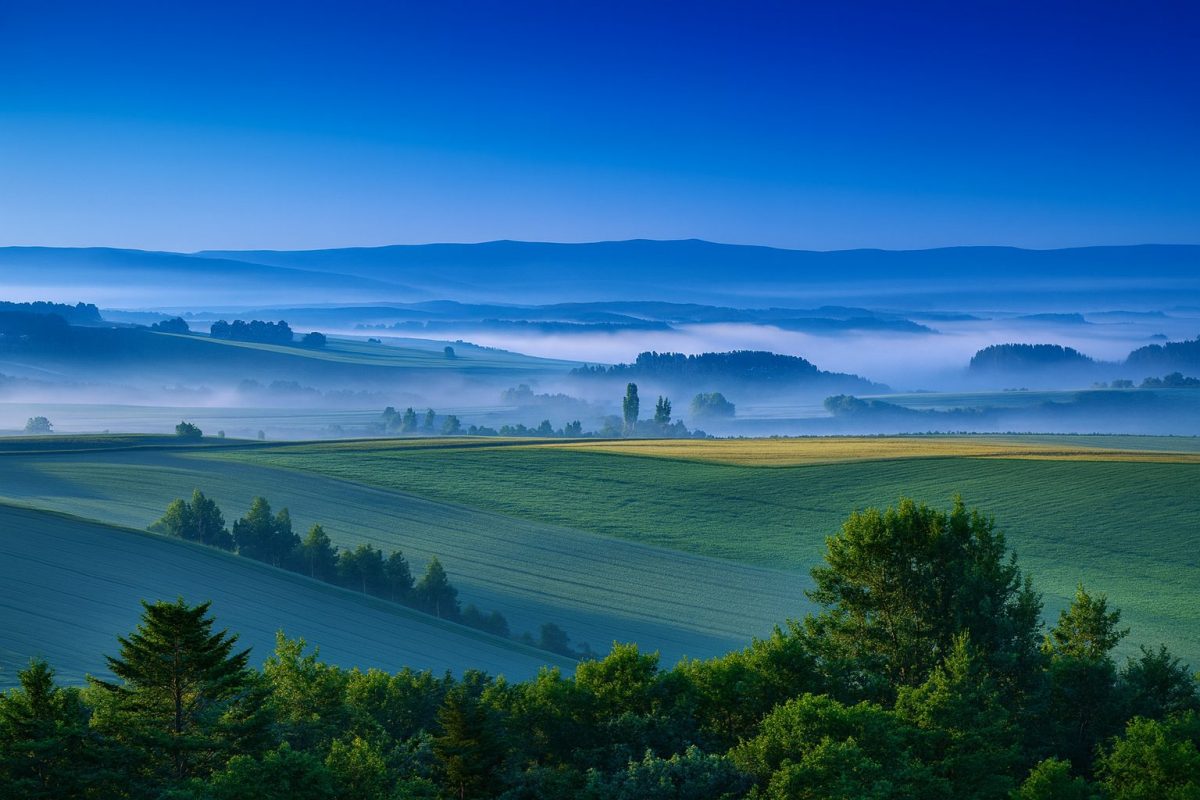
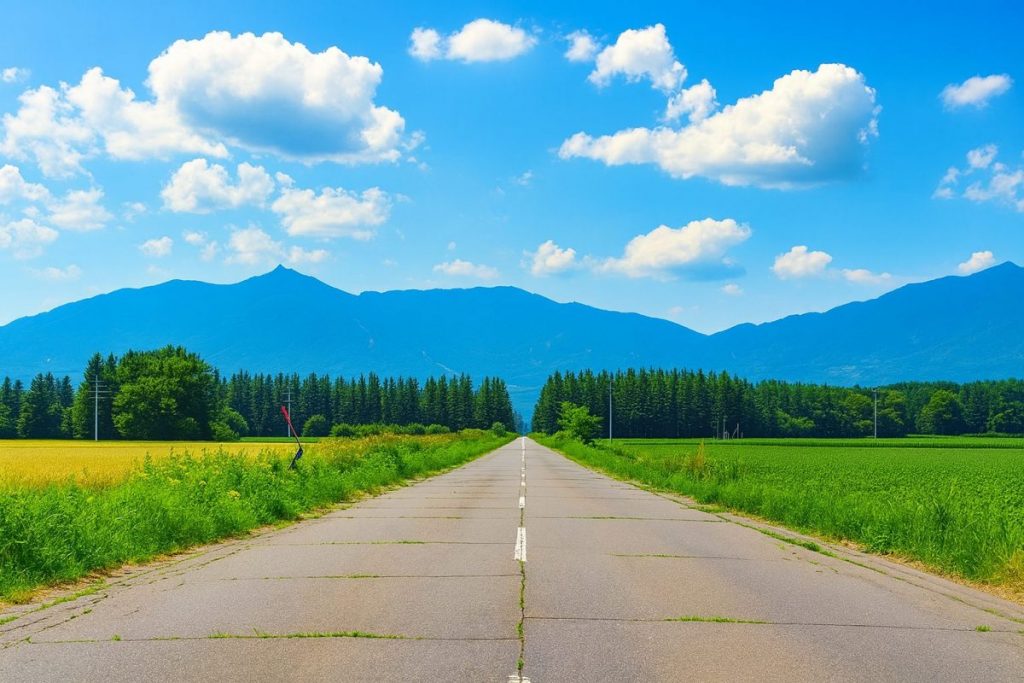
Nestled in the vast nature of northern Hokkaido, Moseushi Town lies quietly within the northern part of the Sorachi region, at the heart of the Uryu Plain. The entire town area is flat and covered by fertile rice fields that stretch as far as the eye can see. The name “Moseushi” originates from the Ainu word “Mose-ushi-i,” meaning “a place where nettles grow thickly.” Officially established as Moseushi Village in 1898 and later becoming a town in 1952, it has flourished as one of Hokkaido’s leading rice-producing regions. The community is tightly knit, with local festivals and seasonal events held throughout the year. With its serene rural landscape, onsen facilities, and curling hall, Moseushi Town offers visitors a peaceful environment that perfectly balances nature and human life.
Culture and Traditions
The culture of Moseushi Town has been nurtured through its long history since the days of pioneering. Rooted in agriculture, the town’s way of life is deeply connected to the rhythm of nature, and residents live in harmony with the changing seasons. Community ties are strong, and local shrines host annual festivals that bring people together. The “Moseushi Summer Festival” features bon dances and fireworks, while the winter “Snow Light Festival” decorates the snowy landscape with warm, glowing lights. The local dialect and customs still thrive, reflecting Hokkaido’s unique charm. The town’s Folk Museum showcases artifacts, farming tools, and photos from the early days of development, offering insights into Moseushi’s cultural and historical heritage.
Local Specialties
- Moseushi Rice (Yumepirika, Nanatsuboshi, Kirara 397) – Grown in fertile fields nourished by the Ishikari and Uryu rivers, these premium rice varieties are among Hokkaido’s best. “Yumepirika” is especially renowned for its rich flavor and glossy texture.
- Moseushi Potatoes – The wide temperature gap between day and night gives these potatoes exceptional sweetness. They are firm and ideal for stews and croquettes.
- Soy and Black Beans Products – Popular items such as “Daizu Don Snack” and “Kirara 258 Pickling Mix” are made from locally grown beans. These nutritious products are perfect for health-conscious consumers.
- Kogane Daifuku & Nama Dora Decoration – Traditional sweets crafted by local artisans using glutinous rice and dairy products from Moseushi. Their soft texture and natural sweetness make them local favorites.
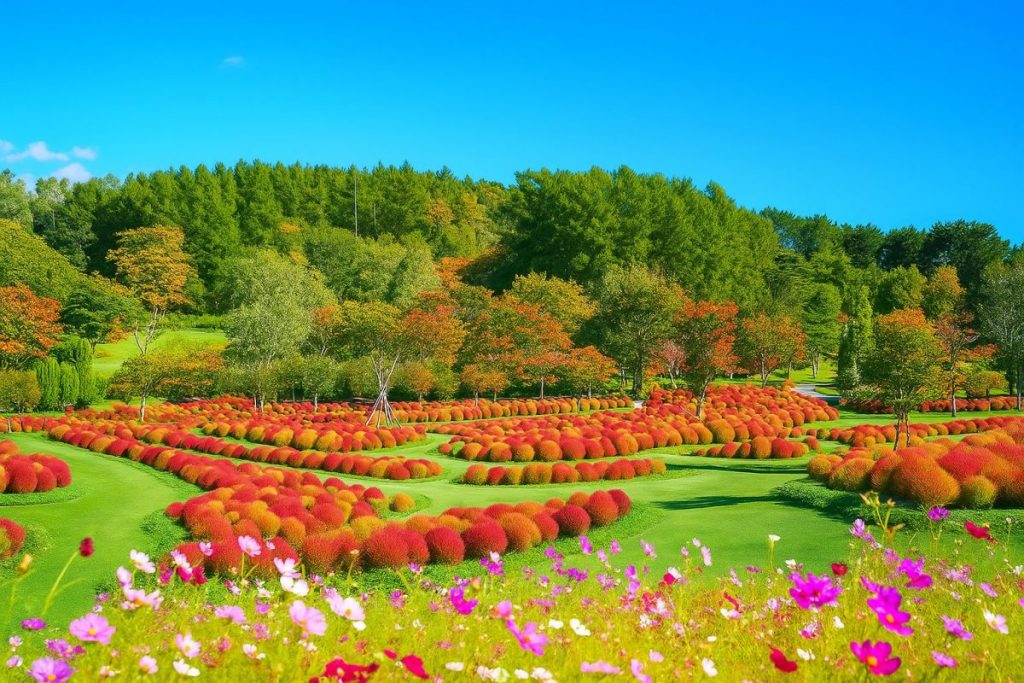
- Cut Flowers and Floriculture – Alongside rice cultivation, floriculture is another key industry. Colorful flowers from greenhouses brighten the townscape and represent Moseushi’s warm community spirit.
Annual Events
- Moseushi Summer Festival (August) – Held at Moseushi Central Park, this major event features bon dancing, fireworks, and food stalls, uniting the entire community.
- Honen Bon Odori (Late August) – A traditional dance festival to celebrate a bountiful harvest, accompanied by rhythmic drumming passed down through generations.
- Moseushi Winter Festival (February) – Hosted at Yusui Park Urara, this event features snow sculptures, snow races, and fun winter activities for families.
- Agriculture Festival (June) – A town-wide celebration showcasing local farm produce and agricultural exhibitions. Visitors can enjoy fresh foods at the JA Kita-Ibuki branch area.
- Autumn Harvest Festival (October) – Marks the season’s harvest with food stalls, handmade crafts, and local performances, offering a taste of rural Hokkaido life.
- Moseushi Mixed Curling Tournament (Winter) – Held at the Moseushi Curling Hall, this national-level event welcomes players from all over Japan.
Access
- By Train: Take the JR Hakodate Main Line and get off at Moseushi Station. It’s about 10 minutes from Fukagawa Station and 50 minutes from Asahikawa.
- By Car: About 2.5 hours from Sapporo via the Dōō Expressway, or around 1 hour from Asahikawa via Route 12.
- By Bus: Sorachi Chuo Bus connects Moseushi with Fukagawa and Uryu. The free town-operated “Circular Line” provides convenient travel within town.
- By Air: The nearest airport is Asahikawa Airport (about 1.5 hours by car). New Chitose Airport is approximately 3.5 hours away by car.
Tourist Attractions
- Moseushi Onsen Peperu – Opened in 1993, this natural hot spring features sodium chloride and bicarbonate water known for relieving neuralgia and fatigue. A favorite spot among locals and visitors alike.
- Yusui Park Urara – A nature-rich park designed for flood control, offering canoeing, picnics, and nature observation. Perfect for outdoor enthusiasts.
- Moseushi Folk Museum – Exhibits artifacts and photos from the early days of settlement, providing insight into the town’s development and lifestyle.
- Moseushi Curling Hall – The second indoor curling facility built in Hokkaido. It hosts major national and international tournaments with full spectator amenities.
- Moseushi Sports Park – A comprehensive sports complex with baseball fields, tennis courts, and open green spaces for recreation and community events.
Related Links
List of Major Cities in Hokkaido
-

Which Prefecture Is Kushiro City In? [Answer] Hokkaido | Complete Guide to Kushiro City (Sightseeing, Culture, Local Products & Access)
-
Which Prefecture Is Tomakomai City In? [Answer] Hokkaido | Complete Guide to Tomakomai City (Sightseeing, Culture, Local Products & Access)
-
Which Prefecture Is Abashiri City In? [Answer] Hokkaido | Complete Guide to Abashiri City (Sightseeing, Culture, Local Products & Access)
-
Which Prefecture Is Monbetsu City In? [Answer] Hokkaido | Complete Guide to Monbetsu City (Sightseeing, Culture, Local Products & Access)
-
Which Prefecture Is Wakkanai City In? [Answer] Hokkaido | Complete Guide to Wakkanai City (Sightseeing, Culture, Local Products & Access)
-
Which Prefecture Is Rumoi City In? [Answer] Hokkaido | Complete Guide to Rumoi City (Sightseeing, Culture, Local Products & Access)
-
Which Prefecture Is Sapporo City In? [Answer] Hokkaido | Complete Guide to Sapporo City (Sightseeing, Culture, Local Products & Access)
-
Which Prefecture Is Asahikawa City In? [Answer] Hokkaido | Complete Guide to Asahikawa City (Sightseeing, Culture, Local Products & Access)
-
Which Prefecture Is Otaru City In? [Answer] Hokkaido | Complete Guide to Otaru City (Sightseeing, Culture, Local Products & Access)
-
Which Prefecture Is Muroran City In? [Answer] Hokkaido | Complete Guide to Muroran City (Sightseeing, Culture, Local Products & Access)
-
Which Prefecture Is Obihiro City In? [Answer] Hokkaido | Complete Guide to Obihiro City (Sightseeing, Culture, Local Products & Access)
-
Which Prefecture Is Nayoro City In? [Answer] Hokkaido | Complete Guide to Nayoro City (Sightseeing, Culture, Local Products & Access)
-
Which Prefecture Is Chitose City In? [Answer] Hokkaido | Complete Guide to Chitose City (Sightseeing, Culture, Local Products & Access)
-
Which Prefecture Is Kitami City In? [Answer] Hokkaido | Complete Guide to Kitami City (Sightseeing, Culture, Local Products & Access)
-
Which Prefecture Is Hakodate City In? [Answer] Hokkaido | Complete Guide to Hakodate City (Sightseeing, Culture, Local Products & Access)

Sorachi General Subprefecture List
-
Which Prefecture Is Fukagawa City In? [Answer] Hokkaido | Complete Guide to Fukagawa City (Sightseeing, Culture, Local Products & Access)
-
Which Prefecture Is Uryu Town In? [Answer] Hokkaido | Complete Guide to Uryu Town (Sightseeing, Culture, Local Products & Access)
-
Which Prefecture Is Naganuma Town In? [Answer] Hokkaido | Complete Guide to Naganuma Town (Sightseeing, Culture, Local Products & Access)
-
Which Prefecture Is Akabira City In? [Answer] Hokkaido | Complete Guide to Akabira City (Sightseeing, Culture, Local Products & Access)
-
Which Prefecture Is Ashibetsu City In? [Answer] Hokkaido | Complete Guide to Ashibetsu City (Sightseeing, Culture, Local Products & Access)
-
Which Prefecture Is Bibai City In? [Answer] Hokkaido | Complete Guide to Bibai City (Sightseeing, Culture, Local Products & Access)
-
Which Prefecture Is Chippubetsu Town In? [Answer] Hokkaido | Complete Guide to Chippubetsu Town (Sightseeing, Culture, Local Products & Access)
-
Which Prefecture Is Sunagawa City In? [Answer] Hokkaido | Complete Guide to Sunagawa City (Sightseeing, Culture, Local Products & Access)
-
Which Prefecture Is Yuni Town In? [Answer] Hokkaido | Complete Guide to Yuni Town (Sightseeing, Culture, Local Products & Access)
-
Which Prefecture Is Takikawa City In? [Answer] Hokkaido | Complete Guide to Takikawa City (Sightseeing, Culture, Local Products & Access)
-
Which Prefecture Is Urausu Town In? [Answer] Hokkaido | Complete Guide to Urausu Town (Sightseeing, Culture, Local Products & Access)
-
Which Prefecture Is Numata Town In? [Answer] Hokkaido | Complete Guide to Numata Town (Sightseeing, Culture, Local Products & Access)
-
Which Prefecture Is Utashinai City In? [Answer] Hokkaido | Complete Guide to Utashinai City (Sightseeing, Culture, Local Products & Access)
-
Which Prefecture Is Kuriyama Town In? [Answer] Hokkaido | Complete Guide to Kuriyama Town (Sightseeing, Culture, Local Products & Access)
-
Which Prefecture Is Tsukigata Town In? [Answer] Hokkaido | Complete Guide to Tsukigata Town (Sightseeing, Culture, Local Products & Access)