| population | 2,064 peoples |
|---|---|
| area | 608.90 km² |
| population density | 3.39 peoples/km² |
Located in northeastern Hokkaido, Rikubetsu Town is widely known as the coldest inhabited place in Japan.
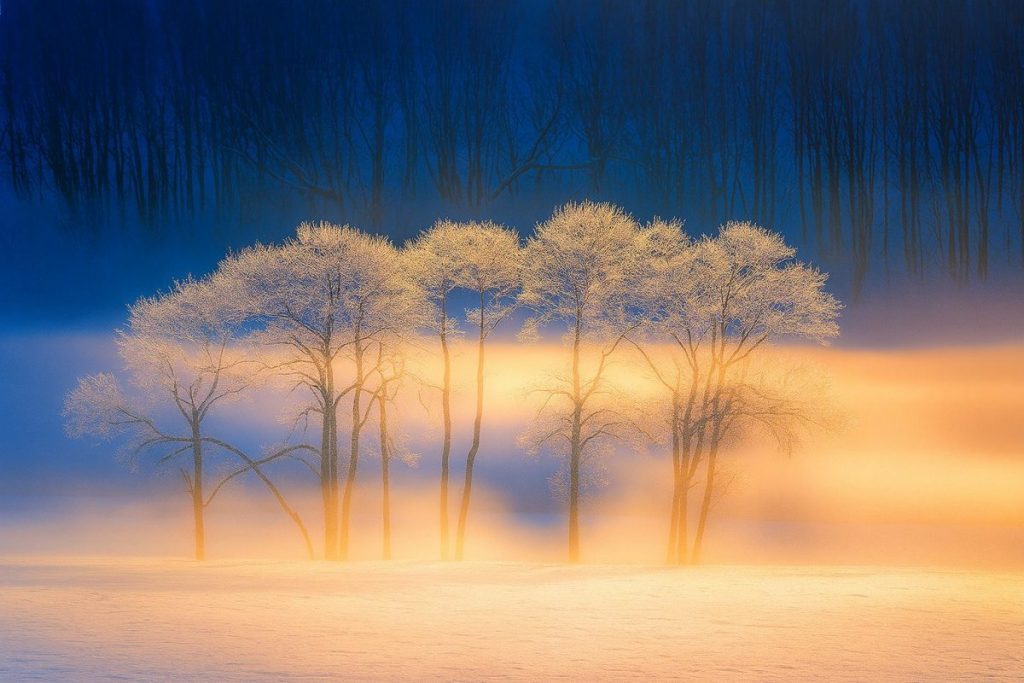
During winter, temperatures can drop below −30°C, and the extreme cold has become a defining characteristic of the region.
The town’s history is rooted in early agricultural settlement, and the opening of the old Furusato Ginga Railway played a significant role in the area’s development.
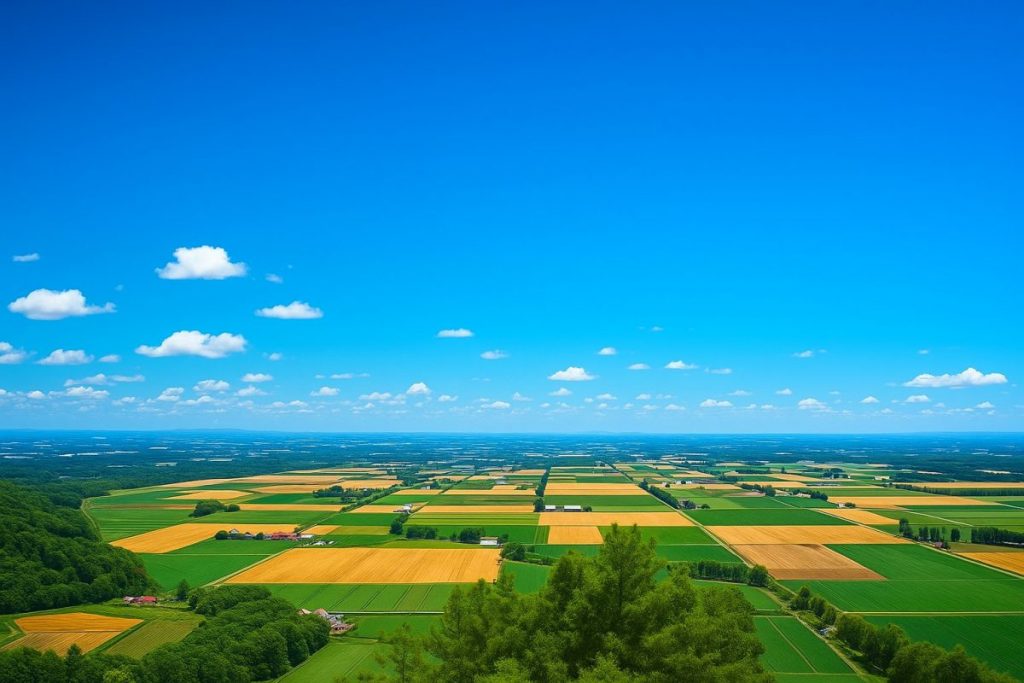
Today, Rikubetsu thrives mainly on agriculture—especially dairy farming—producing high-quality milk and agricultural products nurtured by its pristine natural environment.
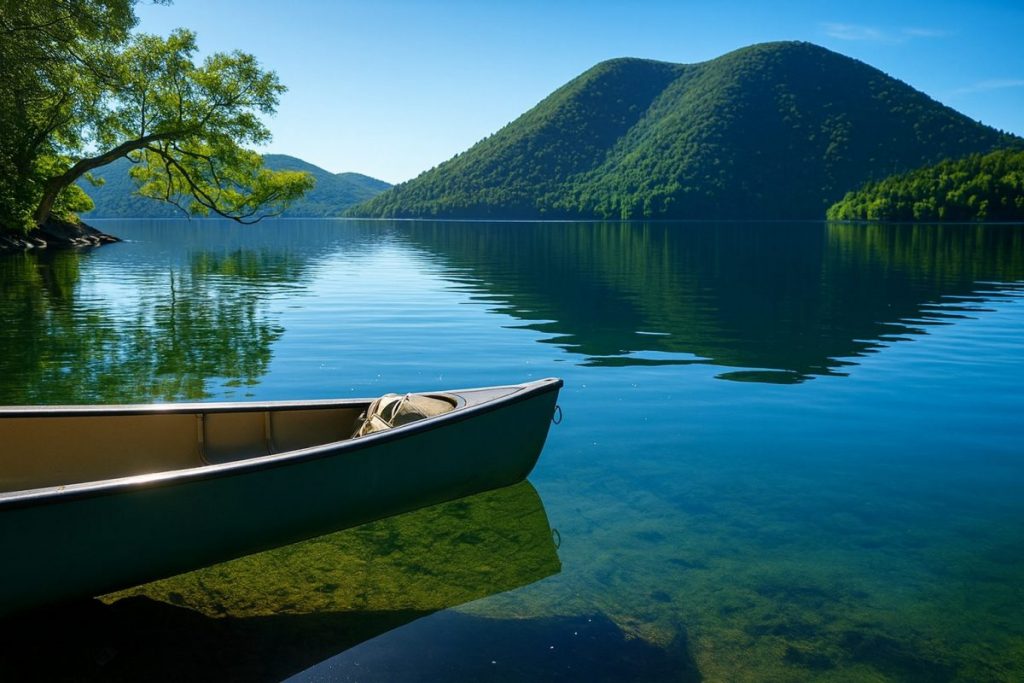
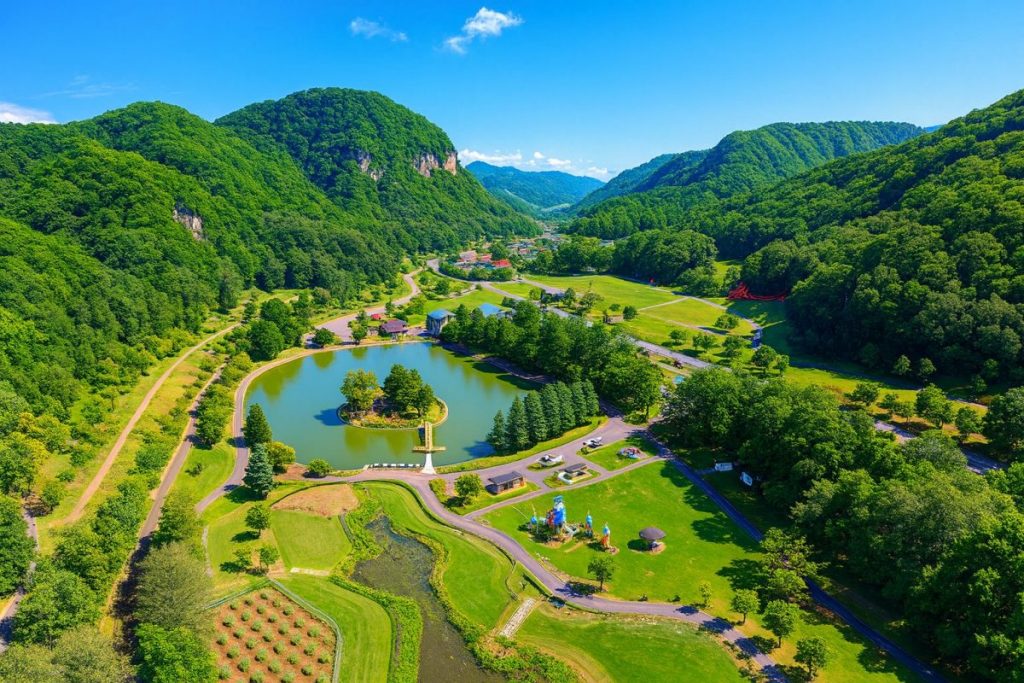
Surrounded by mountains and situated within a basin, the town experiences large temperature swings, resulting in cool summers and severely cold winters.
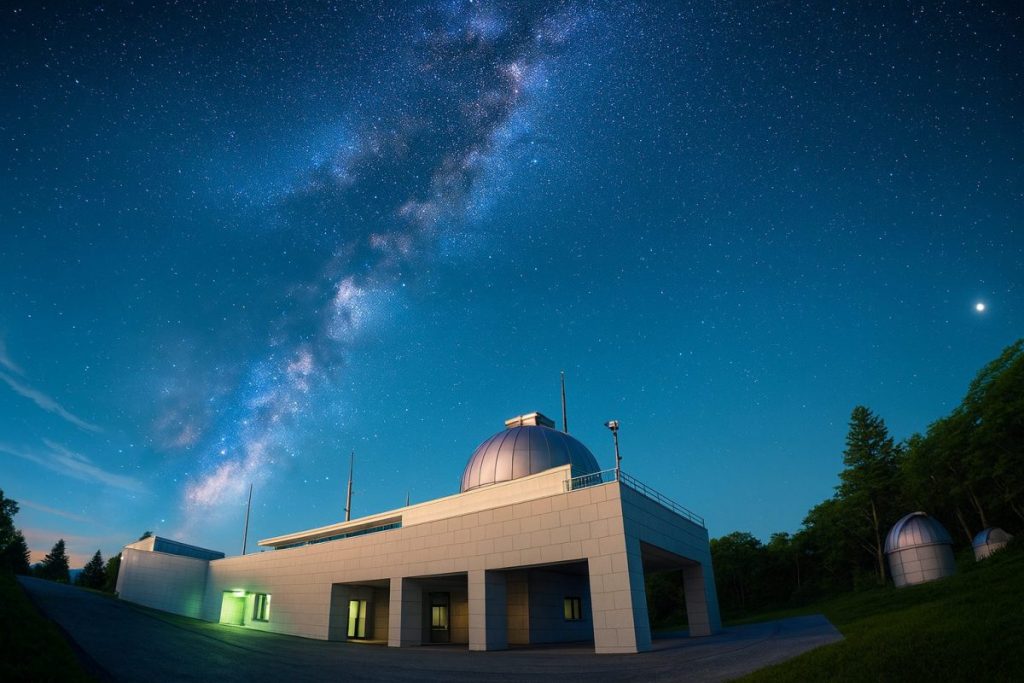
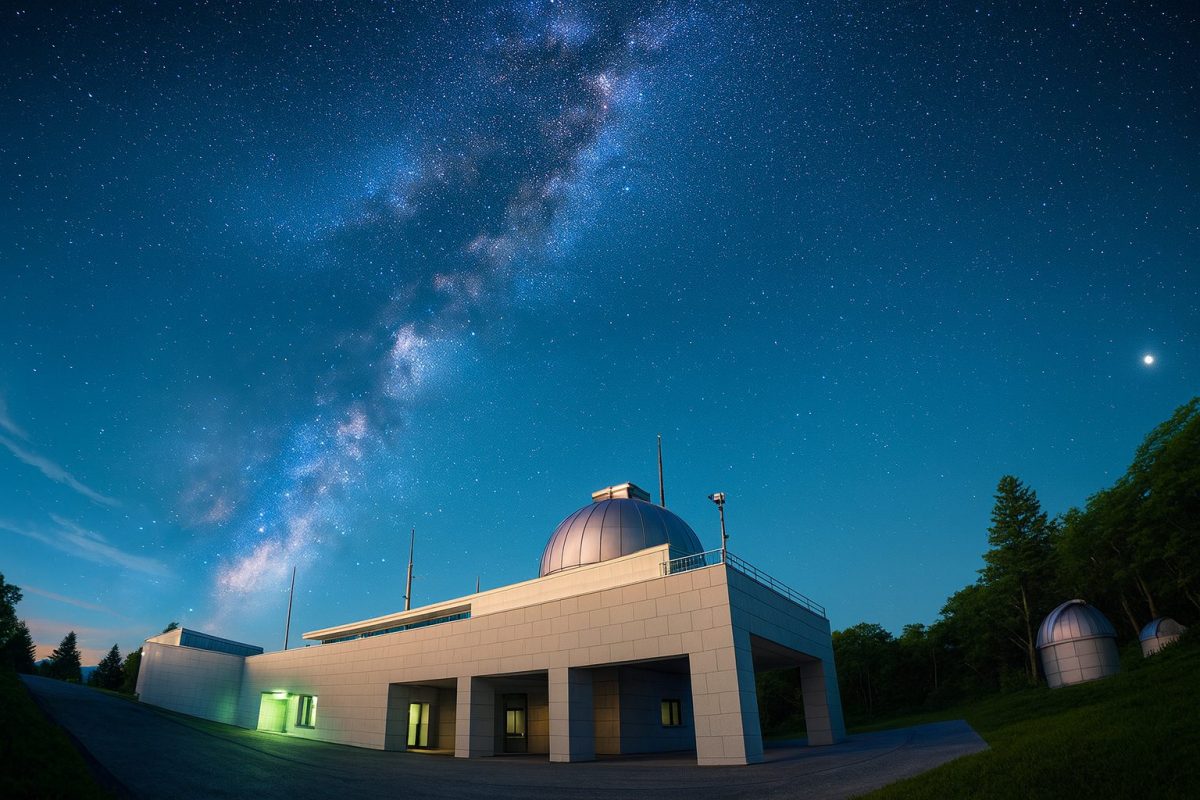
Rikubetsu is also renowned for its exceptionally clear night skies, and the Ginga-no-Mori Observatory has become one of its key attractions.
Visitors can enjoy various outdoor activities such as hiking and camping, while historic facilities, local museums, and the preserved “Rikubetsu Railway” provide opportunities to explore the town’s culture and past.
Rikubetsu’s blend of nature, climate, and community makes it a uniquely memorable destination.
Culture & Traditions
Rikubetsu’s culture has been shaped by its pioneering settlers and by generations of residents who have learned to live in harmony with harsh winter conditions.
One of the town’s most iconic events, the “Shibare Festival,” celebrates Rikubetsu’s extreme cold with attractions such as an ice-cold experience booth that recreates −30°C conditions, ice candles, and winter fireworks.
This festival is a symbol of the town’s identity and attracts visitors from across Japan.
Food culture in Rikubetsu centers around dairy and agricultural products.
Local milk, cheese, and ice cream are particularly well-regarded for their richness and flavor, thanks to the clean air and cool climate.
Hearty dishes made with potatoes, beans, and other locally grown ingredients reflect the region’s simple yet nourishing culinary tradition.
The local dialect follows the intonation patterns of eastern Hokkaido, lending a warm and familiar tone to everyday conversations.
Community-based events are held throughout the year, strengthening the bond among residents and preserving traditional customs.
The town’s culture embodies resilience and cooperation—values that have helped generations thrive despite Rikubetsu’s challenging winters.
Together, these elements form a unique cultural landscape found only in Rikubetsu.
Local Specialties
- Rikubetsu Lavender: Cultivated in small quantities but renowned for its rich fragrance and vibrant color. Lavender products such as potpourri and essential oils are popular souvenirs.
- Rikubetsu Potatoes: Grown in a climate with large temperature variations, producing potatoes with natural sweetness and a fluffy texture. Highly valued within the region.
- Locally Grown Soybeans: Known for their strong flavor and high nutritional value. Often used in miso, tofu, and traditional soybean products.
- Rikubetsu Milk: Produced by local dairy farms, this milk is rich and creamy, forming the foundation of many local dairy items.
- Local Honey: Produced from wildflowers such as lavender and clover, resulting in delicate, aromatic honey.
Annual Events
- Shibare Festival (February): The town’s signature winter event, showcasing ice lanterns, fireworks, and the unique “−30°C experience room” that lets visitors feel true Rikubetsu-style cold.
- Rikubetsu Railway Driving Experience: Held throughout the year on selected dates, allowing visitors to drive actual preserved railcars from the former Furusato Ginga Line.
- Star-Gazing Events at Ginga-no-Mori Observatory: Seasonal events held during clear summer nights. Rikubetsu has some of Japan’s best observing conditions.
- Local Produce Fair: A market-style event featuring fresh vegetables, dairy products, mountain vegetables, and homemade goods from local farmers.
- Autumn Harvest Festival: A celebration of fall harvests with local food stalls, new-crop potatoes, beans, and pumpkins.
Access
- From New Chitose Airport: The most practical route is via Obihiro or Memanbetsu airports, followed by rental car or bus service to Rikubetsu.
- By Rail (JR): Rikubetsu currently has no active rail line. The nearest major stations are Obihiro Station and Kitami Station, both connected by bus or car.
- By Highway Bus: Tokachi Bus and Hokkaido Kitami Bus operate routes connecting Obihiro, Kitami, and Rikubetsu.
- By Rental Car: Renting a car from Obihiro, Kitami, or the airports is the most convenient option for exploring the area.
- By Bicycle: During summer, the area’s gentle hills and scenic nature make for enjoyable cycling routes.
Tourist Spots
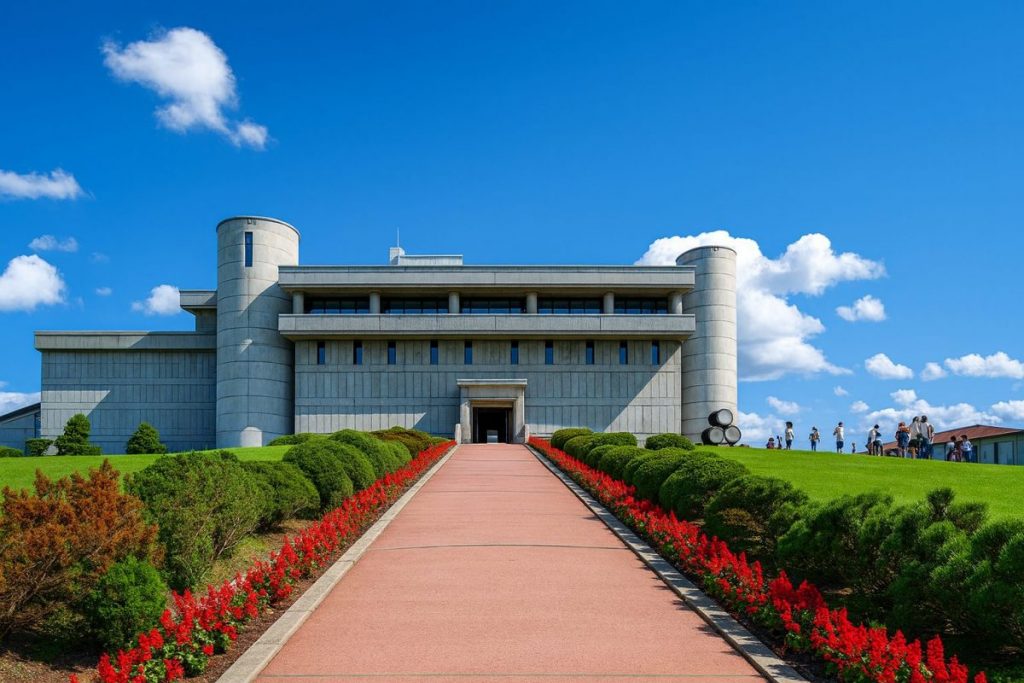
- Ginga-no-Mori Observatory – One of Japan’s largest public observatories, offering astronomy exhibits and night sky viewing.
- Michi-no-Eki Aurora Town 93 Rikubetsu – A roadside station featuring preserved railcars and the popular Rikubetsu Railway driving experience.
- Rikubetsu Circuit – A motorsport venue hosting various driving events and competitions.
- Kankansai Memorial Museum – A facility dedicated to Dr. Kan Kansai, a pioneering physician who contributed to the area’s development.
- Tomamu Area of Rikubetsu – A scenic natural area ideal for hiking, forest bathing, and photography.
Links
List of Major Cities in Hokkaido
-

Which Prefecture Is Kushiro City In? [Answer] Hokkaido | Complete Guide to Kushiro City (Sightseeing, Culture, Local Products & Access)
-
Which Prefecture Is Tomakomai City In? [Answer] Hokkaido | Complete Guide to Tomakomai City (Sightseeing, Culture, Local Products & Access)
-
Which Prefecture Is Abashiri City In? [Answer] Hokkaido | Complete Guide to Abashiri City (Sightseeing, Culture, Local Products & Access)
-
Which Prefecture Is Monbetsu City In? [Answer] Hokkaido | Complete Guide to Monbetsu City (Sightseeing, Culture, Local Products & Access)
-
Which Prefecture Is Wakkanai City In? [Answer] Hokkaido | Complete Guide to Wakkanai City (Sightseeing, Culture, Local Products & Access)
-
Which Prefecture Is Rumoi City In? [Answer] Hokkaido | Complete Guide to Rumoi City (Sightseeing, Culture, Local Products & Access)
-
Which Prefecture Is Sapporo City In? [Answer] Hokkaido | Complete Guide to Sapporo City (Sightseeing, Culture, Local Products & Access)
-
Which Prefecture Is Asahikawa City In? [Answer] Hokkaido | Complete Guide to Asahikawa City (Sightseeing, Culture, Local Products & Access)
-
Which Prefecture Is Otaru City In? [Answer] Hokkaido | Complete Guide to Otaru City (Sightseeing, Culture, Local Products & Access)
-
Which Prefecture Is Muroran City In? [Answer] Hokkaido | Complete Guide to Muroran City (Sightseeing, Culture, Local Products & Access)
-
Which Prefecture Is Obihiro City In? [Answer] Hokkaido | Complete Guide to Obihiro City (Sightseeing, Culture, Local Products & Access)
-
Which Prefecture Is Nayoro City In? [Answer] Hokkaido | Complete Guide to Nayoro City (Sightseeing, Culture, Local Products & Access)
-
Which Prefecture Is Chitose City In? [Answer] Hokkaido | Complete Guide to Chitose City (Sightseeing, Culture, Local Products & Access)
-
Which Prefecture Is Kitami City In? [Answer] Hokkaido | Complete Guide to Kitami City (Sightseeing, Culture, Local Products & Access)
-
Which Prefecture Is Hakodate City In? [Answer] Hokkaido | Complete Guide to Hakodate City (Sightseeing, Culture, Local Products & Access)




Tokachi General Subprefecture List
-
Which Prefecture Is Shimizu Town In? [Answer] Hokkaido | Complete Guide to Shimizu Town (Sightseeing, Culture, Local Products & Access)
-
Which Prefecture Is Shikaoi Town In? [Answer] Hokkaido | Complete Guide to Shikaoi Town (Sightseeing, Culture, Local Products & Access)
-
Which Prefecture Is Otofuke Town In? [Answer] Hokkaido | Complete Guide to Otofuke Town (Sightseeing, Culture, Local Products & Access)
-
Which Prefecture Is Rikubetsu Town In? [Answer] Hokkaido | Complete Guide to Rikubetsu Town (Sightseeing, Culture, Local Products & Access)
-
Which Prefecture Is Ashoro Town In? [Answer] Hokkaido | Complete Guide to Ashoro Town (Sightseeing, Culture, Local Products & Access)
-
Which Prefecture Is Toyokoro Town In? [Answer] Hokkaido | Complete Guide to Toyokoro Town (Sightseeing, Culture, Local Products & Access)
-
Which Prefecture Is Memuro Town In? [Answer] Hokkaido | Complete Guide to Memuro Town (Sightseeing, Culture, Local Products & Access)
-
Which Prefecture Is Urahoro Town In? [Answer] Hokkaido | Complete Guide to Urahoro Town (Sightseeing, Culture, Local Products & Access)
-
Which Prefecture Is Ikeda Town In? [Answer] Hokkaido | Complete Guide to Ikeda Town (Sightseeing, Culture, Local Products & Access)
-
Which Prefecture Is Honbetsu Town In? [Answer] Hokkaido | Complete Guide to Honbetsu Town (Sightseeing, Culture, Local Products & Access)
-
Which Prefecture Is Sarabetsu Village In? [Answer] Hokkaido | Complete Guide to Sarabetsu Village (Sightseeing, Culture, Local Products & Access)
-
Which Prefecture Is Shintoku Town In? [Answer] Hokkaido | Complete Guide to Shintoku Town (Sightseeing, Culture, Local Products & Access)
-
Which Prefecture Is Hiroo Town In? [Answer] Hokkaido | Complete Guide to Hiroo Town (Sightseeing, Culture, Local Products & Access)
-
Which Prefecture Is Makubetsu Town In? [Answer] Hokkaido | Complete Guide to Makubetsu Town (Sightseeing, Culture, Local Products & Access)
-
Which Prefecture Is Obihiro City In? [Answer] Hokkaido | Complete Guide to Obihiro City (Sightseeing, Culture, Local Products & Access)