| population | 13,318 peoples |
|---|---|
| area | 302.92 km² |
| population density | 44 peoples/km² |
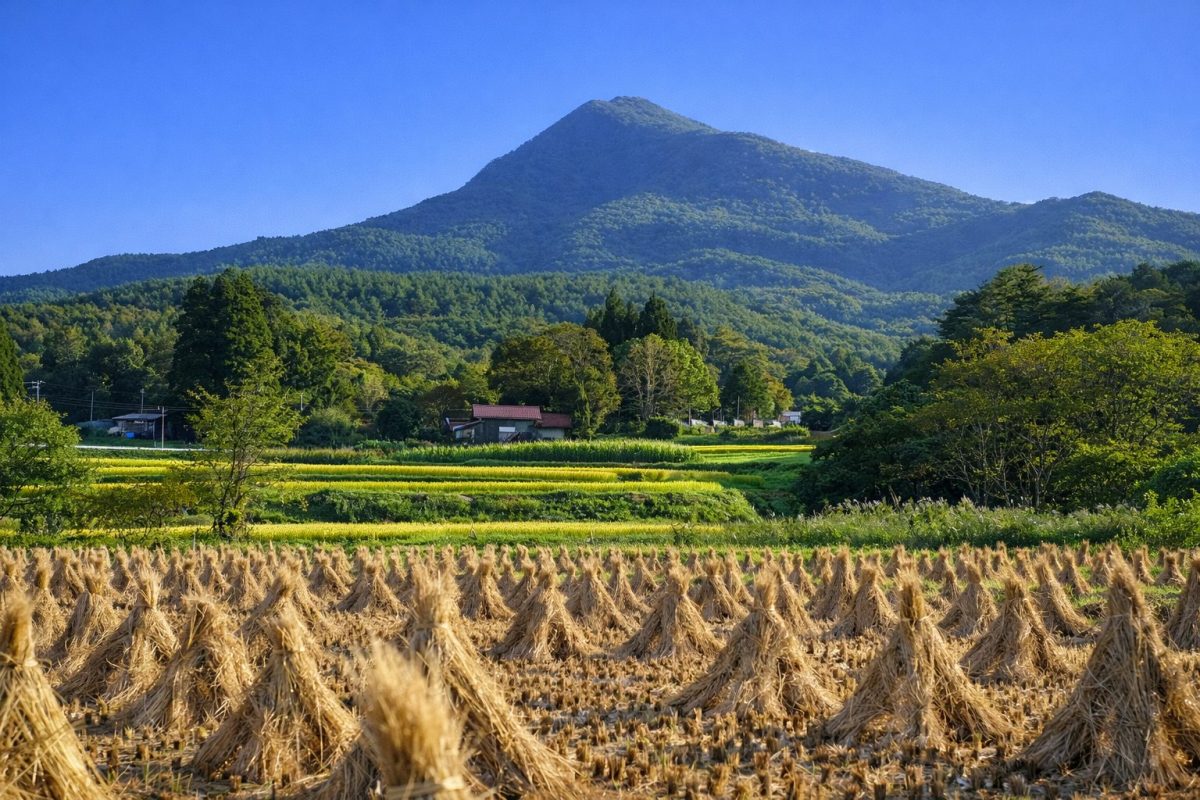
Hirono Town is located at the northernmost edge of the coastal area of Iwate Prefecture, belonging to Kunohe District, and lies in the northern part of the Sanriku region along the Pacific Ocean. The town features a distinctive geography where the eastern area faces the ocean while the western area rises into highland terrain, creating a close coexistence of sea and mountains. Fishing ports and coastal settlements are scattered along the shoreline, while agriculture and livestock farming are practiced inland.
Hirono Town was established in 2006 through the merger of the former Town of Taneichi and the former Village of Ohno. Since then, it has developed as a community where coastal fisheries and inland agriculture coexist. Known for its strong disaster preparedness and community ties, the town continues to pursue sustainable regional development rooted in lessons learned from the Great East Japan Earthquake.
History
During the Edo period, the area that is now Hirono Town was under the control of the Nanbu Domain. Coastal communities developed around fishing activities, while inland areas supported agriculture, horse breeding, and livestock farming. With the implementation of the municipal system in the Meiji era, Taneichi Town and Ohno Village were established and followed separate paths of development.
On January 1, 2006, Taneichi Town and Ohno Village merged to form Hirono Town. The town’s name was chosen through a public call for proposals and is considered an auspicious name symbolizing a new beginning. Following the merger, administrative reorganization and infrastructure development progressed, promoting a unified town structure that makes use of both coastal and inland characteristics.
Culture and Traditions
Hirono Town preserves a unique blend of Sanriku coastal fishing culture and inland rural traditions. In coastal districts, festivals and customs closely tied to fishing seasons remain an important part of local life, reflecting a strong connection between daily living and the sea.
The town is also known for its strong sense of community, which became particularly evident after the Great East Japan Earthquake. A symbolic example is “Hirono Emotion,” a welcoming activity in which residents wave flags and greet the passing sightseeing train TOHOKU EMOTION, expressing gratitude for recovery support. These cultural practices illustrate a way of life that emphasizes coexistence with nature and mutual support.
Local Products
-
Sea Urchin and Abalone:
Coastal fisheries harvest sea urchin and abalone, supported by a resource management approach using artificial “enhancement grooves” carved into coastal rock beds. These structures promote seaweed growth and help sustain marine resources.
Taneichi Fishing Port -
Kelp and Wakame Seaweed:
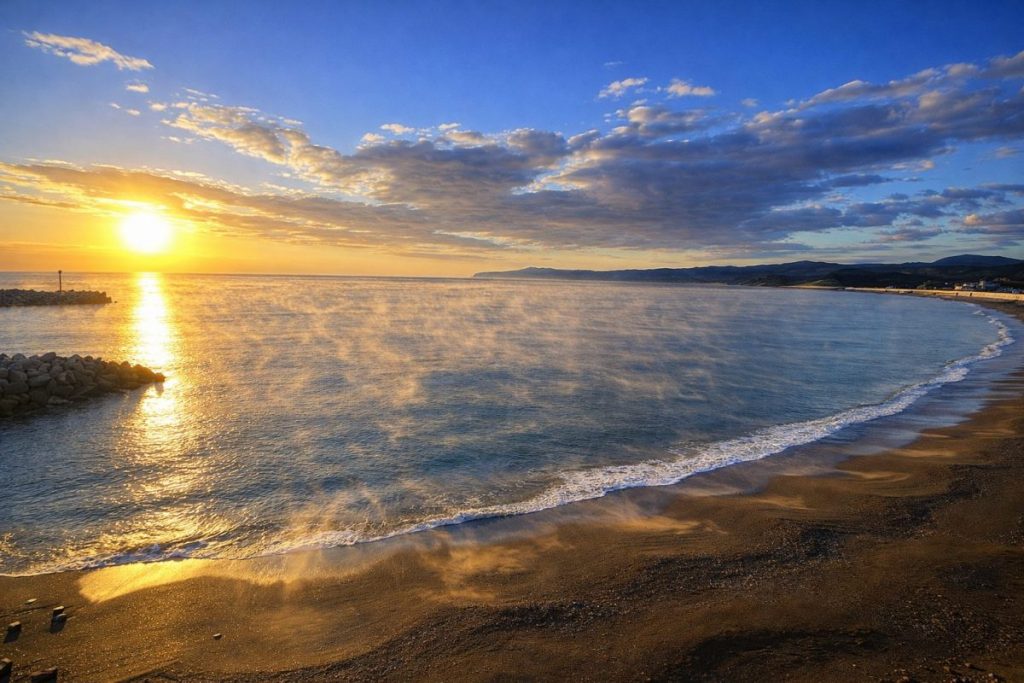
High-quality kelp and wakame are cultivated along the coast, benefiting from nutrient-rich waters and enhancement grooves. These seaweeds are also gaining attention for their role in blue carbon initiatives.
Hirono Town Coastline -
Livestock Products:
The inland Ohno area supports dairy farming and beef cattle production, taking advantage of the cool climate and expansive pastureland.
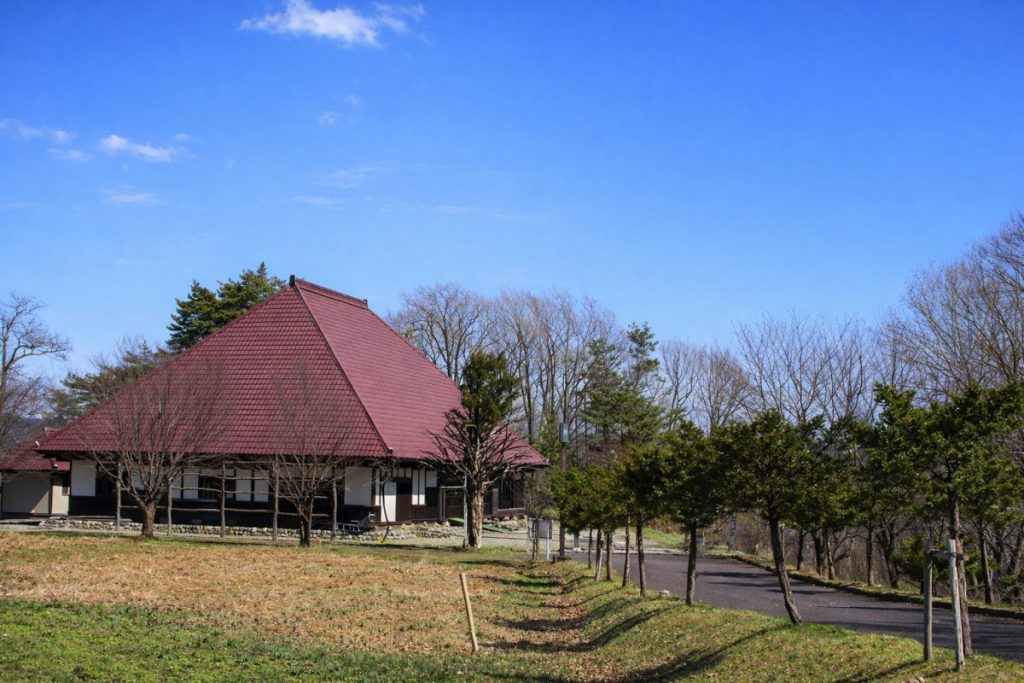
Ohno Campus -
Agricultural Products:
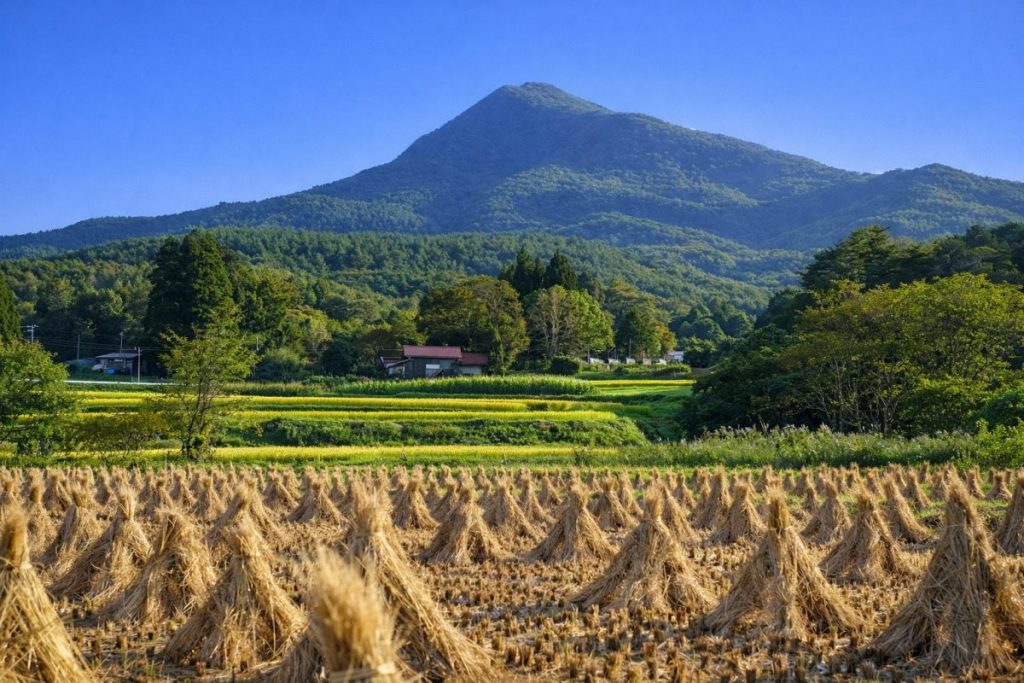
Rice cultivation and vegetable farming are practiced, adapted to the cool summer climate and the influence of the cold “Yamase” winds typical of the region.
Farmland in Hirono Town
Relocation and Living Information
- Daily Convenience: The Taneichi area serves as the administrative and commercial center, offering supermarkets, financial institutions, medical facilities, and government offices.
- Child-Rearing Environment: The town has elementary, junior high, and high schools, providing a community-oriented educational environment with ample opportunities for nature-based learning.
- Medical Services: Municipal hospitals and clinics provide basic healthcare services. Details are available on the official Hirono Town website.
- Housing: Detached houses are common, making the town suitable for families seeking a lifestyle close to nature.
- Living Conditions: Designated as a heavy snowfall area, winter snow management is essential, but organized snow removal systems support daily life.
Climate and Living Environment
- The town has a temperate oceanic climate (Cfb) under the Köppen climate classification.
- Winters are cold with significant snowfall.
- Summers are relatively cool, with few extremely hot days.
- The surrounding ocean and highlands shape the town’s natural scenery and lifestyle.
District Characteristics
- Taneichi Area: The administrative, commercial, and fisheries hub of the town, served by Taneichi Station.
- Yagi Area: A coastal fishing district centered around local ports, with access via Rikuchu-Yagi Station.
- Nakano Area: Located near the Aomori Prefecture border, historically functioning as a transportation node, served by Rikuchu-Nakano Station.
-
Ohno Area: An inland highland zone where agriculture and livestock farming are prominent.
Rikuchu-Ohno
Access
- Railway: JR Hachinohe Line: Kakunohama Station – Taneichi Station – Rikuchu-Yagi Station – Rikuchu-Nakano Station
- Roads: National Route 45, Hachinohe–Kuji Expressway
- Buses: Services operated by Iwate Kenpoku Bus and Hirono Town buses connect local districts.
Tourist Attractions
- Hirono Makiba Observatory — An observatory located on a highland plateau.
- Taneichi Seaside Park — A coastal park overlooking the Pacific Ocean.
- Roadside Station Ohno — A community and visitor exchange facility.
Related Links
Iwate Major Cities
This section presents a list of major cities in Iwate Prefecture.
You can access the hub page that consolidates information on Iwate Prefecture’s major cities via the button below.
-

Which Prefecture Is Ninohe City In? [Answer] Iwate Prefecture | Complete Guide to Ninohe City (Sightseeing, Culture, Local Products & Access)
-
Which Prefecture Is Kuji City In? [Answer] Iwate Prefecture | Complete Guide to Kuji City (Sightseeing, Culture, Local Products & Access)
-
Which Prefecture Is Ofunato City In? [Answer] Iwate Prefecture | Complete Guide to Ofunato City (Sightseeing, Culture, Local Products & Access)
-
Which Prefecture Is Miyako City In? [Answer] Iwate Prefecture | Complete Guide to Miyako City (Sightseeing, Culture, Local Products & Access)
-
Which Prefecture Is Kamaishi City In? [Answer] Iwate Prefecture | Complete Guide to Kamaishi City (Sightseeing, Culture, Local Products & Access)
-
Which Prefecture Is Kitakami City In? [Answer] Iwate Prefecture | Complete Guide to Kitakami City (Sightseeing, Culture, Local Products & Access)
-
Which Prefecture Is Hanamaki City In? [Answer] Iwate Prefecture | Complete Guide to Hanamaki City (Sightseeing, Culture, Local Products & Access)
-
Which Prefecture Is Ichinoseki City In? [Answer] Iwate Prefecture | Complete Guide to Ichinoseki City (Sightseeing, Culture, Local Products & Access)
-
Which Prefecture Is Oshu City In? [Answer] Iwate Prefecture | Complete Guide to Oshu City (Sightseeing, Culture, Local Products & Access)
-
Which Prefecture Is Morioka City In? [Answer] Iwate Prefecture | Complete Guide to Morioka City (Sightseeing, Culture, Local Products & Access)
Northern Coastal Regional Development Bureau
This section shows the municipalities within the Kenpoku Regional Development Bureau of Iwate Prefecture.
Click the button to visit the hub page that brings together all municipalities in the Kenpoku region.
-
Which Prefecture Is Kunohe Village In? [Answer] Iwate Prefecture | Complete Guide to Kunohe Village (Sightseeing, Culture, Local Products & Access)
-
Which Prefecture Is Karumai Town In? [Answer] Iwate Prefecture | Complete Guide to Karumai Town (Sightseeing, Culture, Local Products & Access)
-
Which Prefecture Is Hirono Town In? [Answer] Iwate Prefecture | Complete Guide to Hirono Town (Sightseeing, Culture, Local Products & Access)
-
Which Prefecture Is Noda Village In? [Answer] Iwate Prefecture | Complete Guide to Noda Village (Sightseeing, Culture, Local Products & Access)
-
Which Prefecture Is Ichinohe Town In? [Answer] Iwate Prefecture | Complete Guide to Ichinohe Town (Sightseeing, Culture, Local Products & Access)
-
Which Prefecture Is Ninohe City In? [Answer] Iwate Prefecture | Complete Guide to Ninohe City (Sightseeing, Culture, Local Products & Access)
-
Which Prefecture Is Kuji City In? [Answer] Iwate Prefecture | Complete Guide to Kuji City (Sightseeing, Culture, Local Products & Access)