| population | 9,818 peoples |
|---|---|
| area | 300.03 km² |
| population density | 32.7 peoples/km² |
Ichinohe Town is located in the northern part of Iwate Prefecture, Japan, and belongs to Ninohe District. Situated close to the prefectural border with Aomori, the town lies in an inland area characterized by mountainous terrain at the northern edge of the Kitakami Mountains. Numerous rivers belonging to the Mabechi River system flow through the town, shaping both its landscape and historical settlement patterns. From ancient times, these waterways supported agriculture, daily life, and transportation.
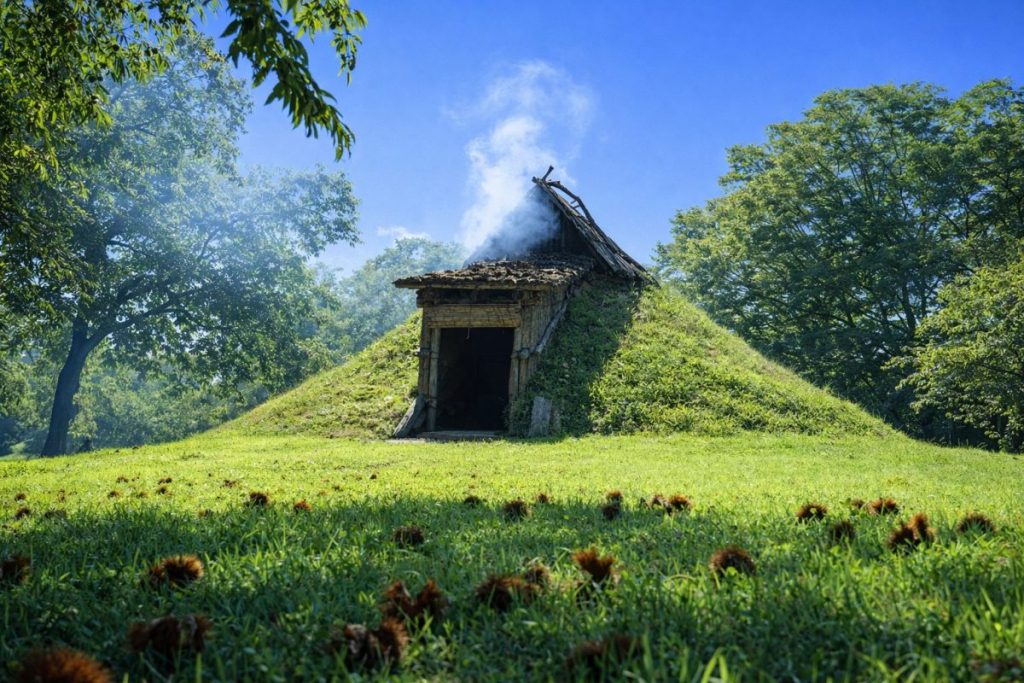
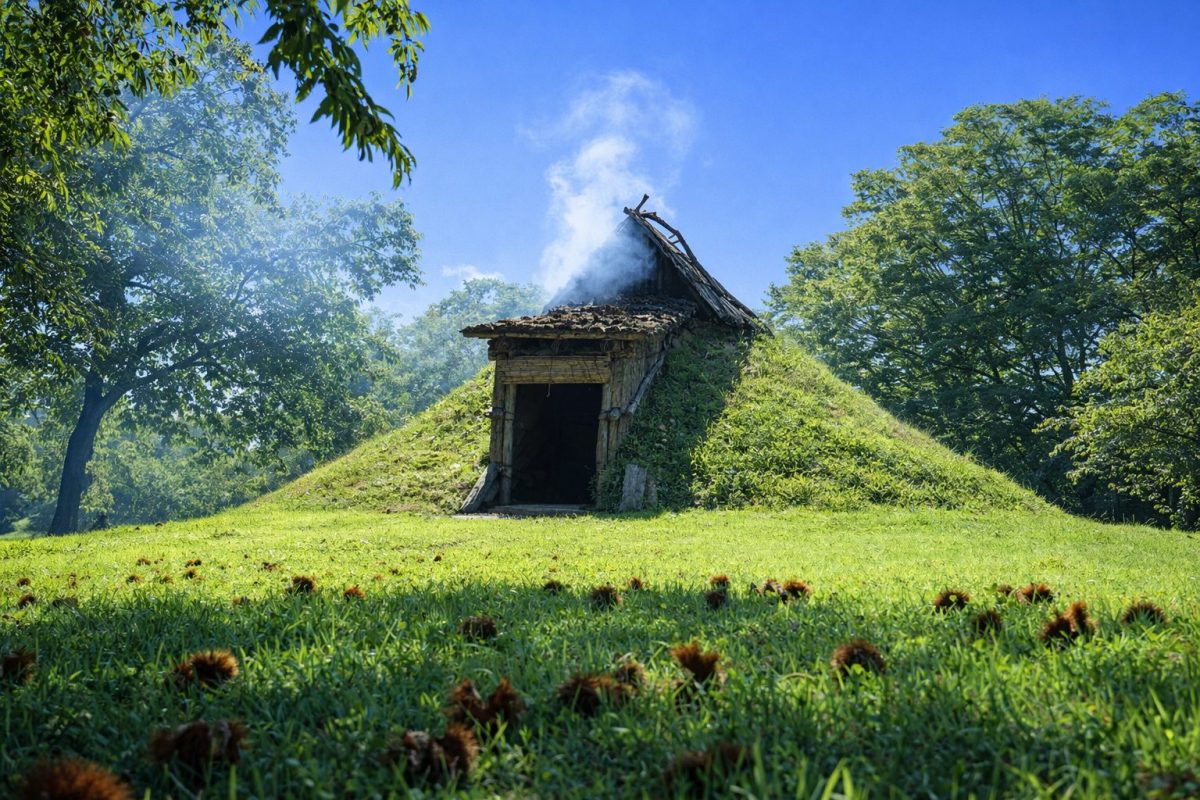
Historically developed as a post town along the Ōshū Kaidō highway, Ichinohe has long functioned as a regional transportation and logistics hub. Even today, railways, expressways, and national highways intersect within the town, connecting it closely with nearby Ninohe City. Rich historical heritage, including the World Heritage–listed Goshono Jōmon Site, coexists with a harsh natural environment typical of heavy snowfall areas, making Ichinohe a quiet town where history, nature, and daily life remain closely intertwined.
History
The area now known as Ichinohe Town has been inhabited since prehistoric times, as evidenced by the Goshono Site, a large-scale settlement dating back to the Middle Jōmon period. This site is recognized nationwide for its archaeological value. During the medieval and early modern periods, the region came under the control of the Nanbu clan, and in the Edo period it prospered as a post town along the Ōshū Kaidō, an important north–south route in northeastern Japan.
With the implementation of the municipal system in 1889, Ichinohe Village and Kōzenji Village merged to form Ichinohe Town. In 1957, further mergers with Anebai, Kotoroya, Toriumi, and Namiuchi villages established the present town boundaries. Since the postwar period, infrastructure development and agricultural modernization have progressed, and today the town continues efforts toward sustainable community development while preserving its historical and cultural identity in the face of population decline.
Culture and Traditions
Ichinohe Town’s culture reflects both its mountain village roots in the Kitakami range and its legacy as a historic highway settlement. Local festivals and annual events are still organized at the community level, maintaining strong ties among residents and reinforcing a sense of shared identity.
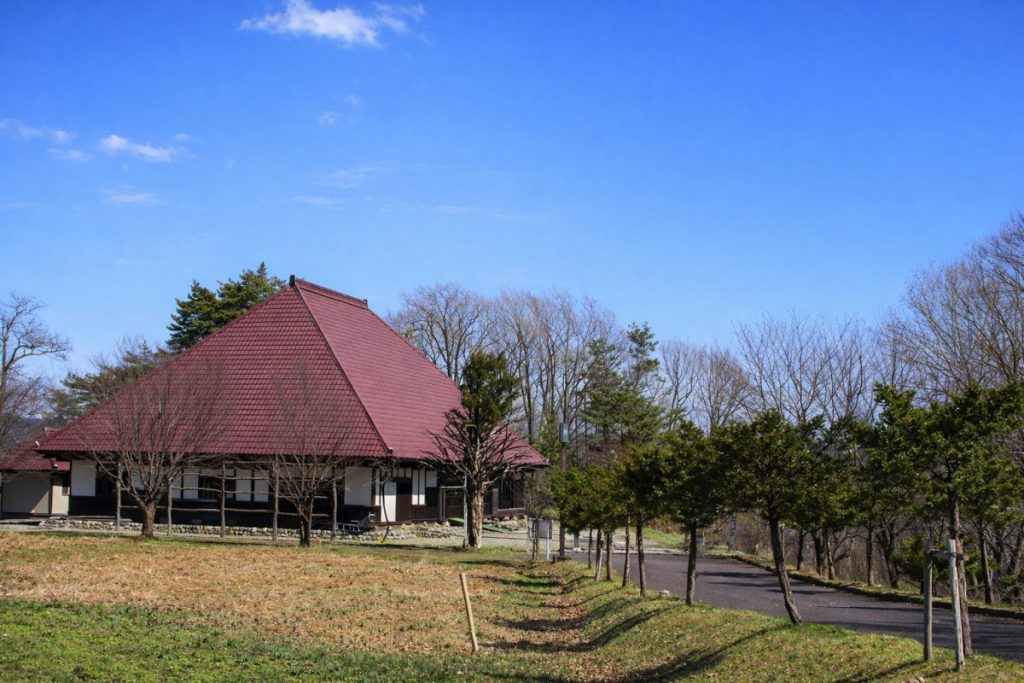
Cultural assets include the nationally designated Important Cultural Property Former Bokudate Residence, which conveys traditional residential architecture, and Bandai-kan, a rare historic movie theater that remains in operation. These sites illustrate everyday life from the modern era to the present and symbolize the town’s respect for cultural continuity. Local customs emphasize harmony with nature, an attitude deeply rooted in daily life and seasonal rituals.
Local Products
-
Rice from Ichinohe:
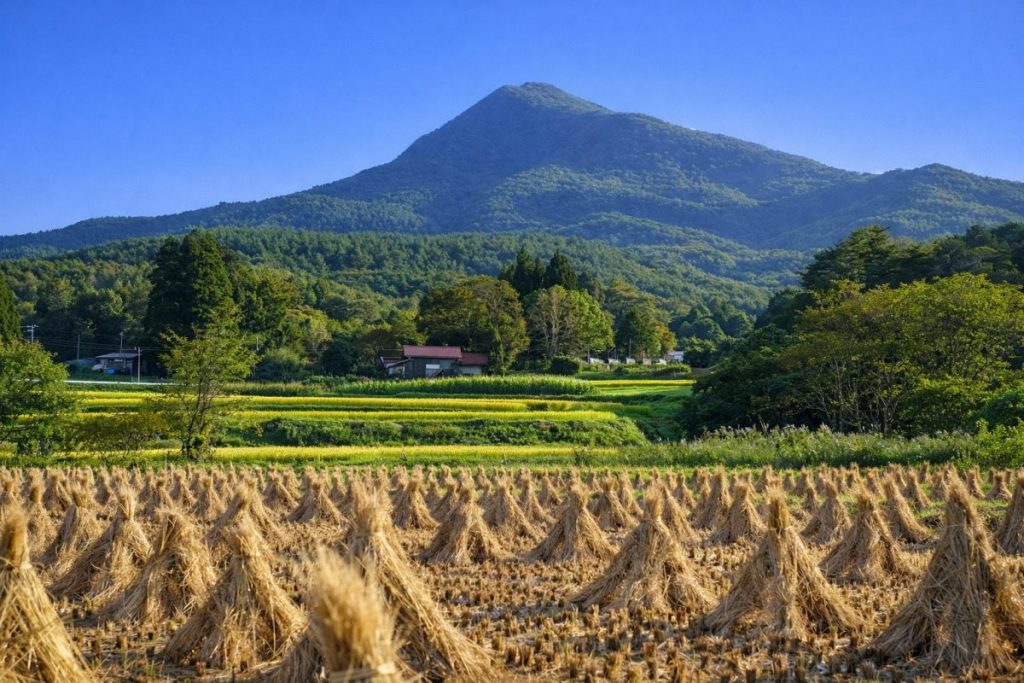
Rice cultivation takes place along the Mabechi River basin and in suitable mountain areas. Cool temperatures and significant day–night temperature differences contribute to a well-balanced flavor and texture. While most production is consumed within the prefecture, rice can also be purchased at local direct-sale outlets.
View rice-growing areas in Ichinohe -
Livestock Products (Beef Cattle):
Ichinohe supports small-scale livestock farming that makes use of mountainous terrain. Beef cattle production is an important agricultural sector, emphasizing sustainable and locally rooted practices.
View livestock farming areas -
Processed Agricultural Goods:
Locally produced miso, pickles, and other processed foods made from regional crops are sold at town facilities and events. These products are typically handmade in small quantities, reflecting local resources and traditions.
View local sales facilities
Living and Relocation Information
- Daily Convenience: Government offices, medical facilities, and shops are concentrated in the town center, allowing most daily needs to be met locally. Access to Ninohe City further enhances convenience.
- Child-Rearing Environment: Elementary and junior high schools are distributed across the town, offering education closely connected to nature and community life.
- Medical Services: Iwate Prefectural Ichinohe Hospital serves as the core medical facility, with cooperation from hospitals in neighboring cities.
- Housing: Detached houses are common, and land prices are relatively stable, making the town suitable for those seeking a quiet, nature-oriented lifestyle.
- Lifestyle Features: As a heavy snowfall area, winter snow management is essential, but organized snow removal systems support everyday life.
Climate and Living Environment
- The town has a humid continental climate (Dfb) under the Köppen classification.
- Winters are cold with heavy snowfall, placing Ichinohe within Japan’s designated heavy snow regions.
- Summers are relatively cool, with few extremely hot days.
- Mountains and rivers strongly shape daily scenery and seasonal life.
District Characteristics
- Ichinohe Area: The administrative and commercial center of the town, centered around Ichinohe Station.
- Kotoroya Area: An agricultural district with settlements clustered near Kotoroya Station.
- Okunakayama Area: A highland district featuring tourism and leisure facilities around Okunakayama Kōgen Station.
Access
- Railway: IGR Iwate Galaxy Railway Line: Ichinohe Station – Kotoroya Station – Okunakayama Kōgen Station
- Roads: National Route 4, Hachinohe Expressway (Ichinohe IC)
- Bus Services: Operated by Iwate Kenpoku Bus, JR Bus Tōhoku, and the town-operated on-demand service “Ikube-go.”
Tourist Attractions
- Goshono Jōmon Site — A World Heritage archaeological site representing a large prehistoric settlement.
- Bandai-kan — A historic movie theater still in operation.
- Okunakayama Kōgen Ski Resort — A major winter recreation area.
Related Links
Iwate Major Cities
This section presents a list of major cities in Iwate Prefecture.
You can access the hub page that consolidates information on Iwate Prefecture’s major cities via the button below.
-

Which Prefecture Is Ninohe City In? [Answer] Iwate Prefecture | Complete Guide to Ninohe City (Sightseeing, Culture, Local Products & Access)
-
Which Prefecture Is Kuji City In? [Answer] Iwate Prefecture | Complete Guide to Kuji City (Sightseeing, Culture, Local Products & Access)
-
Which Prefecture Is Ofunato City In? [Answer] Iwate Prefecture | Complete Guide to Ofunato City (Sightseeing, Culture, Local Products & Access)
-
Which Prefecture Is Miyako City In? [Answer] Iwate Prefecture | Complete Guide to Miyako City (Sightseeing, Culture, Local Products & Access)
-
Which Prefecture Is Kamaishi City In? [Answer] Iwate Prefecture | Complete Guide to Kamaishi City (Sightseeing, Culture, Local Products & Access)
-
Which Prefecture Is Kitakami City In? [Answer] Iwate Prefecture | Complete Guide to Kitakami City (Sightseeing, Culture, Local Products & Access)
-
Which Prefecture Is Hanamaki City In? [Answer] Iwate Prefecture | Complete Guide to Hanamaki City (Sightseeing, Culture, Local Products & Access)
-
Which Prefecture Is Ichinoseki City In? [Answer] Iwate Prefecture | Complete Guide to Ichinoseki City (Sightseeing, Culture, Local Products & Access)
-
Which Prefecture Is Oshu City In? [Answer] Iwate Prefecture | Complete Guide to Oshu City (Sightseeing, Culture, Local Products & Access)
-
Which Prefecture Is Morioka City In? [Answer] Iwate Prefecture | Complete Guide to Morioka City (Sightseeing, Culture, Local Products & Access)
Northern Coastal Regional Development Bureau
This section shows the municipalities within the Kenpoku Regional Development Bureau of Iwate Prefecture.
Click the button to visit the hub page that brings together all municipalities in the Kenpoku region.
-
Which Prefecture Is Kunohe Village In? [Answer] Iwate Prefecture | Complete Guide to Kunohe Village (Sightseeing, Culture, Local Products & Access)
-
Which Prefecture Is Karumai Town In? [Answer] Iwate Prefecture | Complete Guide to Karumai Town (Sightseeing, Culture, Local Products & Access)
-
Which Prefecture Is Hirono Town In? [Answer] Iwate Prefecture | Complete Guide to Hirono Town (Sightseeing, Culture, Local Products & Access)
-
Which Prefecture Is Noda Village In? [Answer] Iwate Prefecture | Complete Guide to Noda Village (Sightseeing, Culture, Local Products & Access)
-
Which Prefecture Is Ichinohe Town In? [Answer] Iwate Prefecture | Complete Guide to Ichinohe Town (Sightseeing, Culture, Local Products & Access)
-
Which Prefecture Is Ninohe City In? [Answer] Iwate Prefecture | Complete Guide to Ninohe City (Sightseeing, Culture, Local Products & Access)
-
Which Prefecture Is Kuji City In? [Answer] Iwate Prefecture | Complete Guide to Kuji City (Sightseeing, Culture, Local Products & Access)