| population | 7,448 peoples |
|---|---|
| area | 992.36 km² |
| population density | 7.51 peoples/km² |
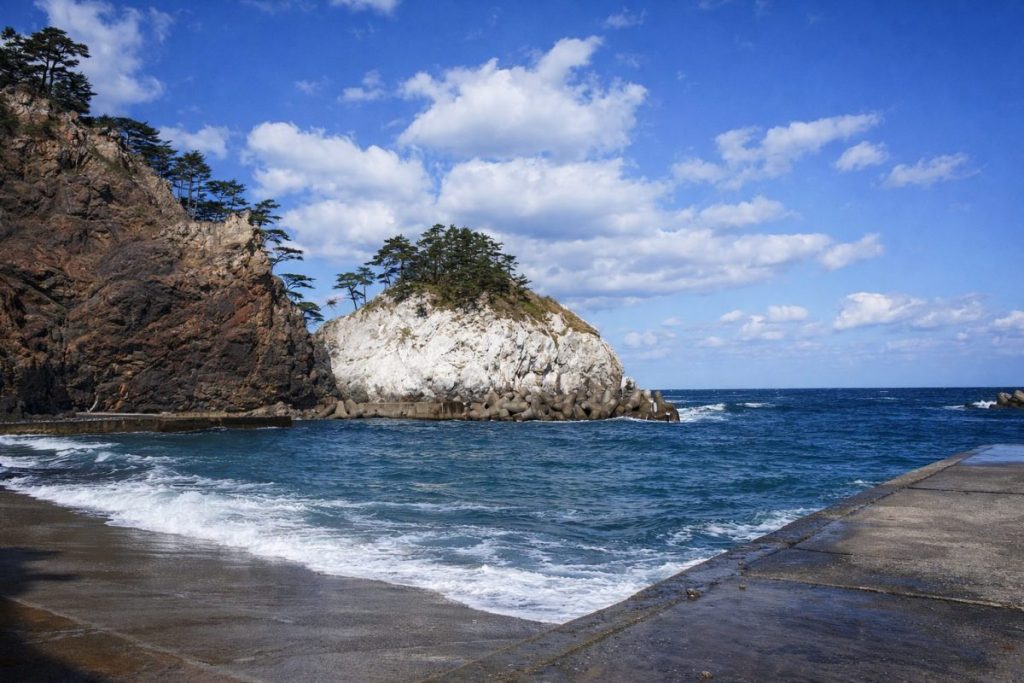
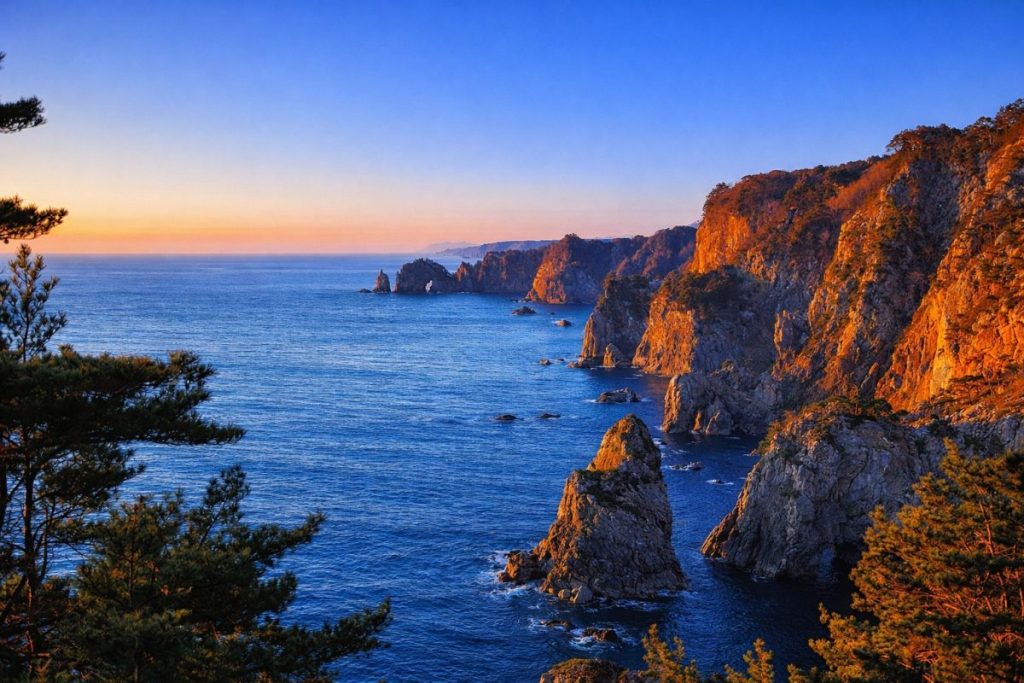
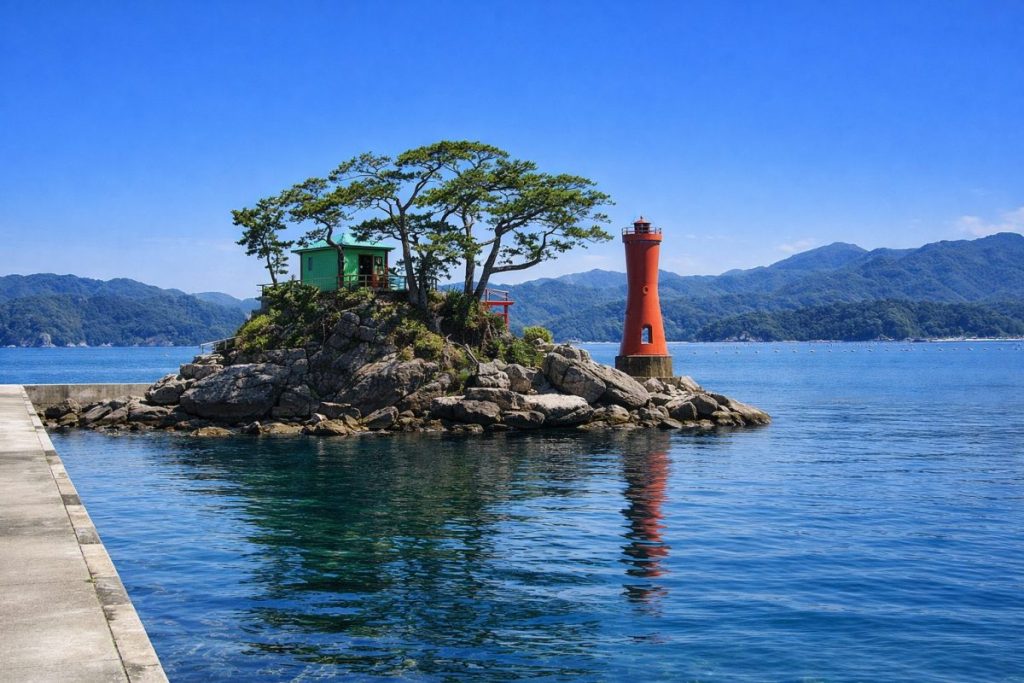
Iwaizumi Town is located in the central to eastern part of Iwate Prefecture and belongs to Shimohei District. With a total area of approximately 992 km², it is the largest town by land area on Honshu. Most of the town is covered by the Kitakami Mountains, characterized by steep mountains, deep valleys, and complex river systems. The eastern Omoto area faces the Pacific Ocean, giving Iwaizumi the rare geographical feature of encompassing both inland mountainous regions and a coastal zone.
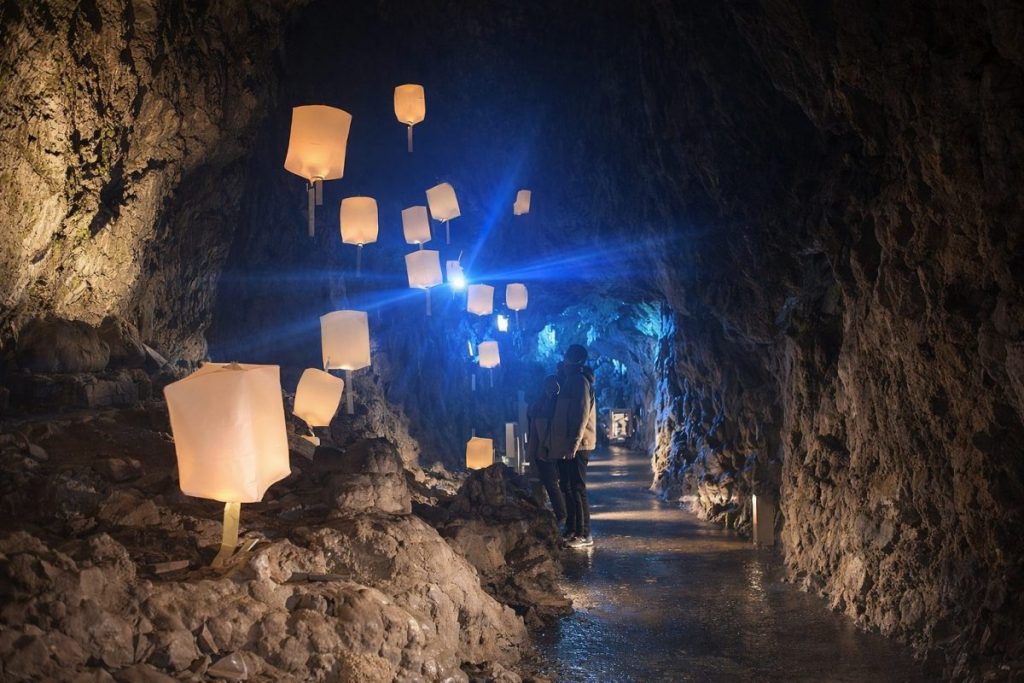
Iwaizumi Town is blessed with abundant and high-quality water resources and has been selected as one of Japan’s “One Hundred Exquisite Waterside Villages.” The town is best known for Ryusendo Cave, one of Japan’s Three Great Limestone Caves, which features crystal-clear underground lakes. These rich natural resources have supported daily life, agriculture, and industry, shaping Iwaizumi as a municipality deeply rooted in harmony with nature.
History
The history of Iwaizumi Town is closely tied to mountain routes connecting inland and coastal areas, as well as the utilization of natural resources. During the early modern period, the area was under the control of the Nanbu Domain, where forestry, mining, and coastal fisheries supported the local economy. Following the municipal system established in the Meiji era, Iwaizumi Village was formed, and in 1922 it was elevated to town status.
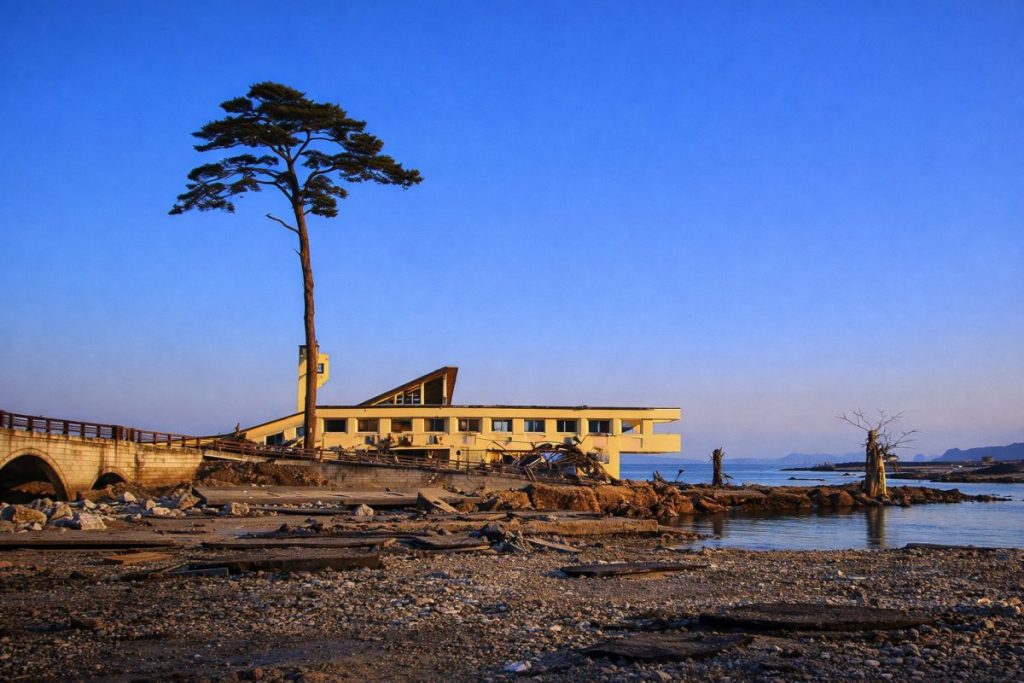
In 1956, Iwaizumi merged with the villages of Akka, Ugei, Okawa, and Omoto, forming the present-day town boundaries. After World War II, primary industries such as dairy farming, livestock raising, and forestry developed steadily, with dairy processing becoming one of the town’s signature industries. The town has also experienced major natural disasters, including the Great East Japan Earthquake in 2011 and severe flooding caused by Typhoon No. 10 in 2016. These events have led to an increased focus on disaster preparedness and resilient community development.
Culture and Traditions
The culture of Iwaizumi Town has been shaped by mountain worship, water-related beliefs, and the traditional lifestyles of farming, forestry, and fishing communities. Shrines and temples associated with caves and mountains are scattered throughout the town, reflecting the close relationship between nature and faith. Ryusendo Cave is not only a major tourist attraction but also a symbolic cultural site for the community.
In the coastal Omoto area, fishing-centered lifestyles have fostered customs and festivals distinct from those of the inland districts. Seasonal activities such as gathering wild mountain vegetables, mushroom foraging, and river fishing remain an important part of daily life, preserving a way of living that coexists closely with the natural environment.
Local Specialties
-
Iwaizumi Yogurt:
A signature product of the town, known for its rich texture produced through low-temperature, long-time fermentation. Made using locally sourced milk and pure water, it is widely recognized both within and outside Iwate Prefecture.
View production site -
Ryusendo Spring Water:
Bottled mineral water drawn from the underground lakes of Ryusendo Cave, renowned nationwide for its clarity and taste. Part of the town’s drinking water supply also originates from this source.
Ryusendo Cave - Japanese Shorthorn Beef: Raised on the grasslands of the Kitakami Mountains, this beef is prized for its lean meat and deep flavor. Iwaizumi is one of the major production areas in the prefecture.
- Matsutake Mushrooms: Harvested from local forests, Iwaizumi’s matsutake mushrooms are highly valued and shipped nationwide during the autumn season.
-
Seafood Products:
Processed seafood made from fish and shellfish landed along the Omoto coast.
Omoto Fishing Port
Living and Relocation Information
- Daily Convenience: The Iwaizumi district serves as the administrative and commercial center, with the town hall, medical facilities, and shops concentrated nearby.
Iwaizumi Town Hall - Child-Rearing Environment: While schools have been consolidated, the town emphasizes small-class education and nature-based learning.
- Medical Services: Healthcare is centered around Saiseikai Iwaizumi Hospital, with clinics distributed across the town.
Saiseikai Iwaizumi Hospital - Housing: Detached houses are common, making the area suitable for families seeking a home close to nature.
- Lifestyle Characteristics: Designated as a heavy snowfall area, winter snow management is essential, though community-based snow removal systems are well established.
Climate and Living Environment
- The inland areas experience large temperature differences between seasons.
- Snowfall is heavy, particularly in mountainous regions.
- Summers are relatively cool, offering comfortable conditions.
- The coastal Omoto area is milder but receives higher precipitation.
Regional Characteristics (By Area)
-
Iwaizumi Area: The administrative, medical, and commercial center of the town.
Iwaizumi Town Hall -
Omoto Area: A coastal district serving as a transportation and fishing hub, centered around Omoto Station.
Iwaizumi-Omoto Station - Akka Area: A mountainous district rich in forests and limestone caves.
-
Okawa Area: Known for its clear streams and scenic valleys, including Okawa Seven Falls.
Okawa Seven Falls
Access
- Railway: Sanriku Railway Rias Line: Iwaizumi-Omoto Station
- Roads: National Route 45, National Route 455
- Bus: JR Bus Tohoku, Iwate Kenpoku Bus, and town-operated buses provide regional access.
Tourist Attractions
- Ryusendo Cave — One of Japan’s three greatest limestone caves, famous for its exceptionally clear underground lakes.
- Akka Cave — One of the longest limestone caves in Japan.
- Hayasaka Plateau — A highland area offering expansive pastoral scenery.
Related Links
Iwate Major Cities
This section presents a list of major cities in Iwate Prefecture.
You can access the hub page that consolidates information on Iwate Prefecture’s major cities via the button below.
-

Which Prefecture Is Ninohe City In? [Answer] Iwate Prefecture | Complete Guide to Ninohe City (Sightseeing, Culture, Local Products & Access)
-
Which Prefecture Is Kuji City In? [Answer] Iwate Prefecture | Complete Guide to Kuji City (Sightseeing, Culture, Local Products & Access)
-
Which Prefecture Is Ofunato City In? [Answer] Iwate Prefecture | Complete Guide to Ofunato City (Sightseeing, Culture, Local Products & Access)
-
Which Prefecture Is Miyako City In? [Answer] Iwate Prefecture | Complete Guide to Miyako City (Sightseeing, Culture, Local Products & Access)
-
Which Prefecture Is Kamaishi City In? [Answer] Iwate Prefecture | Complete Guide to Kamaishi City (Sightseeing, Culture, Local Products & Access)
-
Which Prefecture Is Kitakami City In? [Answer] Iwate Prefecture | Complete Guide to Kitakami City (Sightseeing, Culture, Local Products & Access)
-
Which Prefecture Is Hanamaki City In? [Answer] Iwate Prefecture | Complete Guide to Hanamaki City (Sightseeing, Culture, Local Products & Access)
-
Which Prefecture Is Ichinoseki City In? [Answer] Iwate Prefecture | Complete Guide to Ichinoseki City (Sightseeing, Culture, Local Products & Access)
-
Which Prefecture Is Oshu City In? [Answer] Iwate Prefecture | Complete Guide to Oshu City (Sightseeing, Culture, Local Products & Access)
-
Which Prefecture Is Morioka City In? [Answer] Iwate Prefecture | Complete Guide to Morioka City (Sightseeing, Culture, Local Products & Access)
Coastal Regional Development Bureau
This section presents the municipalities within the Coastal Regional Development Bureau area of Iwate Prefecture.
You can access the hub page that consolidates information on these municipalities via the button below.
-
Which Prefecture Is Fudai Village In? [Answer] Iwate Prefecture | Complete Guide to Fudai Village (Sightseeing, Culture, Local Products & Access)
-
Which Prefecture Is Tanohata Village In? [Answer] Iwate Prefecture | Complete Guide to Tanohata Village (Sightseeing, Culture, Local Products & Access)
-
Which Prefecture Is Iwaizumi Town In? [Answer] Iwate Prefecture | Complete Guide to Iwaizumi Town (Sightseeing, Culture, Local Products & Access)
-
Which Prefecture Is Yamada Town In? [Answer] Iwate Prefecture | Complete Guide to Yamada Town (Sightseeing, Culture, Local Products & Access)
-
Which Prefecture Is Otsuchi Town In? [Answer] Iwate Prefecture | Complete Guide to Otsuchi Town (Sightseeing, Culture, Local Products & Access)
-
Which Prefecture Is Rikuzentakata City In? [Answer] Iwate Prefecture | Complete Guide to Rikuzentakata City (Sightseeing, Culture, Local Products & Access)
-
Which Prefecture Is Ofunato City In? [Answer] Iwate Prefecture | Complete Guide to Ofunato City (Sightseeing, Culture, Local Products & Access)
-
Which Prefecture Is Miyako City In? [Answer] Iwate Prefecture | Complete Guide to Miyako City (Sightseeing, Culture, Local Products & Access)
-
Which Prefecture Is Kamaishi City In? [Answer] Iwate Prefecture | Complete Guide to Kamaishi City (Sightseeing, Culture, Local Products & Access)