| population | 10,606 peoples |
|---|---|
| area | 360.46 km² |
| population density | 29.4 peoples/km² |
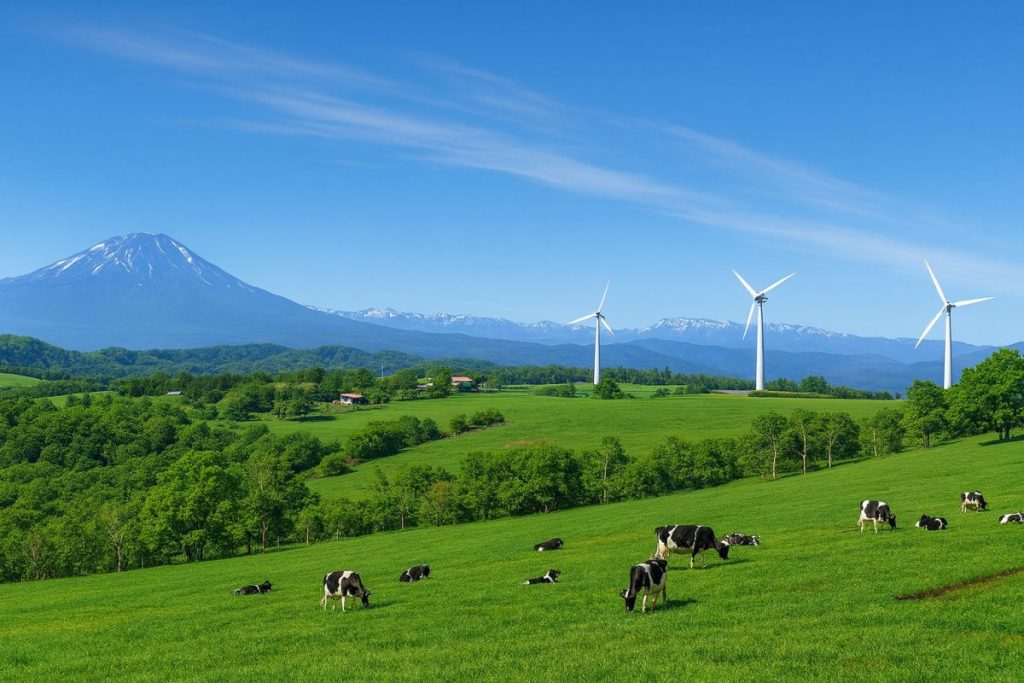
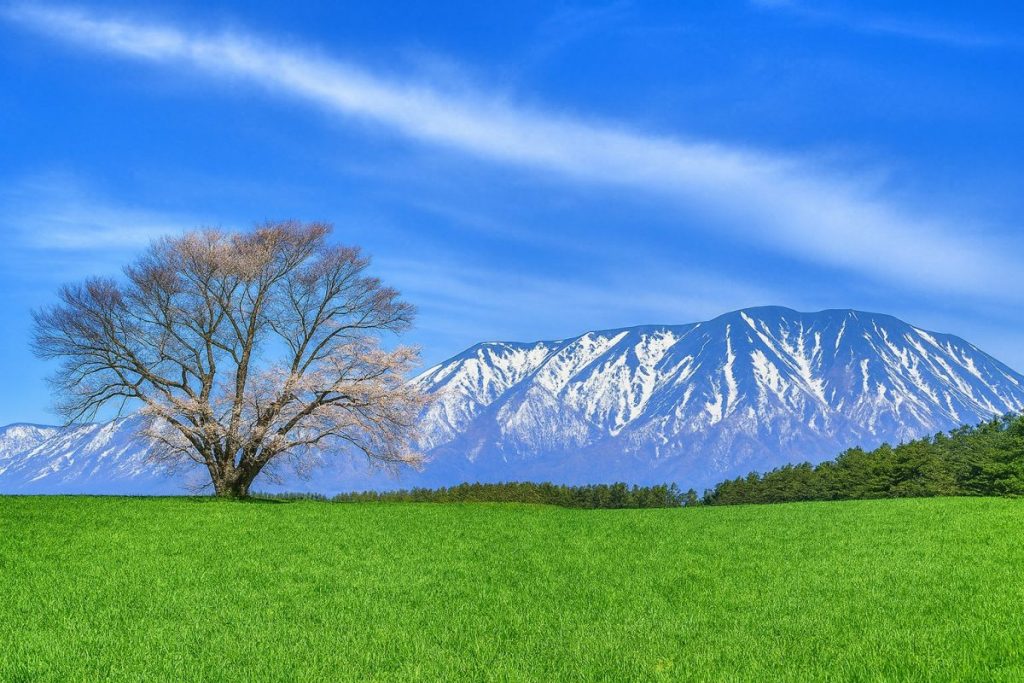
Iwaizumi Town (Iwate-machi) is located in the central to northern part of Iwate Prefecture and belongs to Iwate District. The town lies inland, bordered by the Kitakami Mountains to the east and the Ōu Mountains to the west, with the Kitakami River flowing southward through its central area. This geographical setting, characterized by mountains, river valleys, and basins, has shaped a landscape where agriculture and natural scenery coexist in balance.
Historically centered on the former Numakunai Town, Iwate Town developed as a transportation and regional hub and continues to serve that role today, with both the Tōhoku Shinkansen and conventional railways passing through the area. Under the town slogan, “Created by Us, a Town Full of Smiles,” Iwate Town promotes field hockey—centered on its artificial turf hockey facilities—and sculpture culture, represented by the Ishigami-no-Oka Art Museum. The town is recognized as a calm and livable community where nature, culture, and sports harmoniously coexist.
History
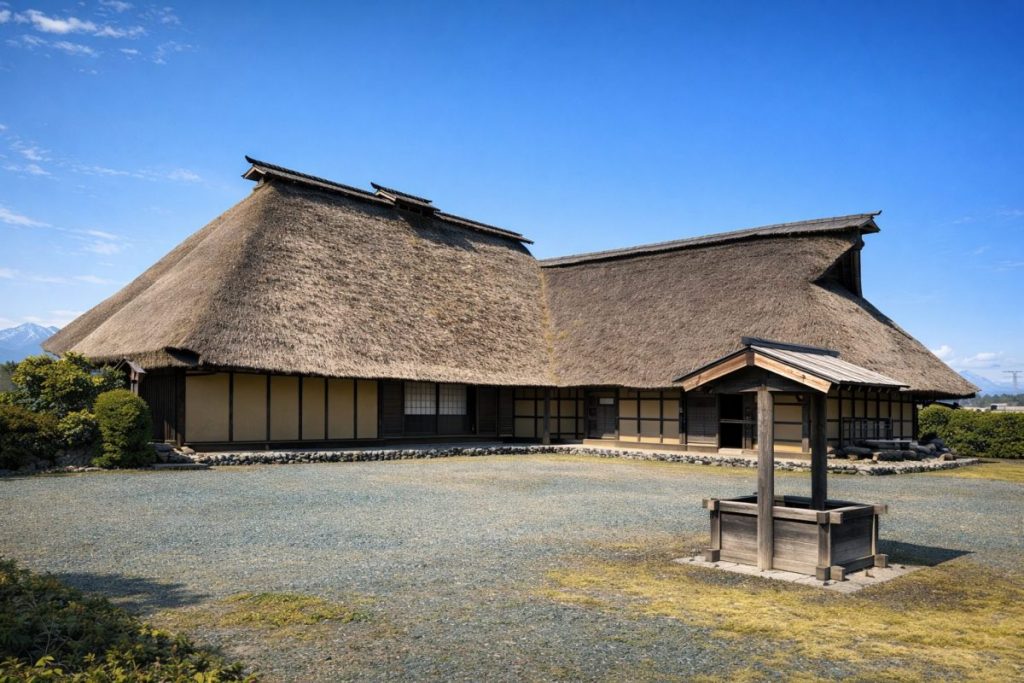
The area that is now Iwate Town was historically part of the territory of the Nanbu Domain and prospered as a post town along the Ōshū Kaidō highway. Following the enforcement of the municipal system in 1889, Numakunai Town and neighboring villages were established, forming local communities based on agriculture and commerce.
On July 21, 1955, Numakunai Town, Ichinohe Village, Kawaguchi Village, and Midō Village merged to form the present Iwate Town in Iwate District. After the merger, administrative functions were consolidated and living infrastructure was developed to promote integrated growth across the town. Although the town has faced population decline since the period of rapid economic growth, it continues to pursue sustainable development by emphasizing its role as a transportation hub and by promoting cultural and sports initiatives.
Culture and Traditions
Iwate Town has preserved rural culture and local customs rooted in its inland environment between the Kitakami and Ōu mountain ranges. One of the town’s key cultural symbols is its sculpture culture centered on the Ishigami-no-Oka Art Museum. The museum features outdoor and indoor exhibitions where contemporary sculptures blend with the surrounding natural landscape, contributing to the town’s scenic character.
The town is also known for its strong commitment to field hockey. Facilities with artificial turf serve as training and competition venues, hosting tournaments and fostering athlete development. These cultural and sports activities play an important role in strengthening community ties and local identity. Life in Iwate Town continues to reflect a close relationship with nature, marked by clearly defined seasonal changes.
Local Specialties
-
Iwate Town Cabbage:
Cabbage grown in Iwate Town benefits from the cool highland climate, resulting in a crisp texture and natural sweetness. It is shipped to markets both inside and outside the prefecture and is also widely used in local school lunches and restaurants.
View cabbage production areas in Iwate Town -
Iwate Town Lettuce:
Valued as a high-quality highland vegetable, lettuce from Iwate Town maintains stable quality even during summer. Its fresh, tender leaves make it popular for commercial and wholesale use, including shipments to metropolitan areas.
View lettuce production areas in Iwate Town -
Gentian Flowers (Rindō):
Iwate Town is one of the leading gentian-producing areas in Iwate Prefecture. Cut flowers are shipped both within and outside the prefecture, with peak season from summer to autumn. They are widely used for Buddhist offerings and ceremonial purposes.
View gentian production areas in Iwate Town -
Iwate Town Rice:
Rice cultivated along the fertile basin of the Kitakami River benefits from rich soil and significant day–night temperature differences. While primarily consumed within the region, it is also available through local direct-sales outlets.
View rice-growing areas in Iwate Town -
Processed Agricultural Products:
Locally produced vegetables are used to create pickles and other processed foods, which are sold mainly at roadside stations and local markets. These products are typically made on a small scale, emphasizing regional ingredients and traditional methods, and are popular as souvenirs.
Roadside Station Ishigami-no-Oka
Living and Relocation Information
- Daily Convenience: The Numakunai area, the town center, concentrates supermarkets, financial institutions, medical facilities, and administrative offices. Access to Morioka City by car or train allows residents to balance local living with urban services.
- Child-Rearing Environment: Several elementary and junior high schools are distributed throughout the town, offering a community-oriented educational environment. Abundant opportunities for nature-based experiences support family life.
- Medical Care: In addition to local medical institutions, residents have access to major hospitals in Morioka City. Details are available on the official Iwate Town website.
- Housing: Land prices are relatively stable, with residential areas primarily consisting of detached houses. The town is well suited for those seeking a home close to nature.
- Lifestyle Characteristics: As a heavy snowfall area, winter snow management is essential, but organized snow removal systems allow residents to enjoy a lifestyle that embraces all four seasons.
Climate and Living Environment
- Inland climate with large temperature differences between summer and winter.
- Significant snowfall during winter, especially in mountainous areas.
- Relatively cool summers, making the season comfortable.
- The Kitakami River and surrounding mountains strongly influence daily scenery and living conditions.
Characteristics by Area
- Numakunai Area: The administrative and commercial center of the town, home to Iwate-Numakunai Station, which serves as a key rail and Shinkansen hub.
- Kawaguchi Area: A riverside district along the Kitakami River, centered on Iwate-Kawaguchi Station.
- Ichinohe Area: A quiet agricultural area characterized by farmland and traditional settlements.
- Midō Area: Located in the southern part of the town, where plains and mountains meet, offering a rich natural environment.
Access
-
Railway:
Tōhoku Shinkansen: Iwate-Numakunai Station
Iwate Galaxy Railway Line: Iwate-Kawaguchi Station – Iwate-Numakunai Station – Midō Station - Roads: National Route 4, National Route 281
- Bus: Services operated by Iwatekenpoku Bus, JR Bus Tōhoku, and the town community bus “Aiai Bus.”
Tourist Attractions
- Ishigami-no-Oka Art Museum — A cultural hub where sculpture and natural scenery blend.
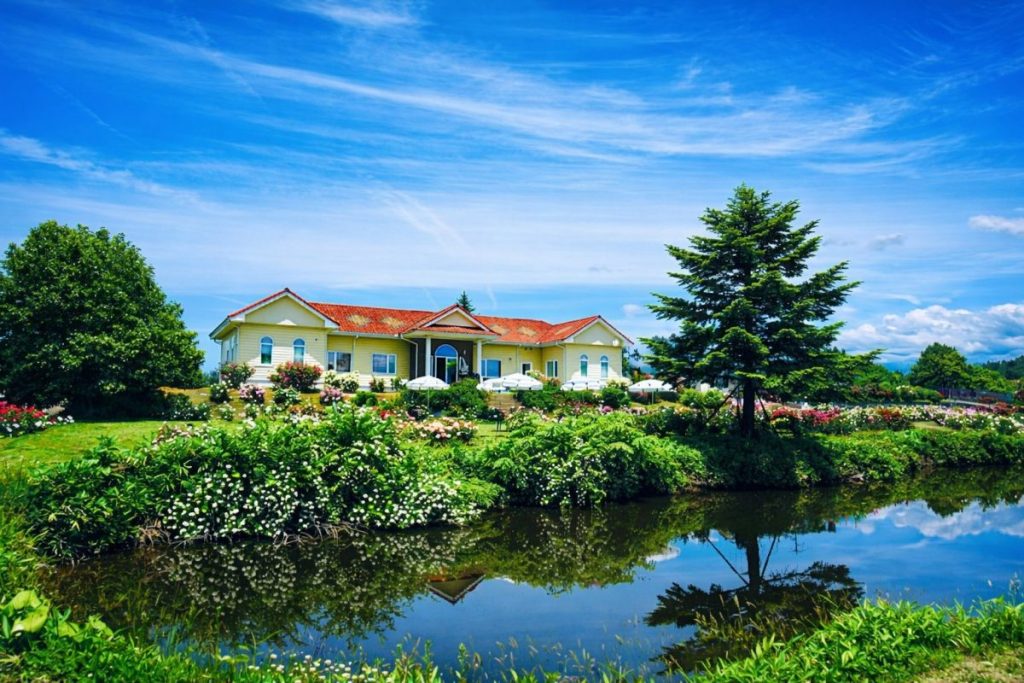
- Roadside Station Ishigami-no-Oka — A rest and exchange facility offering local products.
- Kitakami River — A first-class river flowing through the heart of the town and symbolizing its natural landscape.
Related Links
Iwate Major Cities
-

Which Prefecture Is Ninohe City In? [Answer] Iwate Prefecture | Complete Guide to Ninohe City (Sightseeing, Culture, Local Products & Access)
-
Which Prefecture Is Kuji City In? [Answer] Iwate Prefecture | Complete Guide to Kuji City (Sightseeing, Culture, Local Products & Access)
-
Which Prefecture Is Ofunato City In? [Answer] Iwate Prefecture | Complete Guide to Ofunato City (Sightseeing, Culture, Local Products & Access)
-
Which Prefecture Is Miyako City In? [Answer] Iwate Prefecture | Complete Guide to Miyako City (Sightseeing, Culture, Local Products & Access)
-
Which Prefecture Is Kamaishi City In? [Answer] Iwate Prefecture | Complete Guide to Kamaishi City (Sightseeing, Culture, Local Products & Access)
-
Which Prefecture Is Kitakami City In? [Answer] Iwate Prefecture | Complete Guide to Kitakami City (Sightseeing, Culture, Local Products & Access)
-
Which Prefecture Is Hanamaki City In? [Answer] Iwate Prefecture | Complete Guide to Hanamaki City (Sightseeing, Culture, Local Products & Access)
-
Which Prefecture Is Ichinoseki City In? [Answer] Iwate Prefecture | Complete Guide to Ichinoseki City (Sightseeing, Culture, Local Products & Access)
-
Which Prefecture Is Oshu City In? [Answer] Iwate Prefecture | Complete Guide to Oshu City (Sightseeing, Culture, Local Products & Access)
-
Which Prefecture Is Morioka City In? [Answer] Iwate Prefecture | Complete Guide to Morioka City (Sightseeing, Culture, Local Products & Access)
Morioka Regional Development Bureau
-
Which Prefecture Is Yahaba Town In? [Answer] Iwate Prefecture | Complete Guide to Yahaba Town (Sightseeing, Culture, Local Products & Access)
-
Which Prefecture Is Shiwa Town In? [Answer] Iwate Prefecture | Complete Guide to Shiwa Town (Sightseeing, Culture, Local Products & Access)
-
Which Prefecture Is Iwate Town In? [Answer] Iwate Prefecture | Complete Guide to Iwate Town (Sightseeing, Culture, Local Products & Access)
-
Which Prefecture Is Kuzumaki Town In? [Answer] Iwate Prefecture | Complete Guide to Kuzumaki Town (Sightseeing, Culture, Local Products & Access)
-
Which Prefecture Is Shizukuishi Town In? [Answer] Iwate Prefecture | Complete Guide to Shizukuishi Town (Sightseeing, Culture, Local Products & Access)
-
Which Prefecture Is Takizawa City In? [Answer] Iwate Prefecture | Complete Guide to Takizawa City (Sightseeing, Culture, Local Products & Access)
-
Which Prefecture Is Hachimantai City In? [Answer] Iwate Prefecture | Complete Guide to Hachimantai City (Sightseeing, Culture, Local Products & Access)
-
Which Prefecture Is Morioka City In? [Answer] Iwate Prefecture | Complete Guide to Morioka City (Sightseeing, Culture, Local Products & Access)