| population | 28,119 peoples |
|---|---|
| area | 440.35 km² |
| population density | 63.9 peoples/km² |
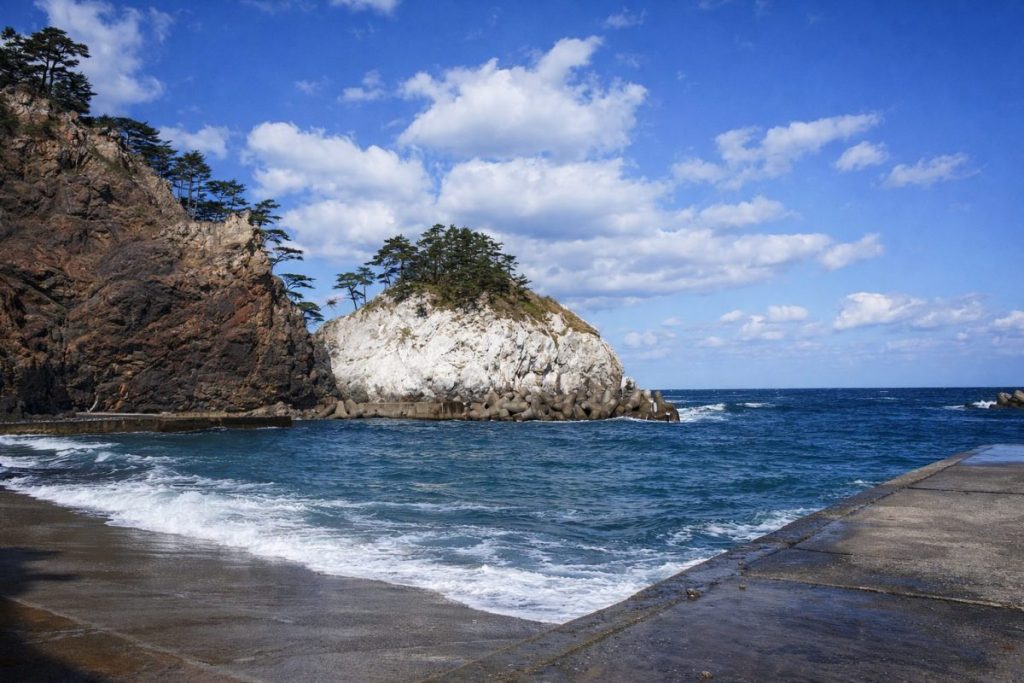
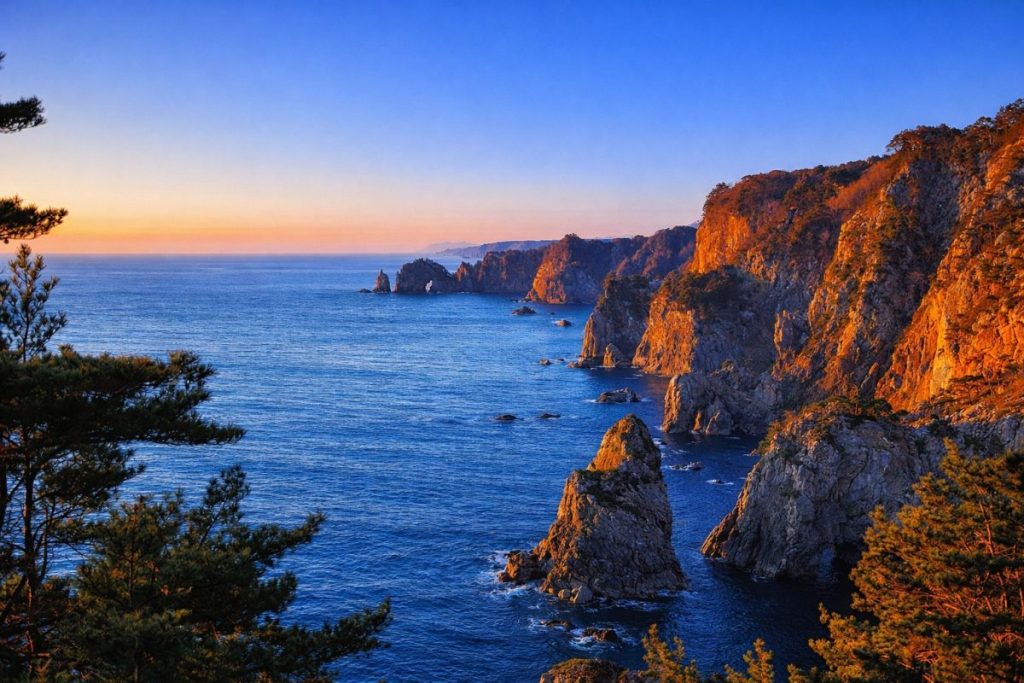
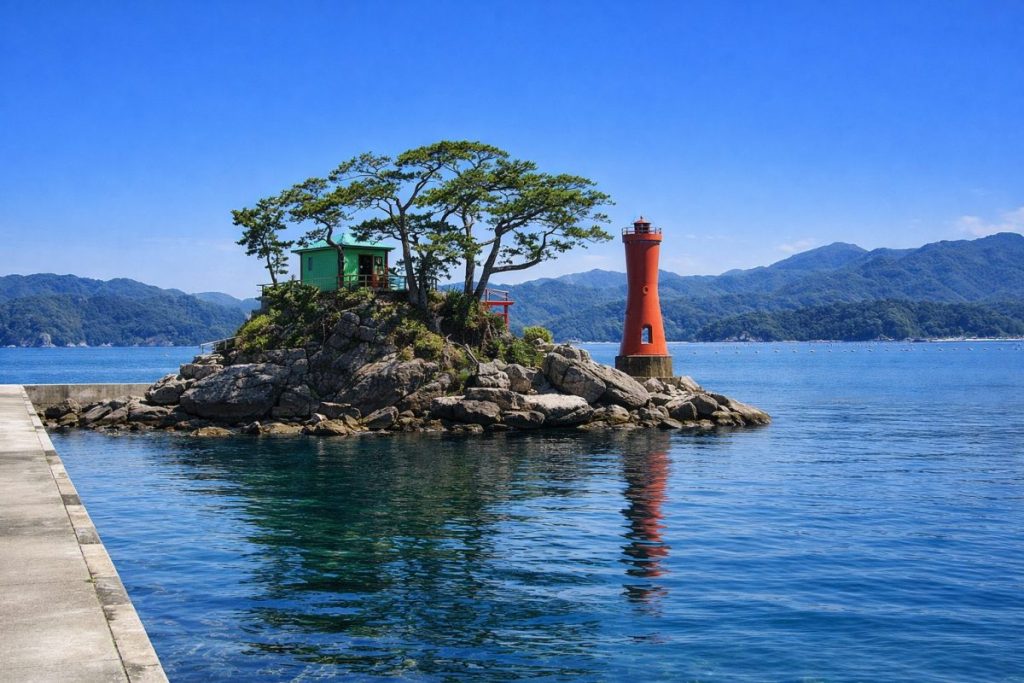
Kamaishi City is located in the southeastern part of Iwate Prefecture, roughly at the center of the Sanriku Coast, facing the Pacific Ocean. The city is characterized by a rugged ria coastline and mountainous terrain, with the Kitakami Mountains rising to the west and the sea opening to the east. Due to this geography, flat land is limited, and urban areas and settlements have historically developed along narrow coastal plains and river valleys. Under these natural conditions, Kamaishi grew as a port town supported by fishing and maritime activities, and later emerged as one of Japan’s leading industrial cities through the development of iron and steel production.
From the late Edo period through the Meiji era, Kamaishi became known as the birthplace of Japan’s modern iron-making industry, and during its peak period the population exceeded 90,000. Today, after recovering from the Great East Japan Earthquake of 2011, the city is pursuing sustainable community development focused on industry, culture, and disaster preparedness, while continuing to coexist with the rich natural environment of the Sanriku coastal region.
History
The history of Kamaishi City is marked by the intersection of a traditional coastal fishing community and the origins of Japan’s modern industrialization. In the late Edo period, a Nanbu Domain retainer, Takato Oshima, succeeded in operating Japan’s first commercial blast furnace, laying the foundation for Kamaishi’s development as a center of iron production. During the Meiji era, the government established an official ironworks in the area, which was later privatized as the Kamaishi Mining Tanaka Ironworks and played a vital role in supporting Japan’s heavy industry.
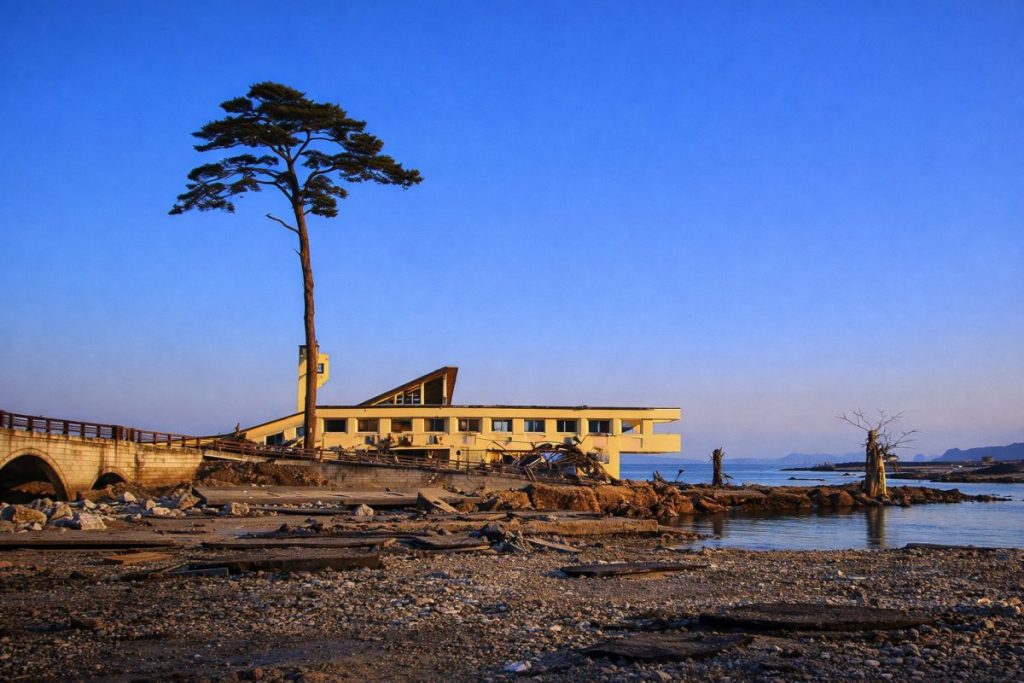
During World War II, Kamaishi suffered devastating damage from naval bombardments that destroyed much of the city and its industrial facilities. After the war, rapid reconstruction and economic growth transformed Kamaishi into one of the major industrial cities in northeastern Japan. In 2011, the Great East Japan Earthquake and tsunami caused severe destruction once again, but large-scale reconstruction projects have since advanced, and the city has rebuilt itself as a disaster-resilient coastal community. Kamaishi’s history reflects repeated cycles of hardship, recovery, and renewal.
Culture and Traditions
Kamaishi’s culture has been shaped by its natural environment of sea and mountains, as well as by strong community bonds formed through labor in fishing and industry. Coastal areas retain lifestyles closely connected to fisheries, while inland districts reflect traditions rooted in forestry and mountain life. One of the city’s representative traditional performing arts is the “Tora-mai” (Tiger Dance), which has long been performed at local festivals to pray for good harvests and abundant catches.
Kamaishi is also widely recognized as a “rugby town.” The company team formerly known as Nippon Steel Kamaishi achieved an unprecedented seven consecutive national championships, a legacy that remains a source of pride for residents. After the 2011 disaster, rugby played an important role in supporting recovery and fostering exchange, reinforcing the sport’s position as a core element of local culture. These cultural practices and values contribute to Kamaishi’s strong sense of solidarity and resilience.
Local Specialties
-
Seafood (Pacific saury, wakame seaweed, scallops):
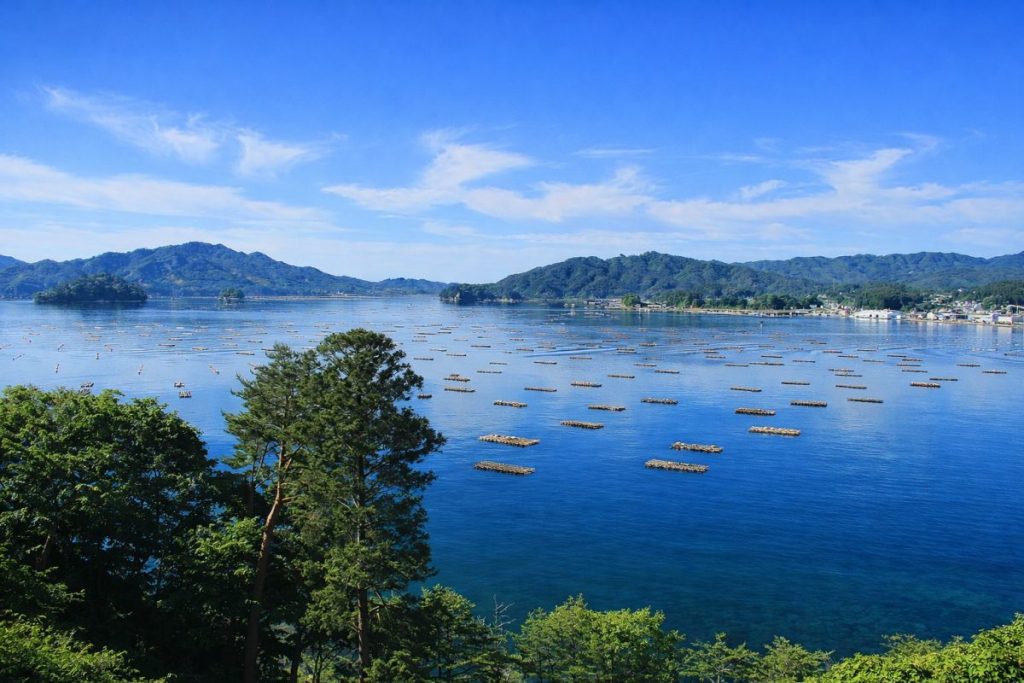
Facing the Sanriku fishing grounds, Kamaishi is blessed with abundant marine resources. Pacific saury, farmed wakame seaweed, and scallops are especially well known for their quality and are distributed nationwide through local processing and markets.
Kamaishi Fishing Port -
Kamaishi Ramen:
A local ramen style characterized by thin noodles and a light soy-based broth. It developed as a practical meal for workers and has become a symbol of the city’s food culture.
Kamaishi Ramen restaurants -
Processed seafood products:
Dried fish and other processed marine products made by local producers are widely available and popular as souvenirs, reflecting small-scale, community-based manufacturing.
Sheep Plaza Kamaishi
Living and Relocation Information
- Daily convenience:Commercial facilities, medical institutions, and public offices are concentrated in the central urban area, making daily life convenient.
- Child-rearing environment:The city has multiple elementary, junior high, and high schools, and promotes education rooted in local communities.
- Medical care:In addition to local clinics and hospitals, a wide-area coastal medical system supports residents. See the official Kamaishi City website for details.
- Housing:Reconstruction housing and established residential areas provide relatively calm living environments.
- Lifestyle characteristics:Snowfall occurs in winter, and coastal climate conditions require preparedness, but disaster awareness and community support are strong.
Climate and Living Environment
- Pacific coastal climate with cool summers and relatively mild winters.
- Snowfall occurs, but is generally lighter than in inland mountainous areas.
- Close proximity to both sea and mountains provides rich natural surroundings.
- Urban planning places strong emphasis on tsunami disaster prevention.
Area Characteristics
- Central Kamaishi:The administrative and commercial core of the city, centered around Kamaishi Station.
- Unosumai Area:A hub of post-disaster reconstruction and rugby culture, home to the Kamaishi Unosumai Reconstruction Stadium.
- Toni Area:A coastal district with fishing villages scattered along the shoreline.
- Kasshi Area:An inland mountainous district with abundant natural landscapes.
Access
- Railway: JR Kamaishi Line and Sanriku Railway Rias Line: Kamaishi Station
- Roads: Kamaishi Expressway, National Route 45
- Buses:Operated by Iwate Prefectural Transportation and local community bus services.
Sightseeing Spots
- Hashino Blast Furnace Ruins — A World Heritage Site representing the origins of Japan’s modern iron industry.
- Kamaishi City Iron and Steel History Museum — A museum dedicated to the city’s industrial heritage.
- Nebama Beach — A scenic beach representing the Sanriku coastline.
Related Links
Iwate Major Cities
This section presents a list of major cities in Iwate Prefecture.
You can access the hub page that consolidates information on Iwate Prefecture’s major cities via the button below.
-

Which Prefecture Is Ninohe City In? [Answer] Iwate Prefecture | Complete Guide to Ninohe City (Sightseeing, Culture, Local Products & Access)
-
Which Prefecture Is Kuji City In? [Answer] Iwate Prefecture | Complete Guide to Kuji City (Sightseeing, Culture, Local Products & Access)
-
Which Prefecture Is Ofunato City In? [Answer] Iwate Prefecture | Complete Guide to Ofunato City (Sightseeing, Culture, Local Products & Access)
-
Which Prefecture Is Miyako City In? [Answer] Iwate Prefecture | Complete Guide to Miyako City (Sightseeing, Culture, Local Products & Access)
-
Which Prefecture Is Kamaishi City In? [Answer] Iwate Prefecture | Complete Guide to Kamaishi City (Sightseeing, Culture, Local Products & Access)
-
Which Prefecture Is Kitakami City In? [Answer] Iwate Prefecture | Complete Guide to Kitakami City (Sightseeing, Culture, Local Products & Access)
-
Which Prefecture Is Hanamaki City In? [Answer] Iwate Prefecture | Complete Guide to Hanamaki City (Sightseeing, Culture, Local Products & Access)
-
Which Prefecture Is Ichinoseki City In? [Answer] Iwate Prefecture | Complete Guide to Ichinoseki City (Sightseeing, Culture, Local Products & Access)
-
Which Prefecture Is Oshu City In? [Answer] Iwate Prefecture | Complete Guide to Oshu City (Sightseeing, Culture, Local Products & Access)
-
Which Prefecture Is Morioka City In? [Answer] Iwate Prefecture | Complete Guide to Morioka City (Sightseeing, Culture, Local Products & Access)
Coastal Regional Development Bureau
This section presents the municipalities within the Coastal Regional Development Bureau area of Iwate Prefecture.
You can access the hub page that consolidates information on these municipalities via the button below.
-
Which Prefecture Is Fudai Village In? [Answer] Iwate Prefecture | Complete Guide to Fudai Village (Sightseeing, Culture, Local Products & Access)
-
Which Prefecture Is Tanohata Village In? [Answer] Iwate Prefecture | Complete Guide to Tanohata Village (Sightseeing, Culture, Local Products & Access)
-
Which Prefecture Is Iwaizumi Town In? [Answer] Iwate Prefecture | Complete Guide to Iwaizumi Town (Sightseeing, Culture, Local Products & Access)
-
Which Prefecture Is Yamada Town In? [Answer] Iwate Prefecture | Complete Guide to Yamada Town (Sightseeing, Culture, Local Products & Access)
-
Which Prefecture Is Otsuchi Town In? [Answer] Iwate Prefecture | Complete Guide to Otsuchi Town (Sightseeing, Culture, Local Products & Access)
-
Which Prefecture Is Rikuzentakata City In? [Answer] Iwate Prefecture | Complete Guide to Rikuzentakata City (Sightseeing, Culture, Local Products & Access)
-
Which Prefecture Is Ofunato City In? [Answer] Iwate Prefecture | Complete Guide to Ofunato City (Sightseeing, Culture, Local Products & Access)
-
Which Prefecture Is Miyako City In? [Answer] Iwate Prefecture | Complete Guide to Miyako City (Sightseeing, Culture, Local Products & Access)
-
Which Prefecture Is Kamaishi City In? [Answer] Iwate Prefecture | Complete Guide to Kamaishi City (Sightseeing, Culture, Local Products & Access)