| population | 7,238 peoples |
|---|---|
| area | 245.82 km² |
| population density | 29.4 peoples/km² |
Karumai Town is located in the northern part of Iwate Prefecture and belongs to Kunohe District. It lies close to the prefectural border with Aomori and is characterized by its inland setting at the northern end of the Kitakami Mountains. The town’s landscape is composed of gently undulating highlands, mountain slopes, and agricultural basins, forming a rural environment shaped by both topography and climate. Karumai is situated approximately 80 kilometers north of Morioka City and has long maintained close ties with nearby urban centers such as Ninohe City and Hachinohe City. As a result, it has functioned as a regional living base for surrounding mountainous and border areas.
Agriculture forms the foundation of Karumai’s economy, supported by its cool climate and large day–night temperature differences. Highland vegetables and floriculture are particularly prominent. Although no railway lines run through the town, expressways and intercity bus routes provide access to major cities within and outside the prefecture. Surrounded by nature yet equipped with essential living infrastructure, Karumai Town offers a calm and stable living environment rooted in its rural character.
History
The area that is now Karumai Town was historically part of the Nanbu Domain from the medieval period through the Edo era. Settlements developed around agriculture, forestry, and the use of mountain resources, forming self-sustaining rural communities. Following the implementation of the municipal system in 1889, several villages—including Karumai Village, Kogarumai Village, and Haruyama Village—were established, laying the groundwork for modern local administration.
In 1925, Karumai Village was elevated to town status, becoming Karumai Town. Later, in 1955, Karumai Town merged with Kogarumai Village and Haruyama Village, forming the present-day municipality. After the merger, administrative functions were consolidated, and infrastructure such as roads, public facilities, and educational institutions was developed to support daily life. While the town has faced population decline in recent decades, efforts continue to maintain essential services and to promote sustainable community development based on agriculture and regional cooperation.
Culture and Traditions
Karumai Town preserves a strong rural culture shaped by its inland mountainous environment. Community ties have traditionally been maintained through village-based cooperation, seasonal agricultural work, and local events. Festivals and communal activities linked to farming cycles and seasonal changes continue to play an important role in strengthening bonds among residents.
Cultural facilities within the town document and pass down local history and folklore, ensuring that traditional knowledge and lifestyles are preserved for future generations. Schools and community organizations emphasize regional heritage and environmental awareness, fostering a shared sense of identity. The spirit of mutual support, particularly vital during the harsh winters characteristic of the area, remains a defining cultural trait of Karumai Town.
Local Products
-
Highland Vegetables (Cabbage and Lettuce):
Karumai Town is known for producing high-quality highland vegetables, especially cabbage and lettuce. The cool climate and large temperature differences contribute to crisp texture and freshness. These vegetables are shipped both within and outside Iwate Prefecture and are used for household consumption as well as commercial purposes.
View agricultural areas in Karumai Town -
Gentian Flowers:
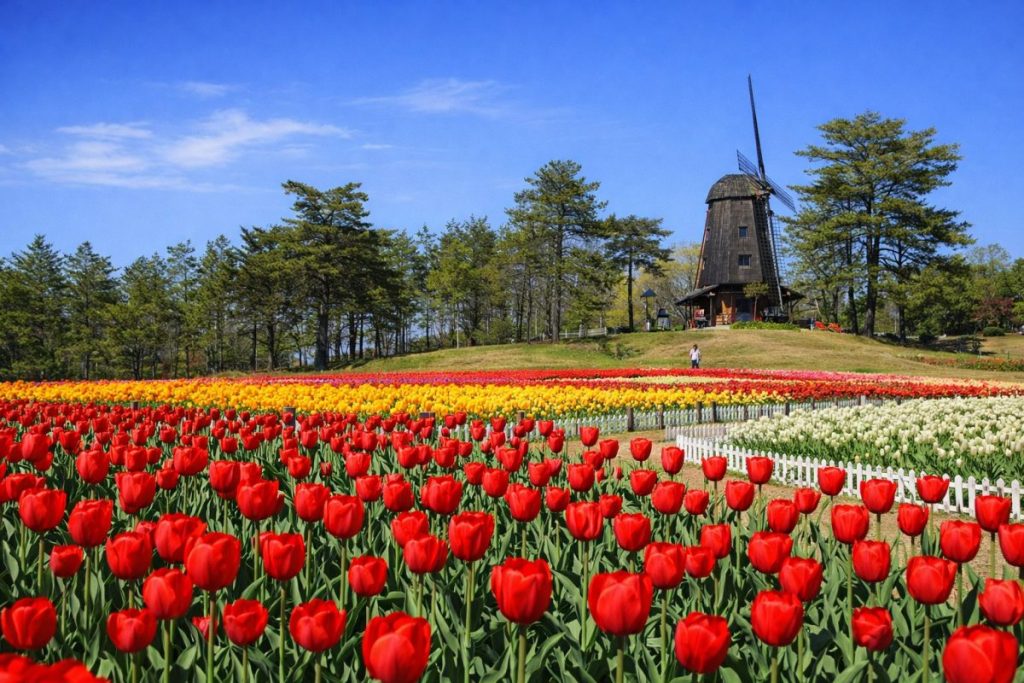
The town is one of the notable gentian-producing areas in Iwate Prefecture. Cut flowers are shipped mainly from summer to autumn and are highly valued for use as Buddhist offerings and gifts. Stable quality has earned local producers a strong reputation.
Gentian growing areas -
Rice and Minor Grains:
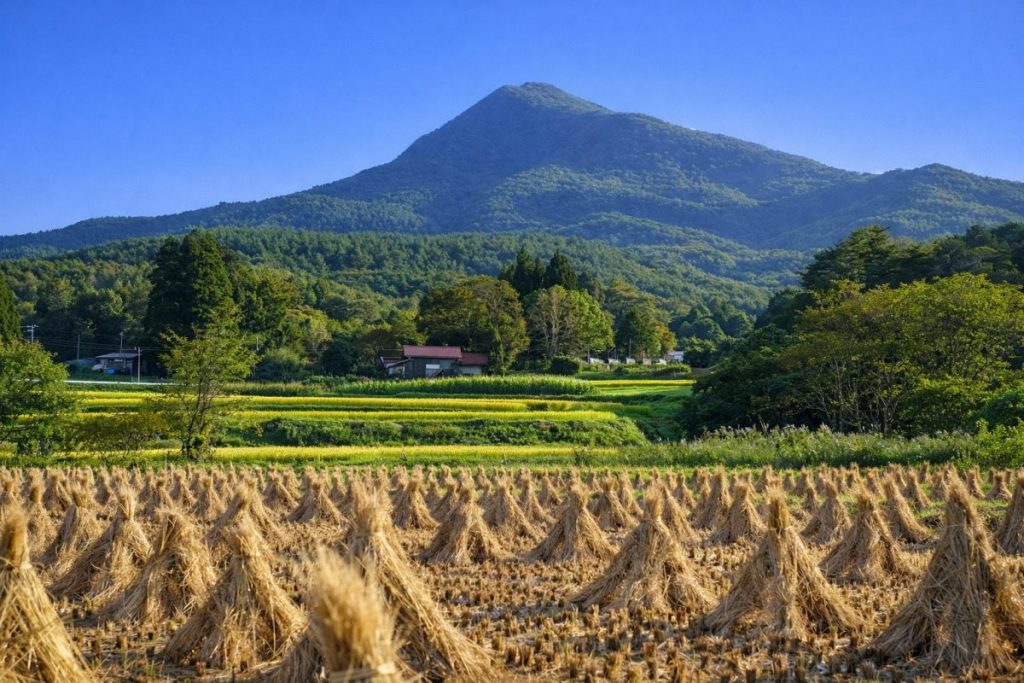
Paddy fields located in basin areas produce rice and traditional grains. While not a large-scale production area, these crops support local consumption and are sold at direct-sales outlets.
View paddy field areas -
Processed Agricultural Products:
Pickles and other processed foods made from locally grown vegetables are produced on a small scale and sold within the town. These products emphasize local ingredients and handmade quality, making them popular as souvenirs.
Local sales facilities in Karumai
Living and Relocation Information
- Daily Convenience: The central Karumai area concentrates essential facilities such as the town office, medical institutions, retail shops, and financial services, allowing residents to meet daily needs within a compact area.
- Child-Rearing Environment: The town provides nursery schools, elementary schools, junior high schools, and a high school, offering a community-based educational environment enriched by nature.
- Medical Services: Iwate Prefectural Karumai Hospital serves as the core medical facility, working in coordination with neighboring municipalities.
- Housing: Land prices remain relatively stable, and detached housing predominates. The area suits households seeking a quiet residential setting close to nature.
- Lifestyle Characteristics: As a designated heavy snowfall area, winter snow management is essential, and the town maintains an organized snow removal system.
Climate and Living Environment
- Inland continental climate with large seasonal temperature differences.
- Cold, snowy winters with significant snowfall.
- Relatively cool summers suitable for agriculture.
- Everyday scenery shaped by mountains, farmland, and rural settlements.
District Characteristics
- Karumai District: The administrative and daily life center, home to the town office and major facilities. Karumai Town Office
- Kogarumai District: An agricultural area featuring expansive farmland and traditional rural scenery.
- Haruyama District: A nature-rich area near mountainous terrain, where agriculture and forestry are practiced.
Access
- Railway: There are no railway lines within the town. The nearest stations are Ninohe Station and Hachinohe Station.
- Road: Karumai Interchange on the Hachinohe Expressway provides access toward Morioka and Hachinohe. National Routes 340 and 395 pass through the town.
- Bus: Intercity and local bus services operated by JR Bus Tohoku, Iwatekenpoku Bus, and Nanbu Bus connect Karumai with Ninohe, Hachinohe, and surrounding areas.
Tourist Attractions
- Ezo and Great Nature Romance Forest — A nature-based recreational facility offering forest experiences and outdoor activities.
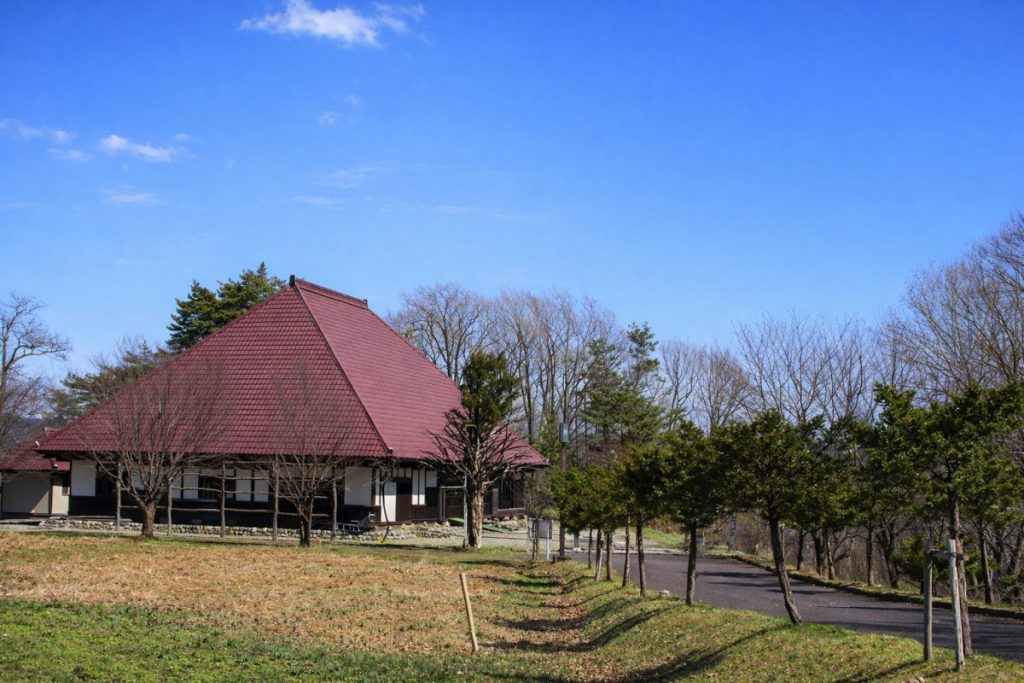
- Karumai Town History and Folklore Museum — Exhibits showcasing the history, culture, and daily life of the region.
- Mount Oritsume — A scenic mountain offering panoramic views of the surrounding area.
Related Links
Iwate Major Cities
This section presents a list of major cities in Iwate Prefecture.
You can access the hub page that consolidates information on Iwate Prefecture’s major cities via the button below.
-

Which Prefecture Is Ninohe City In? [Answer] Iwate Prefecture | Complete Guide to Ninohe City (Sightseeing, Culture, Local Products & Access)
-
Which Prefecture Is Kuji City In? [Answer] Iwate Prefecture | Complete Guide to Kuji City (Sightseeing, Culture, Local Products & Access)
-
Which Prefecture Is Ofunato City In? [Answer] Iwate Prefecture | Complete Guide to Ofunato City (Sightseeing, Culture, Local Products & Access)
-
Which Prefecture Is Miyako City In? [Answer] Iwate Prefecture | Complete Guide to Miyako City (Sightseeing, Culture, Local Products & Access)
-
Which Prefecture Is Kamaishi City In? [Answer] Iwate Prefecture | Complete Guide to Kamaishi City (Sightseeing, Culture, Local Products & Access)
-
Which Prefecture Is Kitakami City In? [Answer] Iwate Prefecture | Complete Guide to Kitakami City (Sightseeing, Culture, Local Products & Access)
-
Which Prefecture Is Hanamaki City In? [Answer] Iwate Prefecture | Complete Guide to Hanamaki City (Sightseeing, Culture, Local Products & Access)
-
Which Prefecture Is Ichinoseki City In? [Answer] Iwate Prefecture | Complete Guide to Ichinoseki City (Sightseeing, Culture, Local Products & Access)
-
Which Prefecture Is Oshu City In? [Answer] Iwate Prefecture | Complete Guide to Oshu City (Sightseeing, Culture, Local Products & Access)
-
Which Prefecture Is Morioka City In? [Answer] Iwate Prefecture | Complete Guide to Morioka City (Sightseeing, Culture, Local Products & Access)
Northern Coastal Regional Development Bureau
This section shows the municipalities within the Kenpoku Regional Development Bureau of Iwate Prefecture.
Click the button to visit the hub page that brings together all municipalities in the Kenpoku region.
-
Which Prefecture Is Kunohe Village In? [Answer] Iwate Prefecture | Complete Guide to Kunohe Village (Sightseeing, Culture, Local Products & Access)
-
Which Prefecture Is Karumai Town In? [Answer] Iwate Prefecture | Complete Guide to Karumai Town (Sightseeing, Culture, Local Products & Access)
-
Which Prefecture Is Hirono Town In? [Answer] Iwate Prefecture | Complete Guide to Hirono Town (Sightseeing, Culture, Local Products & Access)
-
Which Prefecture Is Noda Village In? [Answer] Iwate Prefecture | Complete Guide to Noda Village (Sightseeing, Culture, Local Products & Access)
-
Which Prefecture Is Ichinohe Town In? [Answer] Iwate Prefecture | Complete Guide to Ichinohe Town (Sightseeing, Culture, Local Products & Access)
-
Which Prefecture Is Ninohe City In? [Answer] Iwate Prefecture | Complete Guide to Ninohe City (Sightseeing, Culture, Local Products & Access)
-
Which Prefecture Is Kuji City In? [Answer] Iwate Prefecture | Complete Guide to Kuji City (Sightseeing, Culture, Local Products & Access)