| population | 29,373 peoples |
|---|---|
| area | 623.50 km² |
| population density | 47.1 peoples/km² |
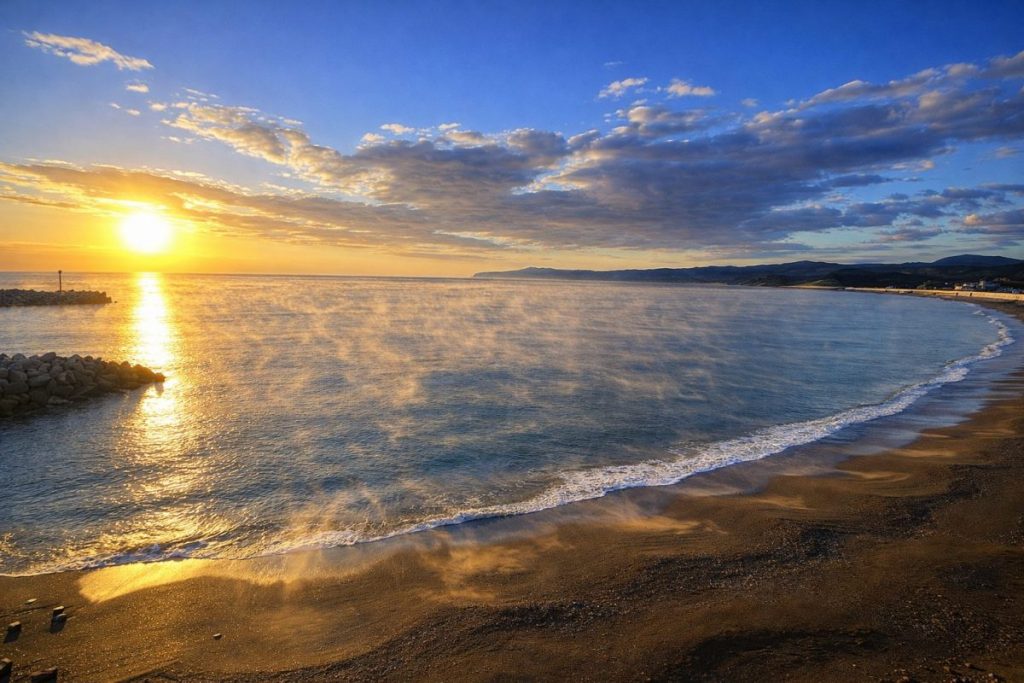
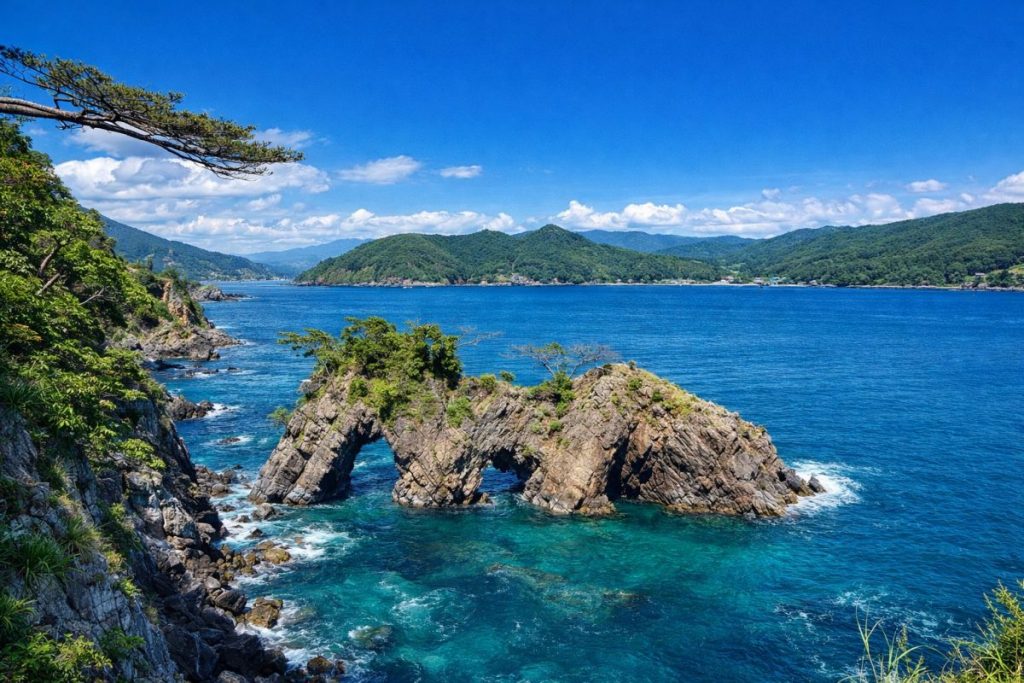
Kuji City is located in the northeastern part of Iwate Prefecture, facing the Pacific Ocean with the Kitakami Mountains rising behind it. The city center lies at the innermost part of Kuji Bay and has historically developed as a port town and regional transportation hub. Kuji forms the northern section of Sanriku Fukko National Park and features a diverse natural environment where rugged coastlines, rivers, and inland highlands coexist.
The city is widely known as the home of Japan’s northernmost active ama divers, often referred to as the “Northern Limit Ama,” who continue traditional free-diving fishing practices. Kuji is also Japan’s largest amber-producing area, where mining, processing, and exhibition are carried out locally. With JR East’s Hachinohe Line and the Sanriku Railway intersecting at Kuji Station, the city functions as a core urban center supporting daily life and economic activity in the surrounding northern coastal region.
History
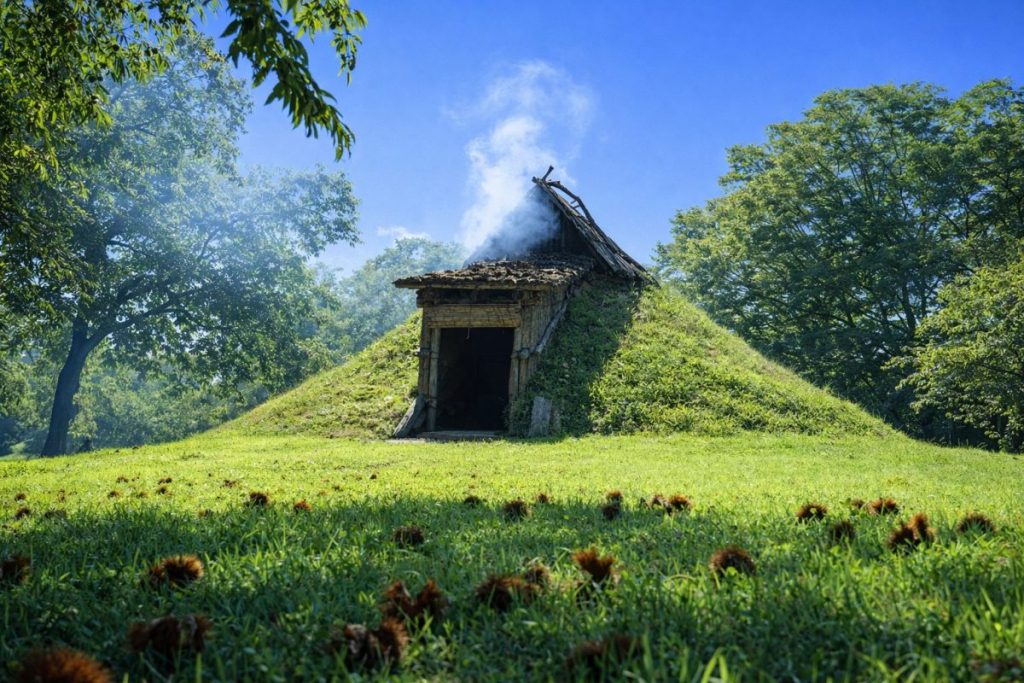
Human settlement in the Kuji area dates back to the Jōmon period. Archaeological sites such as the Hirasawa I and Naka-Osanai sites have yielded numerous amber artifacts, including unfinished beads, indicating that amber craftsmanship was practiced locally. Amber originating from Kuji has also been found at ancient capitals such as Heijō-kyō, suggesting early trade connections with central Japan.
During the medieval period, the Kuji clan ruled the area, and in the Sengoku era the region was involved in conflicts such as the Kunohe Rebellion. In the Edo period, Kuji was part of the Hachinohe Domain, where iron sand resources supported iron production and fisheries sustained coastal communities. The former Kuji City was established in 1954, and in 2006 it merged with the former Yamagata Village to form the present-day city. Despite repeated tsunami disasters and the severe damage caused by the Great East Japan Earthquake in 2011, Kuji has steadily advanced recovery and regional revitalization.
Culture and Traditions
One of Kuji City’s most distinctive cultural assets is its ama diving tradition. Based mainly around Kosode Coast, local ama divers continue traditional breath-hold diving methods, making Kuji one of the few remaining areas in Japan where this practice is still active. Kuji is also nationally renowned for amber, with mining, processing, academic research, and public exhibitions forming an integrated cultural and industrial foundation.
In the field of arts, the Amber Hall, designed by architect Kisho Kurokawa, serves as a cultural hub hosting concerts and performances. Kuji is also the birthplace of legendary judo master Kyuzo Mifune, and under the slogan “City of Judo,” the municipality actively promotes martial arts and sports culture as part of its local identity.
Local Products
-
Kuji Amber:
Kuji is home to Japan’s largest amber deposits, producing high-quality specimens including insect-inclusion amber of significant academic value. Amber is crafted into jewelry and art pieces and also preserved for research and exhibition.
Kuji Amber Museum -
Seafood (Sea Urchin, Salmon, Trout):
Benefiting from rich Pacific fishing grounds, Kuji’s fisheries produce sea urchin, salmon, and trout. Ama-dived sea urchin is particularly well known as a local specialty.
Kosode Coast -
Spinach:
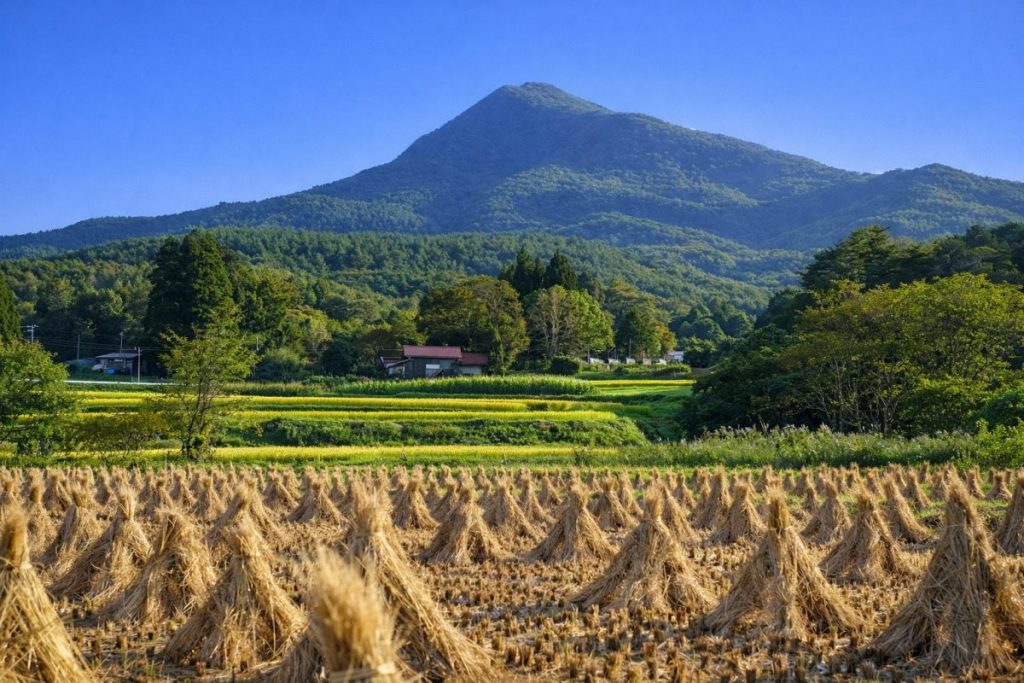
In inland areas, spinach cultivation thrives in the cool climate, and the produce is shipped both within and outside the prefecture.
Kuji Farmland Area -
Local Sake and Processed Foods:
Products made from local agricultural and marine resources, including sake and processed foods, are sold at roadside stations and local shops.
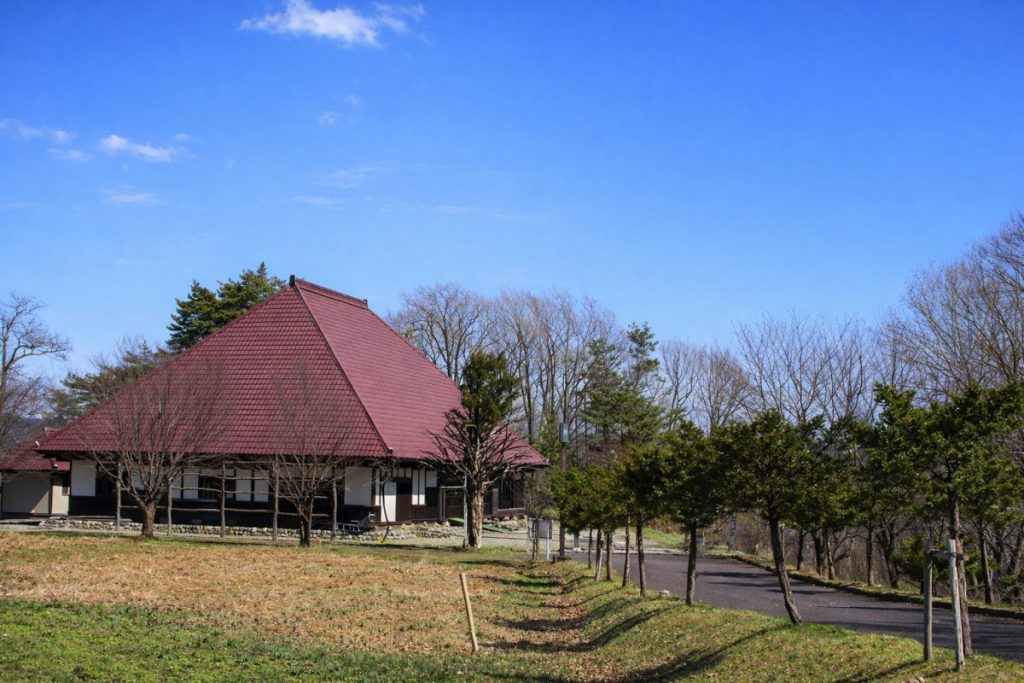
Roadside Station Kuji Yamase Dofukan
Living and Relocation Information
- Daily Convenience:Commercial facilities, financial institutions, medical services, and government offices are concentrated around Kuji Station, allowing daily life needs to be met within the city.
- Child-Rearing Environment:The city has multiple elementary, junior high, and high schools, offering education closely connected with nature and local traditions.
- Medical Services:In addition to local clinics, access to major prefectural hospitals is available.
- Housing:Residential options range from central urban neighborhoods to quieter suburban areas, providing a stable and calm living environment.
- Lifestyle Characteristics:Winters are cold with snowfall, but the city offers a lifestyle closely connected to nature and clearly defined seasons.
Climate and Living Environment
- A climate influenced by both inland and oceanic conditions.
- Cold winters with significant snowfall, especially in inland areas.
- Relatively cool summers with few extremely hot days.
- Close proximity to the sea, mountains, and rivers shapes everyday scenery and lifestyle.
Area Characteristics
- Kuji Area:The administrative and commercial center of the city, centered around Kuji Station.
- Osanai Area:A southern urban zone combining residential districts and farmland.
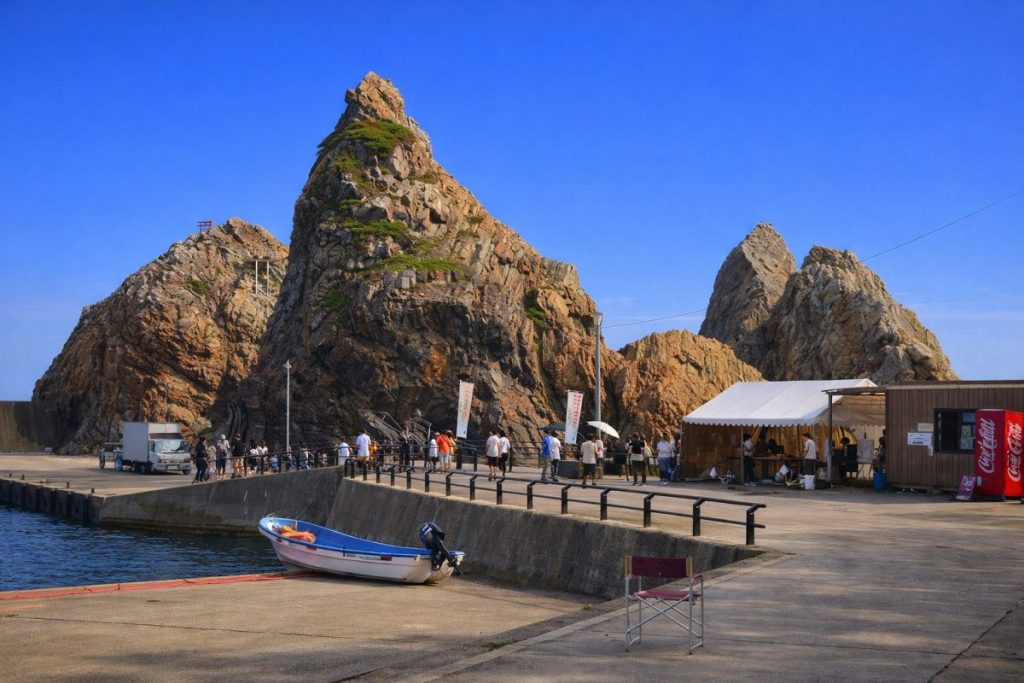
- Samuraihama Area:A coastal district where fishing communities and ama culture remain strong.
- Yamagata Area:An inland highland region characterized by agriculture and scenic natural landscapes.
Access
- Railway: JR Hachinohe Line and Sanriku Railway Rias Line: Kuji Station
- Road: National Route 45, Hachinohe–Kuji Expressway
- Bus:Operated by Iwatekenpoku Bus, JR Bus Tohoku, and the municipal community bus “Norunet KUJI.”
Tourist Attractions
- Kosode Coast — Scenic coastline and center of the northern ama diving tradition.
- Mogranpia — A reconstructed aquarium located in the city center.
- Amber Hall — A cultural complex hosting concerts and performances.
Related Links
Iwate Major Cities
This section presents a list of major cities in Iwate Prefecture.
You can access the hub page that consolidates information on Iwate Prefecture’s major cities via the button below.
-

Which Prefecture Is Ninohe City In? [Answer] Iwate Prefecture | Complete Guide to Ninohe City (Sightseeing, Culture, Local Products & Access)
-
Which Prefecture Is Kuji City In? [Answer] Iwate Prefecture | Complete Guide to Kuji City (Sightseeing, Culture, Local Products & Access)
-
Which Prefecture Is Ofunato City In? [Answer] Iwate Prefecture | Complete Guide to Ofunato City (Sightseeing, Culture, Local Products & Access)
-
Which Prefecture Is Miyako City In? [Answer] Iwate Prefecture | Complete Guide to Miyako City (Sightseeing, Culture, Local Products & Access)
-
Which Prefecture Is Kamaishi City In? [Answer] Iwate Prefecture | Complete Guide to Kamaishi City (Sightseeing, Culture, Local Products & Access)
-
Which Prefecture Is Kitakami City In? [Answer] Iwate Prefecture | Complete Guide to Kitakami City (Sightseeing, Culture, Local Products & Access)
-
Which Prefecture Is Hanamaki City In? [Answer] Iwate Prefecture | Complete Guide to Hanamaki City (Sightseeing, Culture, Local Products & Access)
-
Which Prefecture Is Ichinoseki City In? [Answer] Iwate Prefecture | Complete Guide to Ichinoseki City (Sightseeing, Culture, Local Products & Access)
-
Which Prefecture Is Oshu City In? [Answer] Iwate Prefecture | Complete Guide to Oshu City (Sightseeing, Culture, Local Products & Access)
-
Which Prefecture Is Morioka City In? [Answer] Iwate Prefecture | Complete Guide to Morioka City (Sightseeing, Culture, Local Products & Access)
Northern Coastal Regional Development Bureau
This section shows the municipalities within the Kenpoku Regional Development Bureau of Iwate Prefecture.
Click the button to visit the hub page that brings together all municipalities in the Kenpoku region.
-
Which Prefecture Is Kunohe Village In? [Answer] Iwate Prefecture | Complete Guide to Kunohe Village (Sightseeing, Culture, Local Products & Access)
-
Which Prefecture Is Karumai Town In? [Answer] Iwate Prefecture | Complete Guide to Karumai Town (Sightseeing, Culture, Local Products & Access)
-
Which Prefecture Is Hirono Town In? [Answer] Iwate Prefecture | Complete Guide to Hirono Town (Sightseeing, Culture, Local Products & Access)
-
Which Prefecture Is Noda Village In? [Answer] Iwate Prefecture | Complete Guide to Noda Village (Sightseeing, Culture, Local Products & Access)
-
Which Prefecture Is Ichinohe Town In? [Answer] Iwate Prefecture | Complete Guide to Ichinohe Town (Sightseeing, Culture, Local Products & Access)
-
Which Prefecture Is Ninohe City In? [Answer] Iwate Prefecture | Complete Guide to Ninohe City (Sightseeing, Culture, Local Products & Access)
-
Which Prefecture Is Kuji City In? [Answer] Iwate Prefecture | Complete Guide to Kuji City (Sightseeing, Culture, Local Products & Access)