| population | 4,687 peoples |
|---|---|
| area | 134.02 km² |
| population density | 35 peoples/km² |
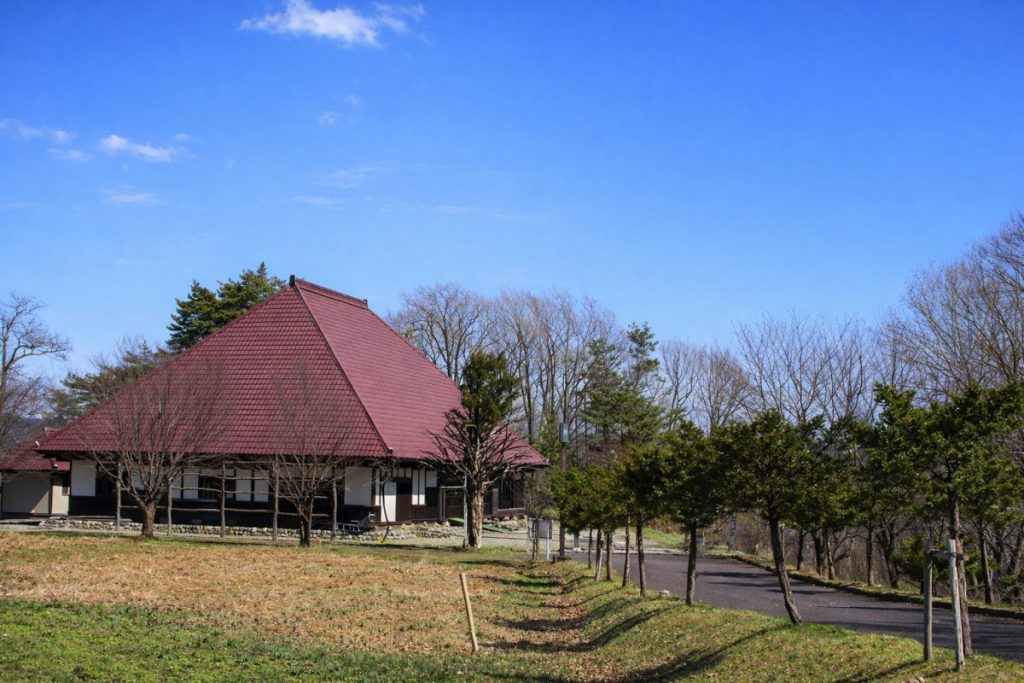
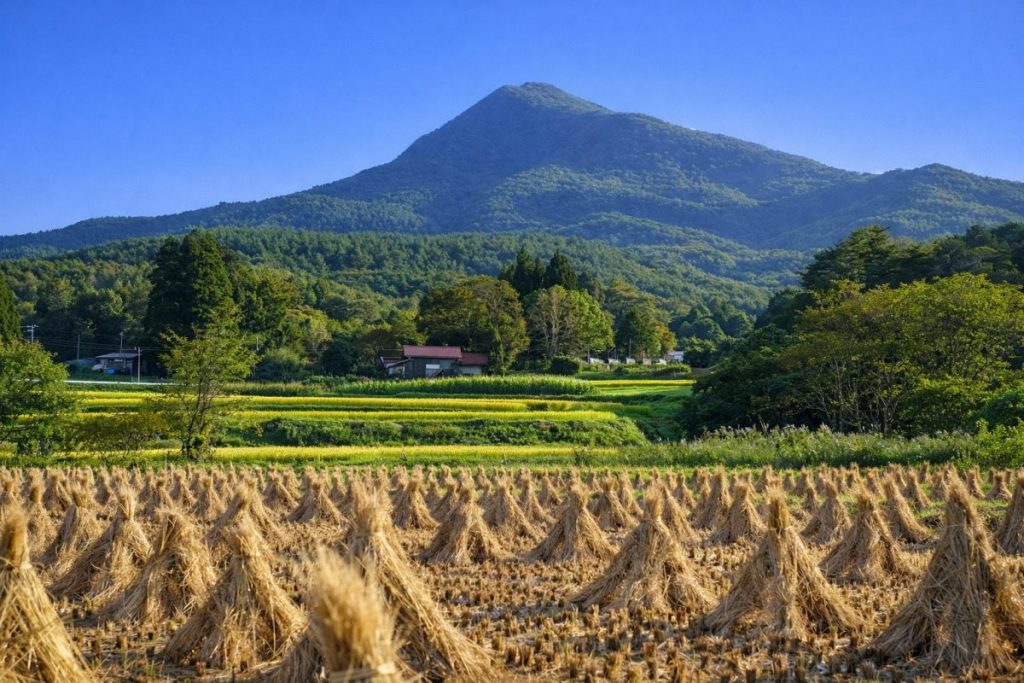
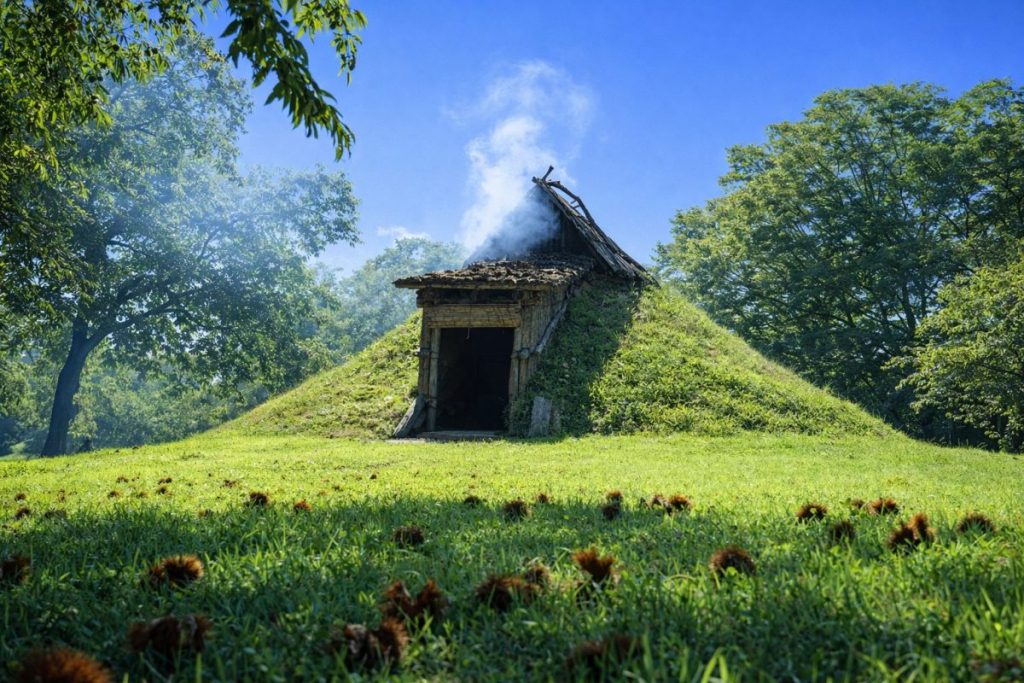
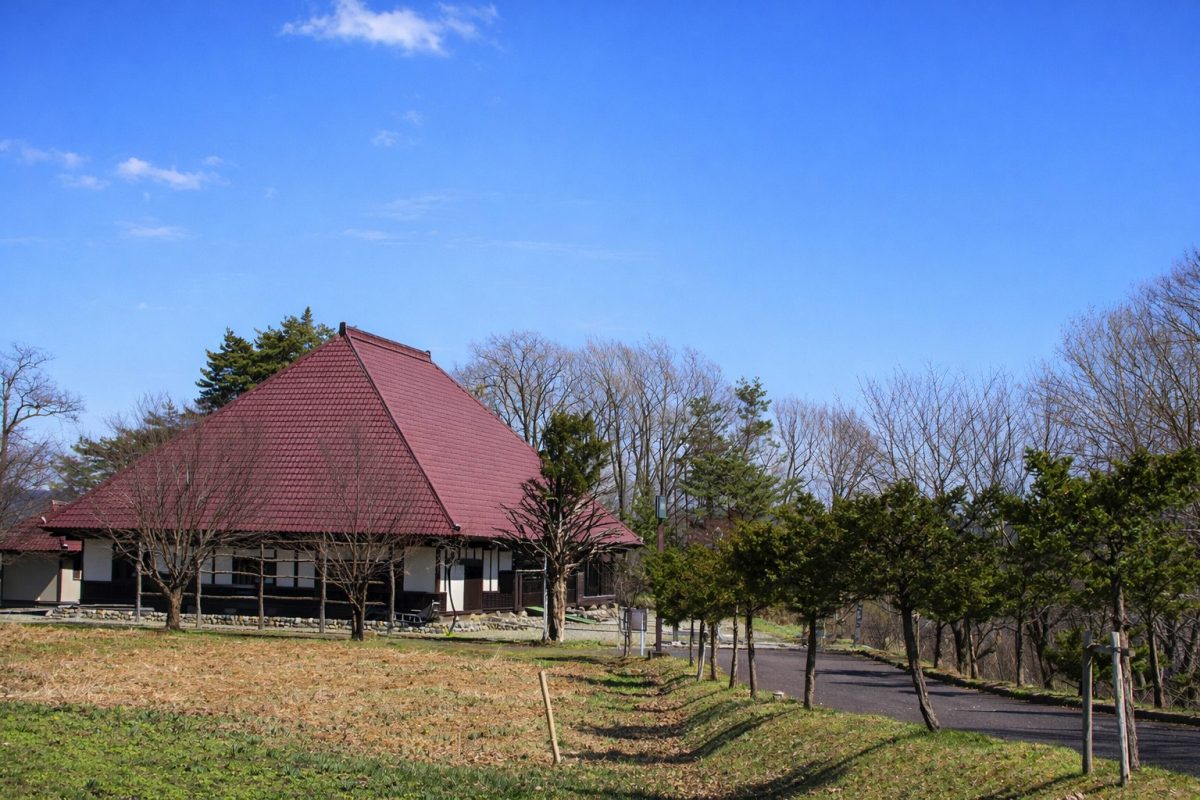
Kunohe Village is located in the northern part of Iwate Prefecture and belongs to Kunohe District. It is an inland rural village situated at the northern edge of the Kitakami Mountains, surrounded by hills and forested terrain. The Segetsunai River flows roughly from north to south through the center of the village, forming a narrow valley plain where settlements and farmland are concentrated. Flat land is limited, but forests, agricultural fields, and residential areas coexist in a calm and orderly landscape.
Kunohe Village was established in 1955 through the merger of the former villages of Toda, Ibonai, and Esashiie. Even today, each area retains its historical character and community structure. Although no railway passes through the village, its proximity to the city of Ninohe allows residents to maintain strong economic and social ties with surrounding urban areas. Kunohe Village is recognized as a quiet, nature-oriented community where daily life remains closely connected to the surrounding environment.
History
The area now known as Kunohe Village was historically part of the Nanbu Domain during the Edo period and developed as a rural zone within the northern Kitakami Highlands. With the implementation of the municipal system in 1889, the villages of Toda, Ibonai, and Esashiie were formally established, each sustaining itself through agriculture and forestry. In 1897, Kita-Kunohe District and Minami-Kunohe District were merged to form Kunohe District.
On April 1, 1955, the three villages were unified to form present-day Kunohe Village, leading to the consolidation of administrative functions and the development of shared infrastructure. Although the Sengoku-period warlord Masazane Kunohe is associated with the region, Kunohe Castle itself is located in present-day Ninohe City. Within the village, Mount Kumanodate is considered a strong candidate for a former local stronghold. While population decline has become a challenge in recent decades, the village continues efforts toward sustainable development by making use of its historical and natural assets.
Culture and Traditions
Kunohe Village preserves a strong agricultural and mountain village culture rooted in close-knit local communities. Traditional events and cooperative activities remain important, reinforcing bonds among residents across generations. Seasonal agricultural work and annual festivals provide opportunities for shared labor and celebration, reflecting long-standing customs of mutual support.
A distinctive cultural feature of the village is the conservation of the Hime-firefly habitat around Mount Oritsume. Local volunteers conduct environmental maintenance and organize annual viewing events, attracting visitors and photographers from across Japan. These activities demonstrate the village’s commitment to preserving nature while sharing its unique natural heritage with a wider audience.
Local Products
Amacha (Hydrangea Tea):
Kunohe Village is one of Japan’s notable production areas for amacha, a traditional herbal tea made from hydrangea leaves. The cool climate and mountainous terrain are well suited to its cultivation, and the product is valued for both ceremonial and medicinal uses.
Charcoal:
Supported by extensive forest resources, charcoal production has long been practiced in Kunohe Village. Traditional kiln techniques are still preserved, making the village an important charcoal-producing area within Iwate Prefecture.
Broiler Chicken Production:
Poultry farming, particularly broiler production, is a key industry in Kunohe Village. Integrated production systems with neighboring areas contribute to stable output and regional food supply.
Processed Agricultural Products:
Locally produced processed foods made from regional crops are sold at facilities such as Roadside Station Oritsume Ododekan, where visitors can purchase specialty items unique to the area.
Living and Relocation Information
- Daily Life: The Ibonai area serves as the village center, hosting the village office, financial institutions, shops, and medical facilities necessary for everyday living.
- Education: The village operates Kunohe Elementary School and Kunohe Junior High School, offering community-based education.
- Medical Care: Local clinics are supplemented by access to larger hospitals in nearby Ninohe City.
- Housing: Home ownership is common, and the village appeals to those seeking a quiet residential environment surrounded by nature.
- Winter Living: Heavy snowfall requires regular snow removal, which is managed through coordinated community efforts.
Climate and Environment
- Inland climate with cold, snowy winters.
- Cool summers with significant temperature differences between day and night.
- Forests and rivers play a central role in shaping daily life and scenery.
District Characteristics
Ibonai Area: Administrative and commercial center of the village.
Esashiie Area: Predominantly agricultural zone with scattered settlements.
Toda Area: Mountainous district historically associated with forestry and farming.
Access
Railway:
No railway service within the village; the nearest station is Ninohe Station, served by the Tohoku Shinkansen and the Iwate Galaxy Railway.
Bus:
Regional bus services operated by Iwateken Hokubu Bus and JR Bus Tohoku connect the village with surrounding municipalities.
Road:
Access is provided via the Hachinohe Expressway (Kunohe IC), as well as National Route 340 and several prefectural roads.
Tourist Attractions
Mount Oritsume — The village’s most prominent mountain, famous for its summer displays of Hime-fireflies.
Roadside Station Oritsume Ododekan — A visitor hub offering local products and tourist information.
Kumanodate Site — A historical site believed to be a former medieval stronghold.
Related Links
Iwate Major Cities
This section presents a list of major cities in Iwate Prefecture.
You can access the hub page that consolidates information on Iwate Prefecture’s major cities via the button below.
-

Which Prefecture Is Ninohe City In? [Answer] Iwate Prefecture | Complete Guide to Ninohe City (Sightseeing, Culture, Local Products & Access)
-
Which Prefecture Is Kuji City In? [Answer] Iwate Prefecture | Complete Guide to Kuji City (Sightseeing, Culture, Local Products & Access)
-
Which Prefecture Is Ofunato City In? [Answer] Iwate Prefecture | Complete Guide to Ofunato City (Sightseeing, Culture, Local Products & Access)
-
Which Prefecture Is Miyako City In? [Answer] Iwate Prefecture | Complete Guide to Miyako City (Sightseeing, Culture, Local Products & Access)
-
Which Prefecture Is Kamaishi City In? [Answer] Iwate Prefecture | Complete Guide to Kamaishi City (Sightseeing, Culture, Local Products & Access)
-
Which Prefecture Is Kitakami City In? [Answer] Iwate Prefecture | Complete Guide to Kitakami City (Sightseeing, Culture, Local Products & Access)
-
Which Prefecture Is Hanamaki City In? [Answer] Iwate Prefecture | Complete Guide to Hanamaki City (Sightseeing, Culture, Local Products & Access)
-
Which Prefecture Is Ichinoseki City In? [Answer] Iwate Prefecture | Complete Guide to Ichinoseki City (Sightseeing, Culture, Local Products & Access)
-
Which Prefecture Is Oshu City In? [Answer] Iwate Prefecture | Complete Guide to Oshu City (Sightseeing, Culture, Local Products & Access)
-
Which Prefecture Is Morioka City In? [Answer] Iwate Prefecture | Complete Guide to Morioka City (Sightseeing, Culture, Local Products & Access)
Northern Coastal Regional Development Bureau
This section shows the municipalities within the Kenpoku Regional Development Bureau of Iwate Prefecture.
Click the button to visit the hub page that brings together all municipalities in the Kenpoku region.
-
Which Prefecture Is Kunohe Village In? [Answer] Iwate Prefecture | Complete Guide to Kunohe Village (Sightseeing, Culture, Local Products & Access)
-
Which Prefecture Is Karumai Town In? [Answer] Iwate Prefecture | Complete Guide to Karumai Town (Sightseeing, Culture, Local Products & Access)
-
Which Prefecture Is Hirono Town In? [Answer] Iwate Prefecture | Complete Guide to Hirono Town (Sightseeing, Culture, Local Products & Access)
-
Which Prefecture Is Noda Village In? [Answer] Iwate Prefecture | Complete Guide to Noda Village (Sightseeing, Culture, Local Products & Access)
-
Which Prefecture Is Ichinohe Town In? [Answer] Iwate Prefecture | Complete Guide to Ichinohe Town (Sightseeing, Culture, Local Products & Access)
-
Which Prefecture Is Ninohe City In? [Answer] Iwate Prefecture | Complete Guide to Ninohe City (Sightseeing, Culture, Local Products & Access)
-
Which Prefecture Is Kuji City In? [Answer] Iwate Prefecture | Complete Guide to Kuji City (Sightseeing, Culture, Local Products & Access)