| population | 4,875 peoples |
|---|---|
| area | 434.96 km² |
| population density | 11.2 peoples/km² |
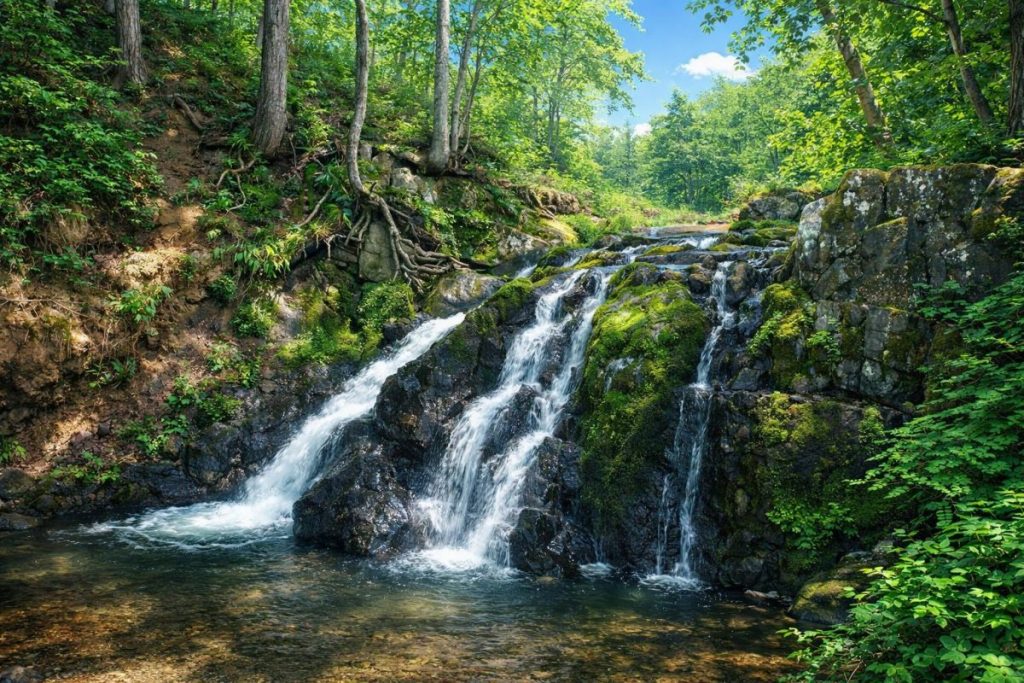
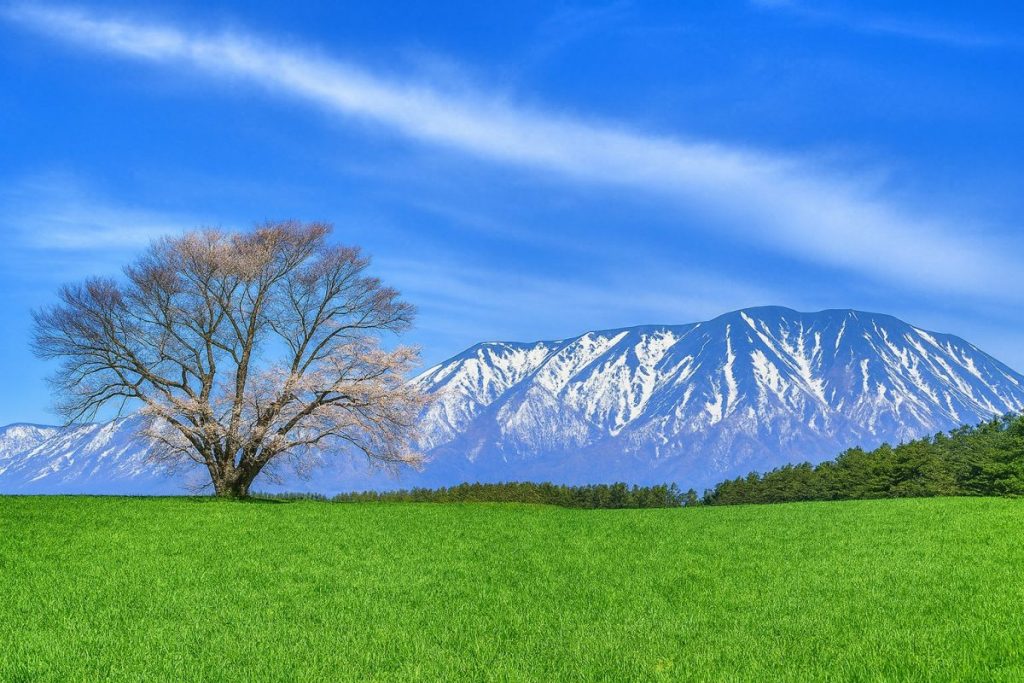
Kuzumaki Town is located in the northern part of Iwate Prefecture, within Iwate District, and spreads across the northeastern area of the Kitakami Highlands. It borders Kunohe Village and Hirono Town to the north, Kuji City to the east, Iwate Town and Ichinohe Town to the south, and Hachimantai City to the west. The town center lies at an elevation of around 400 meters, surrounded by mountains exceeding 1,000 meters in height, with forests covering approximately 86% of the total land area. This rich natural environment is one of Kuzumaki’s defining features.
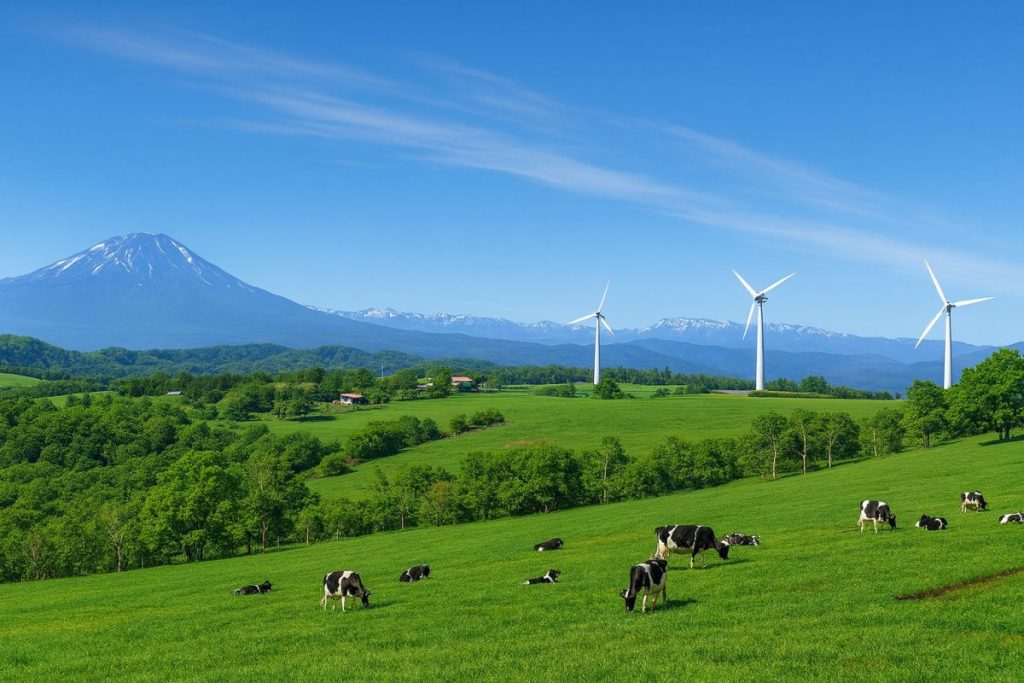
The headwaters of the Mabechi River flow through the town, and its cool climate and abundant water resources have supported dairy farming as the core local industry for many decades. Despite the absence of railways and expressways, Kuzumaki Town has pursued community-based economic development by fully utilizing local resources, earning nationwide recognition as a successful model of “circular local industry formation.”
History
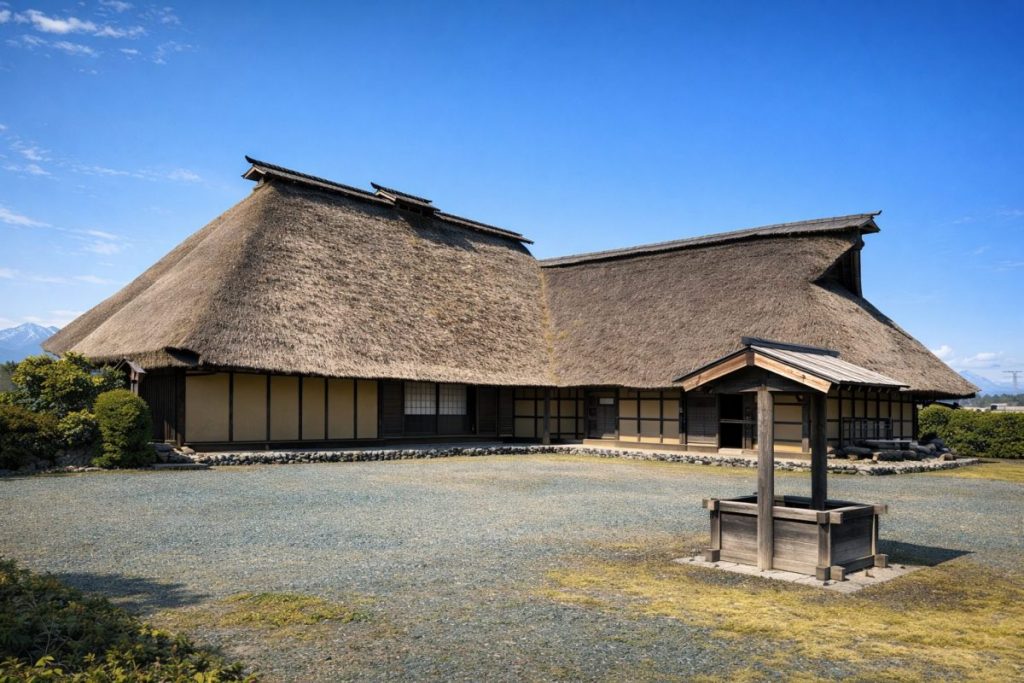
The history of Kuzumaki Town is deeply rooted in its mountainous environment, where human activity has continued since ancient times. During the Edo period, the area belonged to the Nanbu Domain and later came under the control of the Hachinohe Domain from 1665. Kuzumaki prospered as a post town along the Noda Highway, an important route used to transport salt from the Sanriku coast to Morioka, serving as a hub for travelers and goods.
Following the Meiji Restoration, Kuzumaki underwent administrative changes through the establishment of villages and towns, eventually forming the present-day Kuzumaki Town in 1955. In the postwar era, population decline and depopulation became major challenges. However, from the 1990s onward, the town implemented innovative industrial policies centered on third-sector enterprises, achieving both job creation and fiscal stability. This resilient history has shaped Kuzumaki’s identity as a town that overcomes adversity through local initiative.
Culture & Traditions
The culture of Kuzumaki Town is closely tied to mountain worship, rural life, and dairy farming. The distinct four seasons of the highland climate have fostered a lifestyle based on cooperation, mutual support, and respect for nature. Local shrine festivals, Bon events, and community gatherings continue to play an important role in maintaining strong bonds among residents.
In recent years, food culture—particularly wine and cheese—has become a symbol of Kuzumaki’s modern identity. These products reflect the town’s climate and agricultural heritage and are now well known beyond the region. The patience and solidarity cultivated through enduring long, harsh winters are still evident in today’s community activities and town planning efforts.
Local Specialties
-
Kuzumaki Highland Milk & Dairy Products
Produced at Kuzumaki Highland Farm, these milk, cheese, and yogurt products are known for their high quality. Cows are raised in a cool climate with rich pastureland, resulting in dairy products with a deep yet clean flavor. -
Kuzumaki Wine
Kuzumaki Wine is a local winery producing red, white, and rosé wines. Its wines are characterized by crisp acidity and aroma suited to cool climates, and they have earned a strong reputation nationwide. -
Kuzumaki Highland Beef
Raised in the clear air and natural environment of the highlands, this locally branded beef is prized for its balanced marbling and rich flavor. Supplies are limited, adding to its value as a regional specialty. -
Wild Grape Products
Juice and processed goods made from wild grapes native to the Kitakami Highlands. These products feature a bold acidity and deep flavor, making them a distinctive local specialty. -
Locally Produced Cheese & Processed Foods
Natural cheeses and sausages produced in Kuzumaki reflect the town’s dairy and livestock traditions and are popular both locally and with visitors.
Living & Relocation Information
- Daily Convenience: Supermarkets, financial institutions, medical facilities, and public offices are concentrated within the town, allowing residents to meet most daily needs locally. For advanced medical care and large shopping centers, Morioka City is commonly used.
- Child-Rearing Environment: Kuzumaki offers an integrated education system from elementary to high school, emphasizing nature-based learning and community involvement. Small class sizes enable attentive instruction.
- Healthcare: Local medical facilities operate in cooperation with hospitals in neighboring municipalities and Morioka City.
- Housing: Detached houses are common, and land prices are relatively low compared to urban areas. Programs supporting vacant house utilization and relocation are also available.
- Lifestyle Features: As a heavy snowfall area, winter snow removal is essential, but residents enjoy a quiet lifestyle close to nature.
Climate & Living Environment
- Classified as a humid continental climate (Dfb) under the Köppen system.
- Winter temperatures often fall below freezing, with extreme lows below -20°C recorded.
- Designated as a heavy snowfall area with substantial winter snow accumulation.
- Summers are cool, with large temperature differences between day and night.
Area Characteristics
- Kuzumaki Area: The administrative and commercial center of the town. Kuzumaki Town Office
- Ekari Area: A mountainous area with scattered settlements, rich in natural scenery and agricultural land.
- Koyase Area: A transportation corridor toward Kuji City, featuring residential communities along major roads.
Access
- Railway: No railway lines run through the town. The nearest station is Iwate-Numakunai Station, which connects to the Tohoku Shinkansen and the IGR Iwate Galaxy Railway.
- Bus: Kuzumaki Station (Machi-no-Eki Kuzumaki) serves as the hub for JR Bus Tohoku and Iwatekenpoku Bus services.
- Roads: National Routes 281 and 340 are the town’s main arterial roads.
Tourist Attractions
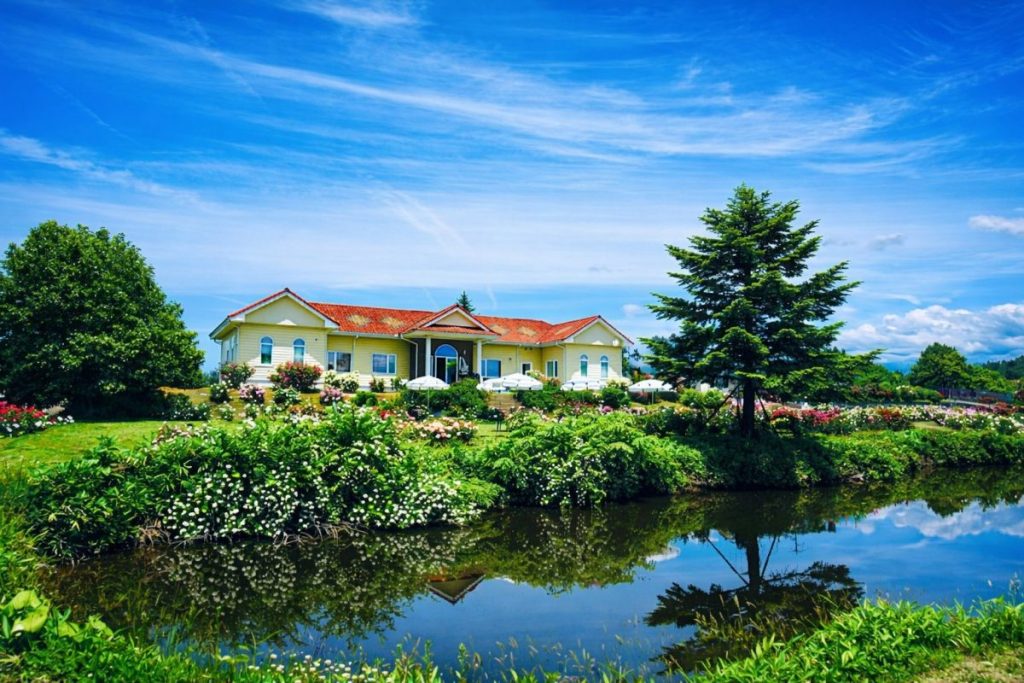
- Kuzumaki Highland Farm — A major tourist destination featuring hands-on farm experiences and accommodation facilities.
- Roadside Station Kuzumaki Highland — A hub for local products and tourist information.
- Hiraniwa Highland — A scenic highland area known for its natural landscapes and seasonal flowers.
Related Links
Iwate Major Cities
-

Which Prefecture Is Ninohe City In? [Answer] Iwate Prefecture | Complete Guide to Ninohe City (Sightseeing, Culture, Local Products & Access)
-
Which Prefecture Is Kuji City In? [Answer] Iwate Prefecture | Complete Guide to Kuji City (Sightseeing, Culture, Local Products & Access)
-
Which Prefecture Is Ofunato City In? [Answer] Iwate Prefecture | Complete Guide to Ofunato City (Sightseeing, Culture, Local Products & Access)
-
Which Prefecture Is Miyako City In? [Answer] Iwate Prefecture | Complete Guide to Miyako City (Sightseeing, Culture, Local Products & Access)
-
Which Prefecture Is Kamaishi City In? [Answer] Iwate Prefecture | Complete Guide to Kamaishi City (Sightseeing, Culture, Local Products & Access)
-
Which Prefecture Is Kitakami City In? [Answer] Iwate Prefecture | Complete Guide to Kitakami City (Sightseeing, Culture, Local Products & Access)
-
Which Prefecture Is Hanamaki City In? [Answer] Iwate Prefecture | Complete Guide to Hanamaki City (Sightseeing, Culture, Local Products & Access)
-
Which Prefecture Is Ichinoseki City In? [Answer] Iwate Prefecture | Complete Guide to Ichinoseki City (Sightseeing, Culture, Local Products & Access)
-
Which Prefecture Is Oshu City In? [Answer] Iwate Prefecture | Complete Guide to Oshu City (Sightseeing, Culture, Local Products & Access)
-
Which Prefecture Is Morioka City In? [Answer] Iwate Prefecture | Complete Guide to Morioka City (Sightseeing, Culture, Local Products & Access)
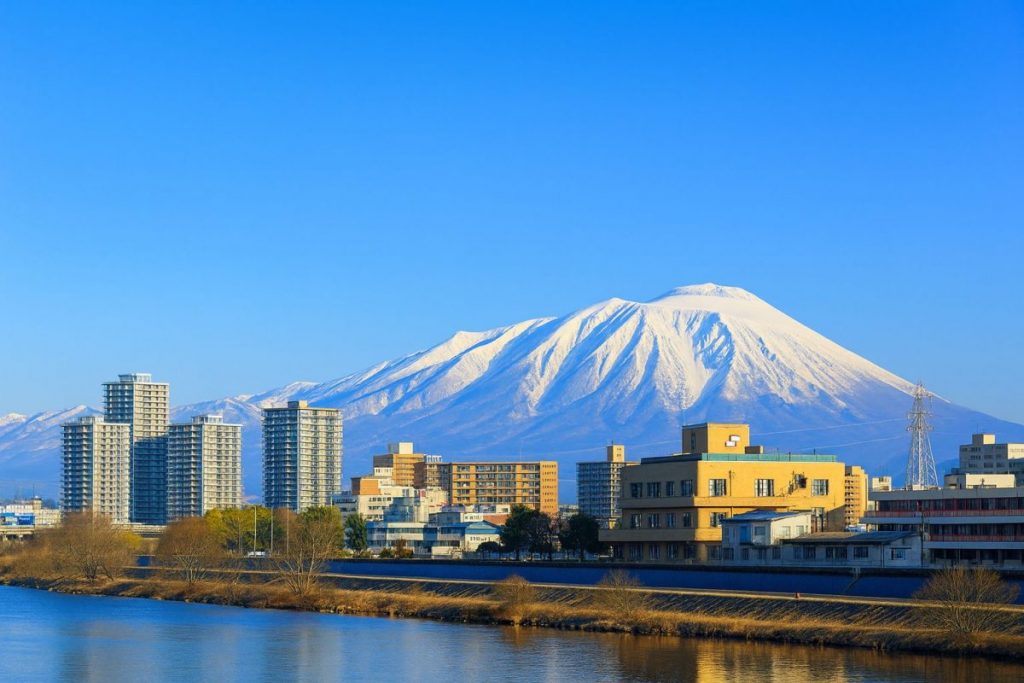
Morioka Regional Development Bureau
-
Which Prefecture Is Yahaba Town In? [Answer] Iwate Prefecture | Complete Guide to Yahaba Town (Sightseeing, Culture, Local Products & Access)
-
Which Prefecture Is Shiwa Town In? [Answer] Iwate Prefecture | Complete Guide to Shiwa Town (Sightseeing, Culture, Local Products & Access)
-
Which Prefecture Is Iwate Town In? [Answer] Iwate Prefecture | Complete Guide to Iwate Town (Sightseeing, Culture, Local Products & Access)
-
Which Prefecture Is Kuzumaki Town In? [Answer] Iwate Prefecture | Complete Guide to Kuzumaki Town (Sightseeing, Culture, Local Products & Access)
-
Which Prefecture Is Shizukuishi Town In? [Answer] Iwate Prefecture | Complete Guide to Shizukuishi Town (Sightseeing, Culture, Local Products & Access)
-
Which Prefecture Is Takizawa City In? [Answer] Iwate Prefecture | Complete Guide to Takizawa City (Sightseeing, Culture, Local Products & Access)
-
Which Prefecture Is Hachimantai City In? [Answer] Iwate Prefecture | Complete Guide to Hachimantai City (Sightseeing, Culture, Local Products & Access)
-
Which Prefecture Is Morioka City In? [Answer] Iwate Prefecture | Complete Guide to Morioka City (Sightseeing, Culture, Local Products & Access)