| population | 30,893 peoples |
|---|---|
| area | 322.51 km² |
| population density | 95.8 peoples/km² |
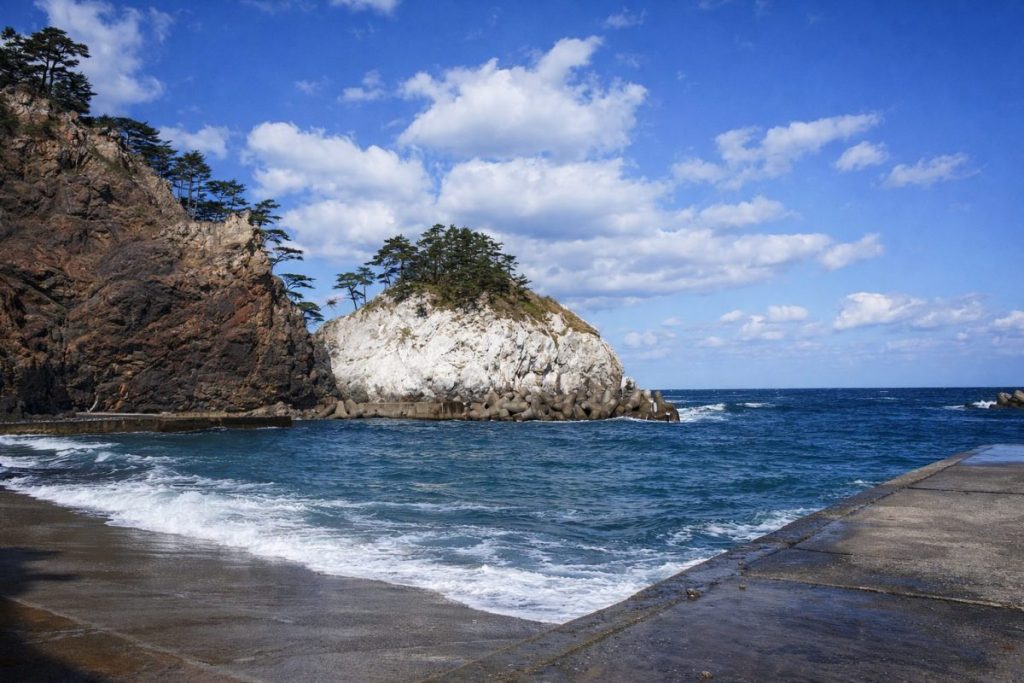
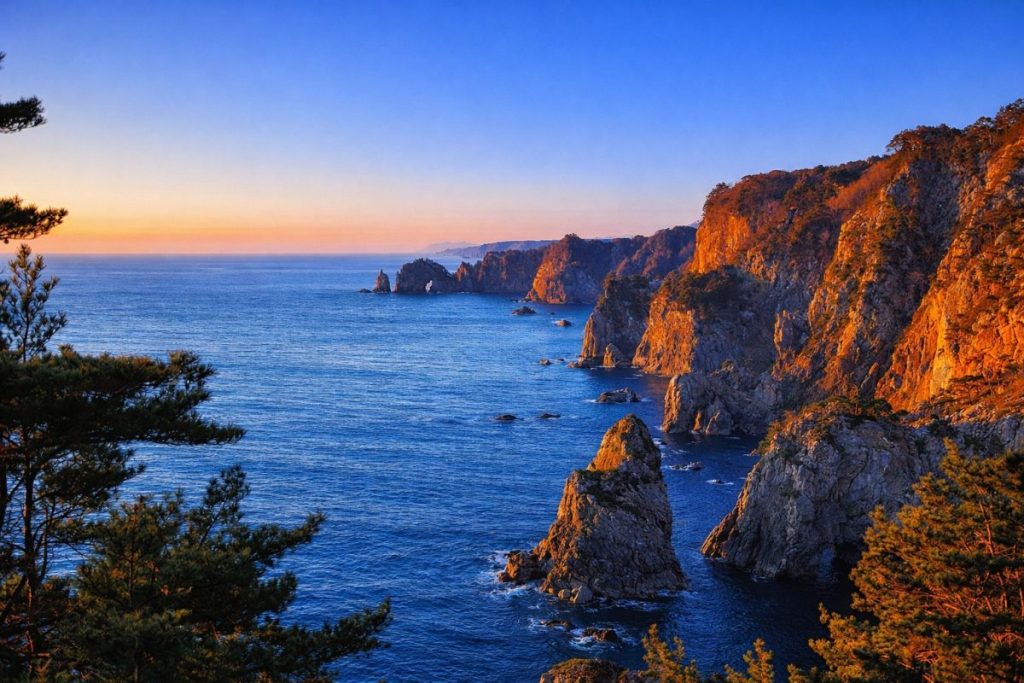
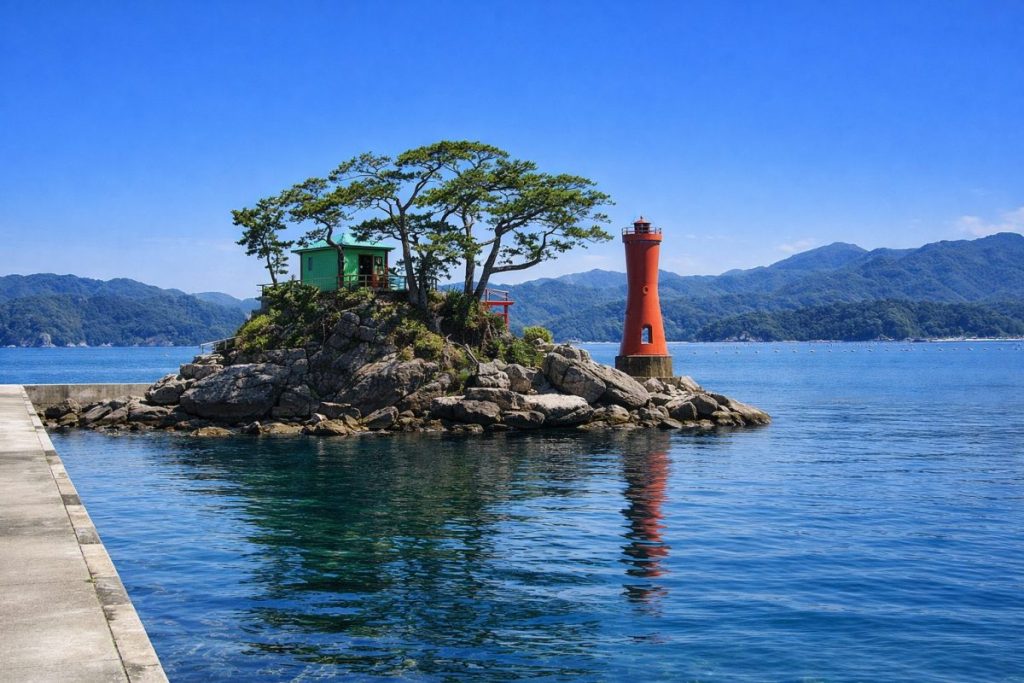
Ofunato City is located along the Pacific coast in the southern part of Iwate Prefecture and is one of the principal port cities of the southern Sanriku Coast (Rikuzentaka Coast). The city is characterized by a typical ria coastline, with deeply indented bays and steep mountainous terrain extending close to the sea. Facing the Sanriku fishing grounds—one of the world’s most productive fishing areas—Ofunato has long developed as a center of fisheries and maritime activity.
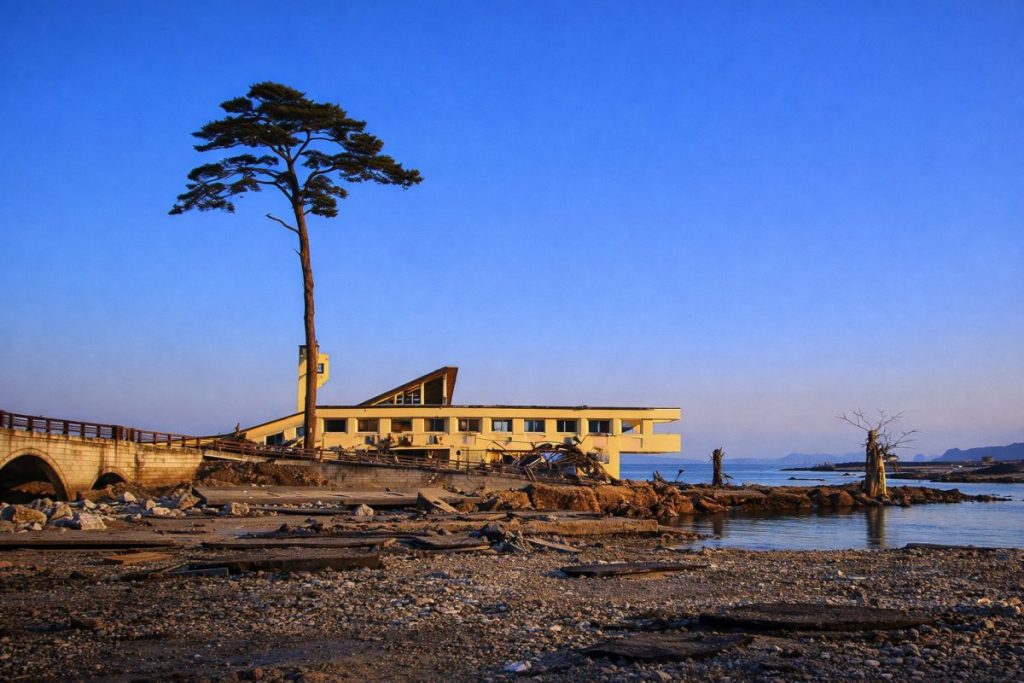
Established as a city in 1952, Ofunato has grown into the core industrial and port city of coastal Iwate, with fisheries, cement production, and port logistics forming the backbone of its economy. Although the city suffered severe damage during the Great East Japan Earthquake and tsunami in 2011, reconstruction efforts and disaster‐prevention initiatives have supported the recovery of urban functions while shaping a more resilient coastal community.
History
The area now known as Ofunato City has been inhabited since ancient times, with livelihoods centered on fishing and maritime transport along the Sanriku coast. During the Edo period, the region was under the control of the Sendai Domain, and the natural harbor of Ofunato developed as an important port for coastal shipping and fisheries. Its deep and sheltered bay was highly valued, leading to continuous port development in the modern era.
In 1952, the towns and villages of Ofunato, Sakari, Akasaki, Ikawa, Takkon, Higoroichi, and Massaki merged to form Ofunato City. In 2001, Sanriku Town was incorporated, creating the present municipal boundaries. The region has repeatedly experienced major tsunami disasters, including those caused by the Meiji Sanriku Earthquake, the Showa Sanriku Earthquake, the 1960 Chile Earthquake tsunami, and the 2011 Great East Japan Earthquake. These historical experiences have deeply influenced local disaster awareness and contemporary urban planning.
Culture and Traditions
Ofunato’s culture has been shaped by its close relationship with both the sea and the mountains. Coastal communities have preserved rituals and festivals associated with fishing, maritime safety, and local shrines. One of the most significant cultural traditions is the Yoshihama no Suneka, a visiting-deity ritual held in the Yoshihama district, designated as an Important Intangible Folk Cultural Property of Japan.
Cultural institutions within the city document the natural history of the Sanriku region as well as the experiences of tsunami disasters, playing an essential role in passing local knowledge and memory on to future generations. Community events and traditional practices continue to foster strong bonds among residents across districts.
Local Products
-
Seafood (Pacific saury, scallops, wakame seaweed):
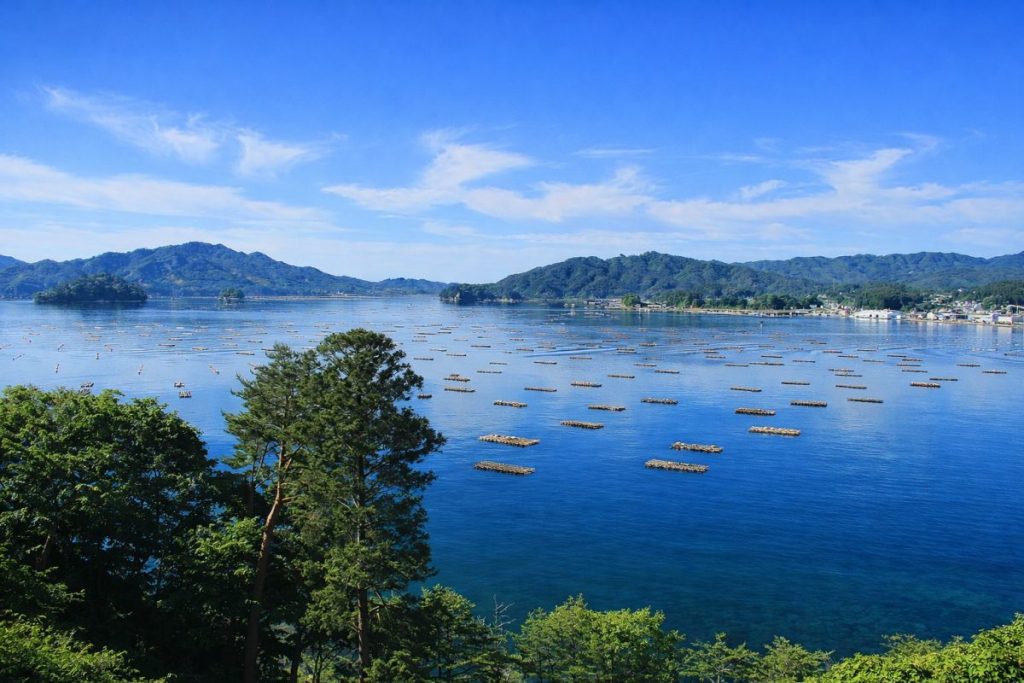
Ofunato lies within the Sanriku fishing grounds, supporting abundant catches of Pacific saury, scallops, and wakame seaweed. Scallop and wakame aquaculture are widely practiced in the city’s bays and are highly regarded for their quality.
Ofunato Fish Market -
Processed seafood products:
Local processing facilities produce dried fish, frozen seafood, and seaweed products using freshly landed marine resources. These products are distributed both locally and beyond the prefecture.
Seafood processing in Ofunato - Cement-related industry: Limestone deposits in the area support heavy industry, including the operation of the Taiheiyo Cement Ofunato Plant, which utilizes the city’s port facilities for shipping.
- Agricultural products: Rice and vegetables are cultivated mainly in inland areas of the city. While production is relatively small in scale, it plays an important role in supporting local food culture.
Living and Relocation Information
- Daily convenience:Commercial facilities, medical services, financial institutions, and the city hall are concentrated mainly in the Sakari and Ofunato districts.
- Child-rearing environment:Elementary, junior high, and high schools are distributed throughout the city, with educational programs emphasizing nature experiences and community learning.
- Medical services:Local medical facilities are complemented by regional core hospitals along the Sanriku coast. See the official Ofunato City website for details.
- Housing:Residential environments vary between coastal and inland areas, with increasing emphasis on disaster-resilient, elevated housing sites.
- Lifestyle features:Residents enjoy a lifestyle closely connected to the sea and mountains, shaped by fisheries, port activities, and coastal culture.
Climate and Living Environment
- Belongs to the Pacific coastal climate zone, with relatively mild temperatures.
- Cool summers with few extremely hot days.
- Winters are cold but generally have limited snowfall compared to inland regions.
- Marine influences strongly affect daily life and local industries.
District Characteristics (By Area)
- Sakari District:The administrative center of the city, home to public offices and Sakari Station.
- Ofunato District:The commercial and port area, with the main urban center around Ofunato Station.
- Akasaki District:A coastal area characterized by fishing communities and inshore fisheries.
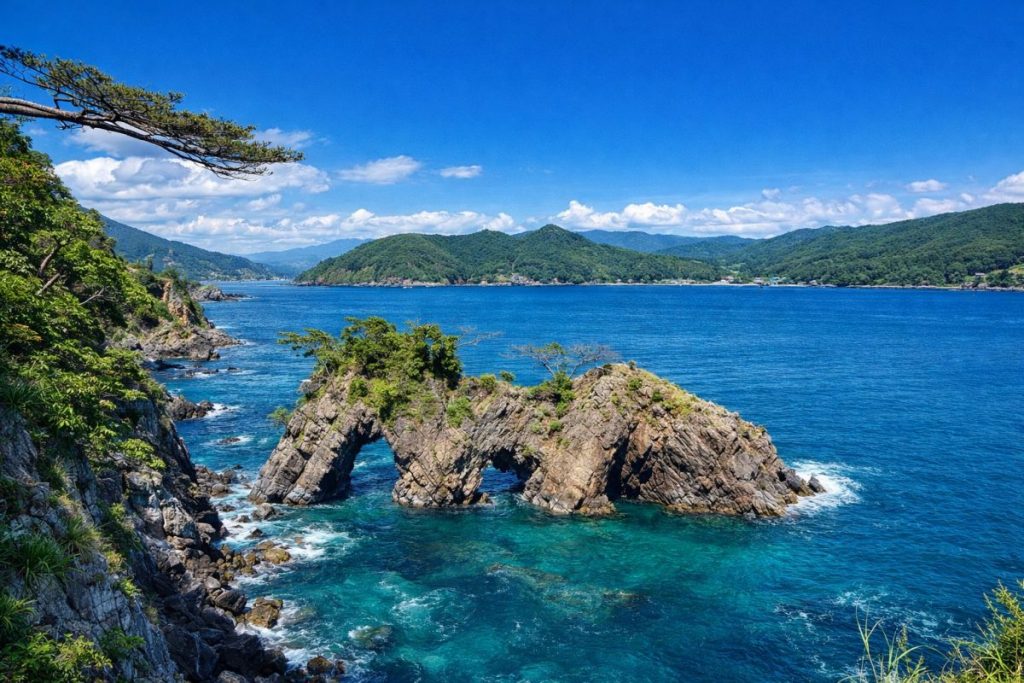
- Sanriku District:Includes Okirai, Ryori, and Yoshihama areas, known for aquaculture and scenic coastal landscapes.
Access
- Railway: Sanriku Railway Rias Line: Sakari Station – Rikuzen-Akasaki Station – Ryori Station
- Roads: Sanriku Coastal Road, National Route 45
- Buses:Operated by Iwate Kenkotsu, including highway buses connecting to Morioka and Sendai.
Sightseeing Spots
- Goishi Coast — A nationally designated scenic spot and natural monument representing the Sanriku coastline.
- Ofunato City Museum — Exhibits on natural history and records of tsunami disasters.
- Ofunato Bay — The symbolic inner bay of the port city.
Related Links
Iwate Major Cities
This section presents a list of major cities in Iwate Prefecture.
You can access the hub page that consolidates information on Iwate Prefecture’s major cities via the button below.
-

Which Prefecture Is Ninohe City In? [Answer] Iwate Prefecture | Complete Guide to Ninohe City (Sightseeing, Culture, Local Products & Access)
-
Which Prefecture Is Kuji City In? [Answer] Iwate Prefecture | Complete Guide to Kuji City (Sightseeing, Culture, Local Products & Access)
-
Which Prefecture Is Ofunato City In? [Answer] Iwate Prefecture | Complete Guide to Ofunato City (Sightseeing, Culture, Local Products & Access)
-
Which Prefecture Is Miyako City In? [Answer] Iwate Prefecture | Complete Guide to Miyako City (Sightseeing, Culture, Local Products & Access)
-
Which Prefecture Is Kamaishi City In? [Answer] Iwate Prefecture | Complete Guide to Kamaishi City (Sightseeing, Culture, Local Products & Access)
-
Which Prefecture Is Kitakami City In? [Answer] Iwate Prefecture | Complete Guide to Kitakami City (Sightseeing, Culture, Local Products & Access)
-
Which Prefecture Is Hanamaki City In? [Answer] Iwate Prefecture | Complete Guide to Hanamaki City (Sightseeing, Culture, Local Products & Access)
-
Which Prefecture Is Ichinoseki City In? [Answer] Iwate Prefecture | Complete Guide to Ichinoseki City (Sightseeing, Culture, Local Products & Access)
-
Which Prefecture Is Oshu City In? [Answer] Iwate Prefecture | Complete Guide to Oshu City (Sightseeing, Culture, Local Products & Access)
-
Which Prefecture Is Morioka City In? [Answer] Iwate Prefecture | Complete Guide to Morioka City (Sightseeing, Culture, Local Products & Access)
Coastal Regional Development Bureau
This section presents the municipalities within the Coastal Regional Development Bureau area of Iwate Prefecture.
You can access the hub page that consolidates information on these municipalities via the button below.
-
Which Prefecture Is Fudai Village In? [Answer] Iwate Prefecture | Complete Guide to Fudai Village (Sightseeing, Culture, Local Products & Access)
-
Which Prefecture Is Tanohata Village In? [Answer] Iwate Prefecture | Complete Guide to Tanohata Village (Sightseeing, Culture, Local Products & Access)
-
Which Prefecture Is Iwaizumi Town In? [Answer] Iwate Prefecture | Complete Guide to Iwaizumi Town (Sightseeing, Culture, Local Products & Access)
-
Which Prefecture Is Yamada Town In? [Answer] Iwate Prefecture | Complete Guide to Yamada Town (Sightseeing, Culture, Local Products & Access)
-
Which Prefecture Is Otsuchi Town In? [Answer] Iwate Prefecture | Complete Guide to Otsuchi Town (Sightseeing, Culture, Local Products & Access)
-
Which Prefecture Is Rikuzentakata City In? [Answer] Iwate Prefecture | Complete Guide to Rikuzentakata City (Sightseeing, Culture, Local Products & Access)
-
Which Prefecture Is Ofunato City In? [Answer] Iwate Prefecture | Complete Guide to Ofunato City (Sightseeing, Culture, Local Products & Access)
-
Which Prefecture Is Miyako City In? [Answer] Iwate Prefecture | Complete Guide to Miyako City (Sightseeing, Culture, Local Products & Access)
-
Which Prefecture Is Kamaishi City In? [Answer] Iwate Prefecture | Complete Guide to Kamaishi City (Sightseeing, Culture, Local Products & Access)