| population | 9,770 peoples |
|---|---|
| area | 200.42 km² |
| population density | 48.7 peoples/km² |
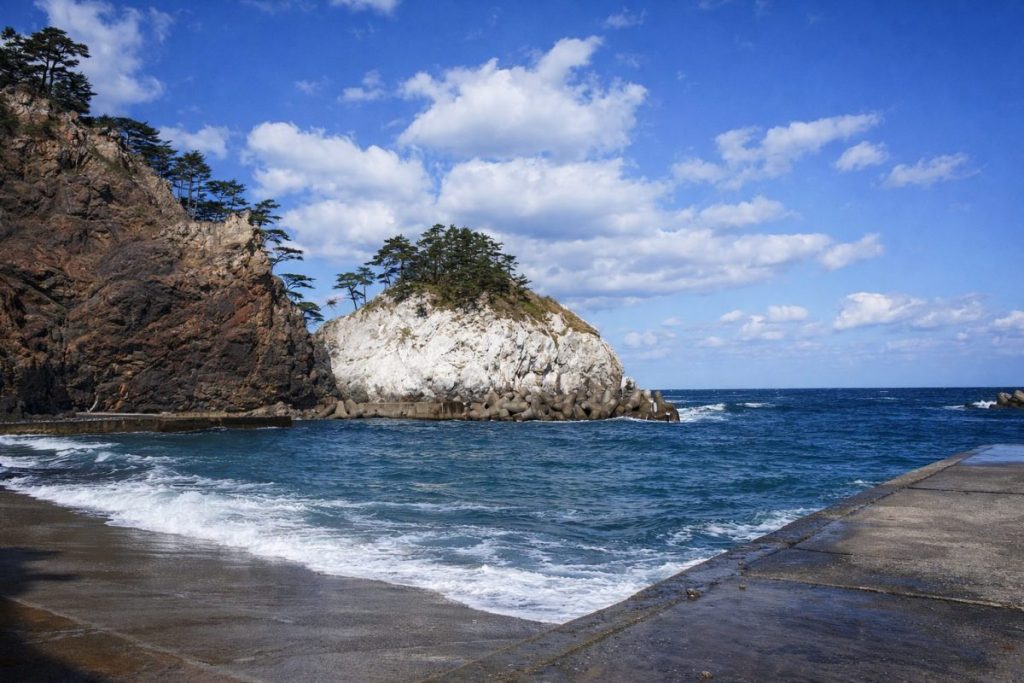
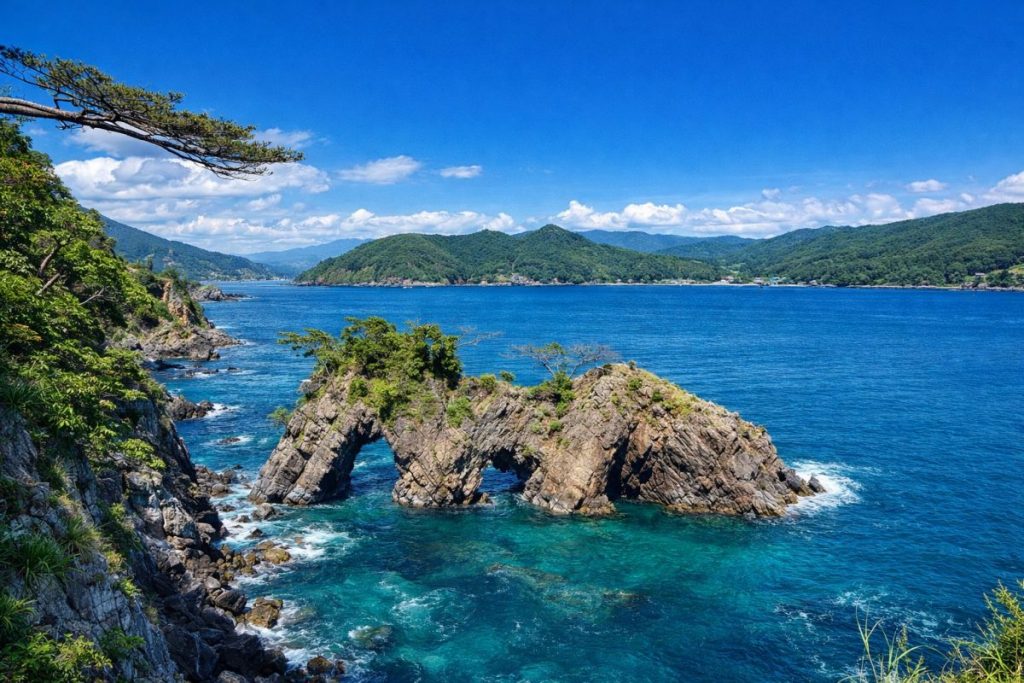
Otsuchi Town is located along the Pacific coast in eastern Iwate Prefecture and belongs to Kamihei District. Facing the Pacific Ocean to the east, the town extends westward into the Kitakami Mountains, forming a long and narrow geographical shape from the coastline to the inland highlands. Two major rivers, the Otsuchi River and the Kozuchi River, flow from the mountains through the town and empty into Otsuchi Bay, creating a landscape where the sea, rivers, and mountains exist in close proximity. This distinctive geography is a defining feature of life in Otsuchi and has strongly influenced its industries and culture.
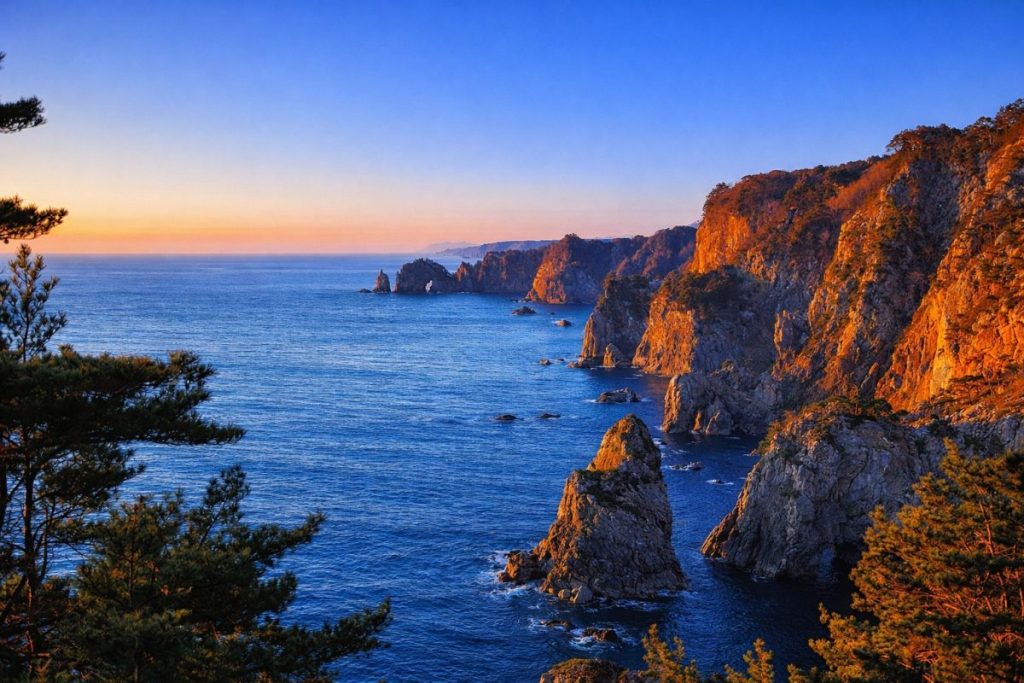
Otsuchi Town forms part of the Sanriku region and is included within the Sanriku Geopark, an area recognized for its geological and natural significance. Coastal communities have traditionally depended on fisheries and the bounty of the sea, while inland areas have supported forestry and small-scale agriculture. Although the town suffered catastrophic damage during the Great East Japan Earthquake and tsunami of 2011, it has since pursued recovery and reconstruction with a strong emphasis on disaster preparedness, community resilience, and coexistence with nature.
History
The history of Otsuchi Town dates back thousands of years, with numerous archaeological sites from the Jomon period discovered within the town, indicating early human settlement. During the medieval and early modern periods, Otsuchi developed as an important coastal and administrative center linking inland areas with maritime routes. In the Sengoku period, the area was controlled by the Otsuchi clan, and during the Edo period it came under the direct administration of the Morioka Domain, with the Otsuchi magistrate’s office governing a wide coastal region.
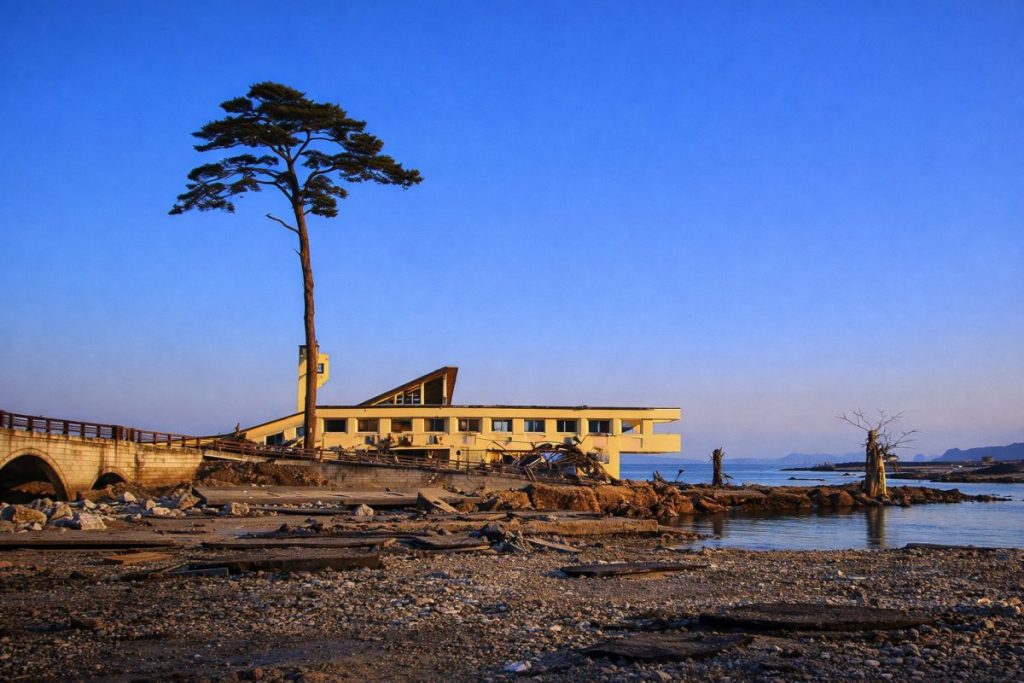
Marine products, especially salmon, played a central role in the town’s prosperity, and Otsuchi flourished as a port town engaged in regional trade. In the modern era, the opening of railways improved transportation and strengthened ties with neighboring cities. On March 11, 2011, the Great East Japan Earthquake and subsequent tsunami devastated the town, claiming many lives and destroying much of the urban area. Since then, extensive reconstruction efforts—including coastal defenses, residential relocation to higher ground, and disaster education—have shaped the town’s renewed identity.
Culture and Traditions
Otsuchi Town’s culture is deeply rooted in its relationship with the sea. Fishing traditions, seasonal festivals, and local performing arts reflect generations of life along the Sanriku coast. One of the most notable traditional performances is the Tiger Dance (Toramai), a dynamic folk dance accompanied by drums and flutes, performed at festivals and ceremonial occasions to pray for safety and prosperity.
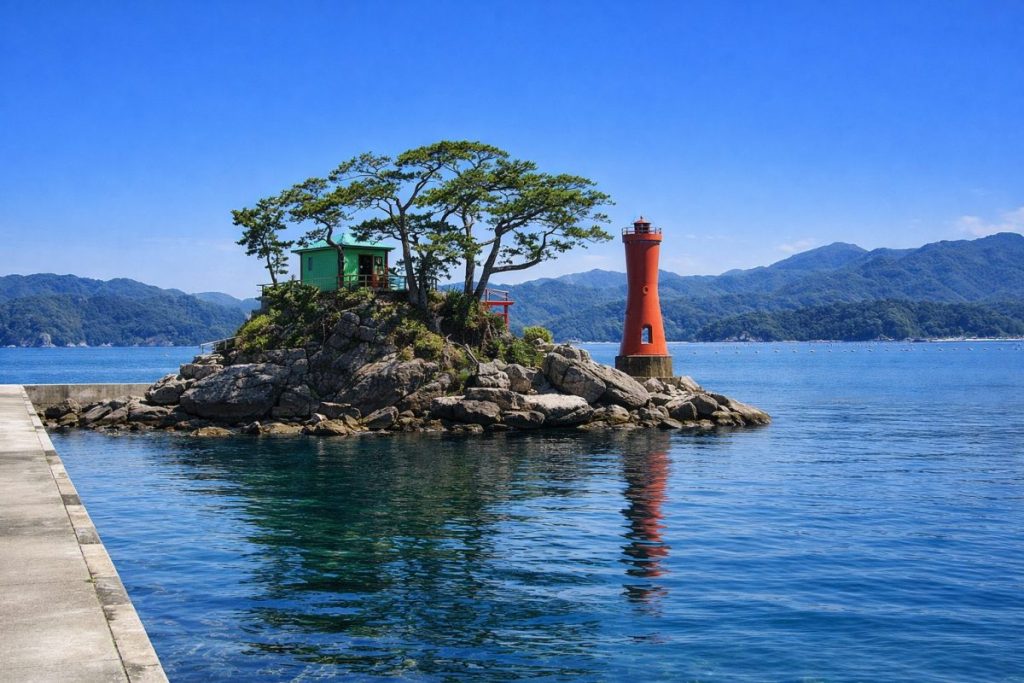
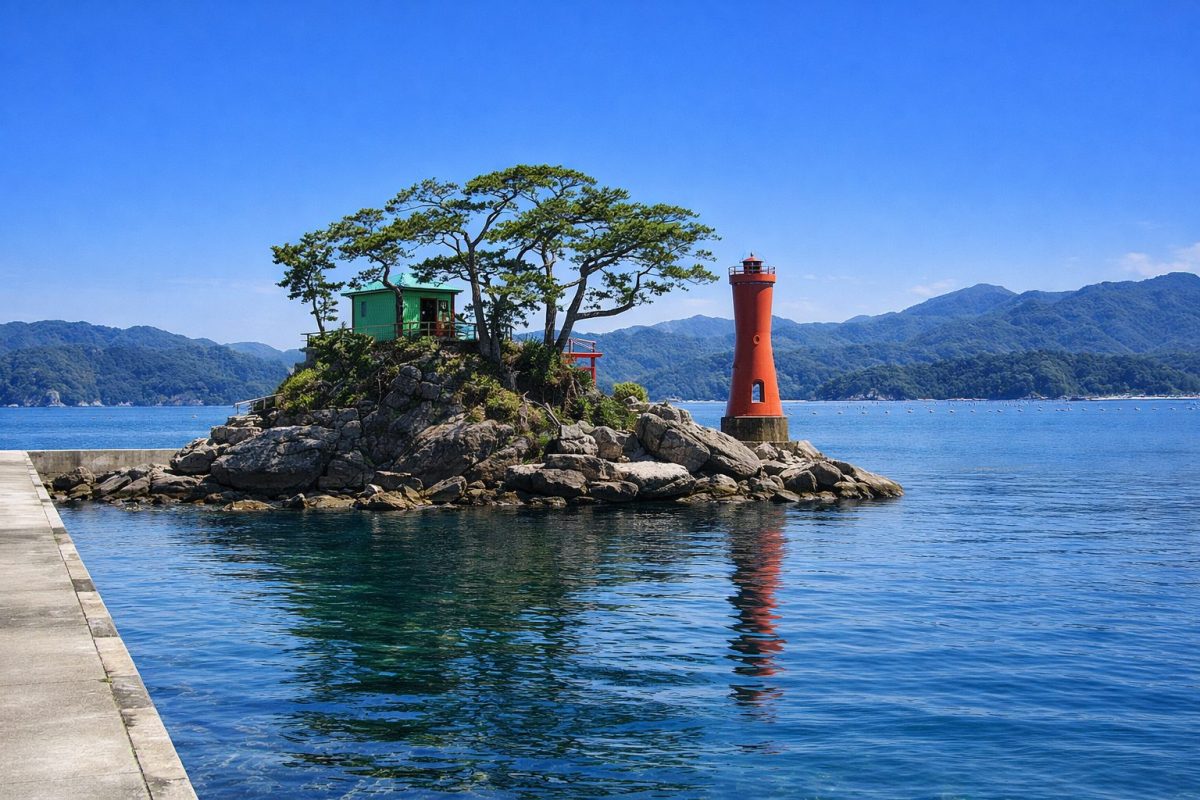
Horai Island, located offshore, is said to have inspired the NHK puppet television series “Hyokkori Hyotan Island,” making it a symbolic landmark of the town. The theme song from the program is still used as the daytime chime in the town’s disaster prevention broadcast system. In recent years, cultural activities have also focused on preserving and conveying the memory of the 2011 disaster, with storytelling initiatives and memorial spaces playing an important role in passing lessons on to future generations.
Local Specialties
-
Salmon and Trout:
The Otsuchi and Kozuchi Rivers are well known for salmon runs, which have supported local fisheries and food culture for generations. Salmon fishing remains an important seasonal activity closely tied to the town’s identity.
Otsuchi River (Google Maps) -
Wakame Seaweed and Kelp:
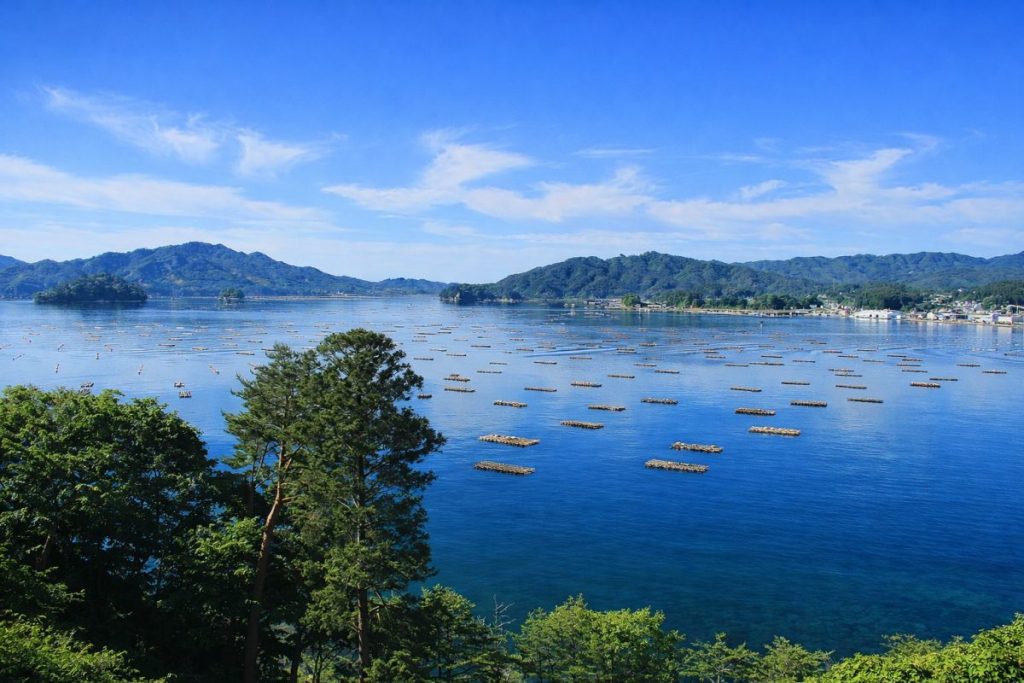
Cultivated in the nutrient-rich waters of the Sanriku coast, wakame and kelp from Otsuchi are highly regarded for their texture and flavor and are widely used for both household and commercial purposes.
Otsuchi Bay (Google Maps) -
Processed Seafood Products:
Salmon products, dried fish, and salted seafood are produced locally, combining traditional techniques with regional resources. These products are popular as souvenirs and gifts.
New Otsuchi Fisheries Cooperative -
Agricultural Products:
Small-scale rice cultivation and vegetable farming take place in inland areas, supplying local markets and direct sales outlets.
Otsuchi Town Area (Google Maps)
Living and Relocation Information
- Daily Convenience: Commercial facilities, financial institutions, medical services, and government offices are concentrated in the town center, allowing residents to meet daily needs within a compact area.
- Child-Rearing Environment: The town has integrated compulsory education schools and a high school, offering education rooted in local culture, nature, and disaster awareness.
- Medical Care: Iwate Prefectural Otsuchi Hospital provides core medical services for the community.
- Housing: Post-disaster reconstruction has included relocation to higher ground and the development of safe residential areas with an emphasis on disaster resilience.
- Lifestyle Features: Residents enjoy close access to both sea and mountains, with a strong community-wide awareness of disaster preparedness.
Climate and Living Environment
- Characterized by a Pacific coastal climate with relatively cool summers.
- Winters are mild with limited snowfall compared to inland regions.
- Sea fog is common along the coast, creating unique weather conditions.
- The natural environment is closely intertwined with everyday life.
Area Characteristics (By District)
- Machikata District: The administrative and commercial center of the town, centered around Otsuchi Station.
- Kirikir i District: A coastal area with beaches and fishing ports, home to Kirikir i Beach.
- Akahama District: A coastal district with fishing activity and research facilities, including the International Coastal Research Center.
- Kanazawa District: An inland mountainous area characterized by forests and scattered settlements.
Access
- Railway: Sanriku Railway Rias Line: Otsuchi Station – Kirikir i Station – Namita Kaigan Station
- Roads: National Route 45, Sanriku Coastal Road (Otsuchi IC)
- Bus: Operated by Iwate Prefectural Transportation and local community bus services.
Tourist Attractions
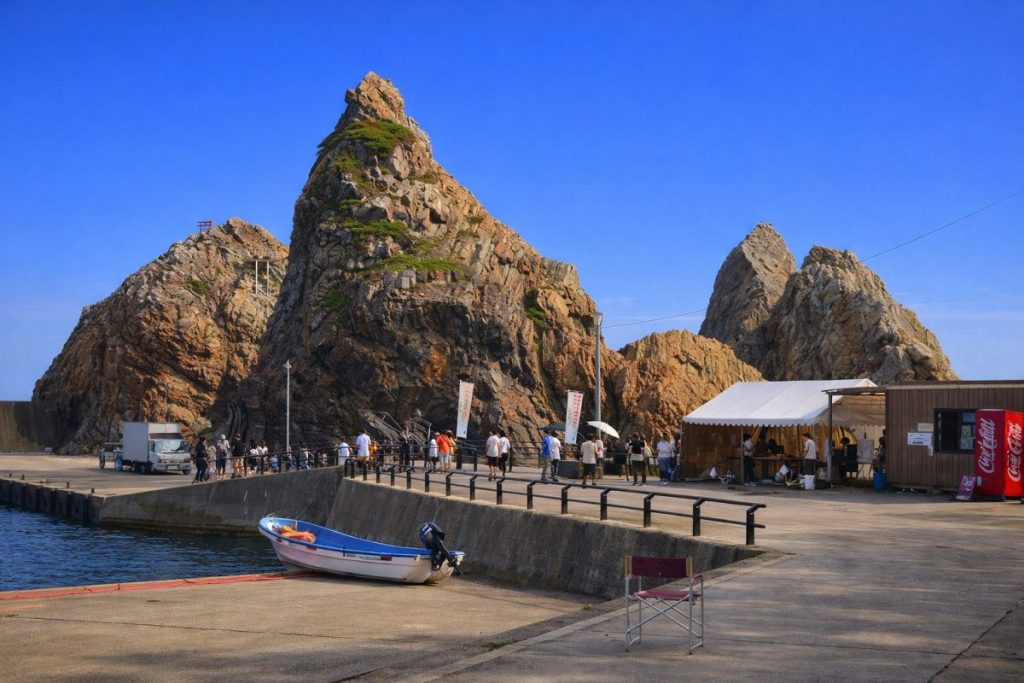
- Horai Island — A symbolic offshore island of the town.
- Namita Beach — A calm sandy beach known for gentle waves.
- The Wind Phone — A place of reflection visited by people from across Japan.
Related Links
Iwate Major Cities
This section presents a list of major cities in Iwate Prefecture.
You can access the hub page that consolidates information on Iwate Prefecture’s major cities via the button below.
-

Which Prefecture Is Ninohe City In? [Answer] Iwate Prefecture | Complete Guide to Ninohe City (Sightseeing, Culture, Local Products & Access)
-
Which Prefecture Is Kuji City In? [Answer] Iwate Prefecture | Complete Guide to Kuji City (Sightseeing, Culture, Local Products & Access)
-
Which Prefecture Is Ofunato City In? [Answer] Iwate Prefecture | Complete Guide to Ofunato City (Sightseeing, Culture, Local Products & Access)
-
Which Prefecture Is Miyako City In? [Answer] Iwate Prefecture | Complete Guide to Miyako City (Sightseeing, Culture, Local Products & Access)
-
Which Prefecture Is Kamaishi City In? [Answer] Iwate Prefecture | Complete Guide to Kamaishi City (Sightseeing, Culture, Local Products & Access)
-
Which Prefecture Is Kitakami City In? [Answer] Iwate Prefecture | Complete Guide to Kitakami City (Sightseeing, Culture, Local Products & Access)
-
Which Prefecture Is Hanamaki City In? [Answer] Iwate Prefecture | Complete Guide to Hanamaki City (Sightseeing, Culture, Local Products & Access)
-
Which Prefecture Is Ichinoseki City In? [Answer] Iwate Prefecture | Complete Guide to Ichinoseki City (Sightseeing, Culture, Local Products & Access)
-
Which Prefecture Is Oshu City In? [Answer] Iwate Prefecture | Complete Guide to Oshu City (Sightseeing, Culture, Local Products & Access)
-
Which Prefecture Is Morioka City In? [Answer] Iwate Prefecture | Complete Guide to Morioka City (Sightseeing, Culture, Local Products & Access)
Coastal Regional Development Bureau
This section presents the municipalities within the Coastal Regional Development Bureau area of Iwate Prefecture.
You can access the hub page that consolidates information on these municipalities via the button below.
-
Which Prefecture Is Fudai Village In? [Answer] Iwate Prefecture | Complete Guide to Fudai Village (Sightseeing, Culture, Local Products & Access)
-
Which Prefecture Is Tanohata Village In? [Answer] Iwate Prefecture | Complete Guide to Tanohata Village (Sightseeing, Culture, Local Products & Access)
-
Which Prefecture Is Iwaizumi Town In? [Answer] Iwate Prefecture | Complete Guide to Iwaizumi Town (Sightseeing, Culture, Local Products & Access)
-
Which Prefecture Is Yamada Town In? [Answer] Iwate Prefecture | Complete Guide to Yamada Town (Sightseeing, Culture, Local Products & Access)
-
Which Prefecture Is Otsuchi Town In? [Answer] Iwate Prefecture | Complete Guide to Otsuchi Town (Sightseeing, Culture, Local Products & Access)
-
Which Prefecture Is Rikuzentakata City In? [Answer] Iwate Prefecture | Complete Guide to Rikuzentakata City (Sightseeing, Culture, Local Products & Access)
-
Which Prefecture Is Ofunato City In? [Answer] Iwate Prefecture | Complete Guide to Ofunato City (Sightseeing, Culture, Local Products & Access)
-
Which Prefecture Is Miyako City In? [Answer] Iwate Prefecture | Complete Guide to Miyako City (Sightseeing, Culture, Local Products & Access)
-
Which Prefecture Is Kamaishi City In? [Answer] Iwate Prefecture | Complete Guide to Kamaishi City (Sightseeing, Culture, Local Products & Access)