| population | 31,394 peoples |
|---|---|
| area | 238.98 km² |
| population density | 131 peoples/km² |
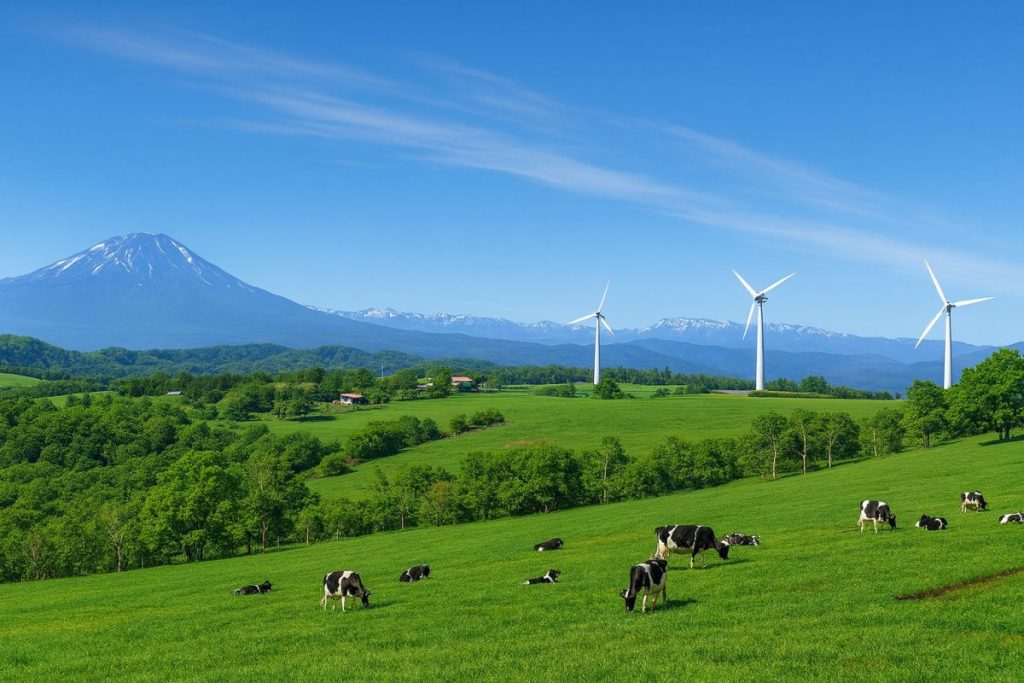
Shiwa Town is an inland municipality located in the central part of Iwate Prefecture, belonging to Shiwa District. Situated between Morioka City and Hanamaki City, the town lies along the middle reaches of the Kitakami River, which flows north to south through its center. To the east rise the Kitakami Highlands, while the Ou Mountains stretch along the western edge, creating a landscape characterized by river terraces, basins, and surrounding mountains. This geographical setting has supported agricultural livelihoods since ancient times.
In terms of transportation, National Route 4 and the JR Tohoku Main Line run through the town, making Shiwa Town an integral part of the Morioka metropolitan commuting area. In recent years, the town has gained nationwide attention for the “Ogal Project,” a public-private partnership (PPP) initiative centered around JR Shiwa-Chuo Station, which has been recognized as a pioneering model of community-driven urban development in regional Japan.
History
The area now known as Shiwa Town has been inhabited since ancient times. During the Nara period, Takamizu-dera Temple was founded by order of Empress Shōtoku. In the medieval period, the Hidzume clan, a branch of the Northern Fujiwara family, established their base here. During the Kamakura period, Minamoto no Yoritomo is said to have enshrined the Hashiri-yu Gongen deity at Takamizu-dera, highlighting the region’s political and religious significance.
In the early modern era, the area came under the control of the Nanbu Domain, and Hizume-juku developed as a post town along the Ōshū Kaidō highway. The Kitakami River also functioned as an important transportation route for river shipping. Following the enforcement of the municipal system in 1889, several towns and villages were established, and on April 1, 1955, nine municipalities merged to form present-day Shiwa Town. Since then, the town has developed its administrative, educational, and cultural infrastructure while maintaining agriculture as its economic foundation.
Culture and Traditions
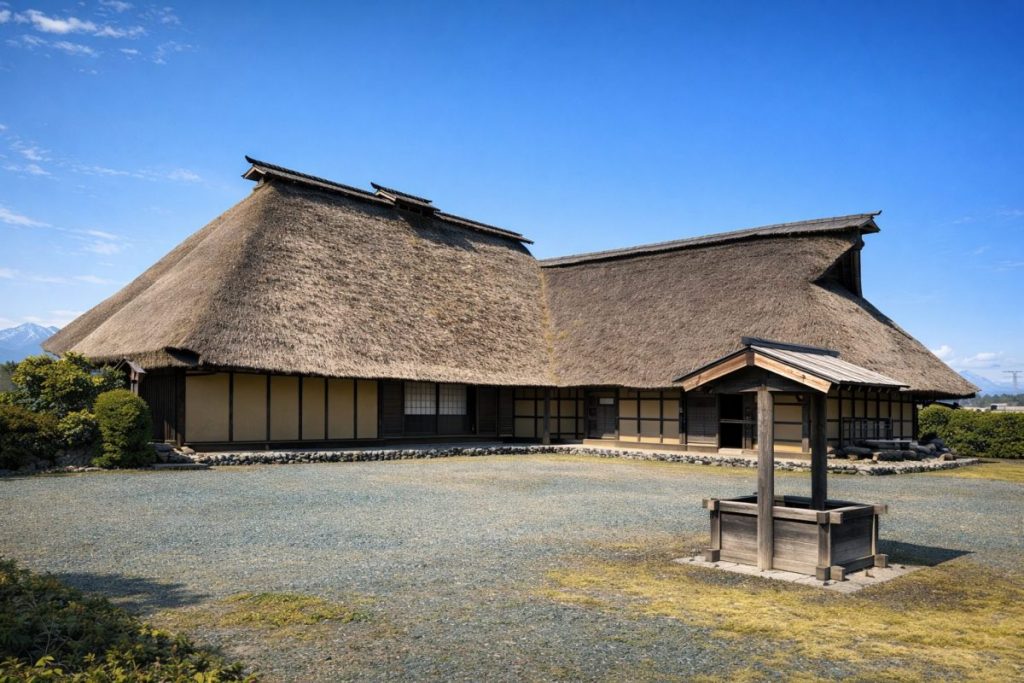
Shiwa Town preserves a rich agricultural culture rooted in the Kitakami River basin, along with traditional festivals and local customs passed down through generations. One of the town’s most notable cultural assets is the “Yamaya Rice-Planting Dance,” which has been designated an Important Intangible Folk Cultural Property of Japan. This ritual performance reflects the deep connection between farming practices and community life.
Another cultural landmark is the Nomura Kodo Ararebus Memorial Museum, dedicated to the writer and music critic Nomura Kodo. Together with the Shiwa Town Library and other cultural facilities, these institutions provide spaces for learning, cultural exchange, and creativity, embedding cultural activity into everyday life in the town.
Local Products
-
Rice (Himenomochi):
This glutinous rice variety is cultivated using the fertile soils of the Kitakami River basin and the region’s significant day–night temperature differences. It is highly valued for mochi and processed foods and is shipped both within and outside the prefecture.
View rice-growing areas in Shiwa Town -
Fruit (Apples, Grapes, European Pears):
Fruit cultivation thrives in Shiwa Town’s cool climate. The produce is consumed fresh and also used for processing, with farm stands and tourist orchards available throughout the area.
Shiwa Fruit Park -
Livestock (Shiwa Black Pork, Mochimochi Beef):
Locally branded meat products raised in the town, available at local markets and restaurants.
Roadside Station Shiwa -
Sake:
Shiwa Town is regarded as the birthplace of the Nanbu Toji (master brewers) tradition, and several sake breweries continue to operate today.
Tsukinowa Sake Brewery -
Wine and Cider:
Wine and cider production using locally grown fruit has been expanding, contributing to the town’s regional brand identity.
Shiwa Cidery
Living and Relocation Information
- Daily Convenience: Administrative offices, medical facilities, and commercial services are concentrated in the Hizume area. Access to Morioka City is convenient.
- Child-Rearing Environment: The town offers a full range of childcare facilities and schools, providing a balanced environment combining education and nature.
- Medical Services: Local clinics are complemented by coordinated access to larger hospitals in Morioka and Hanamaki.
- Housing: Residential areas consist mainly of detached houses, with relatively stable land prices.
- Lifestyle Features: Although designated as a heavy snowfall area, snow removal systems are well established.
Climate and Living Environment
- Continental inland climate with large seasonal temperature differences.
- Cold winters with significant snowfall.
- Relatively warm and humid summers suitable for agriculture.
- The Kitakami River and surrounding mountains shape the town’s scenery and living environment.
Regional Characteristics (by Area)
- Hizume Area: The administrative and commercial center of the town, centered around Hizume Station.
- Shiwa-Chuo Station Area: Urban development associated with the Ogal Project around Shiwa-Chuo Station.
- Shiwa Area: A traditional rural area with extensive farmland and long-established settlements.
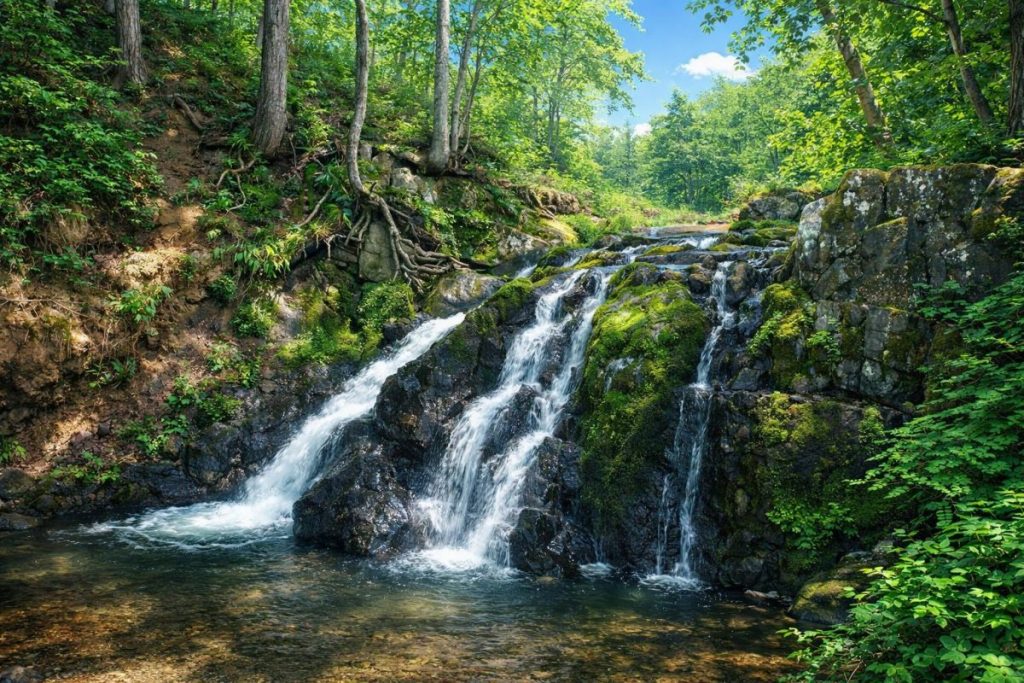
- Akazawa and Sabinai Areas: Mountainous regions with abundant natural landscapes.
Access
- Railway: JR Tohoku Main Line: Hizume Station – Shiwa-Chuo Station – Furudate Station
- Roads: National Route 4, Tohoku Expressway (Shiwa IC)
- Buses: Route bus services operated by Iwate Ken Kotsu.
Tourist Attractions
- Shiga Riwake Shrine — The northernmost Shikinaisha shrine in Japan.
- Sannokai Dam — A dam providing both flood control and scenic views.
- Nomura Kodo Ararebus Memorial Museum
Related Links
Iwate Major Cities
-

Which Prefecture Is Ninohe City In? [Answer] Iwate Prefecture | Complete Guide to Ninohe City (Sightseeing, Culture, Local Products & Access)
-
Which Prefecture Is Kuji City In? [Answer] Iwate Prefecture | Complete Guide to Kuji City (Sightseeing, Culture, Local Products & Access)
-
Which Prefecture Is Ofunato City In? [Answer] Iwate Prefecture | Complete Guide to Ofunato City (Sightseeing, Culture, Local Products & Access)
-
Which Prefecture Is Miyako City In? [Answer] Iwate Prefecture | Complete Guide to Miyako City (Sightseeing, Culture, Local Products & Access)
-
Which Prefecture Is Kamaishi City In? [Answer] Iwate Prefecture | Complete Guide to Kamaishi City (Sightseeing, Culture, Local Products & Access)
-
Which Prefecture Is Kitakami City In? [Answer] Iwate Prefecture | Complete Guide to Kitakami City (Sightseeing, Culture, Local Products & Access)
-
Which Prefecture Is Hanamaki City In? [Answer] Iwate Prefecture | Complete Guide to Hanamaki City (Sightseeing, Culture, Local Products & Access)
-
Which Prefecture Is Ichinoseki City In? [Answer] Iwate Prefecture | Complete Guide to Ichinoseki City (Sightseeing, Culture, Local Products & Access)
-
Which Prefecture Is Oshu City In? [Answer] Iwate Prefecture | Complete Guide to Oshu City (Sightseeing, Culture, Local Products & Access)
-
Which Prefecture Is Morioka City In? [Answer] Iwate Prefecture | Complete Guide to Morioka City (Sightseeing, Culture, Local Products & Access)
Morioka Regional Development Bureau
-
Which Prefecture Is Yahaba Town In? [Answer] Iwate Prefecture | Complete Guide to Yahaba Town (Sightseeing, Culture, Local Products & Access)
-
Which Prefecture Is Shiwa Town In? [Answer] Iwate Prefecture | Complete Guide to Shiwa Town (Sightseeing, Culture, Local Products & Access)
-
Which Prefecture Is Iwate Town In? [Answer] Iwate Prefecture | Complete Guide to Iwate Town (Sightseeing, Culture, Local Products & Access)
-
Which Prefecture Is Kuzumaki Town In? [Answer] Iwate Prefecture | Complete Guide to Kuzumaki Town (Sightseeing, Culture, Local Products & Access)
-
Which Prefecture Is Shizukuishi Town In? [Answer] Iwate Prefecture | Complete Guide to Shizukuishi Town (Sightseeing, Culture, Local Products & Access)
-
Which Prefecture Is Takizawa City In? [Answer] Iwate Prefecture | Complete Guide to Takizawa City (Sightseeing, Culture, Local Products & Access)
-
Which Prefecture Is Hachimantai City In? [Answer] Iwate Prefecture | Complete Guide to Hachimantai City (Sightseeing, Culture, Local Products & Access)
-
Which Prefecture Is Morioka City In? [Answer] Iwate Prefecture | Complete Guide to Morioka City (Sightseeing, Culture, Local Products & Access)