| population | 4,340 peoples |
|---|---|
| area | 334.84 km² |
| population density | 13 peoples/km² |
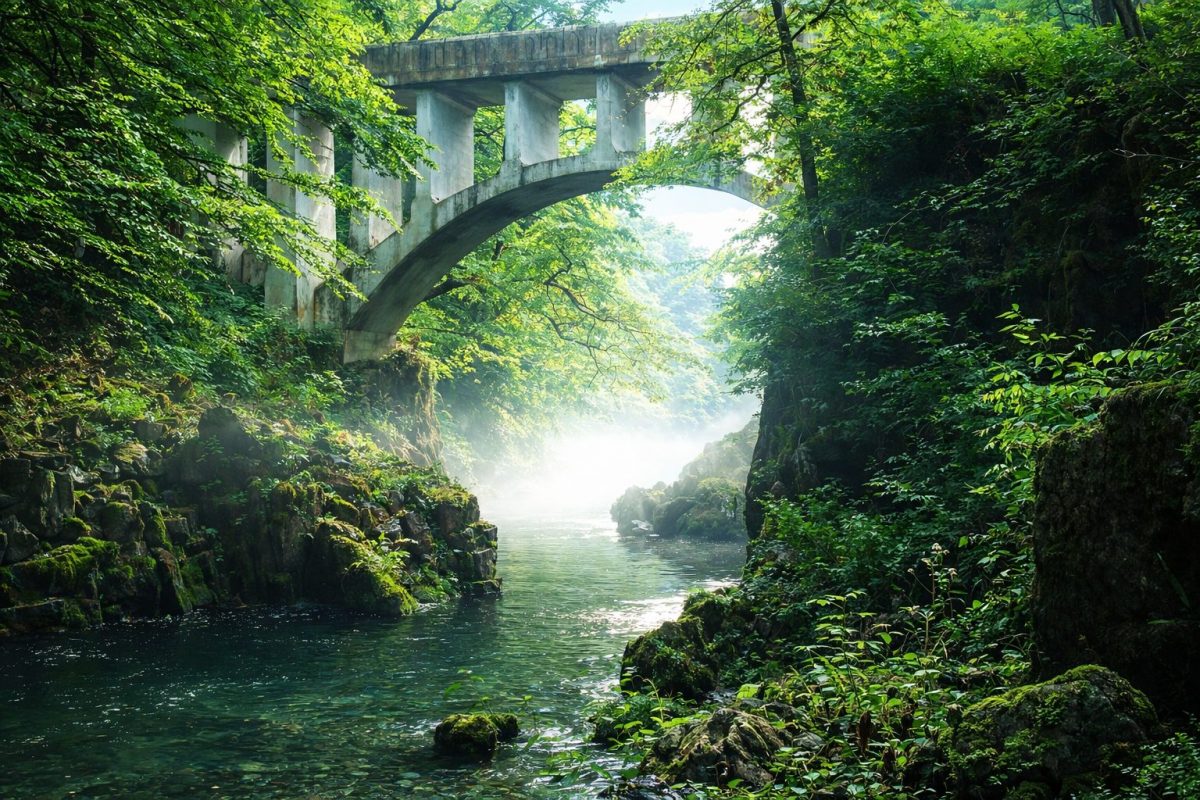
Sumita Town is an inland municipality located in the southeastern part of Iwate Prefecture, belonging to Kesen District. It lies in the southern section of the Kitakami Highlands and is surrounded on all sides by mountains, creating a landscape dominated by forests and clear rivers. Approximately 90% of the town’s total area is covered by woodland, making forestry a defining element of both its economy and daily life. Settlements and farmland are concentrated mainly along the Kesen River, which flows from the northern part of the town toward the south, forming the core of local living and agriculture.
Under the slogan “The Town of Japan’s Best Forestry,” Sumita Town has long pursued sustainable forest management and value-added use of timber resources, particularly Kesen cedar. While facing challenges such as population decline and geographic isolation, the town continues to promote a way of life rooted in harmony between people and nature, offering a quiet and stable living environment supported by rich natural resources and strong community ties.
History
The area that is now Sumita Town was historically part of the Date Domain during the Edo period. Its residents depended primarily on forestry, agriculture, and river-based transport along the Kesen River. Mountain forests supplied timber and fuel, while limited flat land along the riverbanks supported small-scale farming. These natural conditions shaped a self-sufficient rural society closely connected to the surrounding environment.
With the introduction of the modern municipal system in 1889, Setamai Village, Kami-Arisu Village, and Shimo-Arisu Village were established. In 1955, Setamai Town and the two Arisu villages merged to form Sumita Town. After the merger, administrative functions were consolidated and infrastructure gradually improved. From the late 20th century onward, the town actively developed forestry-based industries and community initiatives, maintaining its identity while adapting to social and economic changes.
Culture and Traditions
Sumita Town’s culture has developed from a deep relationship with forests and mountains. Traditional rural customs, seasonal festivals, and community-based events continue to play an important role in local life. One notable cultural feature is the preservation of firelock rifle performances, linked to historical fire-cord production in the Mount Goyō area during the feudal era. These performances symbolize the region’s historical ties to craftsmanship and mountain resources.
The town is also known for Suyane-gahra Plateau, a place associated with the poet Kenji Miyazawa. Its wide skies and natural scenery have inspired literature, music, and stargazing events. Cultural activities in Sumita tend to emphasize quiet appreciation of nature, reflection, and continuity, reflecting the town’s calm and grounded atmosphere.
Local Products
-
Kesen Cedar:
High-quality cedar timber that represents Sumita’s forestry industry. Known for its fine grain and durability, it is used in housing, interior materials, and public buildings.
Wood-processing facilities in Sumita Town -
Log-grown Shiitake Mushrooms:
Cultivated using traditional methods in forest environments, these mushrooms are valued for their rich aroma and flavor. They are sold both fresh and dried.
Shiitake production areas in Sumita Town -
Rice and Minor Grains:
Produced in small quantities along the Kesen River basin, benefiting from cool temperatures and large day-night temperature differences. Mostly consumed locally or sold through direct markets.
Farmland areas in Sumita Town -
Woodcraft Products:
Furniture and daily-use items made from local cedar, characterized by warmth and natural texture. Often sold at local facilities and events.
Woodcraft-related facilities -
Processed Agricultural Goods:
Pickled vegetables, wild-plant products, and other small-scale processed foods reflecting local food culture, available at roadside stations and local shops.
Local markets in Sumita Town
Living and Relocation Information
- Daily Convenience: The Setamai area functions as the town center, hosting the town office, shops, financial institutions, and medical facilities.
- Child-Raising Environment: Elementary and junior high schools operate with small class sizes, allowing for close teacher-student relationships and nature-based learning.
- Medical Care: In addition to local clinics, residents have access to regional hospitals such as Iwate Prefectural Ofunato Hospital.
- Housing: Detached houses are common, and wooden homes utilizing local timber are a notable feature of the townscape.
- Lifestyle: Designated as a heavy snowfall area, winter preparation is essential, but community-wide snow-removal systems support daily life.
Climate and Living Environment
- Distinct inland climate with large seasonal and daily temperature differences.
- Heavy snowfall in winter, particularly in mountainous zones.
- Relatively cool summers with few extreme heat days.
- Quiet living environment surrounded by forests and clear streams.
Area Characteristics
- Setamai Area: Administrative and commercial center of the town.
- Kami-Arisu Area: Home to Kami-Arisu Station and tourist attractions such as Takkando Cave.
- Shimo-Arisu Area: A quiet residential and agricultural zone surrounded by forests.
- Omata Area: Mountainous district with lifestyles closely connected to nature.
Access
- Railway: JR Kamaishi Line: Kami-Arisu Station
- Roads: National Route 340, National Route 107
- Buses: Operated by Iwate Prefectural Bus and Sumita Town community buses.
Tourist Attractions
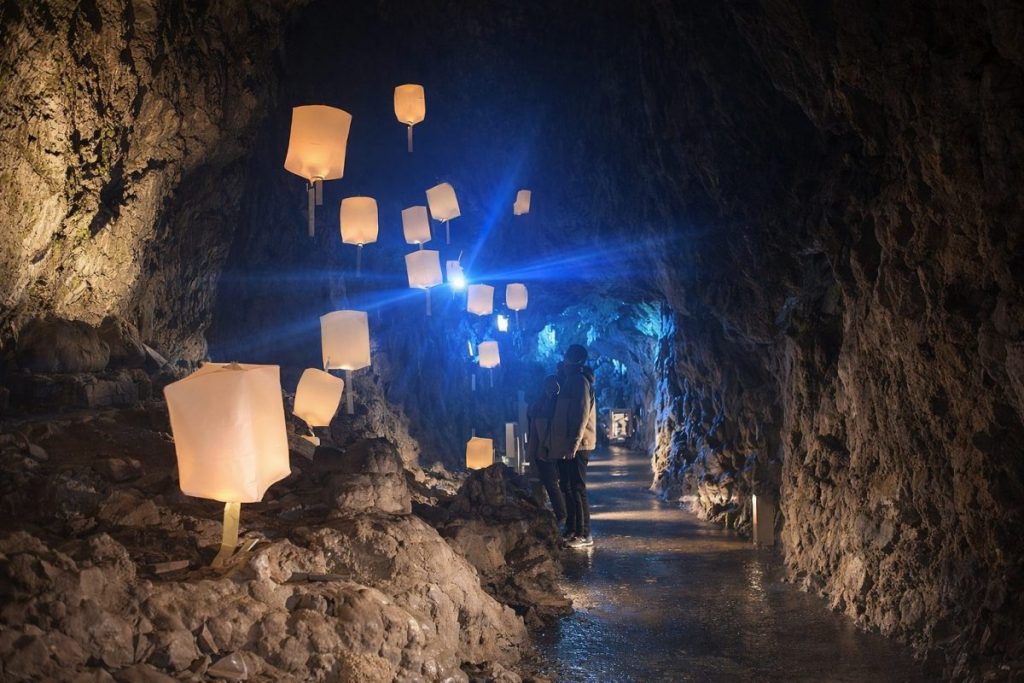
- Takkando Cave — A limestone cave featuring one of Japan’s largest underground waterfalls.
- Suyane-gahra Plateau — A highland area known for open landscapes and starry skies.
- Kesen River — A clear river symbolic of Sumita Town’s natural environment.
Related Links
Iwate Major Cities
This section presents a list of major cities in Iwate Prefecture.
You can access the hub page that consolidates information on Iwate Prefecture’s major cities via the button below.
-

Which Prefecture Is Ninohe City In? [Answer] Iwate Prefecture | Complete Guide to Ninohe City (Sightseeing, Culture, Local Products & Access)
-
Which Prefecture Is Kuji City In? [Answer] Iwate Prefecture | Complete Guide to Kuji City (Sightseeing, Culture, Local Products & Access)
-
Which Prefecture Is Ofunato City In? [Answer] Iwate Prefecture | Complete Guide to Ofunato City (Sightseeing, Culture, Local Products & Access)
-
Which Prefecture Is Miyako City In? [Answer] Iwate Prefecture | Complete Guide to Miyako City (Sightseeing, Culture, Local Products & Access)
-
Which Prefecture Is Kamaishi City In? [Answer] Iwate Prefecture | Complete Guide to Kamaishi City (Sightseeing, Culture, Local Products & Access)
-
Which Prefecture Is Kitakami City In? [Answer] Iwate Prefecture | Complete Guide to Kitakami City (Sightseeing, Culture, Local Products & Access)
-
Which Prefecture Is Hanamaki City In? [Answer] Iwate Prefecture | Complete Guide to Hanamaki City (Sightseeing, Culture, Local Products & Access)
-
Which Prefecture Is Ichinoseki City In? [Answer] Iwate Prefecture | Complete Guide to Ichinoseki City (Sightseeing, Culture, Local Products & Access)
-
Which Prefecture Is Oshu City In? [Answer] Iwate Prefecture | Complete Guide to Oshu City (Sightseeing, Culture, Local Products & Access)
-
Which Prefecture Is Morioka City In? [Answer] Iwate Prefecture | Complete Guide to Morioka City (Sightseeing, Culture, Local Products & Access)
Coastal Regional Development Bureau
This section presents the municipalities within the Coastal Regional Development Bureau area of Iwate Prefecture.
You can access the hub page that consolidates information on these municipalities via the button below.
-
Which Prefecture Is Fudai Village In? [Answer] Iwate Prefecture | Complete Guide to Fudai Village (Sightseeing, Culture, Local Products & Access)
-
Which Prefecture Is Tanohata Village In? [Answer] Iwate Prefecture | Complete Guide to Tanohata Village (Sightseeing, Culture, Local Products & Access)
-
Which Prefecture Is Iwaizumi Town In? [Answer] Iwate Prefecture | Complete Guide to Iwaizumi Town (Sightseeing, Culture, Local Products & Access)
-
Which Prefecture Is Yamada Town In? [Answer] Iwate Prefecture | Complete Guide to Yamada Town (Sightseeing, Culture, Local Products & Access)
-
Which Prefecture Is Otsuchi Town In? [Answer] Iwate Prefecture | Complete Guide to Otsuchi Town (Sightseeing, Culture, Local Products & Access)
-
Which Prefecture Is Rikuzentakata City In? [Answer] Iwate Prefecture | Complete Guide to Rikuzentakata City (Sightseeing, Culture, Local Products & Access)
-
Which Prefecture Is Ofunato City In? [Answer] Iwate Prefecture | Complete Guide to Ofunato City (Sightseeing, Culture, Local Products & Access)
-
Which Prefecture Is Miyako City In? [Answer] Iwate Prefecture | Complete Guide to Miyako City (Sightseeing, Culture, Local Products & Access)
-
Which Prefecture Is Kamaishi City In? [Answer] Iwate Prefecture | Complete Guide to Kamaishi City (Sightseeing, Culture, Local Products & Access)