| population | 22,548 peoples |
|---|---|
| area | 825.97 km² |
| population density | 27.3 peoples/km² |
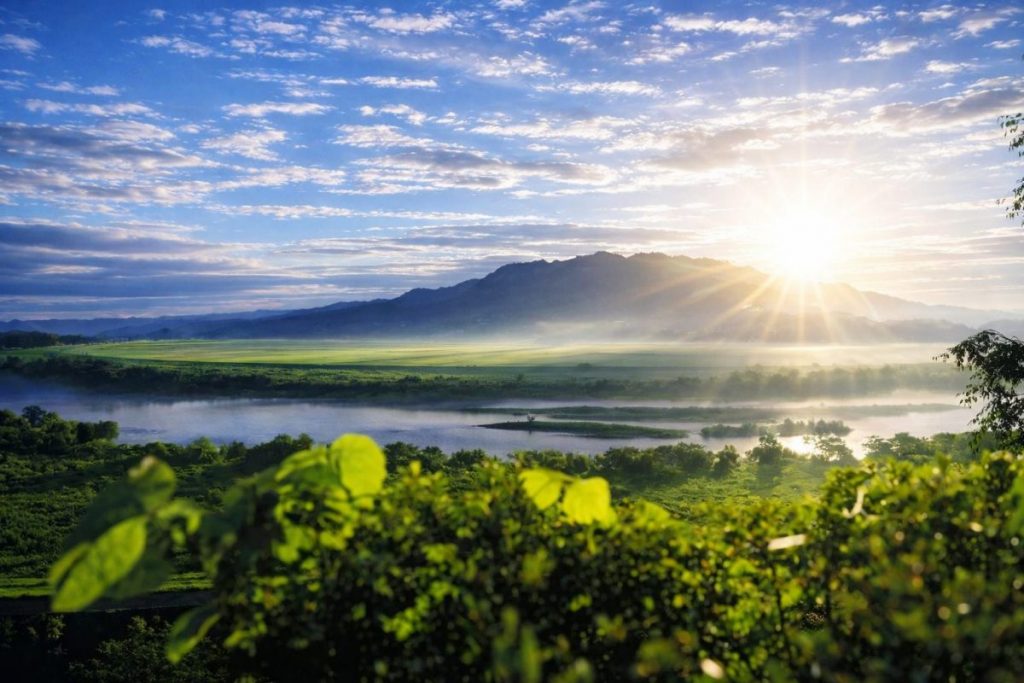
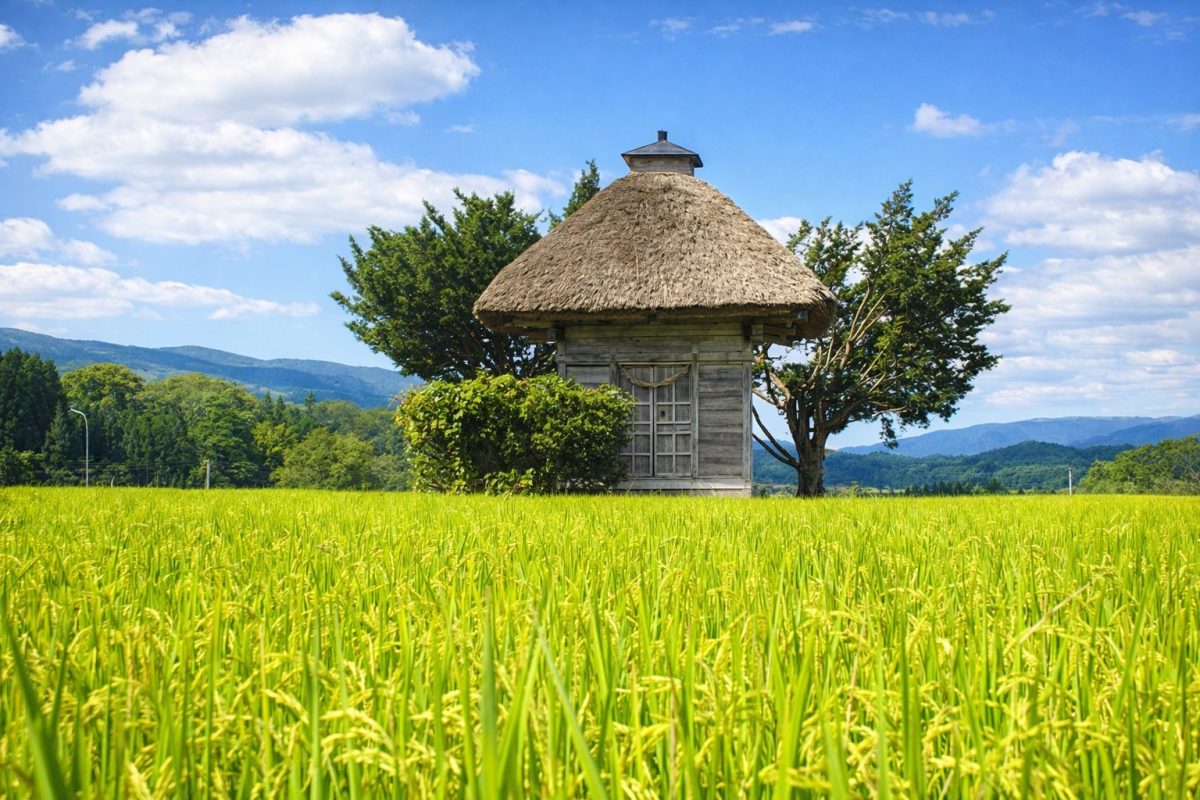
Tono City is located in the southeastern inland area of Iwate Prefecture, Japan, and lies at a key junction connecting the coastal Sanriku region with the inland areas. The city is centered on the Tono Basin, one of the largest basins in the Kitakami Mountains, and most of its territory belongs to the uppermost reaches of the Sarugaishi River, a tributary of the Kitakami River system. Surrounded by mountains and crossed by rivers, Tono has long supported an agricultural way of life while also functioning as an important transportation corridor between inland and coastal regions.
Tono is nationally renowned as the setting of The Legends of Tono (Tōno Monogatari) compiled by folklorist Kunio Yanagita. The city is widely known as the “Hometown of Folktales,” where stories of kappa, zashiki-warashi, and other folk spirits have been passed down for generations. This deep connection between natural environment and spiritual culture continues to shape Tono’s identity today.
History
The Tono area was originally ruled by the Asonuma clan during the medieval period. In the early Edo period, control shifted to the Nanbu clan. In 1627, under Nanbu Toshinao, a branch of the Hachinohe Nanbu family was assigned to govern the area, and Tono Nabekura Castle was established as the center of a castle town. For approximately 240 years until the Meiji Restoration, Tono functioned as a castle town ruled by the Tono Nanbu clan. Remnants of this period can still be seen in present-day district names such as Koku-machi and Roku-nichi-machi.
With the implementation of the municipal system in 1889, Tono Town was established. In 1954, it merged with surrounding villages to become Tono City. A further merger with Miyamori Village in 2005 created the current city boundaries. While facing population decline in recent decades, Tono continues to promote community development rooted in its historical and cultural heritage.
Culture and Traditions
Tono’s cultural identity is inseparable from its rich tradition of folklore and oral storytelling. The tales recorded in Tōno Monogatari reflect the daily lives, beliefs, and natural environment of the region. Today, these traditions are preserved and shared through storytelling activities and cultural facilities such as the Tono Monogatari Museum and the Tono City Museum.
In addition, traditional rural landscapes and historic farmhouses known as Nanbu magariya (L-shaped houses) are important elements of local culture. The residents of Tono continue to value a lifestyle that harmonizes with nature and reflects the changing seasons.
Local Products
-
Hops from Tono:
Tono is one of Japan’s leading hop-producing regions. Its cool climate and large temperature differences between day and night produce high-quality hops used by breweries across the country.
View hop-growing areas in Tono -
Doburoku (Traditional Cloudy Sake):
Tono is known for its doburoku production under a special regulatory zone system, utilizing locally grown rice and water to maintain a strong regional sake culture.
Doburoku-related sites in Tono -
Agricultural Products (Rice and Vegetables):
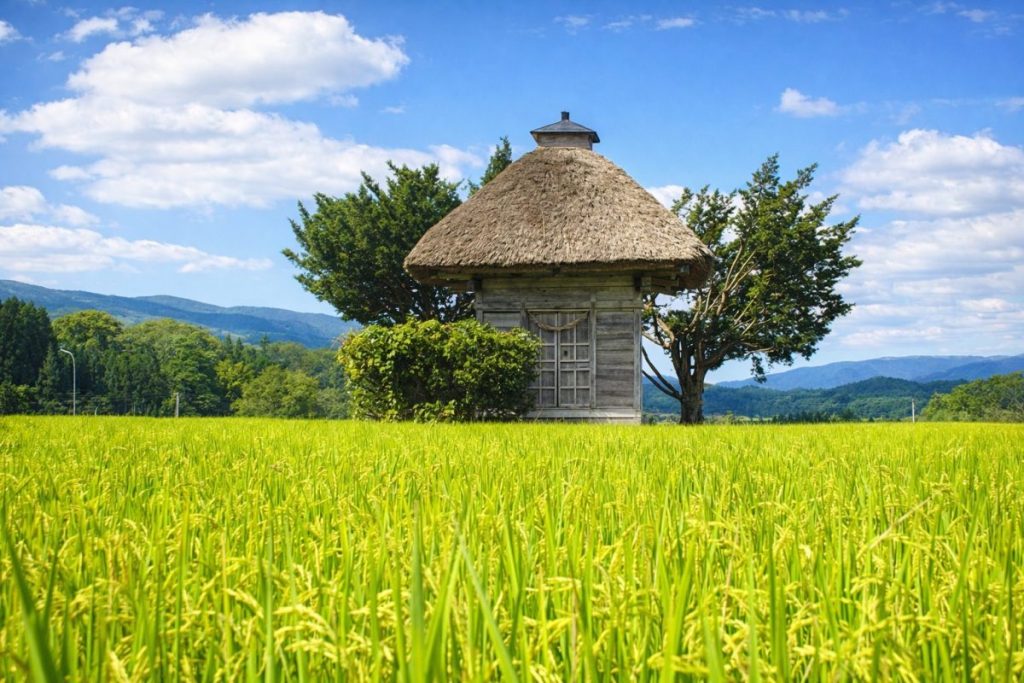
The fertile soils of the Tono Basin support stable rice cultivation and vegetable farming, primarily for local consumption.
View rice-growing areas in Tono
Living and Relocation Information
- Daily Convenience: The central urban area contains commercial facilities, medical institutions, and government offices, providing a compact and convenient living environment.
- Child-Rearing Environment: Abundant natural surroundings offer many opportunities for outdoor learning and community-based education.
- Medical Care: Healthcare services are centered around Iwate Prefectural Tono Hospital.
- Housing: Detached houses are the main housing type, allowing residents to enjoy life close to nature.
Climate and Living Environment
- Inland continental climate with large seasonal and daily temperature differences.
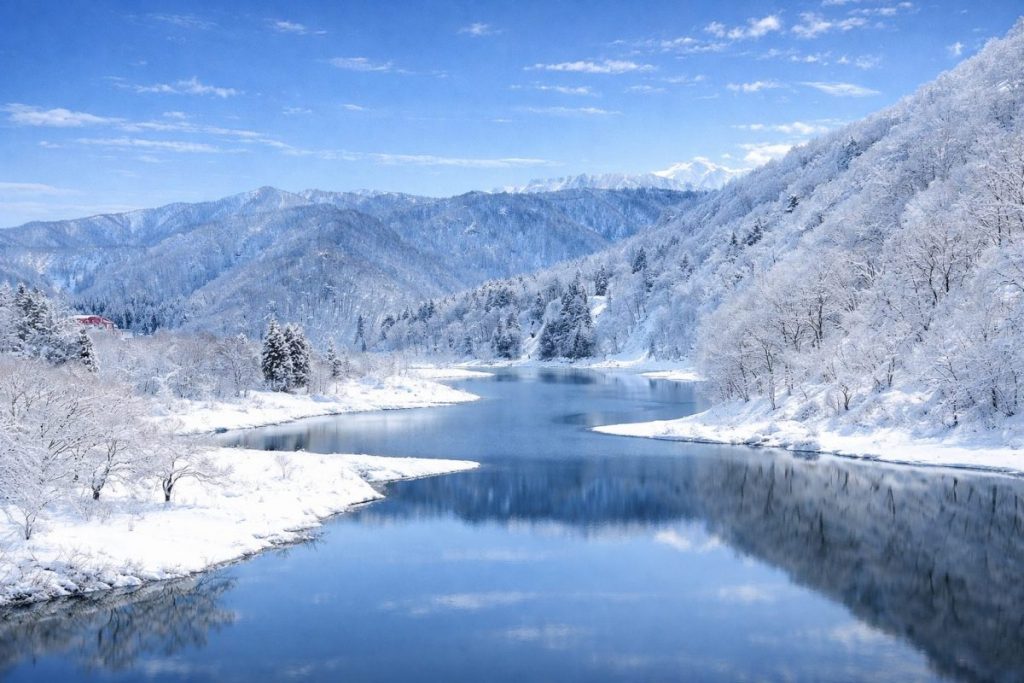
- Heavy snowfall in winter; the area is designated as a heavy snow region.
- Relatively cool and comfortable summers.
Regional Characteristics (By Area)
- Tono Area: The city center, where administrative and commercial functions are concentrated around Tono Station.
- Miyamori Area: Known for scenic resources such as the Miyamori River Bridge.
Access
- Railway: JR Kamaishi Line – Tono Station
- Road: National Route 283
Tourist Attractions
Related Links
Iwate Major Cities
-

Which Prefecture Is Ninohe City In? [Answer] Iwate Prefecture | Complete Guide to Ninohe City (Sightseeing, Culture, Local Products & Access)
-
Which Prefecture Is Kuji City In? [Answer] Iwate Prefecture | Complete Guide to Kuji City (Sightseeing, Culture, Local Products & Access)
-
Which Prefecture Is Ofunato City In? [Answer] Iwate Prefecture | Complete Guide to Ofunato City (Sightseeing, Culture, Local Products & Access)
-
Which Prefecture Is Miyako City In? [Answer] Iwate Prefecture | Complete Guide to Miyako City (Sightseeing, Culture, Local Products & Access)
-
Which Prefecture Is Kamaishi City In? [Answer] Iwate Prefecture | Complete Guide to Kamaishi City (Sightseeing, Culture, Local Products & Access)
-
Which Prefecture Is Kitakami City In? [Answer] Iwate Prefecture | Complete Guide to Kitakami City (Sightseeing, Culture, Local Products & Access)
-
Which Prefecture Is Hanamaki City In? [Answer] Iwate Prefecture | Complete Guide to Hanamaki City (Sightseeing, Culture, Local Products & Access)
-
Which Prefecture Is Ichinoseki City In? [Answer] Iwate Prefecture | Complete Guide to Ichinoseki City (Sightseeing, Culture, Local Products & Access)
-
Which Prefecture Is Oshu City In? [Answer] Iwate Prefecture | Complete Guide to Oshu City (Sightseeing, Culture, Local Products & Access)
-
Which Prefecture Is Morioka City In? [Answer] Iwate Prefecture | Complete Guide to Morioka City (Sightseeing, Culture, Local Products & Access)
Ken-nan Regional Development Bureau
-
Which Prefecture Is Nishiwaga Town In? [Answer] Iwate Prefecture | Complete Guide to Nishiwaga Town (Sightseeing, Culture, Local Products & Access)
-
Which Prefecture Is Hiraizumi Town In? [Answer] Iwate Prefecture | Complete Guide to Hiraizumi Town (Sightseeing, Culture, Local Products & Access)
-
Which Prefecture Is Kanegasaki Town In? [Answer] Iwate Prefecture | Complete Guide to Kanegasaki Town (Sightseeing, Culture, Local Products & Access)
-
Which Prefecture Is Tono City In? [Answer] Iwate Prefecture | Complete Guide to Tono City (Sightseeing, Culture, Local Products & Access)
-
Which Prefecture Is Kitakami City In? [Answer] Iwate Prefecture | Complete Guide to Kitakami City (Sightseeing, Culture, Local Products & Access)
-
Which Prefecture Is Hanamaki City In? [Answer] Iwate Prefecture | Complete Guide to Hanamaki City (Sightseeing, Culture, Local Products & Access)
-
Which Prefecture Is Ichinoseki City In? [Answer] Iwate Prefecture | Complete Guide to Ichinoseki City (Sightseeing, Culture, Local Products & Access)
-
Which Prefecture Is Oshu City In? [Answer] Iwate Prefecture | Complete Guide to Oshu City (Sightseeing, Culture, Local Products & Access)