| population | 12,734 peoples |
|---|---|
| area | 262.81 km² |
| population density | 48.5 peoples/km² |
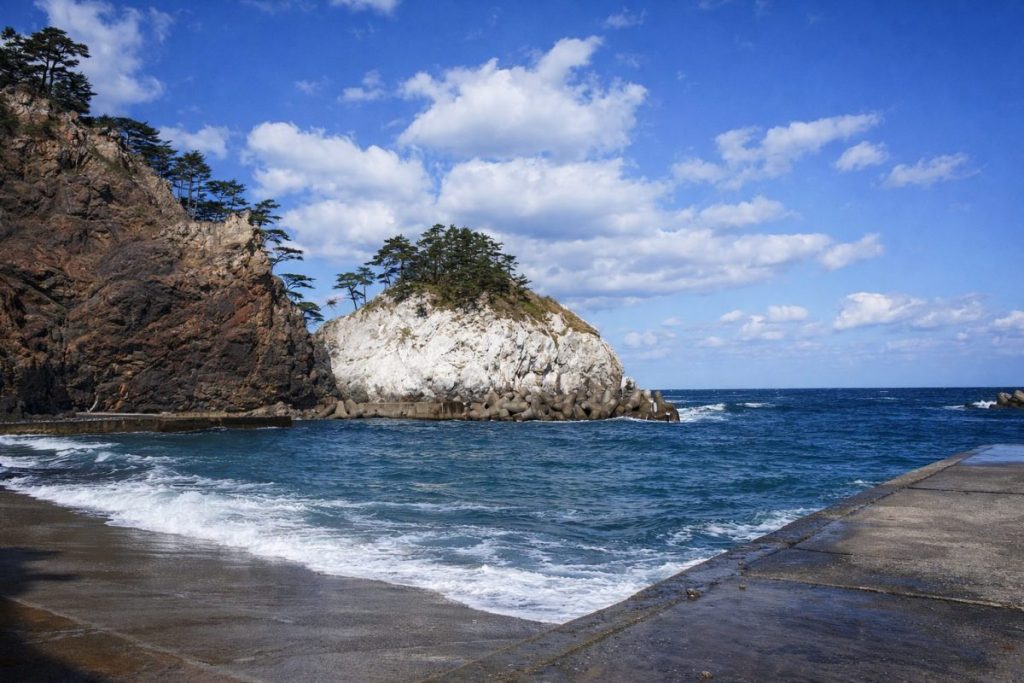
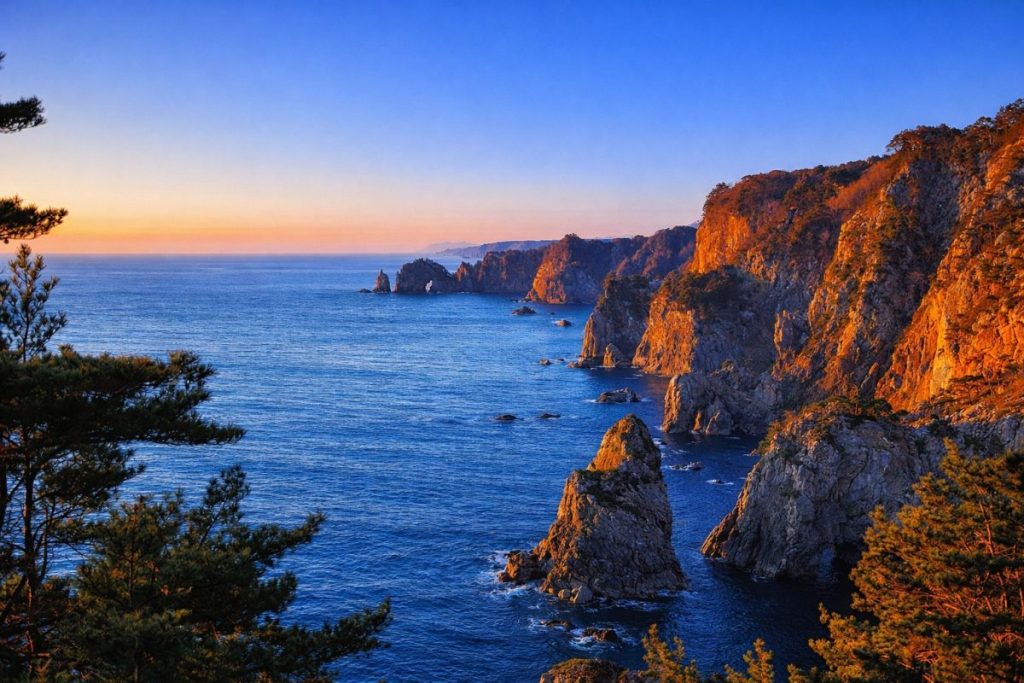
Yamada Town is located in the central coastal area of Iwate Prefecture, within the Sanriku region, and belongs to Shimohei District. Facing the Pacific Ocean, the town is characterized by a deeply indented ria coastline. It borders Miyako City to the north and Otsuchi Town to the south and west, and is surrounded by both mountains and sea. To the east lie Funakoshi Bay and Yamada Bay, while the inland area consists of mountainous terrain. Rivers such as the Sekiguchi River and the Orikasa River flow into Yamada Bay, shaping the town’s natural landscape. These geographical conditions have long supported a lifestyle closely tied to fishing and the sea.
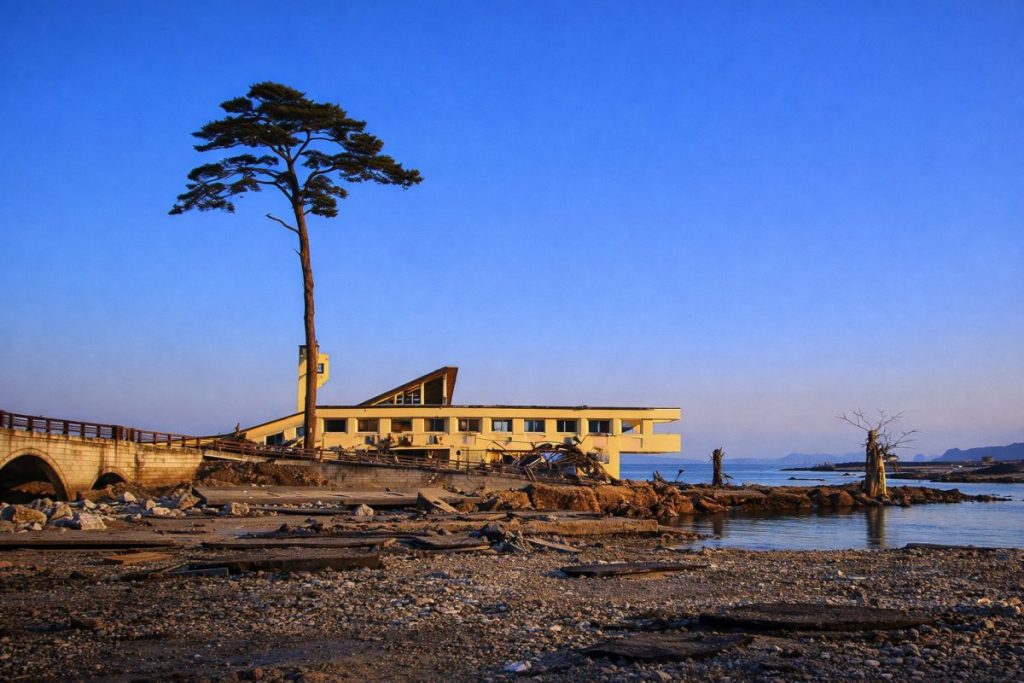
The core industries of Yamada Town are fisheries—particularly aquaculture—and tourism that makes use of its rich natural scenery. In addition, small- and medium-sized manufacturing facilities are found mainly in inland areas, giving the town a relatively diverse industrial structure. On March 11, 2011, the Great East Japan Earthquake and subsequent tsunami caused catastrophic damage to coastal districts, including the town center. Since then, Yamada Town has pursued reconstruction through seawall construction, land elevation, and urban reorganization, and continues its efforts toward long-term recovery.
History
The history of Yamada Town dates back to ancient times. Archaeological sites such as those in the Sawada area have revealed settlements from the early Jomon period, approximately 6,000 years ago. During the medieval era, the region came under the influence of powerful clans including the Abe clan and the Northern Fujiwara, functioning as an important link between coastal and inland areas. From the Kamakura to Muromachi periods, official horse ranches were established to supply warhorses, and the area played a role in regional administration.
In the Edo period, Yamada became part of the Morioka Domain under the Nanbu clan and developed around fisheries, coastal transport, and local commerce. After the modern municipal system was introduced, mergers during the Showa period led to the formation of present-day Yamada Town. During World War II, Yamada Bay hosted a naval air base, followed by the establishment of Self-Defense Force facilities in the postwar period. The 2011 earthquake and tsunami brought unprecedented devastation, but large-scale reconstruction projects, including land raising and coastal protection, have since transformed the town’s urban structure.
Culture and Traditions
The culture of Yamada Town reflects a blend of Sanriku coastal fishing traditions and inland rural customs. The most prominent cultural event is the Yamada Festival, held every September as the annual festival of Yamada Hachimangu Shrine and Osugi Shrine. Over three days, the town comes alive with portable shrine processions and performances of traditional local arts. The powerful and dynamic “abare-mikoshi” (rampaging portable shrines) are especially well known and attract visitors from across the region.
Yamada Town is also home to numerous traditional performing arts such as deer dances, kagura (sacred music and dance), and tiger dances, each preserved by local communities. These traditions are passed down through generations and play a vital role in strengthening community bonds. Even after the disaster of 2011, cultural preservation has remained a priority, serving both as a symbol of recovery and as emotional support for residents.
Local Products
-
Oysters:
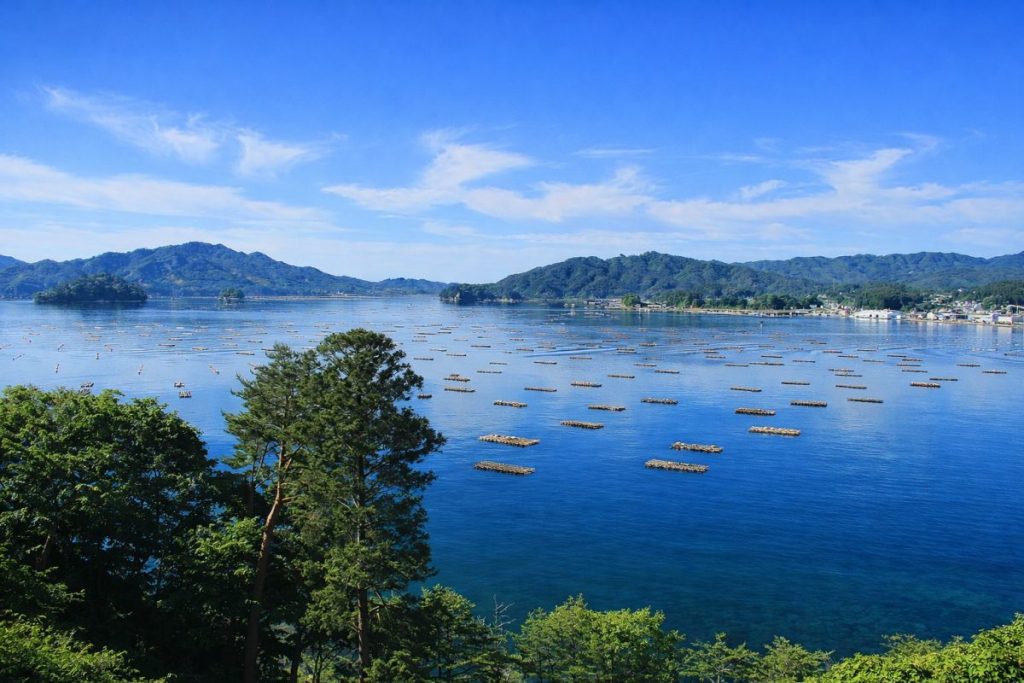
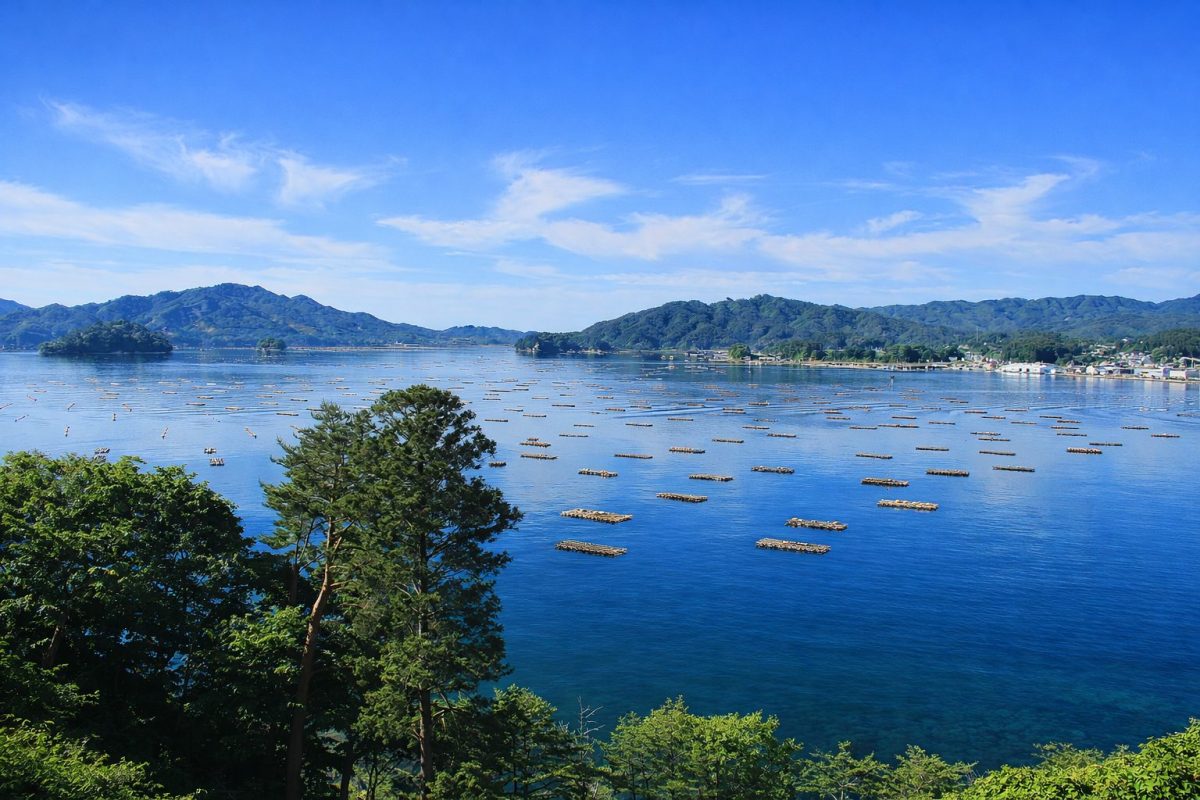
Yamada Bay is one of the leading oyster-farming areas along the Sanriku coast. Oysters raised in the calm, nutrient-rich waters are known for their plump texture and rich flavor, and are shipped both fresh and processed to markets nationwide.
Yamada Bay (Aquaculture Area) -
Scallops:
Scallop farming is also widely practiced, benefiting from the cold, clean waters of the bay. The scallops are valued for their consistent quality and are often processed for local specialty products.
Fishing Ports of Yamada Town -
Wakame Seaweed:
Wakame harvested in Yamada Town is thick, tender, and highly regarded throughout Japan. The harvesting season in early spring is an important annual event for local fisheries.
Orikasa Fishing Port -
Processed Seafood Products:
A variety of dried, salted, and processed seafood products are made locally and sold at roadside stations and direct sales outlets, often in small batches by local businesses.
Roadside Station “Yamada”
Living and Relocation Information
- Daily Convenience: Around Rikuchu-Yamada Station, public offices, medical facilities, financial institutions, and shops are concentrated, making daily life relatively convenient within a compact area.
- Child-Rearing Environment: Elementary, junior high, and senior high schools are located within the town, offering community-based education and opportunities for learning through nature and local events.
- Medical Care: In addition to local clinics, residents have access to major hospitals in nearby Miyako and Kamaishi cities. Details are available on the official Yamada Town website.
- Housing: Post-disaster reconstruction has led to the development of disaster-recovery public housing and residential areas on both coastal and elevated land.
- Lifestyle Features: Winters are cold with snowfall, but the coastal climate is generally milder than inland areas, allowing residents to experience clear seasonal changes.
Climate and Living Environment
- The town has a Pacific coastal climate with relatively cool summers.
- Snowfall occurs in winter, and the area is designated as a heavy-snow region.
- The influence of the ocean moderates temperature extremes compared with inland regions.
- Residents enjoy daily access to rich natural scenery, with mountains and sea in close proximity.
Area Characteristics
- Yamada Area: The administrative and commercial center of the town, centered on Rikuchu-Yamada Station.
- Funakoshi Area: A coastal district facing Funakoshi Bay, known for fisheries and tourism, with Funakoshi Fishing Port.
- Orikasa Area: Located toward Kamaishi City, featuring scenic coastal landscapes and roadside facilities.
- Toyomane Area: An inland district with farmland and manufacturing facilities.
Access
- Railway: Sanriku Railway Rias Line: Toyomane Station – Rikuchu-Yamada Station – Orikasa Station
- Road: National Route 45, E45 Sanriku Coastal Road
- Bus: Local and highway bus services operated mainly by Iwatekenpoku Bus.
Tourist Attractions
- Whale and Sea Science Museum — A museum featuring large-scale whale skeletons and marine exhibits.
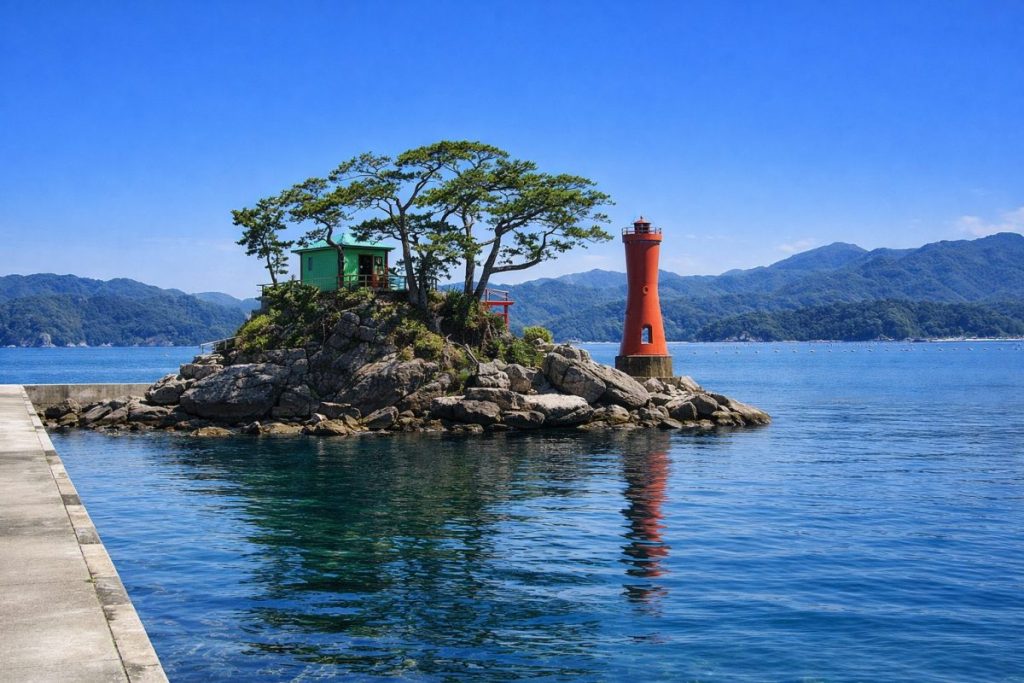
- Oranda Island — An uninhabited island in Yamada Bay known for its scenic value.
- Roadside Station “Yamada” — A hub for local products and visitor information.
Related Links
Iwate Major Cities
This section presents a list of major cities in Iwate Prefecture.
You can access the hub page that consolidates information on Iwate Prefecture’s major cities via the button below.
-

Which Prefecture Is Ninohe City In? [Answer] Iwate Prefecture | Complete Guide to Ninohe City (Sightseeing, Culture, Local Products & Access)
-
Which Prefecture Is Kuji City In? [Answer] Iwate Prefecture | Complete Guide to Kuji City (Sightseeing, Culture, Local Products & Access)
-
Which Prefecture Is Ofunato City In? [Answer] Iwate Prefecture | Complete Guide to Ofunato City (Sightseeing, Culture, Local Products & Access)
-
Which Prefecture Is Miyako City In? [Answer] Iwate Prefecture | Complete Guide to Miyako City (Sightseeing, Culture, Local Products & Access)
-
Which Prefecture Is Kamaishi City In? [Answer] Iwate Prefecture | Complete Guide to Kamaishi City (Sightseeing, Culture, Local Products & Access)
-
Which Prefecture Is Kitakami City In? [Answer] Iwate Prefecture | Complete Guide to Kitakami City (Sightseeing, Culture, Local Products & Access)
-
Which Prefecture Is Hanamaki City In? [Answer] Iwate Prefecture | Complete Guide to Hanamaki City (Sightseeing, Culture, Local Products & Access)
-
Which Prefecture Is Ichinoseki City In? [Answer] Iwate Prefecture | Complete Guide to Ichinoseki City (Sightseeing, Culture, Local Products & Access)
-
Which Prefecture Is Oshu City In? [Answer] Iwate Prefecture | Complete Guide to Oshu City (Sightseeing, Culture, Local Products & Access)
-
Which Prefecture Is Morioka City In? [Answer] Iwate Prefecture | Complete Guide to Morioka City (Sightseeing, Culture, Local Products & Access)
Coastal Regional Development Bureau
This section presents the municipalities within the Coastal Regional Development Bureau area of Iwate Prefecture.
You can access the hub page that consolidates information on these municipalities via the button below.
-
Which Prefecture Is Fudai Village In? [Answer] Iwate Prefecture | Complete Guide to Fudai Village (Sightseeing, Culture, Local Products & Access)
-
Which Prefecture Is Tanohata Village In? [Answer] Iwate Prefecture | Complete Guide to Tanohata Village (Sightseeing, Culture, Local Products & Access)
-
Which Prefecture Is Iwaizumi Town In? [Answer] Iwate Prefecture | Complete Guide to Iwaizumi Town (Sightseeing, Culture, Local Products & Access)
-
Which Prefecture Is Yamada Town In? [Answer] Iwate Prefecture | Complete Guide to Yamada Town (Sightseeing, Culture, Local Products & Access)
-
Which Prefecture Is Otsuchi Town In? [Answer] Iwate Prefecture | Complete Guide to Otsuchi Town (Sightseeing, Culture, Local Products & Access)
-
Which Prefecture Is Rikuzentakata City In? [Answer] Iwate Prefecture | Complete Guide to Rikuzentakata City (Sightseeing, Culture, Local Products & Access)
-
Which Prefecture Is Ofunato City In? [Answer] Iwate Prefecture | Complete Guide to Ofunato City (Sightseeing, Culture, Local Products & Access)
-
Which Prefecture Is Miyako City In? [Answer] Iwate Prefecture | Complete Guide to Miyako City (Sightseeing, Culture, Local Products & Access)
-
Which Prefecture Is Kamaishi City In? [Answer] Iwate Prefecture | Complete Guide to Kamaishi City (Sightseeing, Culture, Local Products & Access)